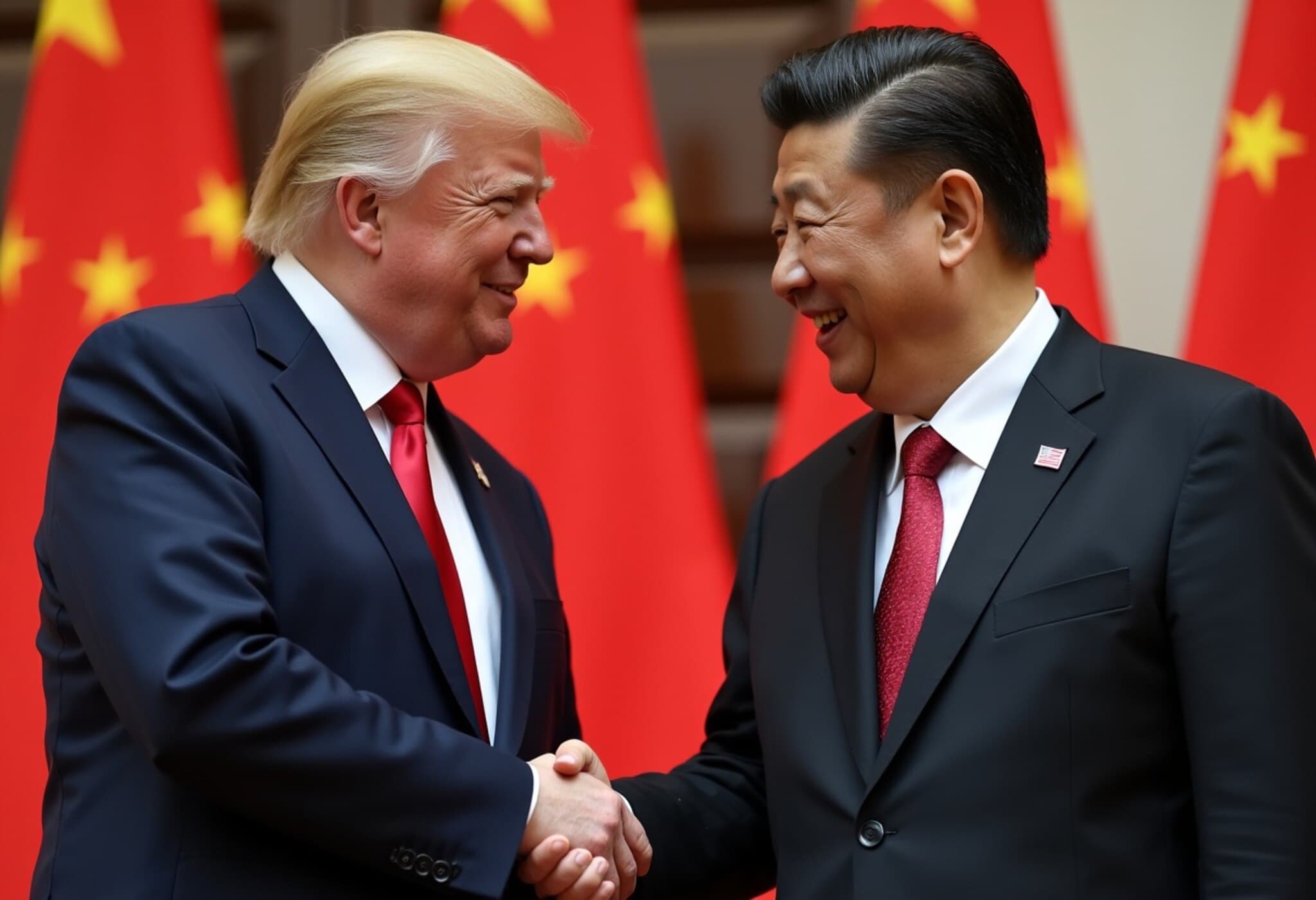

U.S. and China Extend Tariff Truce Amid Lingering Trade Tensions
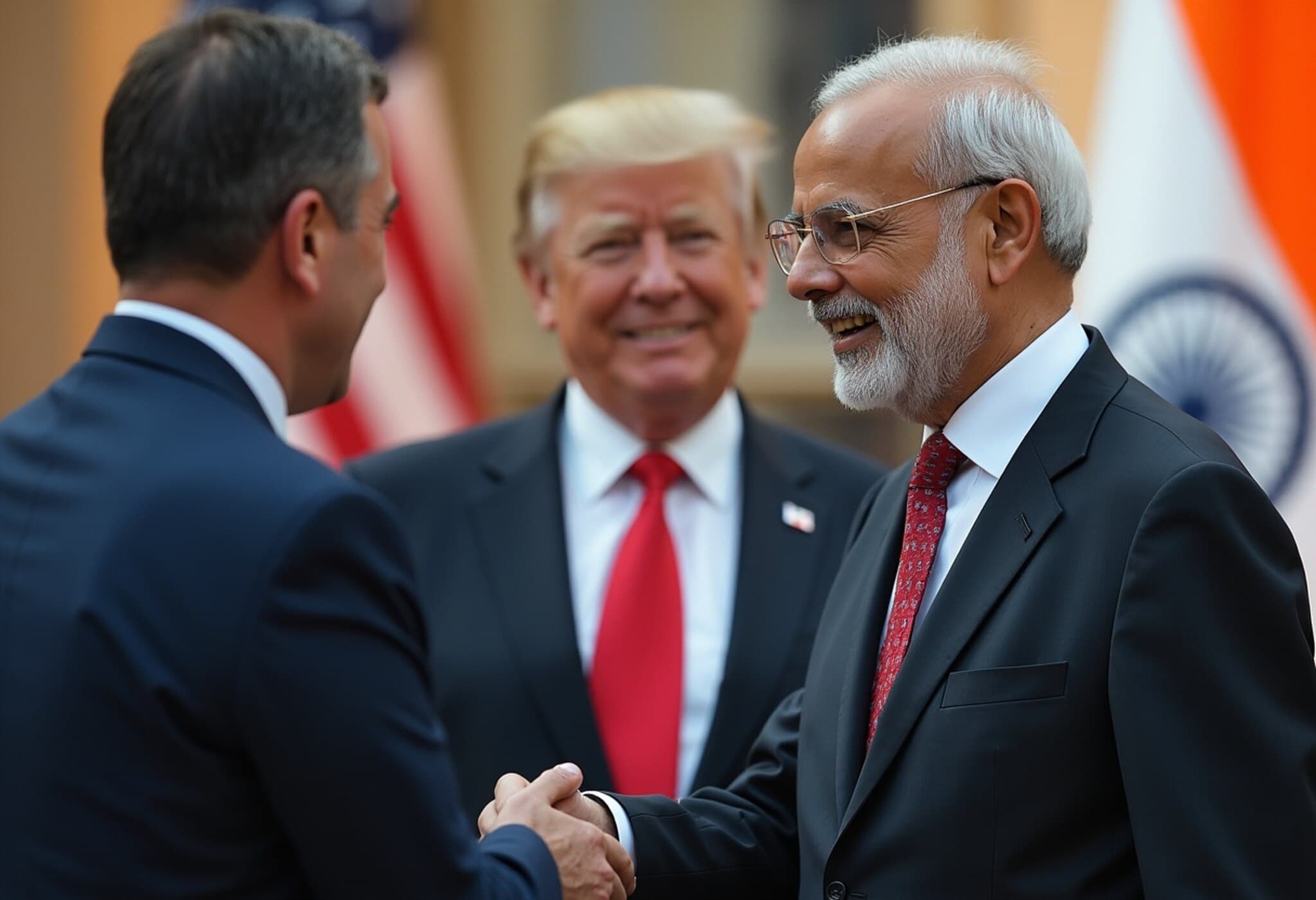
In a recent move to ease escalating trade tensions, the United States and China have agreed to extend their tariff truce for an additional 90 days, pushing the deadline to mid-November. This extension, announced just hours before punitive tariffs were set to take effect, pauses the imposition of 24% tariffs on each other's goods while maintaining a 10% levy. The move reflects an ongoing effort to foster dialogue ahead of a potential leaders' summit scheduled later this year.
Background and Significance of the Extension
The latest truce builds upon a similar 90-day pause initiated in May, during which both sides rolled back prohibitive duties that had previously escalated as high as 145%. Despite the freeze, underlying friction points persist — especially around technology restrictions, trade deficits, and market access — complicating efforts to forge a lasting agreement.
Critical Points Keeping Talks Stalled
1. Tariff Rollbacks and Market Access
- China’s Demand for Full Tariff Removal: Beijing insists on the complete elimination of tariffs on its exports, viewing them as barriers to fair trade and economic growth.
- U.S. Focus on Shrinking Trade Deficit: The U.S. priority remains reducing the trade imbalance, which could pressure China into increasing its commitments to purchase American goods and services.
- Sanctions and Entity Lists: China’s extension to suspend restrictions on companies featured in its “unreliable entity list” signals willingness to soften punitive measures, yet concerns remain over the criteria and future enforcement.
2. Technology Export Controls and Security Concerns
Technology transfer restrictions remain a thorny issue. The U.S. has imposed stringent export controls targeting advanced semiconductors and AI-related technologies amid fears of bolstering China’s military capabilities. Notably, U.S. tech giants Nvidia and AMD have negotiated partial revenue-sharing deals to sell certain chips to China. Yet, reports suggest Beijing has discouraged domestic companies from utilizing some imported technologies, casting doubt on the effectiveness of these arrangements.
Experts warn that relaxing export controls too quickly could spark a tech arms race, while too strict limitations could incentivize Beijing to accelerate indigenous innovation. This delicate balance underscores the complexity of resolving this aspect of the trade war.
3. Rare Earth Minerals: A Strategic Lever
China’s dominance in the mining and processing of rare earth elements, vital for advanced manufacturing and defense technologies, serves as a significant bargaining chip. Recent months have seen China easing export restrictions on rare-earth metals and magnets to the U.S., accompanied by a surge in shipments. This dynamic has fueled speculation about potential concessions on technology exports in exchange for continued access to these critical materials.
Looking Ahead: The Prospects for a Summit and a Final Deal
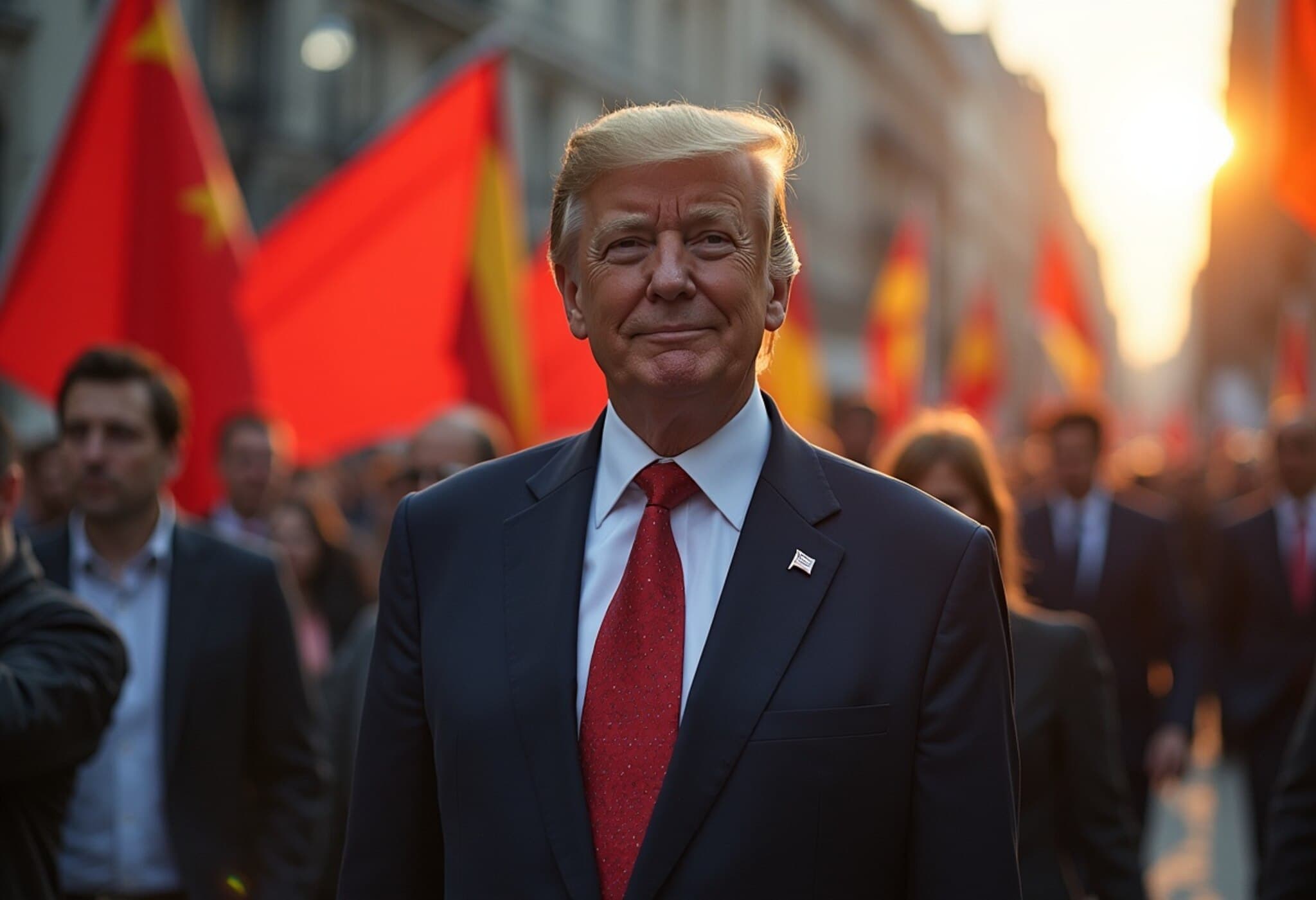
High-level negotiations are underway to arrange a summit between U.S. President Donald Trump and Chinese President Xi Jinping, likely to take place in Beijing in the coming months. Observers like Xinbo Wu of Fudan University emphasize that securing a durable deal will require sustained, complex negotiations with each side entrenched in its red lines.
Former U.S. trade officials and consultants caution that while a phase one-style agreement might be achievable, it could fall short of addressing systemic issues such as China’s industrial subsidies and overcapacity, which have long fueled trade tensions.
Expert Perspectives and Regional Implications
Jeff Moon, president of China Moon Strategies and former U.S. trade representative, notes that the tariff extension is a pragmatic step to maintain dialogue continuity, albeit likely accompanied by further pauses until the summit. Meanwhile, economists like Eswar Prasad argue that prematurely easing tech restrictions undercuts key U.S. leverage in AI competition, raising strategic concerns beyond economics.
From an American economic standpoint, the administration’s goal to revive manufacturing and bolster agricultural exports—highlighted by President Trump's call for increased soybean purchases—is entwined with broader trade negotiations, reflecting domestic political and economic pressures.
Summary
As the U.S. and China navigate this latest phase of their protracted trade conflict, the extension of the tariff truce grants temporary respite but leaves fundamental disputes unresolved. The path forward hinges on balancing economic interests, technological security, and geopolitical strategy in an intensely competitive global landscape.
Editor’s Note: The ongoing U.S.-China trade negotiations encapsulate a complex interplay of economics and national security. With tariff extensions buying time but not solutions, the ultimate question remains: Can these two global powers reconcile divergent priorities to achieve a stable, mutually beneficial trade relationship, or will the stalemate perpetuate economic uncertainties worldwide?