Understanding Honduras’s 2025 Presidential Election: A Nation at a Crossroads
As Honduras heads to the polls in late 2025, the nation stands on the precipice of significant political upheaval. With President Trump publicly endorsing a conservative candidate and casting shadows over the leftist party currently in power, many Hondurans brace for an election marked by tension, volatility, and deep-seated divisions reminiscent of past turmoil.
The Contenders: Ideology Meets Experience
Rixi Moncada: The Left’s Hope and Its Challenges
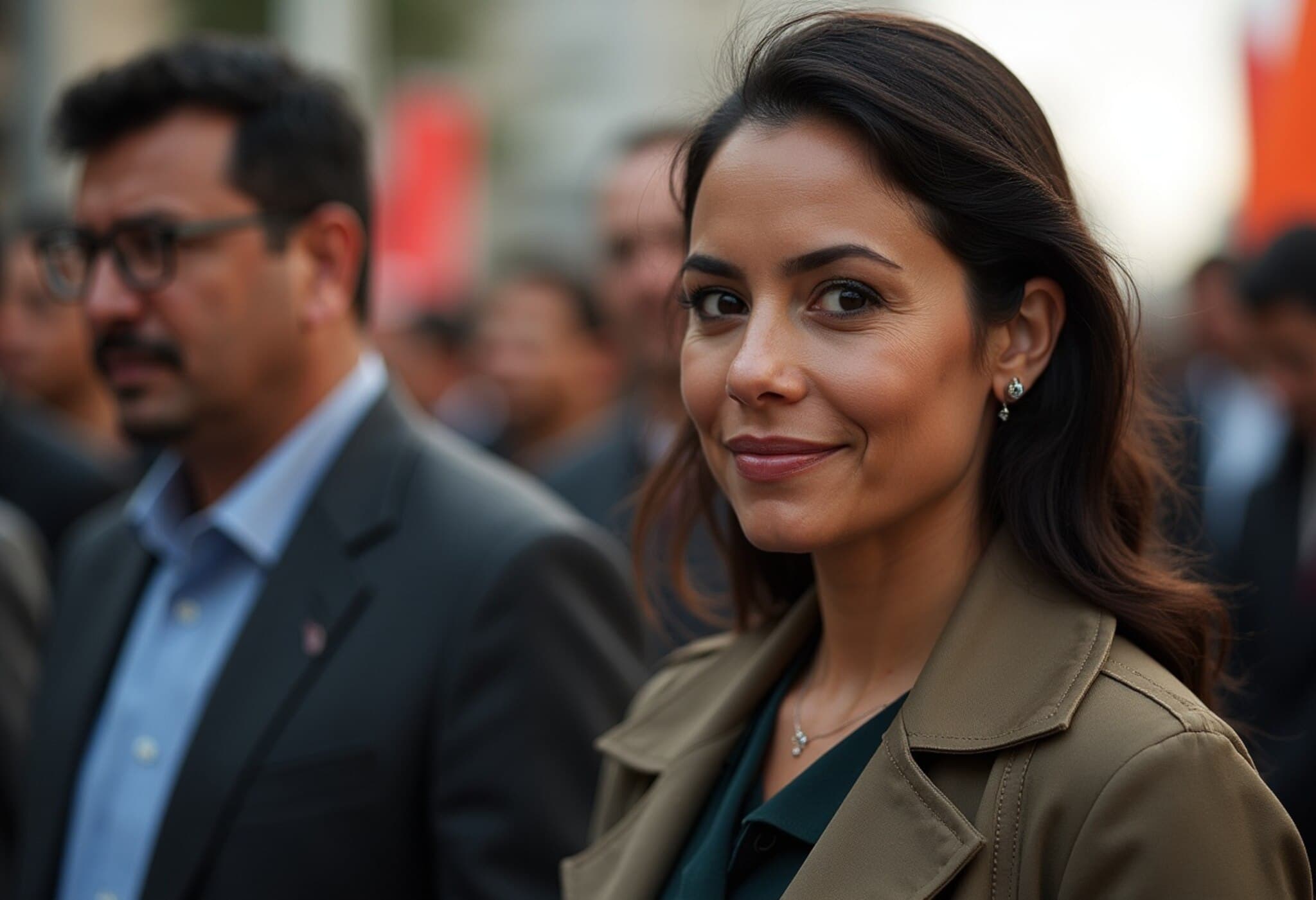
Rixi Moncada, a lawyer with previous experience as Honduras’s finance and defense minister, emerges as the candidate for the ruling leftist Libre Party. Although Libre secured a strong victory in 2021, the party has faced mounting frustration over unmet promises, especially regarding systemic corruption and governance reforms.
Nasry Asfura: The Former Mayor with a Trump Backing
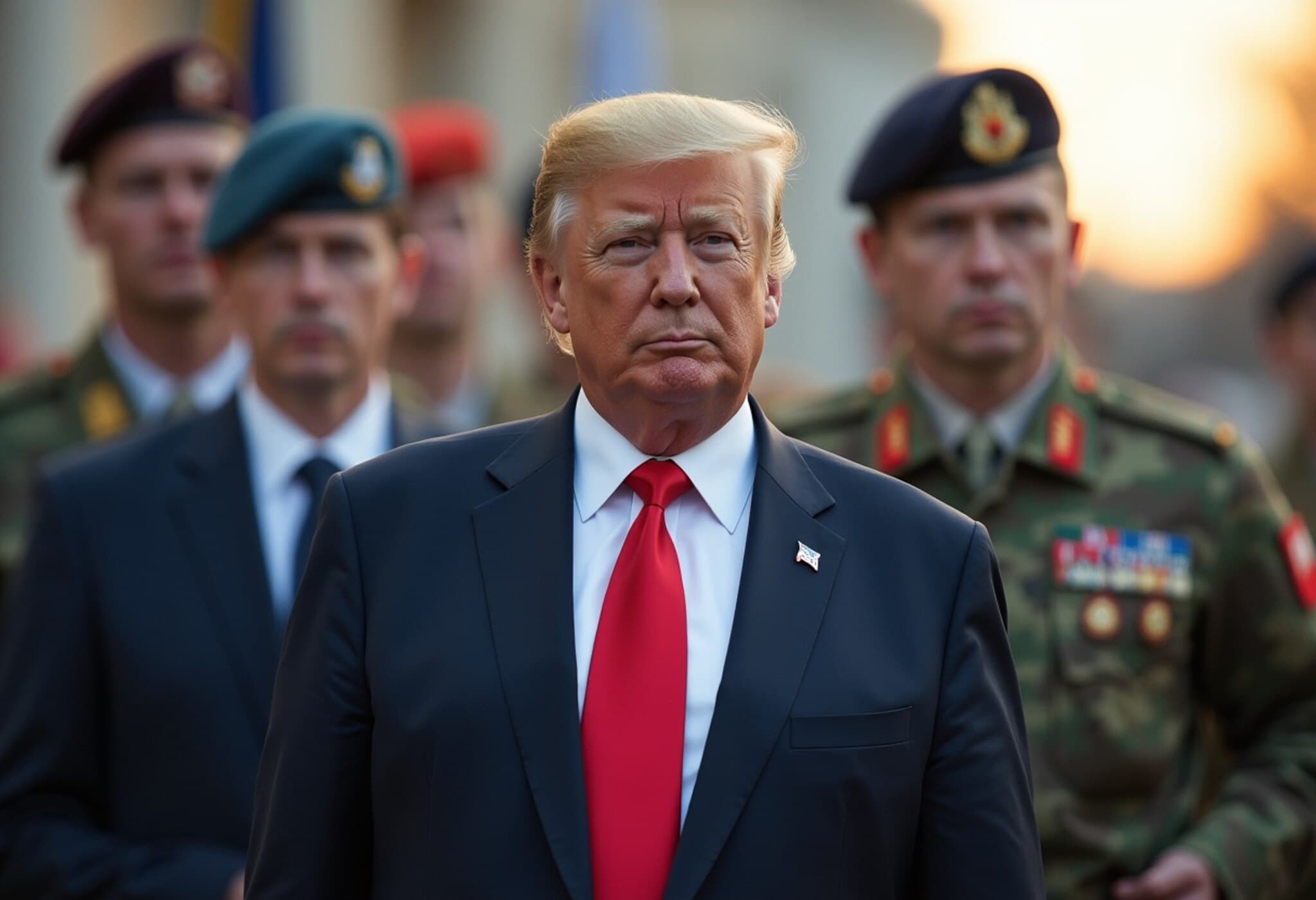
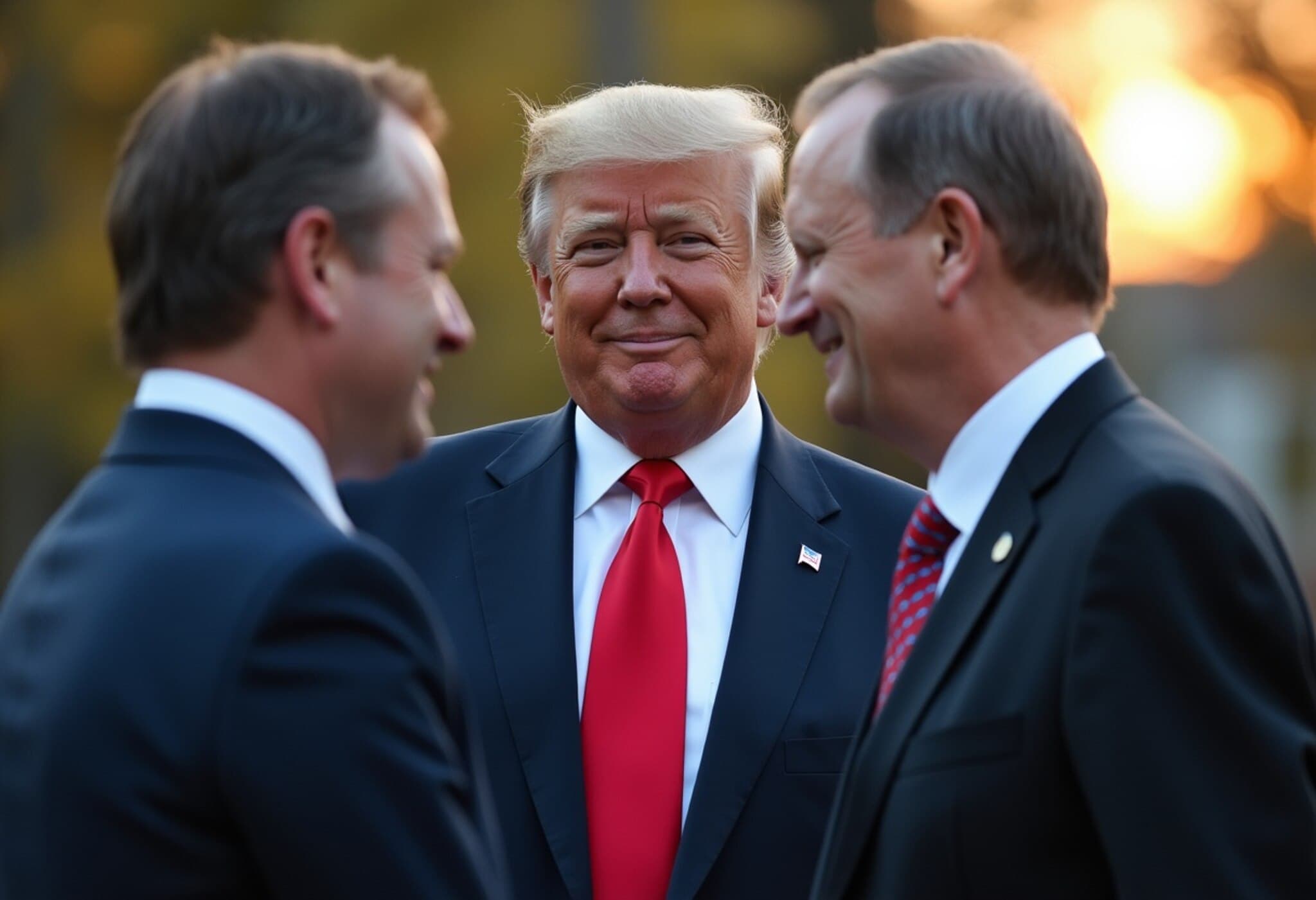
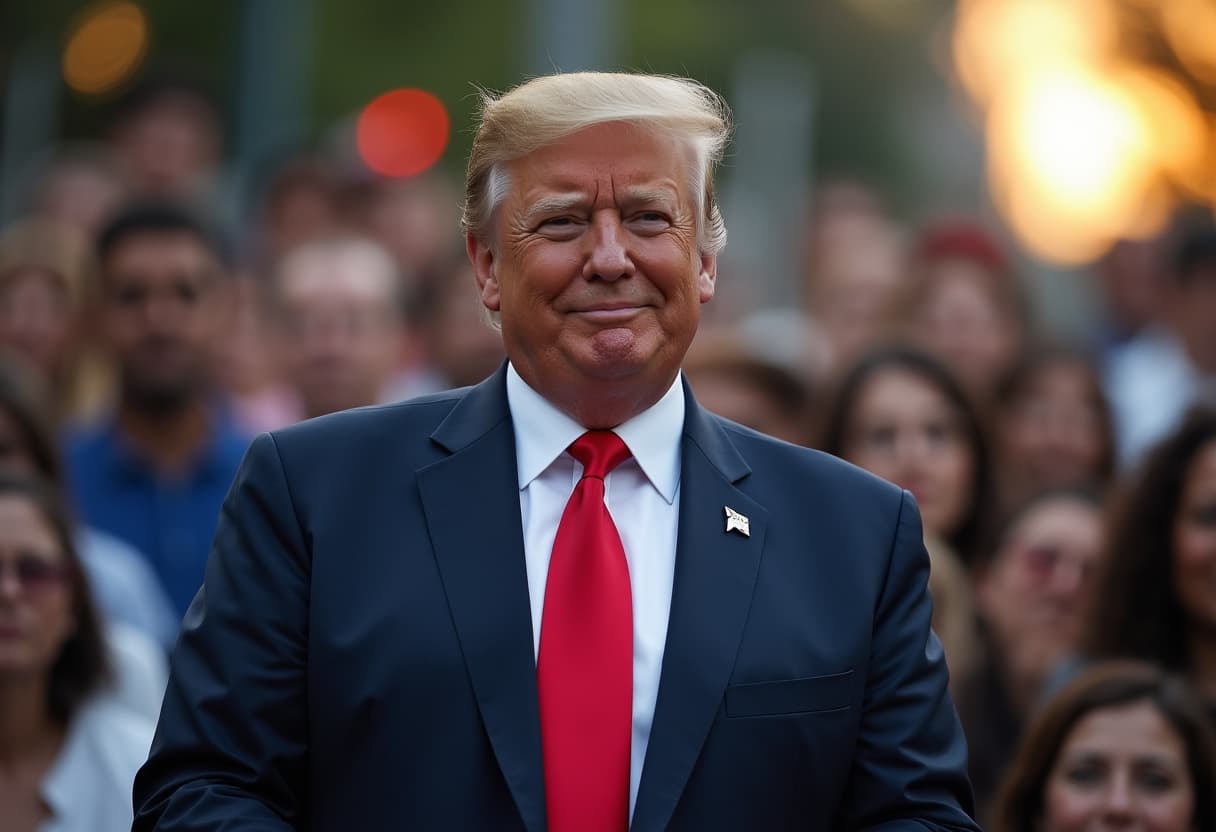
Nasry "Tito" Asfura, once the mayor of the capital city Tegucigalpa and a figure rooted in the conservative National Party, benefits from the endorsement of former U.S. President Donald Trump. Asfura campaigns on a platform warning of threats against Honduran democracy, accusing the current government of electoral manipulation.
Salvador Nasralla: The Populist Anti-Corruption Voice
Sportscaster-turned-politician Salvador Nasralla represents the right-wing Liberal Party. Running his fourth presidential campaign, Nasralla positions himself as the clearest alternative to the Castro administration, pledging to tackle corruption and criminal influences deeply entrenched in Honduras’s political fabric.
Political and Social Stakes: Beyond Party Lines
For many Hondurans, the challenges transcending party rhetoric are palpable: corruption, violent crime, economic hardship, and gang extortion dominate daily life. Despite some progress—a notable decline in the murder rate under President Xiomara Castro—the country still ranks among the most dangerous in Central America.
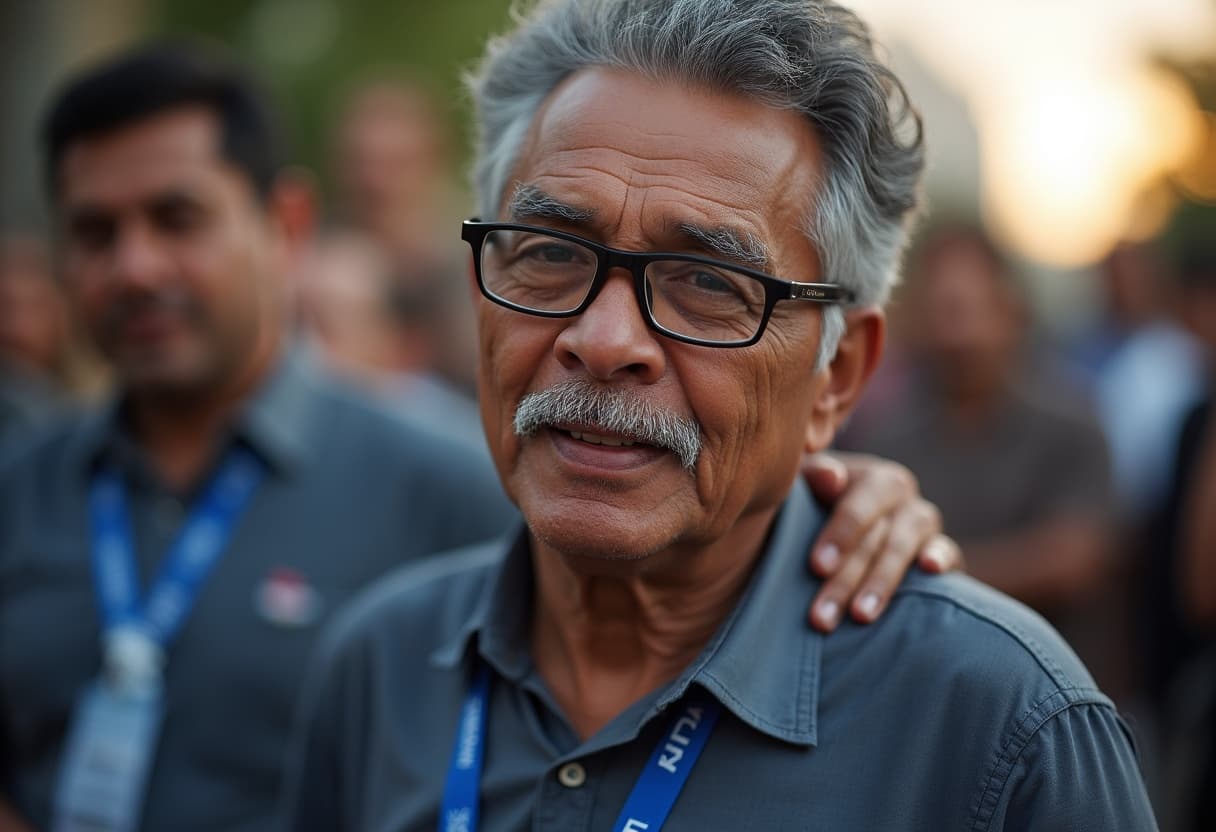
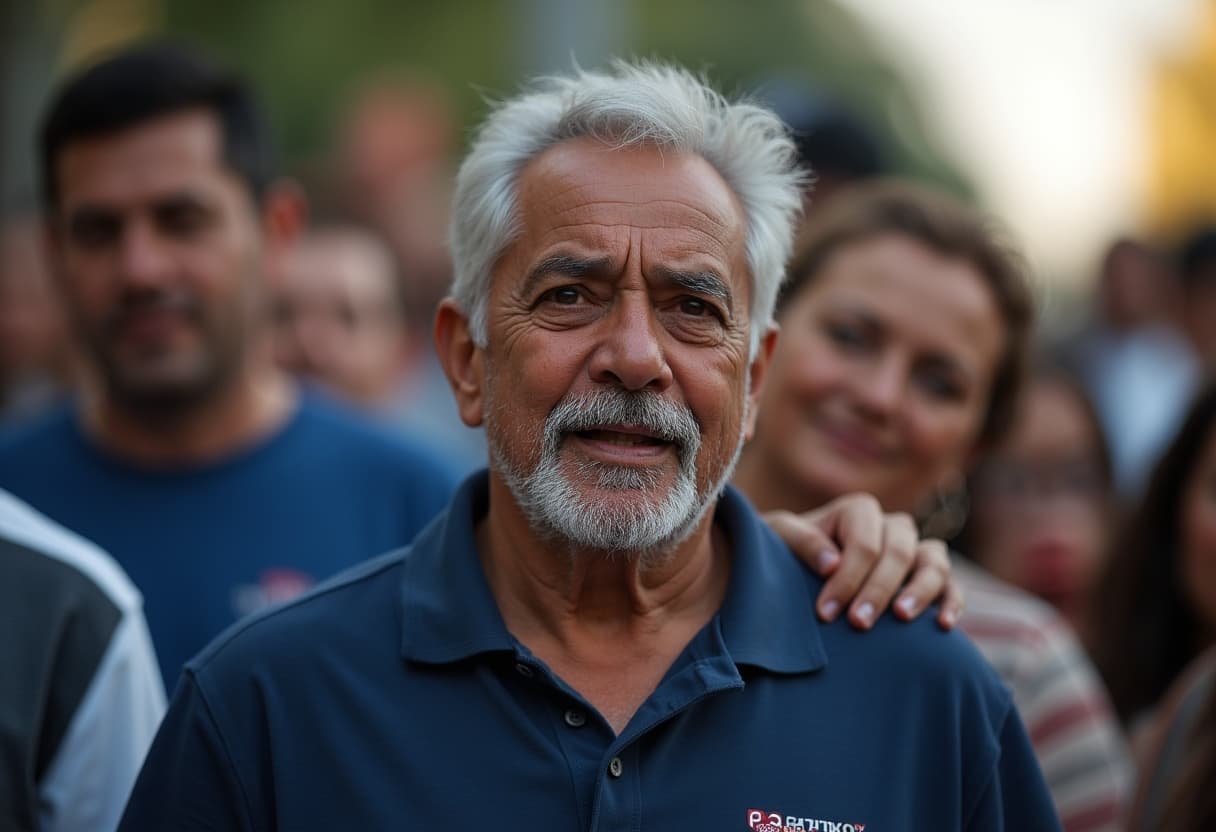
The rising cost of living, exacerbated by post-pandemic inflation and stagnating wages, fuels public discontent. Citizens like Anibal García express cynicism, saying, “According to the news, it seems they’re involved in the same thing as always, in corruption and narco-trafficking.”
The U.S. Factor: Geostrategic Interest and Influence
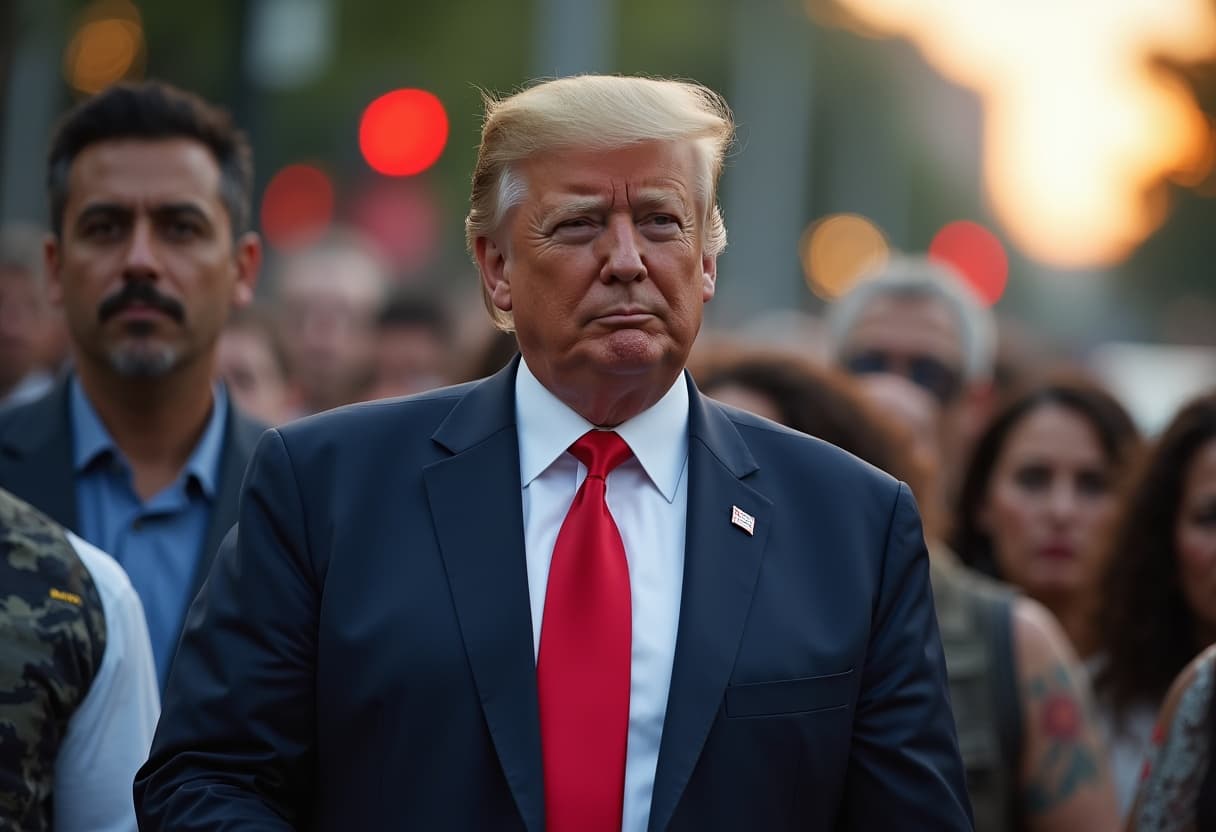
The U.S., under the influence of former President Trump, plays a pivotal role in shaping Honduras’s electoral narrative. Trump’s endorsements and warnings against the Libre Party—labeled disparagingly as "communists"—reflect a broader ideological stance aimed at curbing leftist influence in the Western Hemisphere.
- The Trump administration has rewarded governments aligned with its policies while warning against those perceived as antagonistic.
- Honduras’s cooperation on migrant deportations has been critical; nearly 30,000 Hondurans have been deported by mid-2025, a significant increase compared to prior years.
Notably, Libre’s initial resistance to cooperating with U.S. deportation plans gave way to pragmatism, illustrating the complex dance between sovereignty and external pressures.
Concerns Over Election Integrity and Potential Unrest
The shadow of 2017’s post-election violence, where protests led to military crackdowns and multiple deaths, looms large. This year, both right-wing candidates allege that the sitting party might exploit state mechanisms to cling to power, raising fears of potential fraud and instability.
Observing groups such as the European Union and Organization of American States have voiced apprehensions about the transparency of the electoral process. The U.S. Deputy Secretary of State, Christopher Landau, has pledged a firm response should any attempts be made to undermine the democratic process.
Election Day Precautions in Tegucigalpa
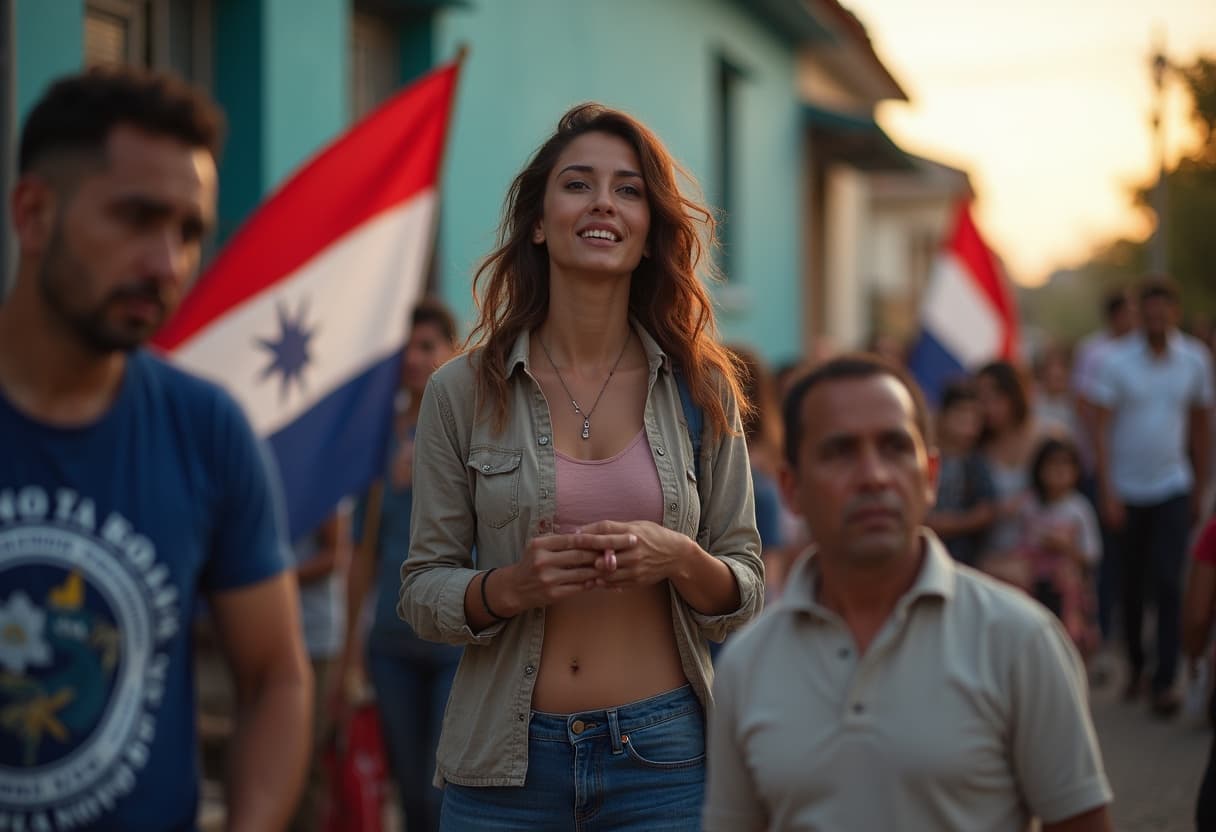
In the capital, signs of anxiety were evident: storefronts secured with boards, residents stockpiling essentials, and a general atmosphere of uncertainty. These measures reflect a population wary of the potential fallout from contested results, reminiscent of previous cycles of unrest.
Expert Analysis: What Lies Ahead for Honduras?
Political analyst Ana María Méndez Dardón of the Washington Office on Latin America emphasized that "instead of discussing their proposals for the country, the candidates have focused on attacking each other". This environment of polarization distracts from addressing the country’s urgent socioeconomic needs and risks deepening divisions.
Beyond the electoral contest, the broader question emerges: can Honduras find a path toward inclusive governance, strengthened institutions, and sustainable peace? The stakes are high, as the outcome will influence not only Honduras’s internal trajectory but also the stability of the region, given its proximity to the U.S. and role in migration flows.
Editor’s Note:
Honduras’s 2025 election is more than a contest between candidates; it is a reflection of the country’s struggle against corruption, crime, and external geopolitical pressures. Voters face not just a choice of leaders but a choice about the future direction—whether toward reform and stability or toward renewed conflict and uncertainty. Observers should watch closely how electoral tensions unfold and what steps are taken to uphold democratic integrity in the face of mounting challenges.