
Trump's Late Endorsement Shapes Honduran Electoral Landscape
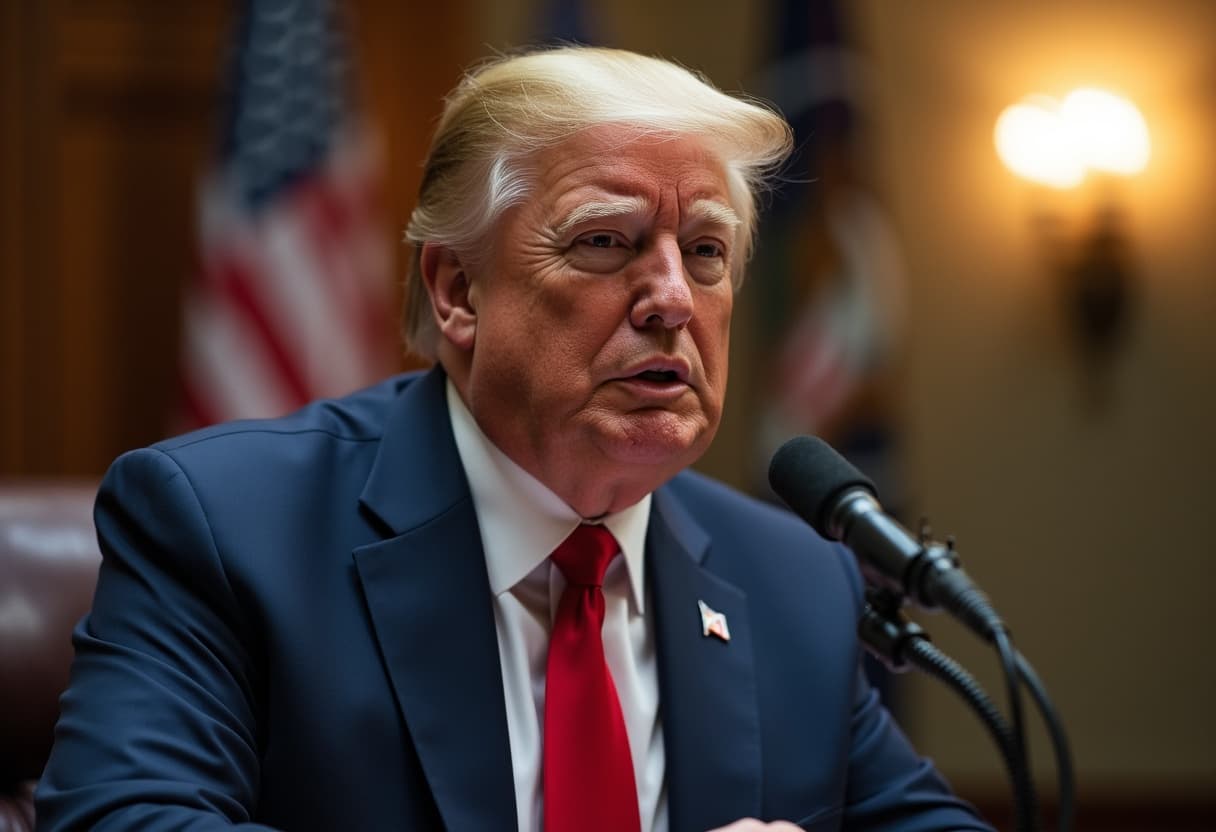
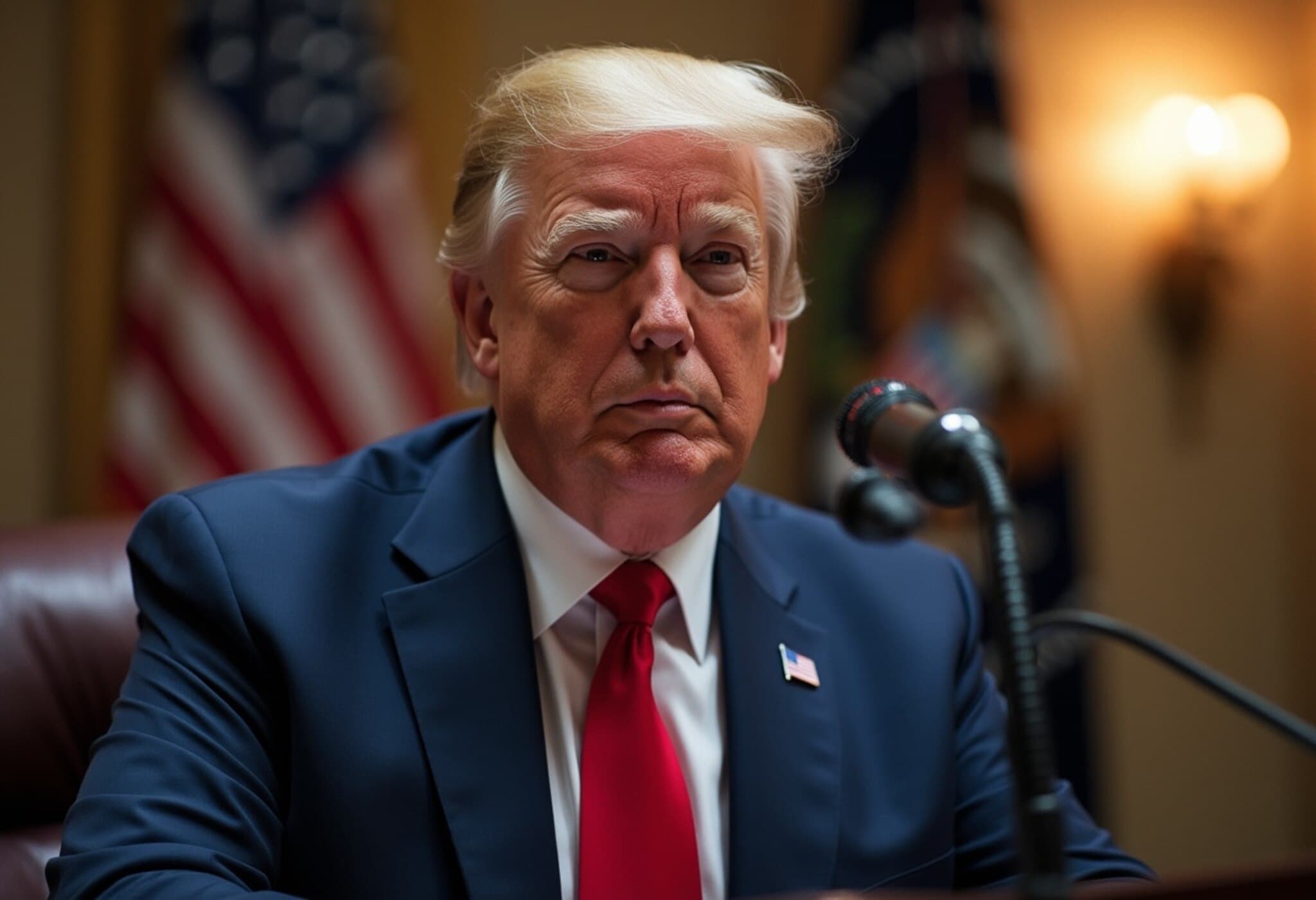
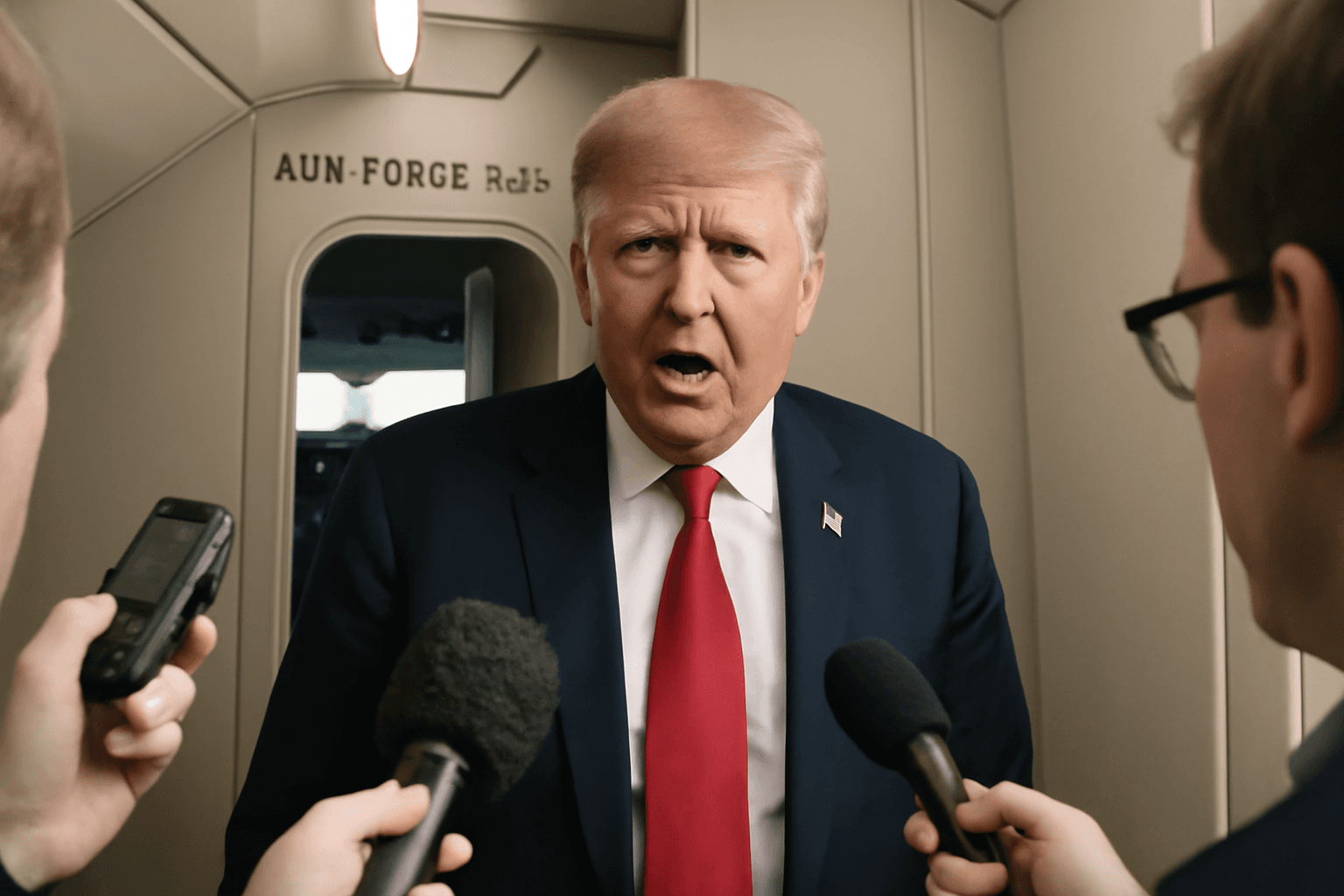
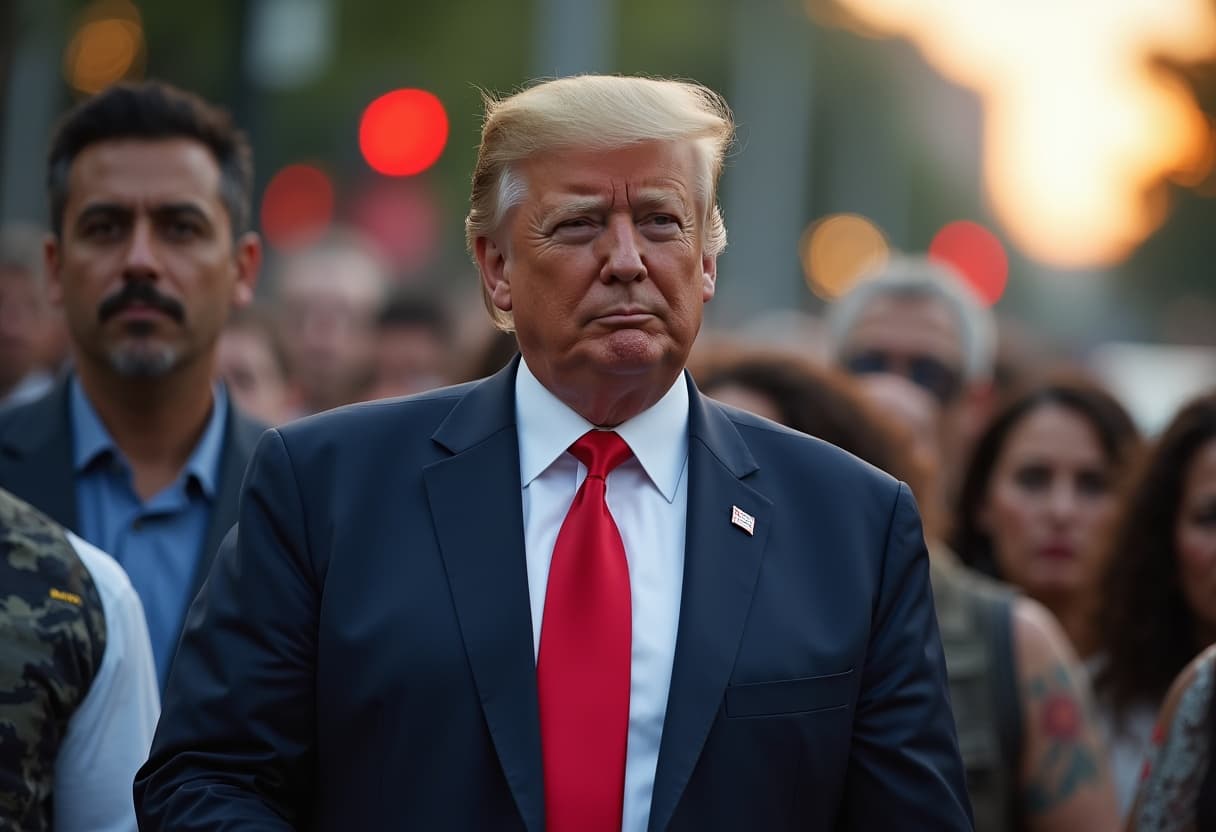
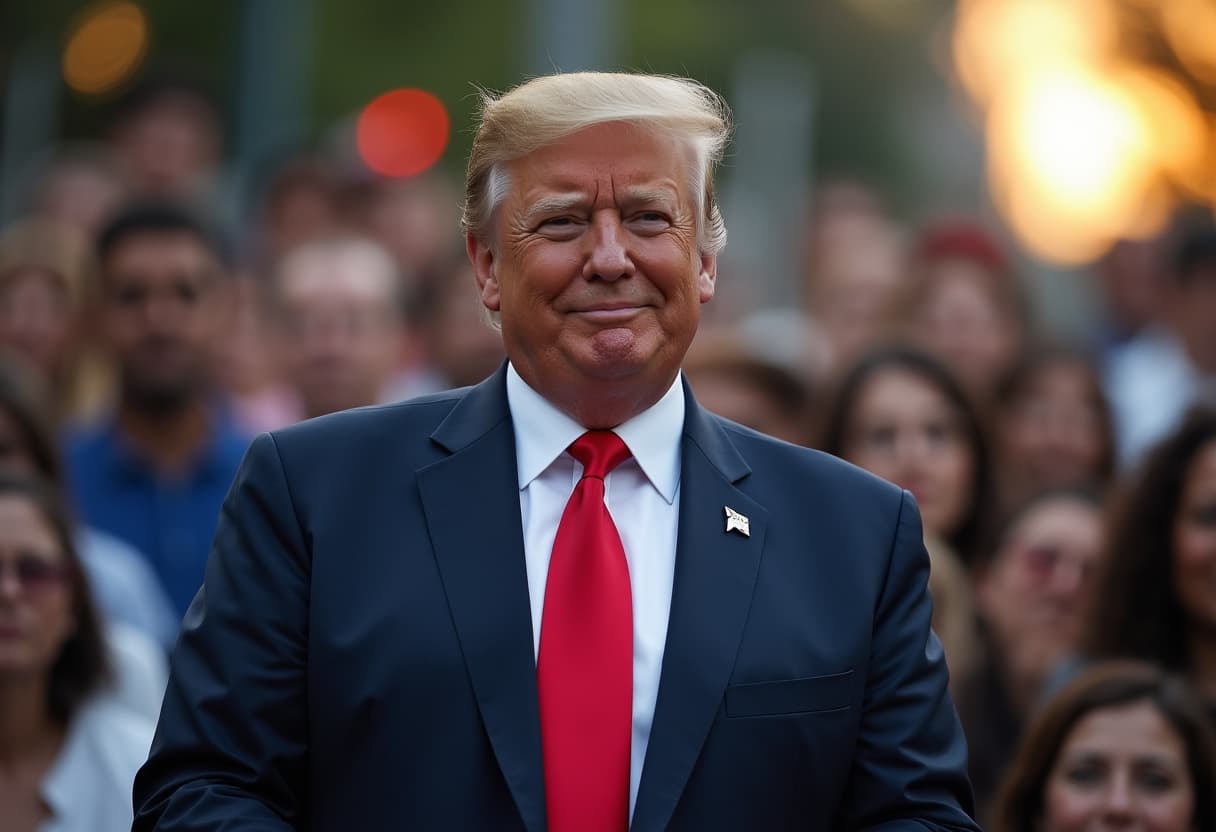
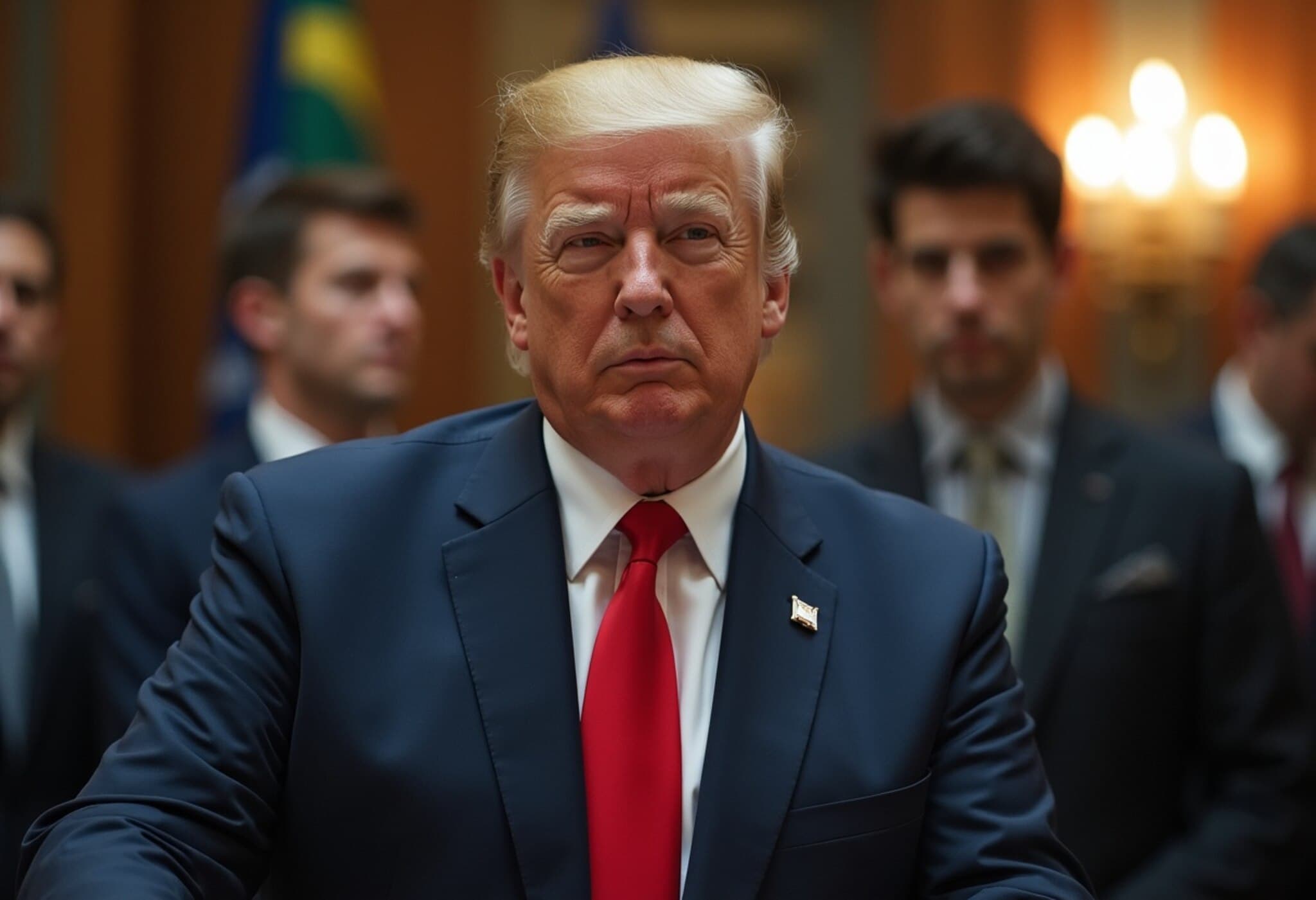
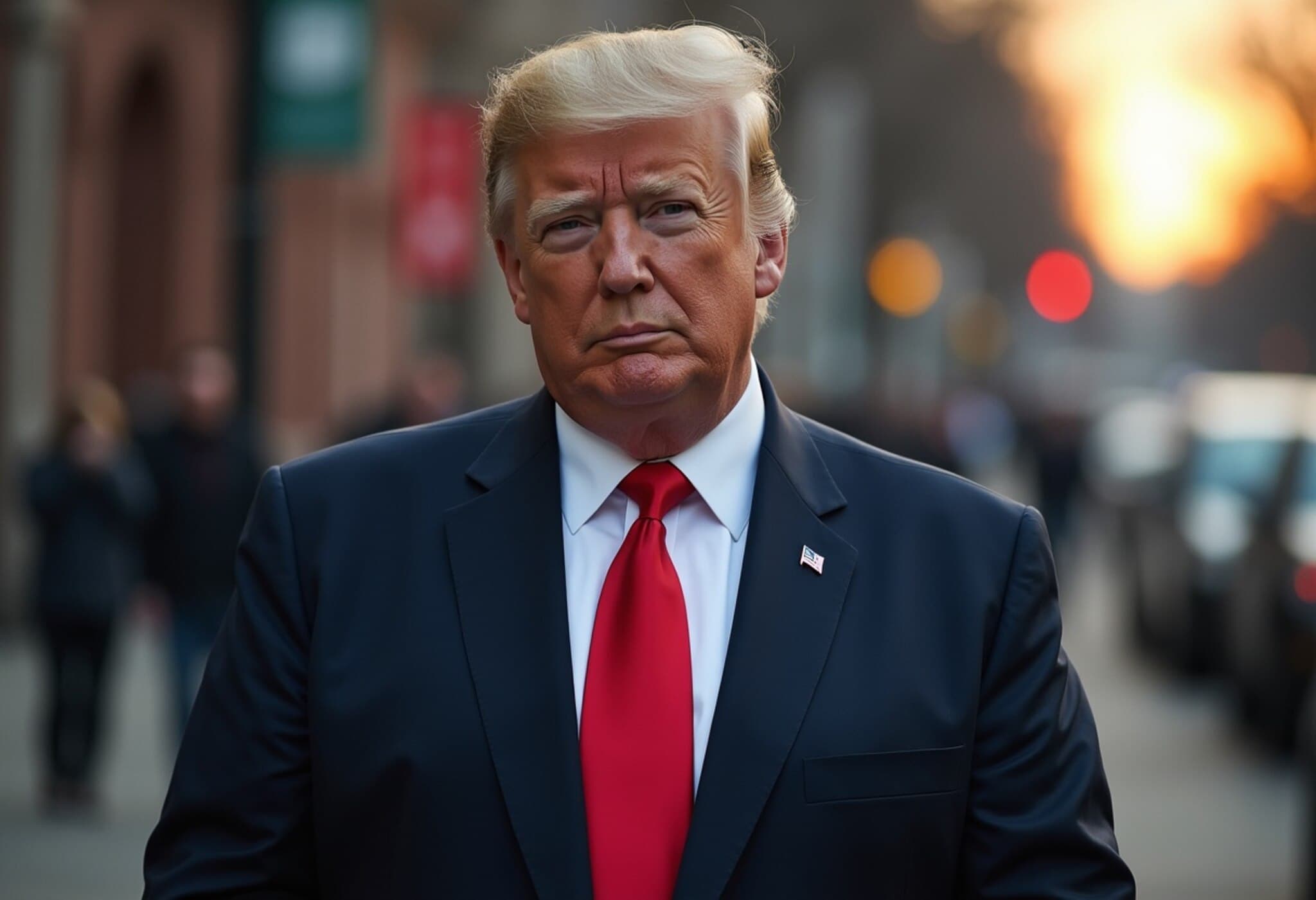
In the tense lead-up to Honduras's November 30, 2025 general election, former U.S. President Donald Trump took an unexpected and decisive stance by publicly endorsing Salvador Nasralla, a right-wing candidate pushed aside by many as a long shot against the ruling left-wing leadership. This endorsement, arriving just days before polls closed, sent ripples across the Central American nation, influencing voter sentiment in surprising ways.
A Veteran Voter’s Perspective: The Power of Trump’s Voice
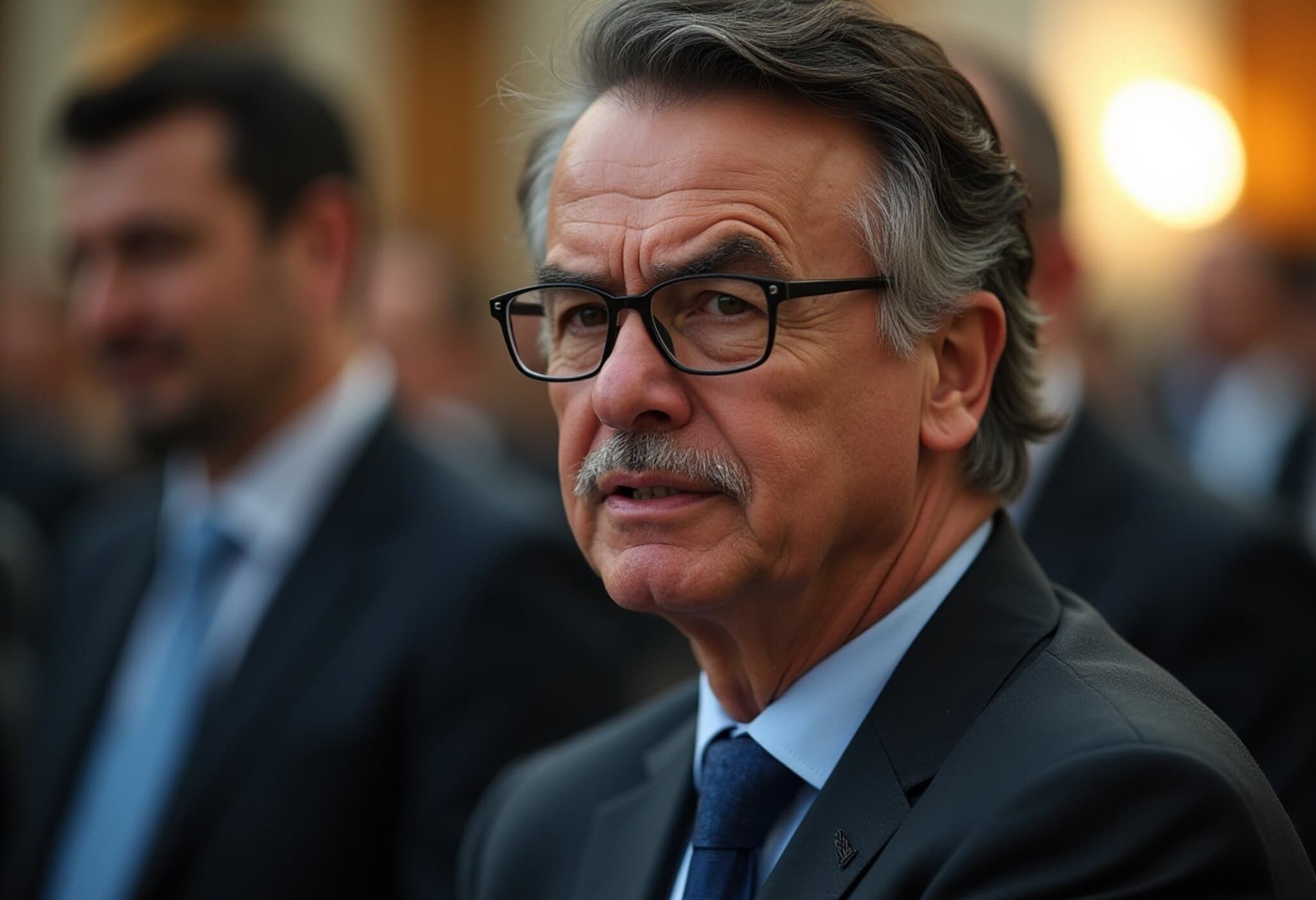
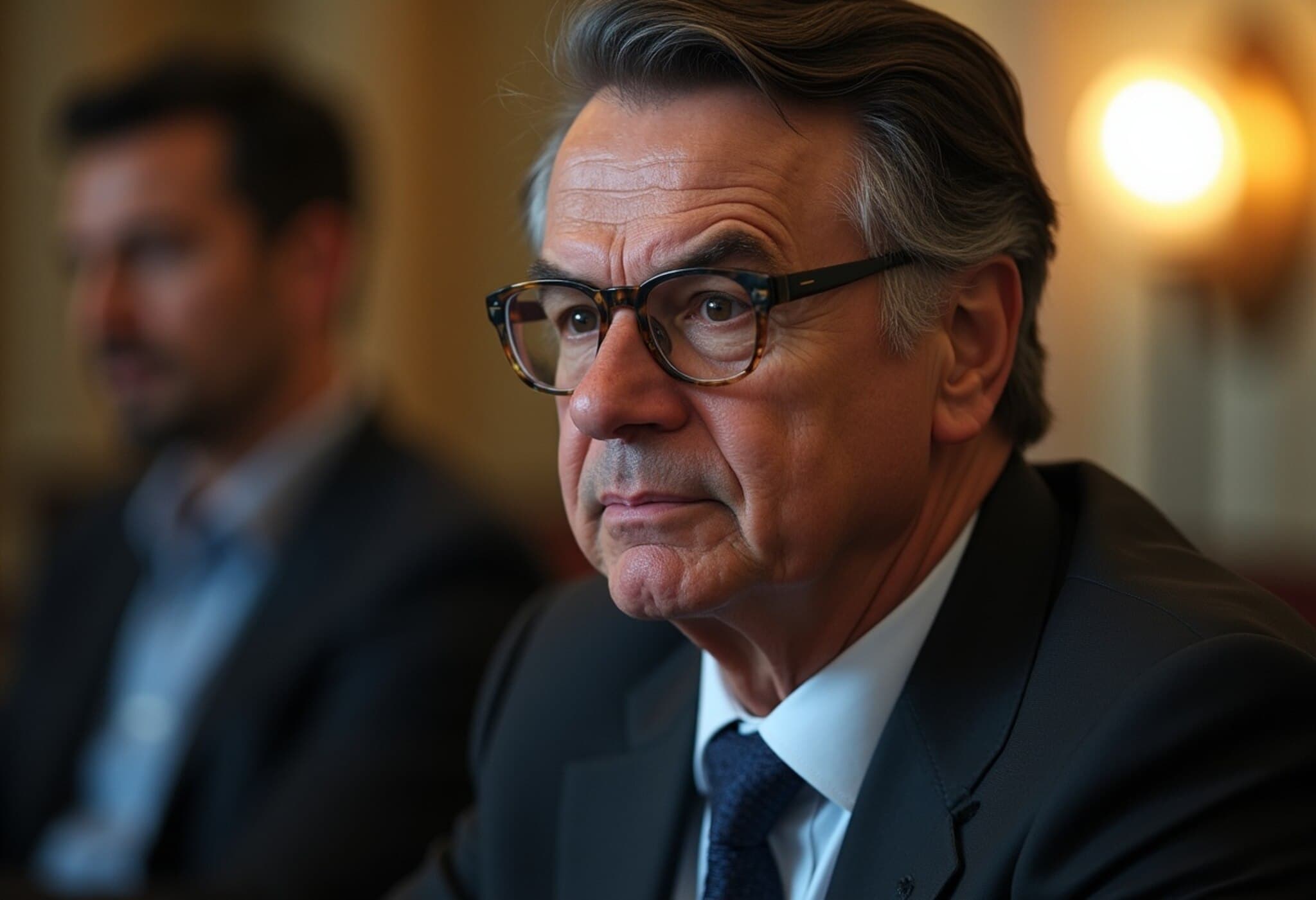
José Ignacio Cerrato López, a 62-year-old retired soldier from Tegucigalpa, had initially intended to support Nasralla, expressing a hope to see the governing party replaced. However, upon hearing Trump’s unequivocal backing of Nasry Asfura, also from the right-wing National Party, and his stark warning that alternatives would hinder U.S.-Honduras relations, Cerrato López reassessed his choice. “Trump said things would worsen if his candidate lost,” he reflected, ultimately switching his vote to Asfura.
This shift underscores how external political influence—specifically from a former U.S. president known for his hardline immigration and drug policies—can resonate deeply in a country intricately tied to American geopolitics. For many Hondurans, Trump is not just a foreign figure but a symbol of potential stability or disruption, particularly in matters of cross-border migration and trade.
The Complex Legacy of Juan Orlando Hernández
Adding layers to the electoral debate, Trump’s public condemnation of former Honduran President Juan Orlando Hernández—accusing him of facilitating cocaine trafficking into the United States—has polarized opinion. Hernández, affiliated with the same party as Asfura, remains a controversial yet influential figure. For voters like Cerrato López, beliefs about Hernández’s ties to the military and security forces contribute to nuanced perspectives on law, order, and corruption in Honduras.
Expert Insight: U.S. Influence and Honduran Sovereignty
Political analysts highlight that Trump’s intervention illustrates the complex interplay between U.S. politics and Latin American democracies. Honduras, grappling with economic challenges and a historically fraught relationship with its northern neighbor, often finds its electoral decisions shaded by anticipated policy shifts emanating from Washington.
Dr. Emily Marquez, a Central American politics specialist at Georgetown University, notes, “While foreign endorsements can boost candidates in the short term, they risk eroding national sovereignty and fomenting internal divisions. The Honduran electorate is weighing these external signals carefully amidst long-standing concerns over governance and security.”
Broader Implications: Immigration, Security, and Economic Ties
The Trump administration’s focus on immigration control and narcotics enforcement plays a pivotal role in shaping Honduran voter attitudes. Many residents fear that a government unfriendly to U.S. priorities could jeopardize vital aid programs and collaborative efforts, impacting everything from local economies to migration management.
- Immigration ties: Honduras is both a source and transit country for migrants seeking entry into the U.S.; policy changes can alter migratory flows.
- Economic dependencies: Remittances from Hondurans in the U.S. constitute a significant portion of the national economy.
- Security cooperation: Combating drug trafficking involves close involvement between U.S. and Honduran agencies.
Underreported Questions: Democratic Integrity and Voter Autonomy
This episode raises provocative questions seldom highlighted in mainstream coverage: To what extent should foreign leaders' endorsements influence sovereign elections? How do voters reconcile external pressures with domestic priorities? And critically, how might such influence affect perceptions of electoral legitimacy within Honduras?
A Citizen's Dilemma
For many Hondurans like Cerrato López, the choice is entangled with fears for their country’s stability and future prosperity. Yet others view foreign political meddling with suspicion, wary of diminishing Honduras’s democratic agency.
Editor’s Note
The 2025 Honduran election serves as a compelling case study on how international political forces intersect with local dynamics, particularly in countries deeply linked to U.S. policies. It challenges readers and policymakers alike to consider the ethical balance between diplomatic influence and respect for self-determination in fragile democracies. As the world watches Honduras’s electoral outcome, the broader implications for U.S.-Latin America relations—and the lived realities of millions—remain critically important.