Cabaceiras: Brazil’s Own Hollywood Amidst Drought and Dreams
Far from the glitz and glamour of Los Angeles, tucked deep within Brazil’s arid northeast, lies Cabaceiras — a modest town that has earned the nickname "Roliúde," a playful Portuguese twist on Hollywood. With a population of just over 5,000, this dusty settlement has quietly become a filmmaking hotbed, boasting over 50 films and television productions shot within its sunbaked horizons since 1929.
A Local Stage for National Stories
Walking through Cabaceiras, one is greeted by unmistakable signs of its cinematic identity: a towering "Roliúde" sign etched across parched hills, a whimsical oversized clapboard, and sidewalks adorned with golden stars reminiscent of Hollywood’s Walk of Fame. Even everyday establishments—be it the butcher, gas station, or local pizzerias—embrace this cultural branding, bridging community pride with showbiz allure.
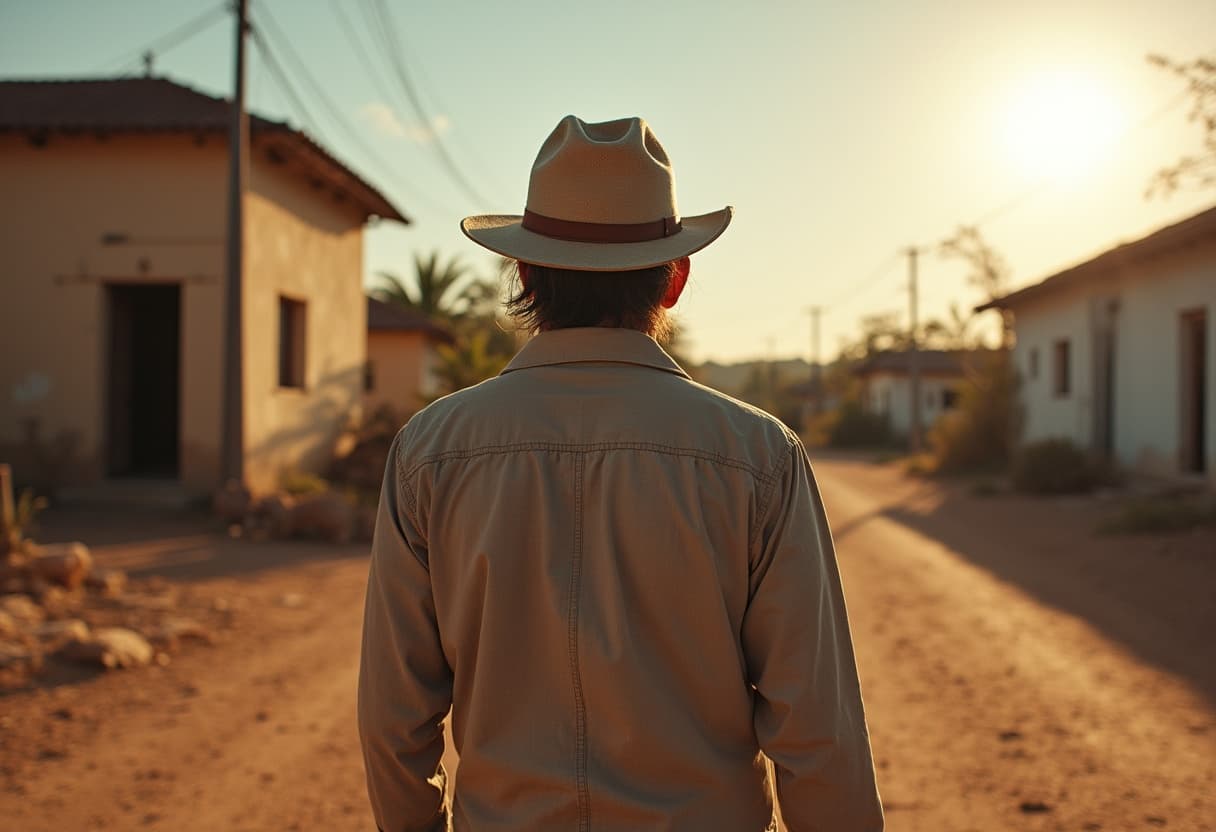
The town's allure is deeply intertwined with its unique environment. Known as Brazil's driest community, its relentless sun and scarce rainfall might challenge daily life, but serve as a director's dream for uninterrupted filming under pristine blue skies and stark, dramatic landscapes. This combination offers authenticity and cinematic beauty difficult to replicate elsewhere.
Actors Born From the Land
Far from Hollywood’s polished sets, Cabaceiras' talent pool is a tapestry of locals who embody the art of performance in everyday life. From a rugged rancher who doubles as a screen outlaw to a grandmother making her 71-year-old silver-screen debut, these characters bring stories to life with a natural ease honed by a lifetime in their environment.
“We can do it all — you tell us to laugh, we laugh. You tell us to cry, we cry,” said Maria Edite Santos França, a community matriarch turned screen presence.
For many, acting is not merely an income source. It is a profound expression of cultural identity and artistic voice. As Aline Soares, a local cook and aspiring actress, says, "It’s about art. It’s about our identity."
The Economic Ripple Effect
Film production has injected vitality into Cabaceiras' economy. Local actors, properties, and livestock are rented, with even silent roles paying significantly more than Brazil's monthly minimum wage. For example, a line in a film can fetch nearly $300, while renting a horse might bring in close to $40 for the day. This influx of capital supports families, sustains small businesses, and creates new economic opportunities.
Challenges: Climate Change and Technological Disruption
Despite its recent success, Cabaceiras faces significant headwinds. Its most precious resource—water—is increasingly scarce due to prolonged droughts exacerbated by climate change. This scarcity not only impacts residents’ lives but also places limitations on filming schedules and local industry growth.
Add to this mix, the rapid rise of digital technologies such as artificial intelligence and virtual production, which allow studios to recreate exotic locations without leaving their city studios. Such trends threaten to reduce physical on-site productions in places like Cabaceiras, evidenced recently when a major sequel was filmed entirely in a Rio de Janeiro studio rather than on location.
Looking Ahead: Resilience and Reinvention
Despite these obstacles, the people of Cabaceiras remain undeterred. Local director Nivaldo Rodrigues spearheads workshops to nurture indigenous talent, aiming to transform the town from a mere backdrop into a thriving creative community. Meanwhile, tourism linked to the town’s Hollywood aura is growing, with locals like rancher Amilton de Farias Cunha pivoting from agriculture to hospitality, capitalizing on interest in movie set tours.
- Community-led actor training initiatives are underway, nurturing local skills.
- Tourism tied to film history offers promising new income streams.
- Investment in water security, like deep wells, aims to sustain growth.
Yet balancing ecological sustainability with economic development remains paramount. The town’s survival—and its cultural aspirations—hinge on confronting drought impacts while carving a niche within an evolving entertainment landscape.
Expert Insights: A Microcosm of Global Trends
Cabaceiras mirrors broader challenges confronting rural creative hubs worldwide. As climate volatility disrupts traditional industries, communities are reinventing themselves by leveraging cultural heritage and creative economies. At the same time, the rise of remote digital production prompts important questions about the future of location-based filming and the preservation of tangible cultural landscapes.
For policymakers, Cabaceiras highlights the urgent need to invest in sustainable infrastructure, particularly water management, alongside cultural and economic development programs that protect vulnerable communities while fostering local creativity.
Conclusion: The Show Must Go On
In the face of droughts and digital disruption, Cabaceiras continues to wear its title as Brazil’s Hollywood with pride. It is a community that blends tradition and modernity, survival and creativity — showing us that even in the harshest conditions, hope and storytelling endure.
Editor’s Note
Cabaceiras’ story invites deeper reflection: How can small creative towns adapt to environmental challenges while retaining their unique identity? In an era of rapid technological change, what value do physical locations hold for storytelling and culture? As climate stress intensifies globally, Cabaceiras stands as a poignant example of resilience and reinvention at the intersection of art, economy, and ecology.