The Rebel President Taking on Donald Trump
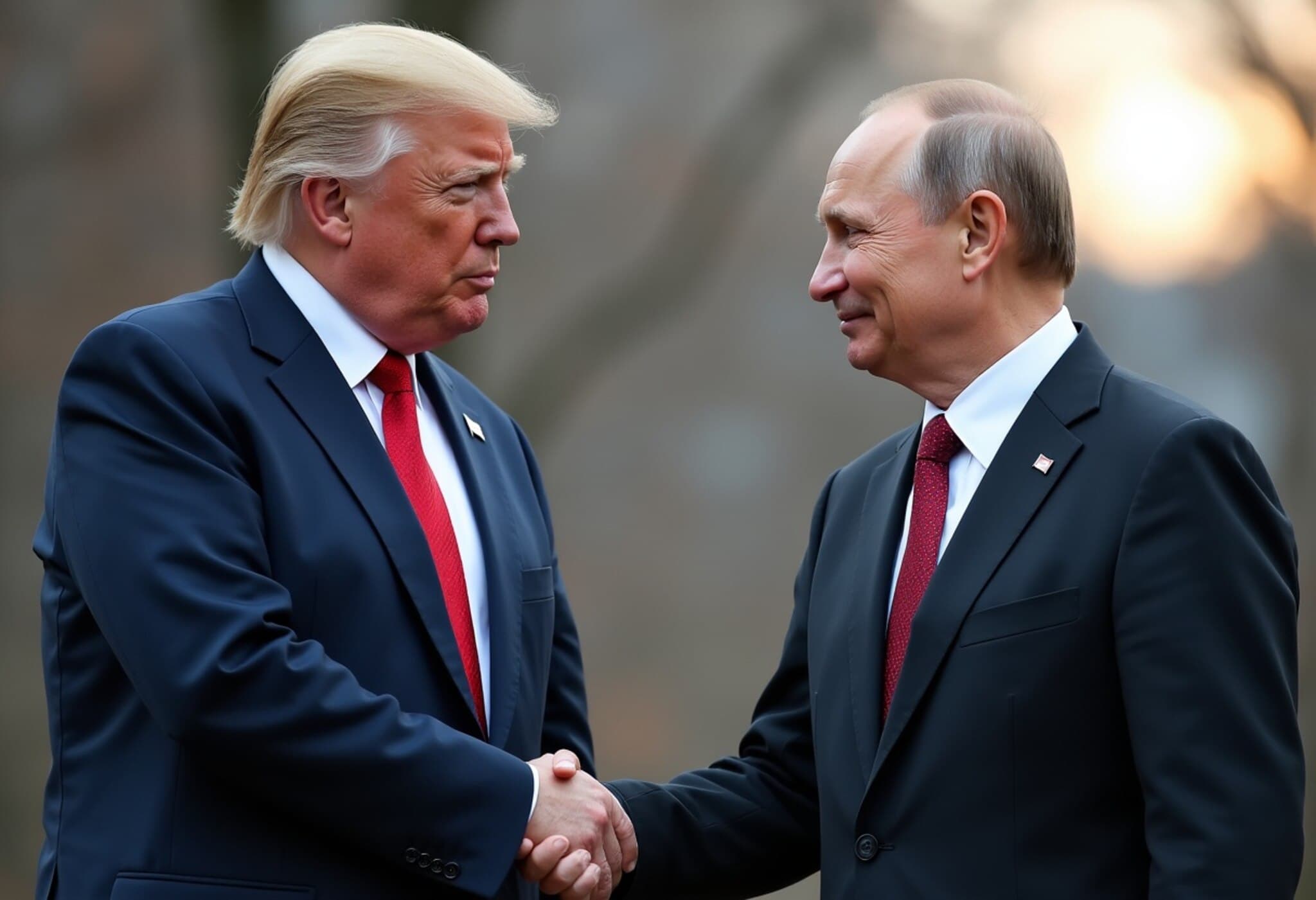
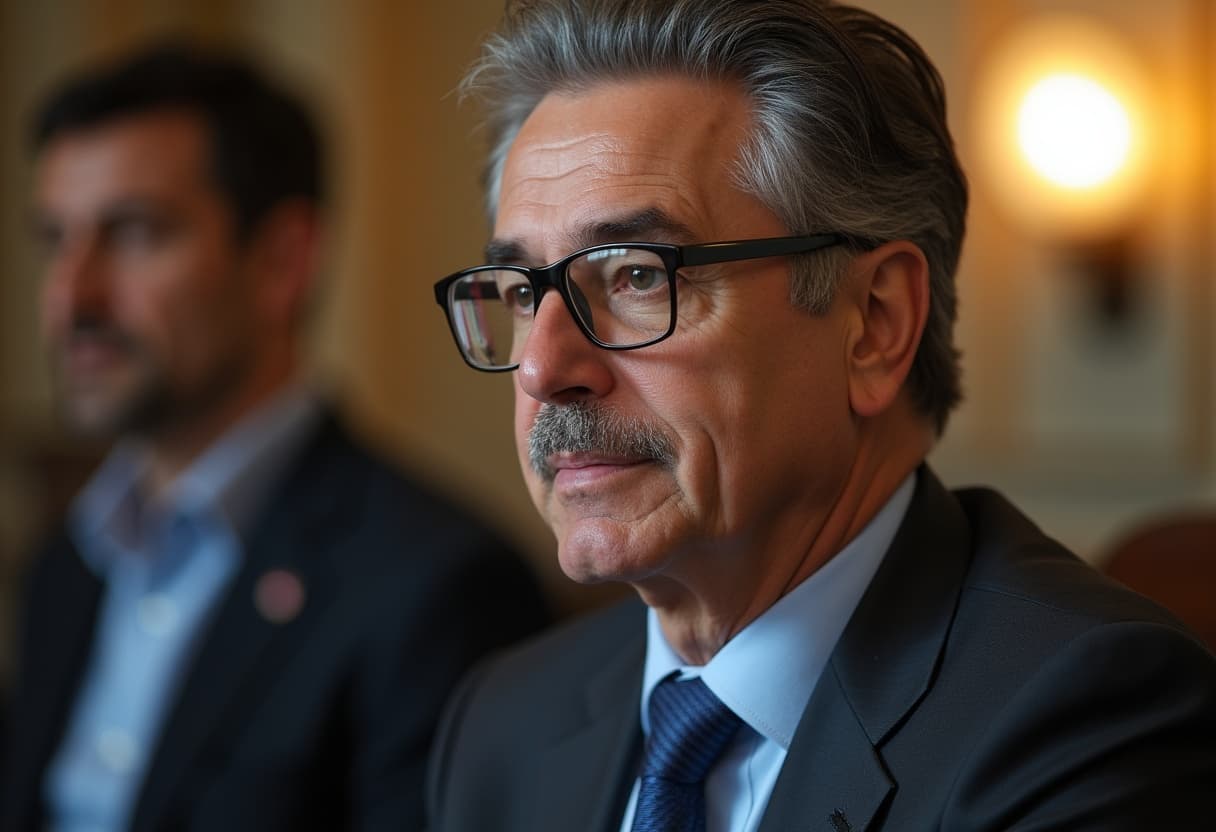
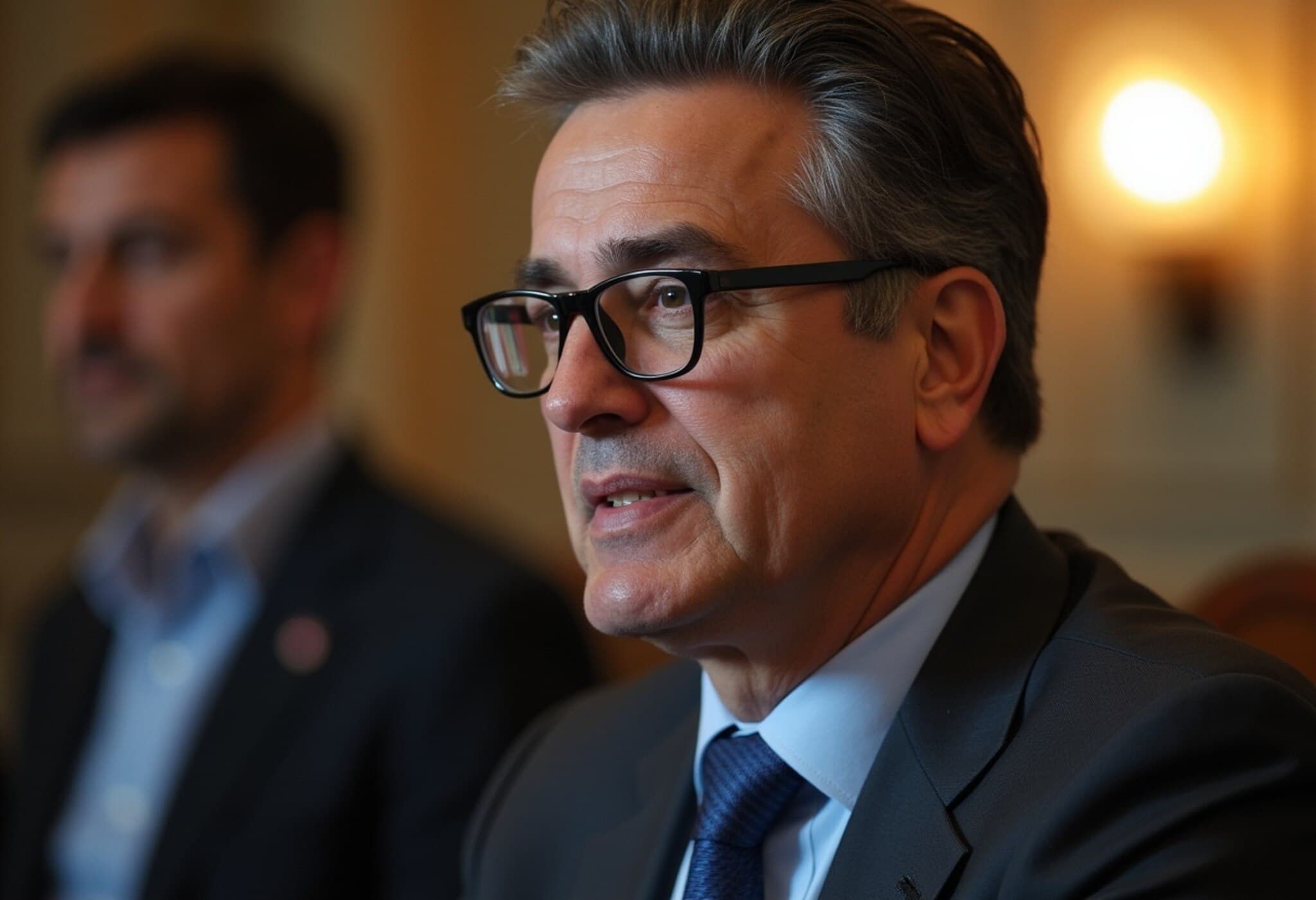
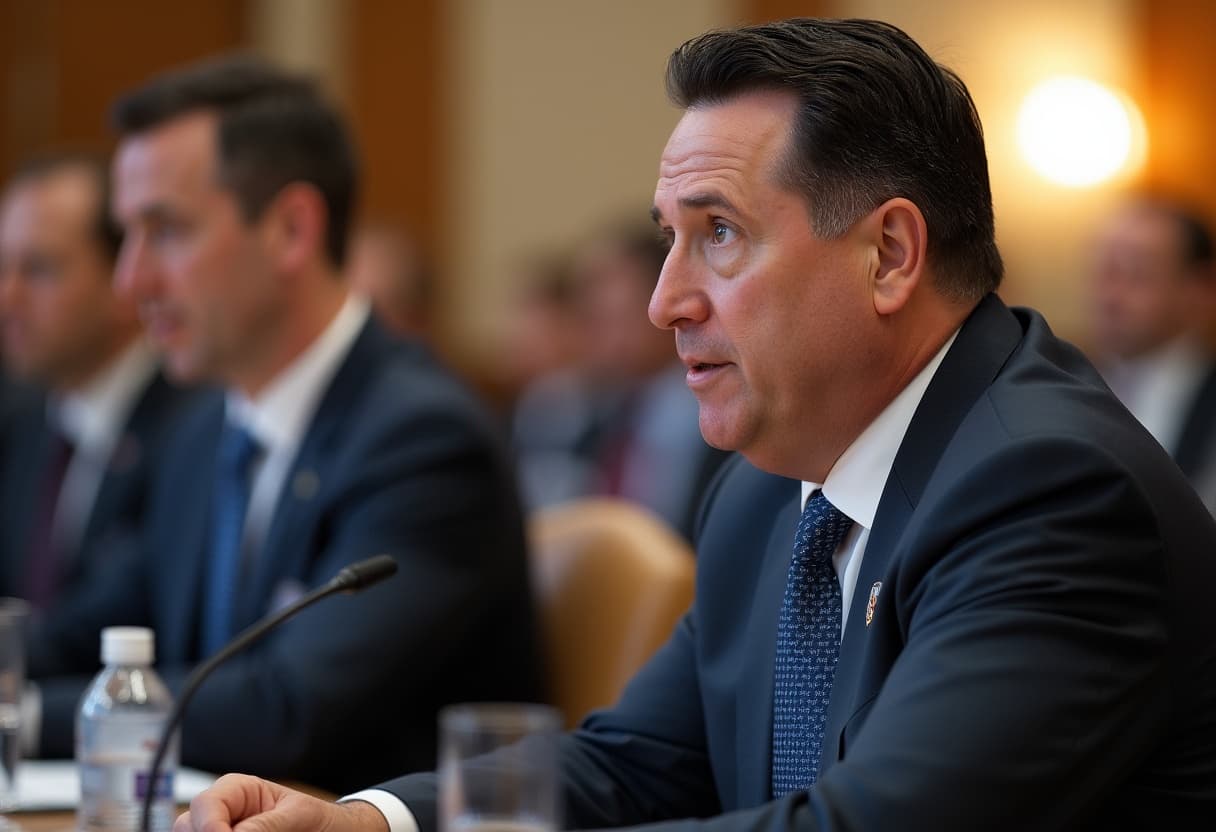
Colombia's President Gustavo Petro, once a guerrilla fighter, has never shied away from controversy. Now, his bold stance against former U.S. President Donald Trump has ignited diplomatic tensions with Washington and intensified political challenges at home.
From Rebel Roots to Presidential Confrontations
Gustavo Petro's political journey is as unconventional as it is compelling. Beginning as a member of the M-19 guerrilla group, Petro transitioned from armed struggle to high-stakes politics, ultimately becoming Colombia’s first leftist president in 2022. His life has been defined by a fierce commitment to fighting inequality and corruption — traits that have underpinned both his rise and his confrontational leadership style.
Clash with Trump: A Defiant Stand
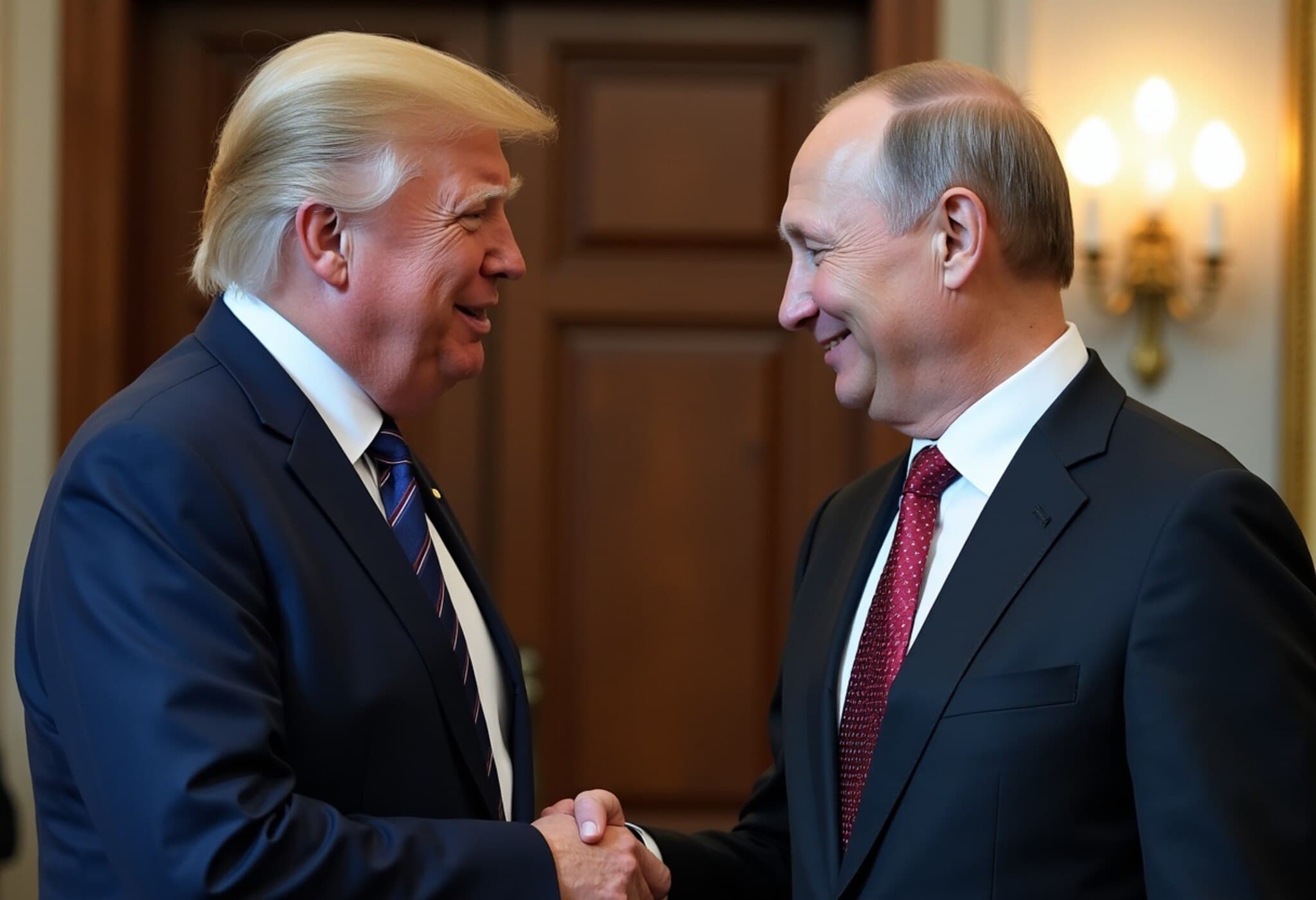
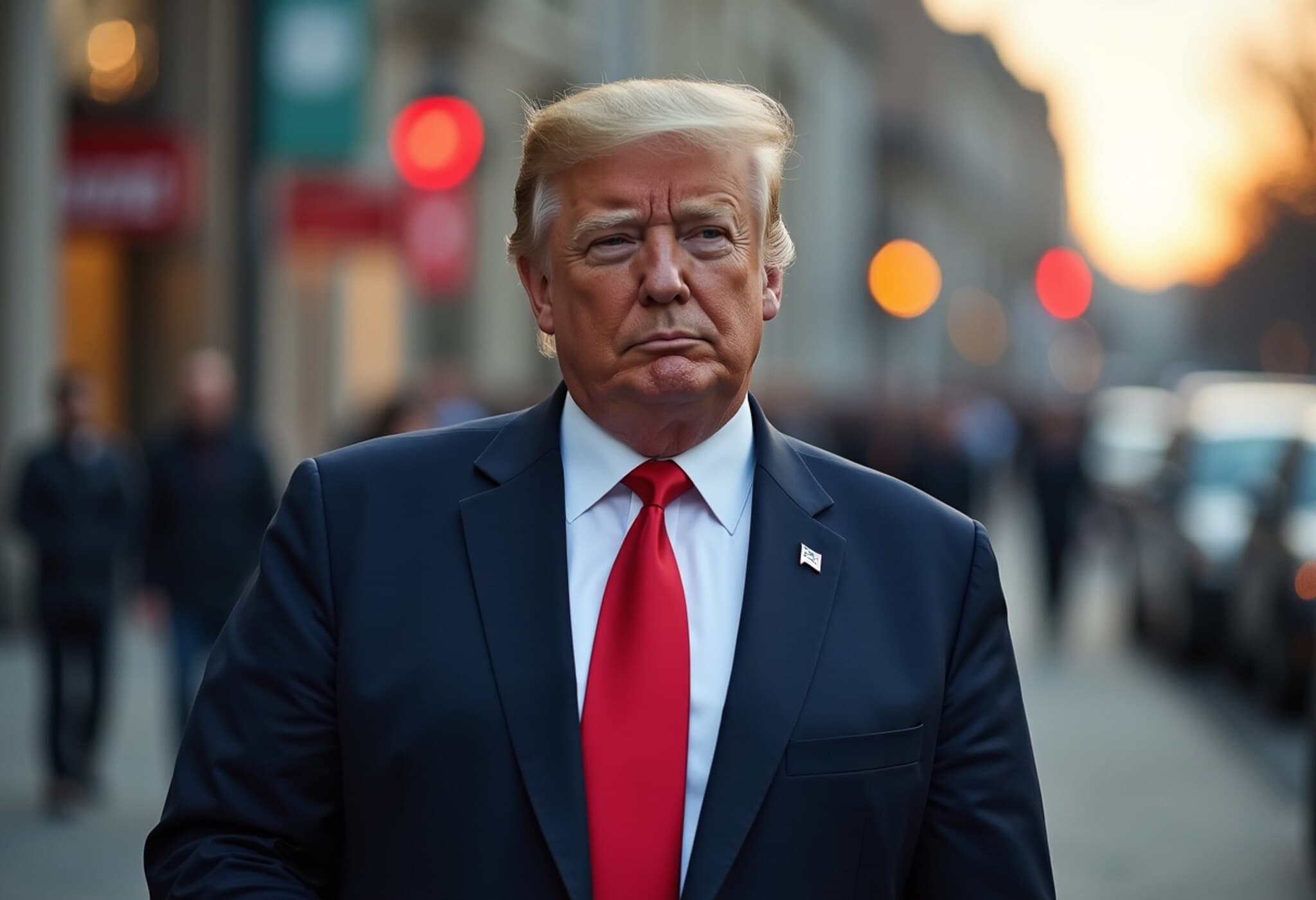
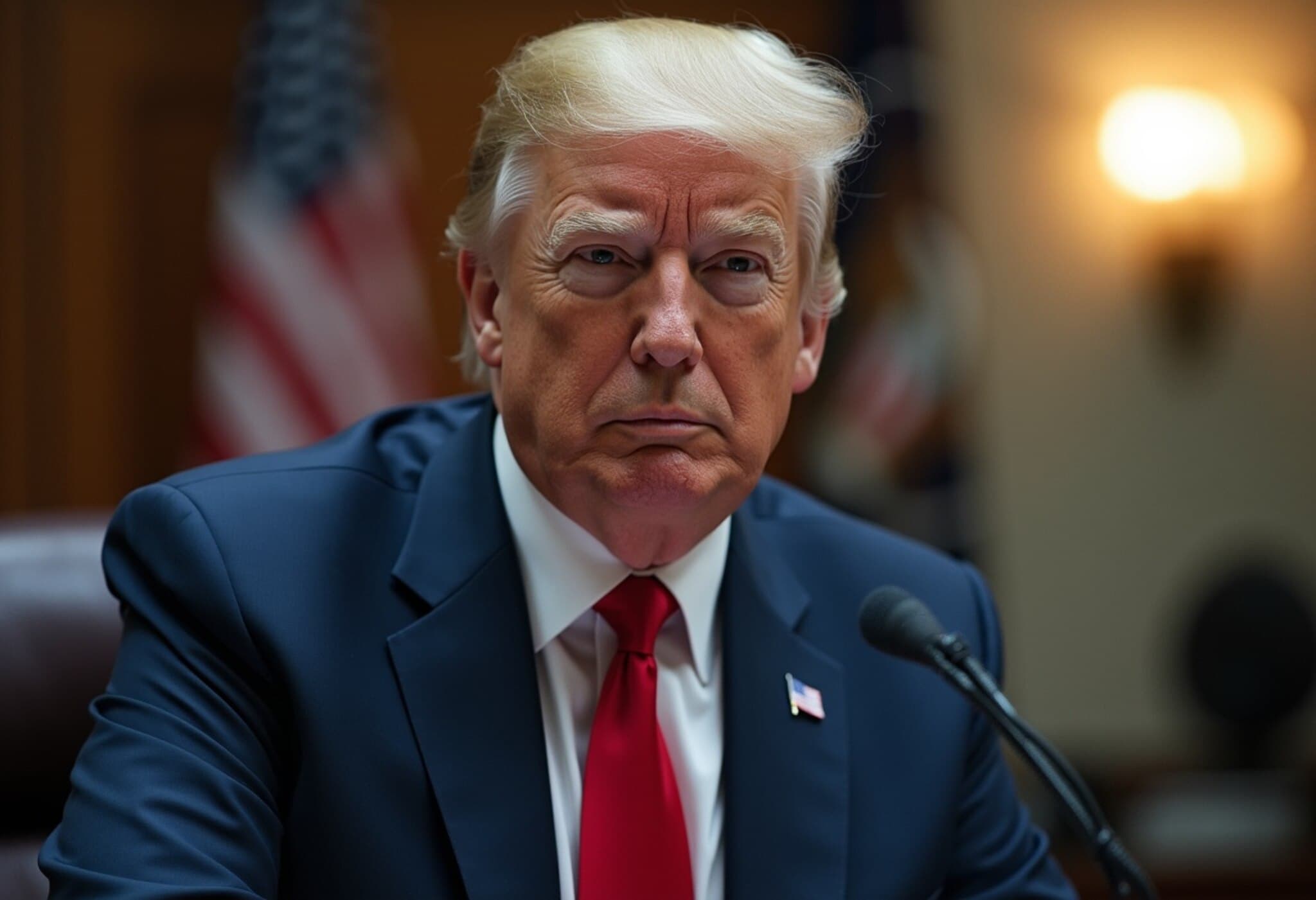
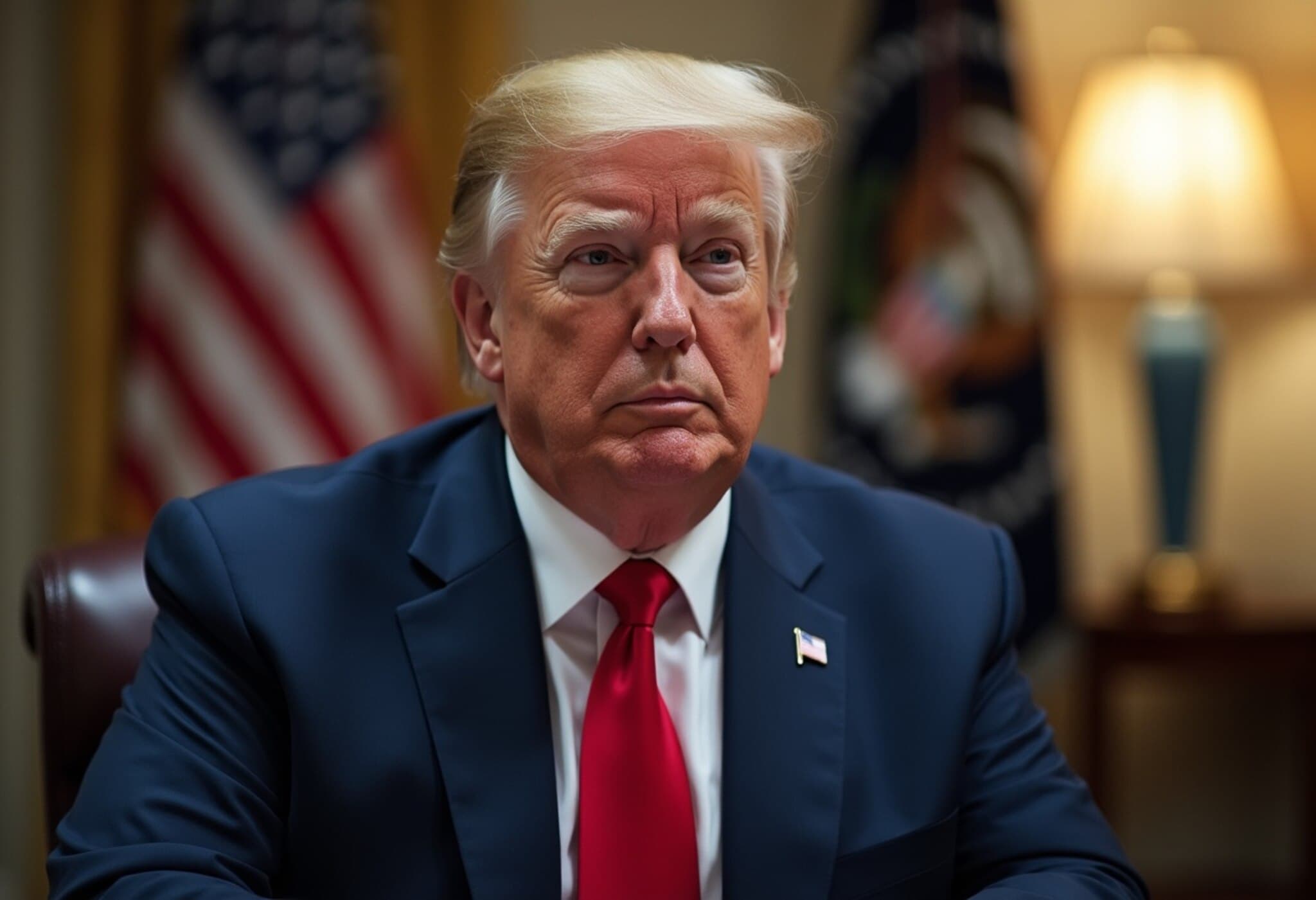
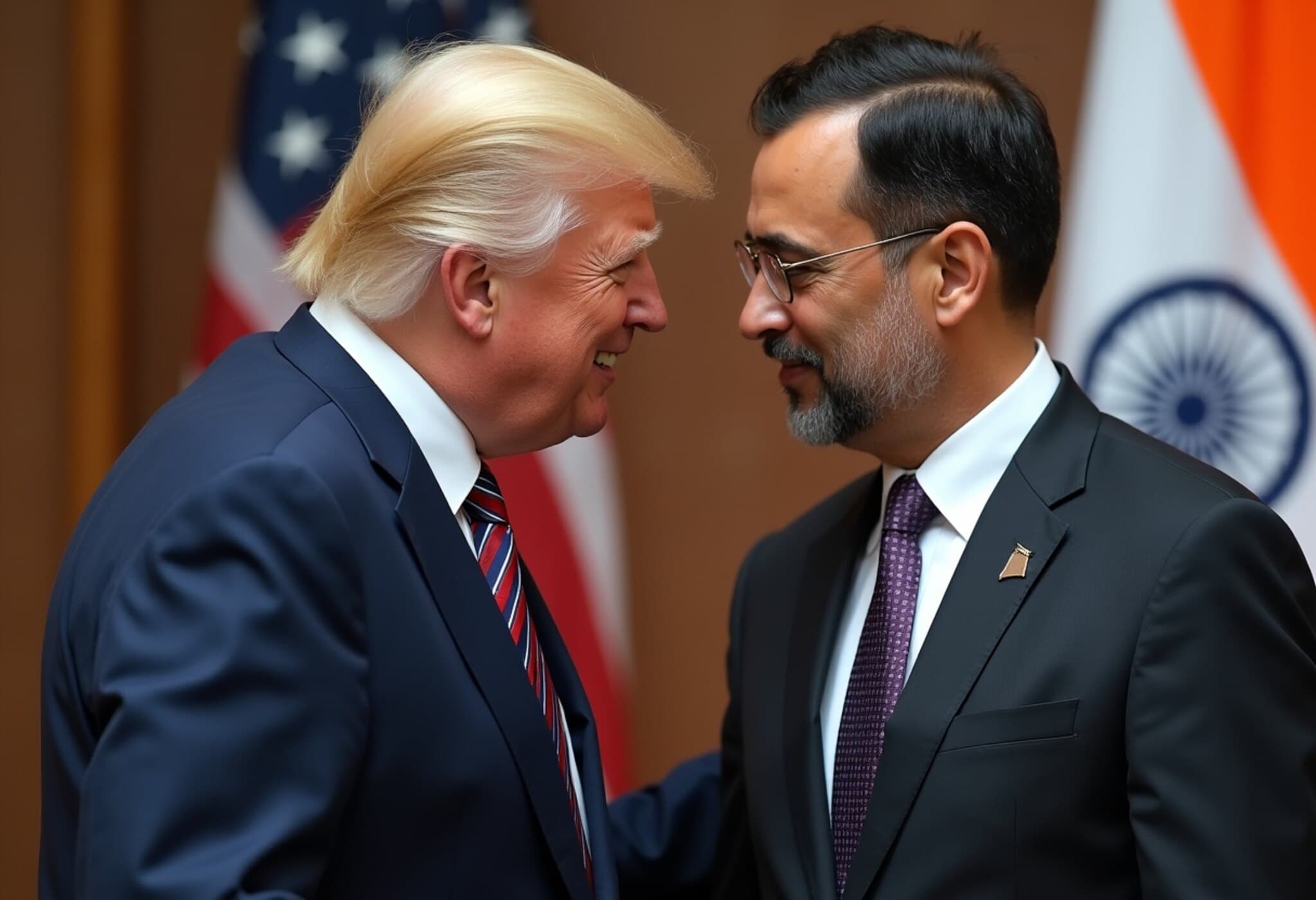
Unlike many world leaders who have tread lightly around Donald Trump, Petro openly challenged him. He publicly urged U.S. soldiers to disobey Trump’s orders during a pro-Palestinian rally in New York and accused the U.S. of "murder" after American naval strikes targeted suspected drug-trafficking boats in Colombian waters.
In response, the Trump administration took unprecedented measures, including revoking Petro’s visa and imposing sanctions generally reserved for serious criminals and human rights abusers. This diplomatic fallout escalated tensions and underscored a breaking point in U.S.-Colombia relations, deeply concerning many who view the alliance as vital for regional stability and counter-narcotics efforts.
The Domestic Impact: Turbulence Amid Reform Ambitions
Back home, Petro's rebellious posture against Washington reflects broader political struggles. His government faces cabinet reshuffles, growing opposition, and wavering public support. Critics argue that his confrontational foreign policy sidelines pragmatic governance, impairing the progress of his ambitious social reforms.
Opponents, including former allies like ex-Education Minister Alejandro Gaviria, acknowledge Petro’s genuine humanitarian concerns but warn that his rhetoric risks destabilizing Colombia’s critical economic and security partnerships.
Historical Context: From M-19 to the Presidency
- At 17, Petro joined the M-19, a guerrilla group known for urban activism and high-profile attacks, including the 1985 Palace of Justice siege.
- Despite his imprisonment and allegations of torture, Petro negotiated the M-19’s peaceful reintegration into Colombian democracy in 1990.
- He helped draft Colombia’s 1991 Constitution, which championed human rights and equality, laying a foundation for the nation’s modern political landscape.
Balancing Ideals and Realpolitik
Petro’s ascent to the presidency was historic, signaling a shift in a traditionally conservative nation. His administration has pushed for land reform, environmental sustainability, and inclusion of former combatants. However, the slow pace and internal chaos have frustrated both supporters and critics.
The President’s personal style, marked by candid, sometimes cryptic public statements and an authoritarian streak, fuels the polarized views surrounding his leadership. His tendency to embrace conflict—viewed by some as courageous integrity and by others as reckless ego—shapes both his domestic policies and international posture.
International and Regional Implications
Petro’s defiance has earned him admiration among global leftist circles but poses complex questions about Colombia’s strategic alignment in a region grappling with shifting alliances. His rapprochement with Venezuela’s autocratic regime and his public spats with the U.S. reflect deeper ideological currents reshaping Latin American geopolitics.
For Washington, managing relations with Petro requires balancing pressure with diplomacy, especially as Colombia remains a key partner in drug interdiction and trade. The recent diplomatic friction raises concerns about future collaboration on regional security.
Conclusion: A Leader at the Crossroads
Gustavo Petro’s presidency embodies the tensions between revolutionary zeal and state responsibility. His bold challenges to powerful actors like Donald Trump crystallize a broader struggle within Colombia — between ideals and governance, confrontation and cooperation. Whether Petro’s approach will ultimately transform Colombia or deepen its divisions remains a critical question for policymakers and citizens alike.
Editor’s Note
President Gustavo Petro’s defiance against Donald Trump highlights an inflection point in Colombian politics and international relations. While his confrontational style resonates with many seeking profound change, it also underscores the challenges of governing within a complex geopolitical landscape. Readers should consider how Petro’s legacy might influence U.S.-Latin America relations and the prospects for peace and reform in Colombia.
Author Genevieve Glatsky brings over six years’ experience reporting from Bogotá, offering nuanced insights into Colombia’s political transformation and its intersection with global diplomacy.