Rubio Stands Firm as G7 Allies Question U.S. Drug-Smuggling Strikes
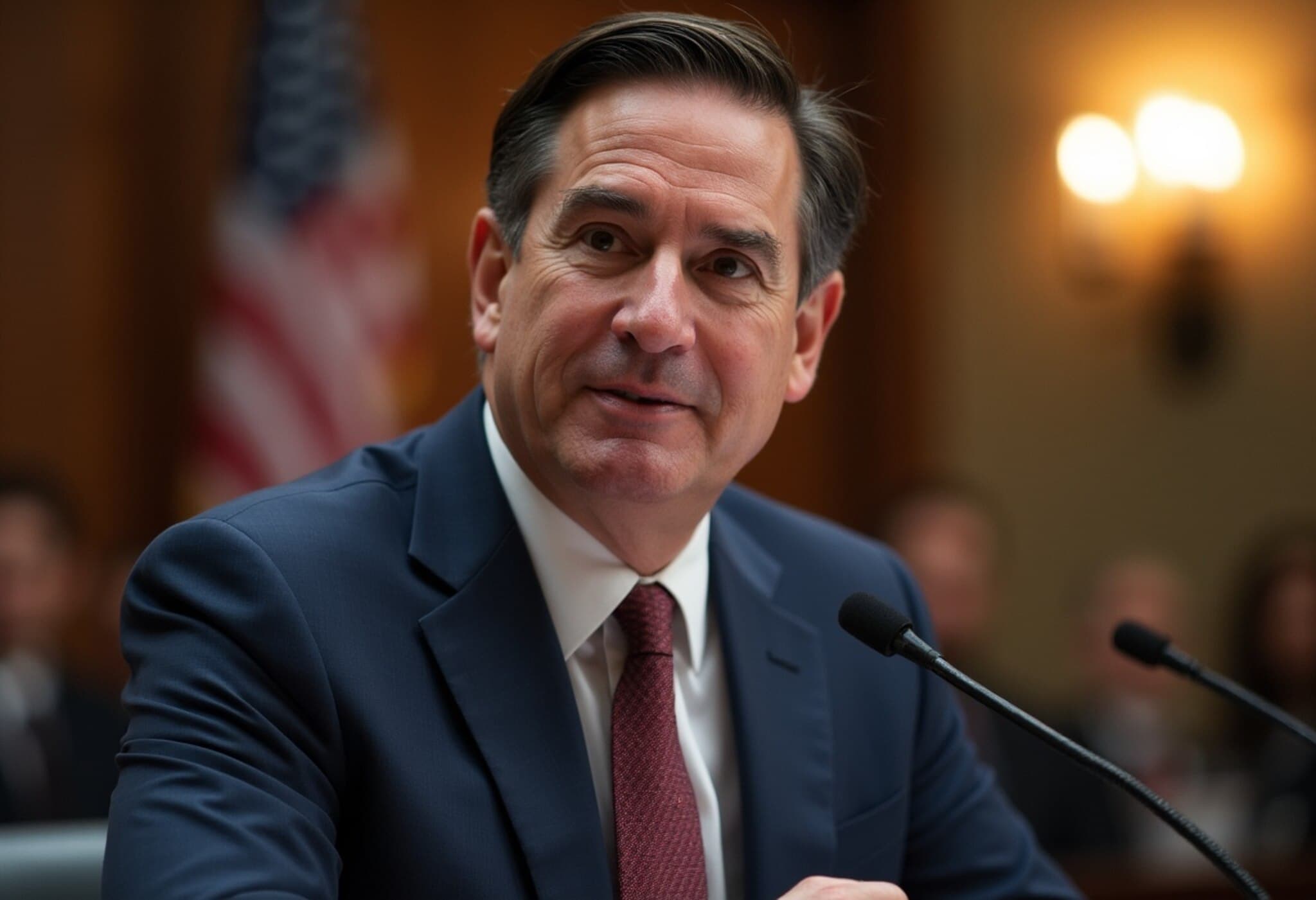
During the recent Group of Seven (G7) foreign ministers summit in Ontario, Secretary of State Marco Rubio remained unabashed in defending the Trump administration's controversial military operations targeting drug trafficking vessels in the Caribbean and eastern Pacific. Despite vocal objections from European counterparts labeling these strikes as violations of international law, Rubio argued that the actions are imperative to safeguard U.S. national security interests.
Contentious Military Operations Draw Diplomatic Fire
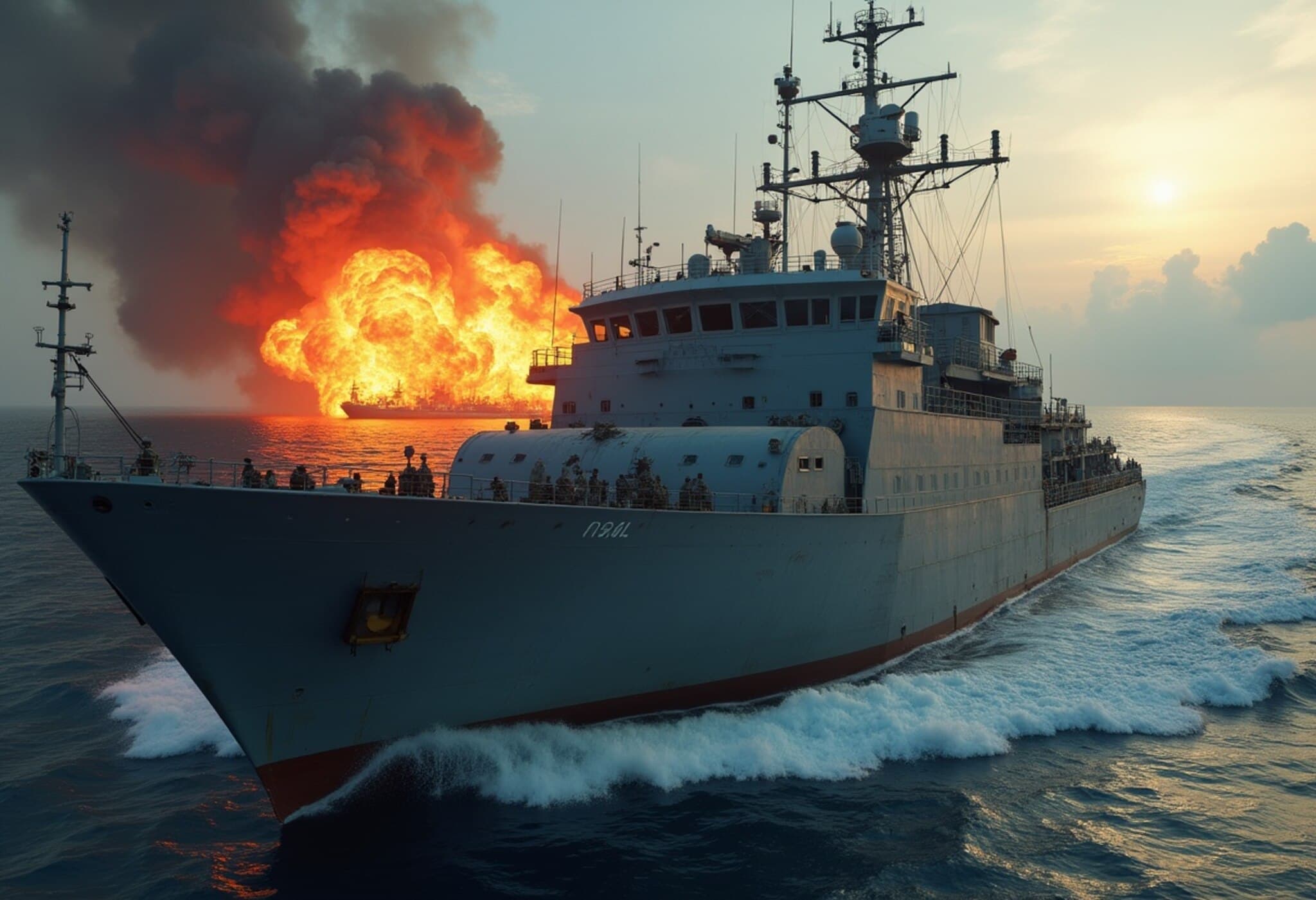
The U.S. military has intensified efforts to disrupt drug shipments linked to cartels operating from Venezuela, which Washington has classified as terrorist entities. Pentagon officials estimate these strikes have resulted in dozens of casualties among cartel members. However, several European foreign ministers, including France's Jean-Noël Barrot and European Union (EU) diplomat Kaja Kallas, publicly condemned the strikes, calling them unlawful and extrajudicial.
Barrot explicitly criticized the operations as violations of international norms, while Kallas called on the international community to reassess legal frameworks addressing drug trafficking. Their concerns highlight the growing tension over how far nations can extend unilateral military action under claims of self-defense or counterterrorism.
Rubio’s Robust Defense and Legal Justification
In a press briefing near Niagara Falls, Rubio dismissed these critiques, emphasizing that the administration’s strategy is rooted in protecting the United States from dangerous organizations threatening national security. He asserted that designating drug cartels as terrorist groups legally empowers the U.S. to take lethal action.
“The president will defend the national interest and security of the United States,” Rubio said, emphasizing that allied nations benefiting from disrupted drug flows — notably European countries — should be appreciative rather than critical.
When pressed on international legal concerns, Rubio stated, “I don’t think the European Union gets to decide what international law is,” and noted that, notably, the subject had not surfaced during closed-door summit discussions.
Divergent Views Among G7 Allies and Regional Implications
Canada’s foreign minister, Anita Anand, clarified her country’s position by acknowledging Canada's cooperation with U.S. counternarcotics efforts but stressed non-involvement in the strikes themselves. Anand deferred on legal judgments around the strikes, deeming them within U.S. jurisdiction.
Additionally, the long-tense U.S.-Canada trade discussions appear paused, with Anand indicating that Rubio had neither raised nor signaled intentions regarding controversial previous remarks by President Trump about potentially integrating Canada as a “51st state.”
Broader Global Context at G7
The summit also concentrated on pressing international security challenges, including bolstering Ukraine’s capacity to resist Russian aggression, promoting peace initiatives in Gaza, and seeking resolutions to Sudan’s violent civil strife. The group's unified declaration of support for Ukraine was a centerpiece, underscoring the alliance's focus beyond the drug strike controversy.
Expert Analysis: Legal and Policy Dimensions
From a legal standpoint, experts have raised concerns about the legitimacy of the U.S. lethal strikes outside declared war zones. The designation of drug cartels as terrorist organizations under U.S. law does not necessarily grant carte blanche for extraterritorial military action without multilateral backing or clear international mandate.
Moreover, the diplomatic rift at the G7 illustrates broader debates over sovereignty, the reach of counterterrorism, and the balance between security measures and the rule of law. It also raises questions about how drug enforcement aligns with humanitarian considerations and the potential for escalation or regional instability.
For U.S. policy, these strikes reflect a growing willingness to employ military force in unconventional domains traditionally managed through law enforcement, signifying a blend of defense, intelligence, and foreign policy objectives that might require clearer international frameworks to avoid diplomatic fallout.
Editor’s Note
This episode reveals the complexities at the intersection of security, sovereignty, and international law in an era marked by unconventional threats. It prompts readers to consider how democracies balance assertive defense strategies against global norms and alliances. Should military interventions aimed at non-state criminal entities be globally regulated? And how might such operations reshape geopolitical partnerships in the Western Hemisphere?