Trump Grants Presidential Pardon to Ultramarathon Runner Over Trail Violation
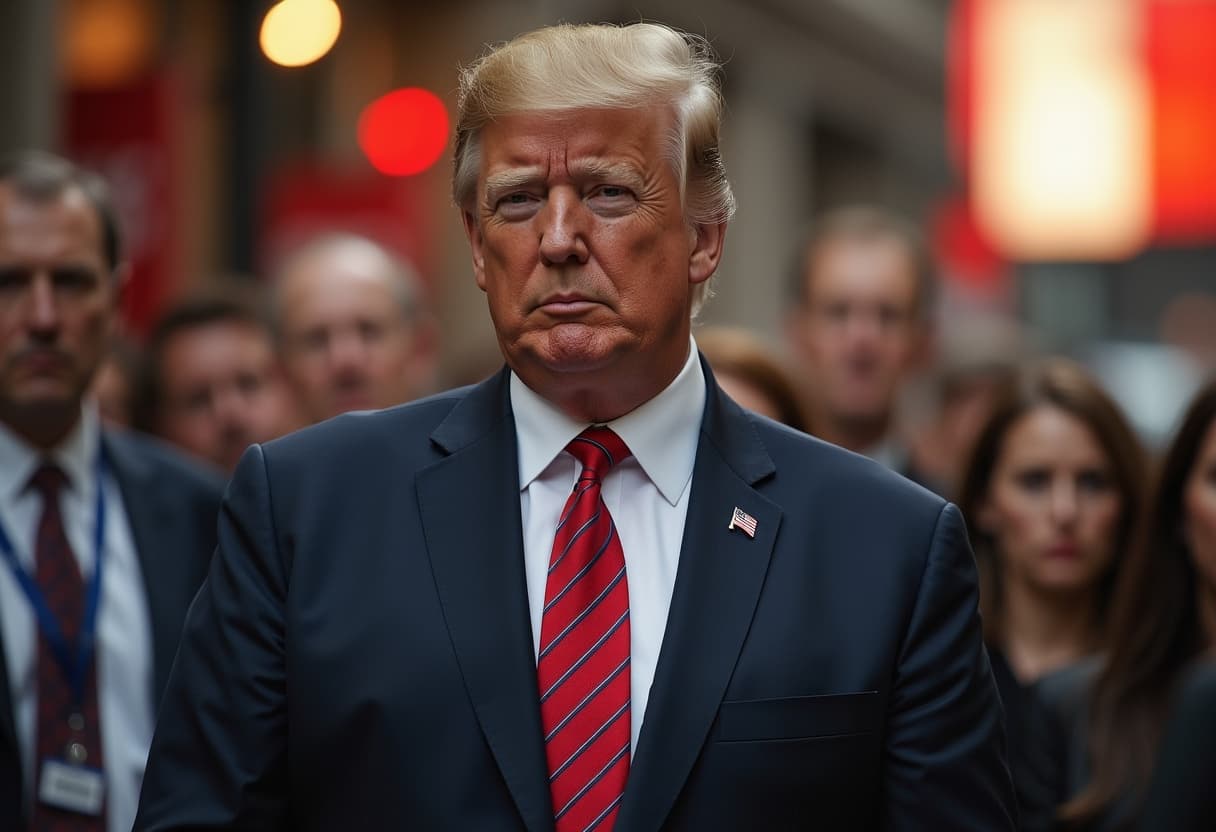
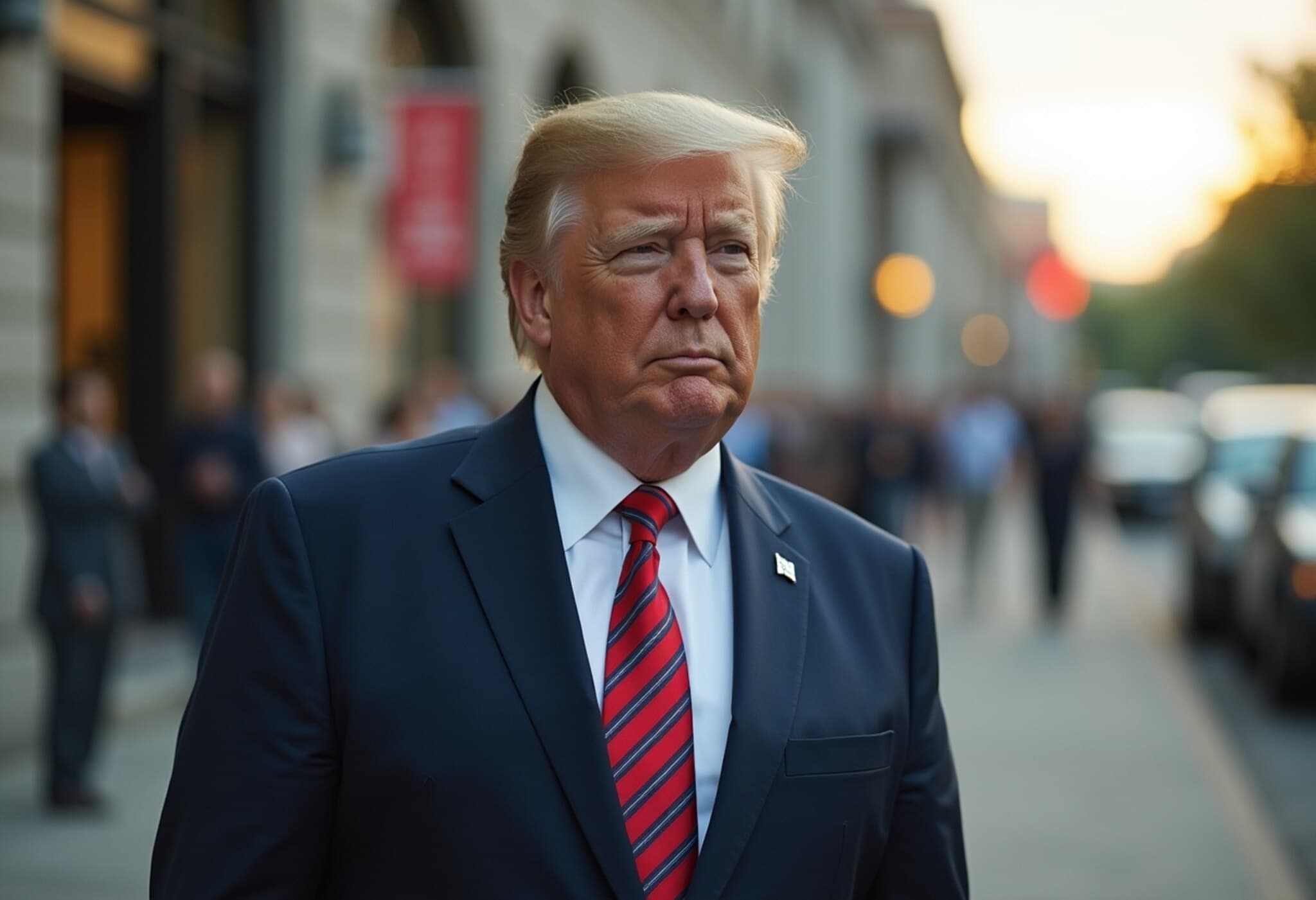
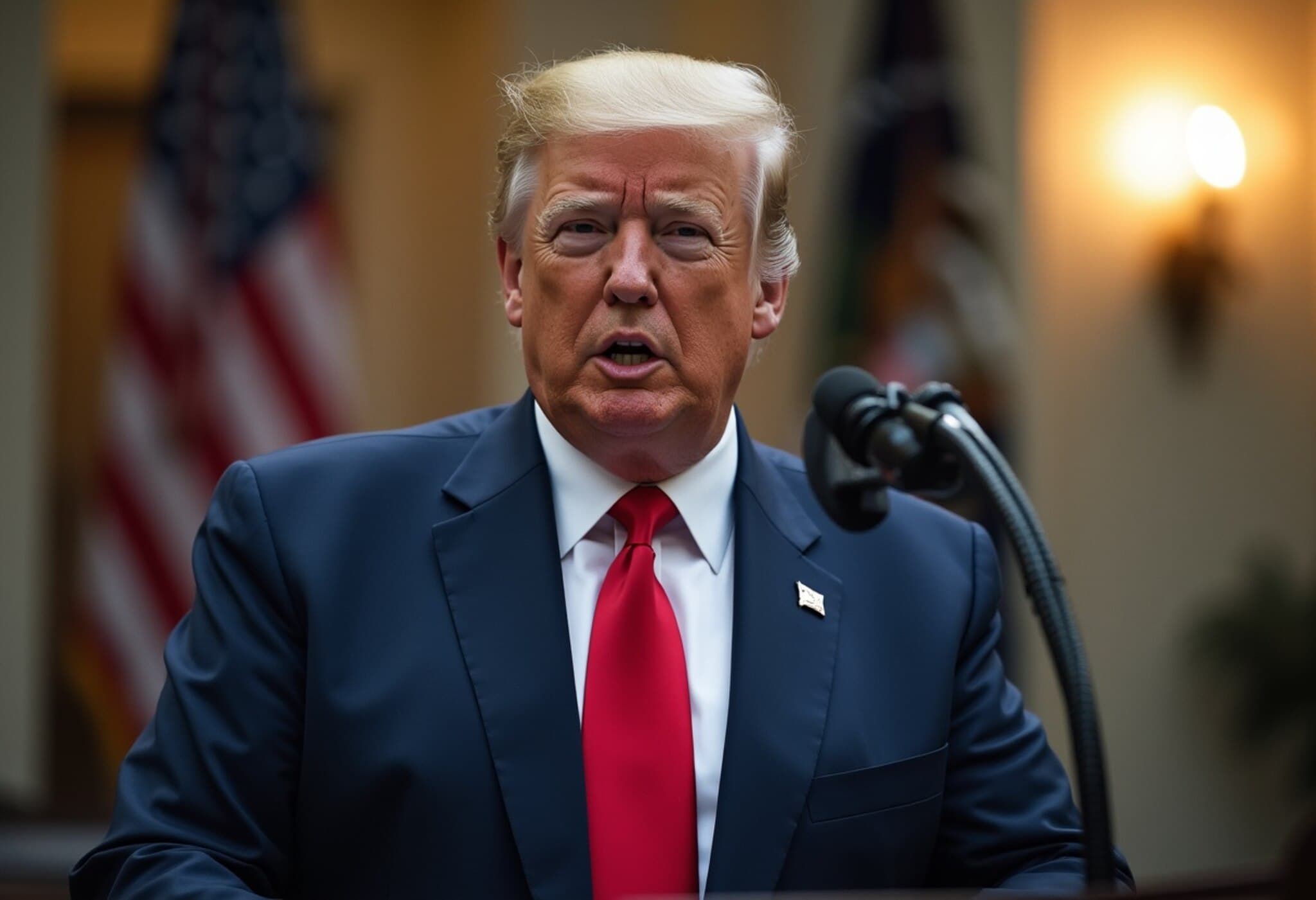
In a surprising turn that blends high-altitude athleticism with the complexities of federal regulations, former President Donald J. Trump has issued a presidential pardon to Michelino Sunseri, an ultrarunner convicted last year for using a prohibited shortcut on Grand Teton, Wyoming’s tallest peak. The pardon, announced on November 11, 2025, casts fresh light on the contentious intersection of environmental regulation enforcement and individual athletic pursuits in protected national parks.
Record-Breaking Run Shadowed by Legal Trouble
Sunseri, an ultrarunner from Idaho, stunned the trail-running community by clocking a blistering time of 2 hours, 50 minutes, and 10 seconds ascending and descending the 3,775-foot Grand Teton on September 2, 2024. During his descent, Sunseri briefly veered off the designated path to take a shortcut along a restricted trail—a maneuver he says he used to avoid congestion with other hikers.
This deviation, however, led to federal charges citing violation of National Park Service (NPS) regulations, aimed at protecting fragile ecosystems from erosion and human impact. Prosecutors viewed this as a clear breach of the rules protecting the park's natural integrity.
The Legal Battle: Overreach or Necessary Enforcement?
Sunseri’s conviction in September 2025 for this infraction stirred a debate about the breadth of authority park officials wield and whether certain regulations disproportionately penalize low-risk conduct. The ultrarunner, supported by the Pacific Legal Foundation, has maintained that similar shortcuts have historically been taken during other record attempts on Grand Teton, arguing the rules were applied inconsistently.
Michael Poon, a lawyer for the Pacific Legal Foundation, emphasized, “We’re not done fighting against unconstitutional regulations that give low-level park officials the power to criminalize harmless conduct.” This case became an emblem of what some see as government overreach targeting an athlete's pursuit of excellence.
Contextualizing the Pardon Amid Broader Clemency Trends
Notably, Sunseri’s pardon came on the same day that Trump granted clemency to dozens of individuals tied to controversial political proceedings related to the 2020 election. Unlike these politically charged pardons, Sunseri’s case is largely apolitical, focused on the nuances of environmental law and recreational freedoms within public lands.
Sunseri expressed relief and disbelief publicly, writing on Facebook, “In an unbelievable twist that even Hollywood couldn’t write, I woke up this morning to find out I’ve been given a PRESIDENTIAL PARDON from Donald J. Trump.” Yet, he also lamented the judicial process, calling the case a “massive waste of taxpayer money and government energy from the start.”
Environmental Protection vs. Recreational Freedom: A Continuing Debate
This incident highlights a broader tension between conservation efforts and public use of national parks. The National Park Service maintains strict trail usage to guard against erosion and preserve wilderness areas, but athletes and outdoor enthusiasts often test these limits in pursuit of records or unique experiences.
Experts suggest this case serves as a microcosm for ongoing conversations about balancing environmental stewardship with personal freedoms—especially as outdoor sports increase in popularity in the U.S.
Legal and Policy Implications for National Parks
- Regulatory Enforcement: Should the NPS consider more flexible guidelines for recreational athletes?
- Legal Precedents: How might this pardon affect future prosecutions of trail-related infractions?
- Environmental Concerns: What adaptive measures can be adopted to protect sensitive trails without unduly restricting users?
Editor’s Note
Michelino Sunseri’s pardon invites us to reflect on the delicate balance between preserving natural landscapes and allowing individuals to push human limits in those very spaces. While safety and environmental protection remain paramount, this case underscores the need for clear, consistent regulations that respect both conservation goals and the legitimate aspirations of the outdoor community. As visitation and sports in national parks rise, so too must the dialogue on how these treasured lands are managed and shared.