
Understanding the Current U.S. Military Posture in Venezuela and the Caribbean
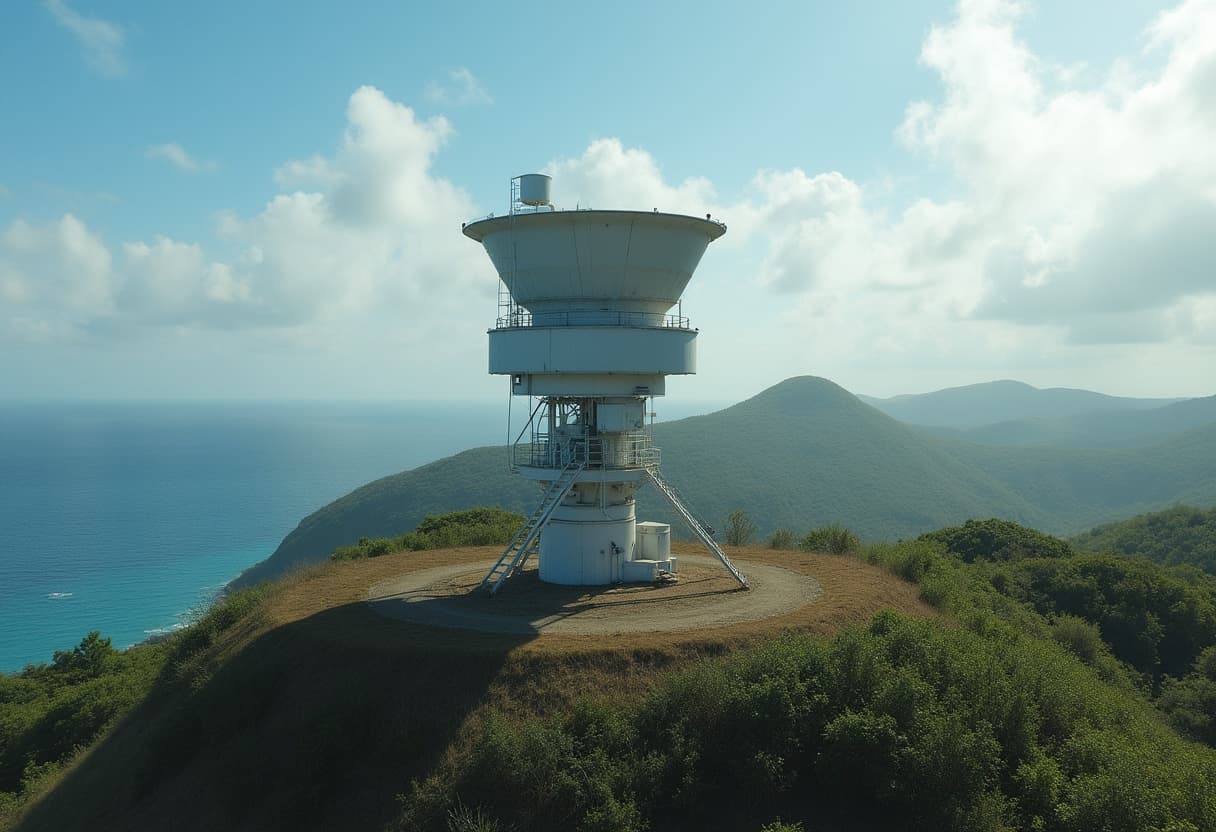
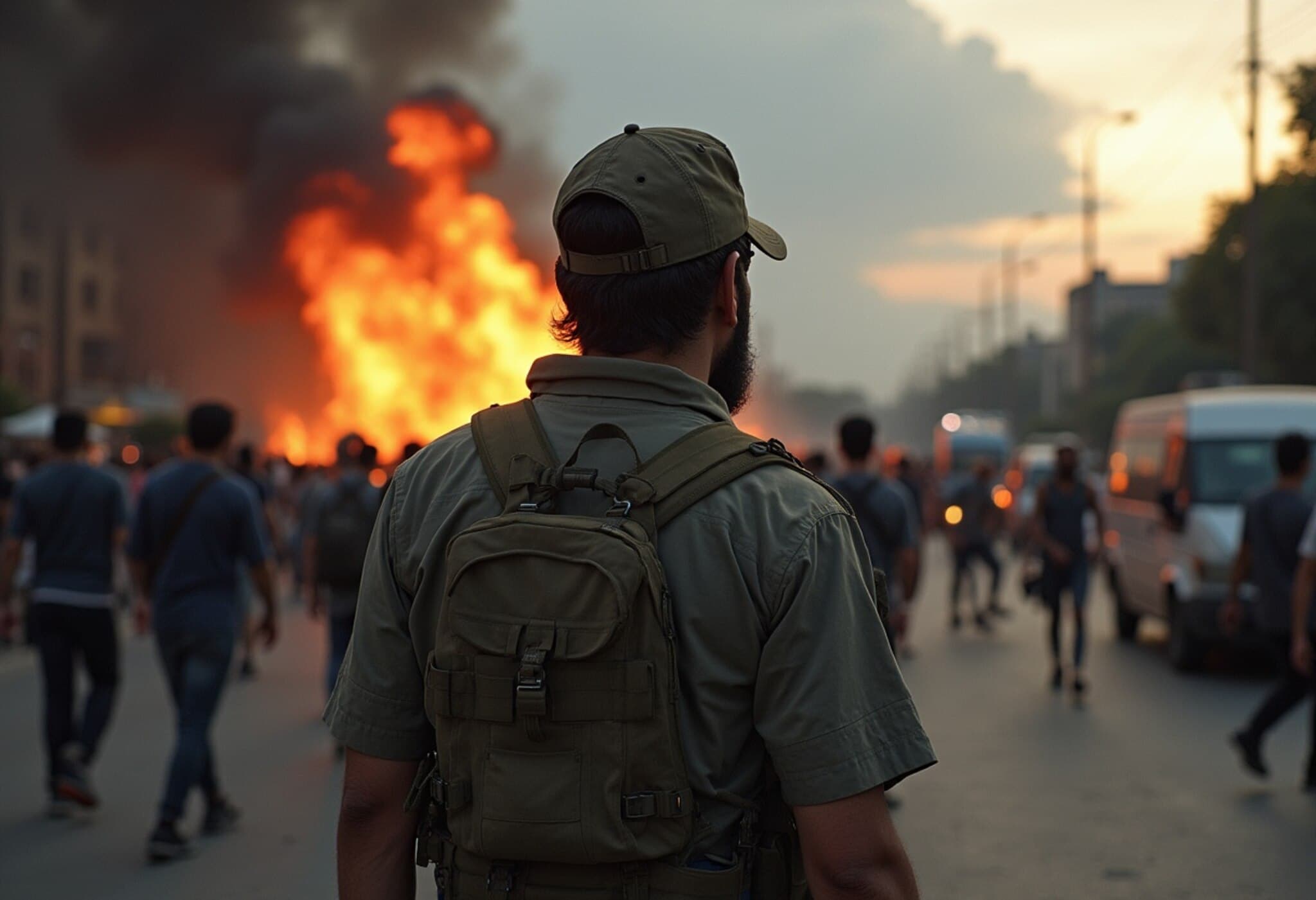
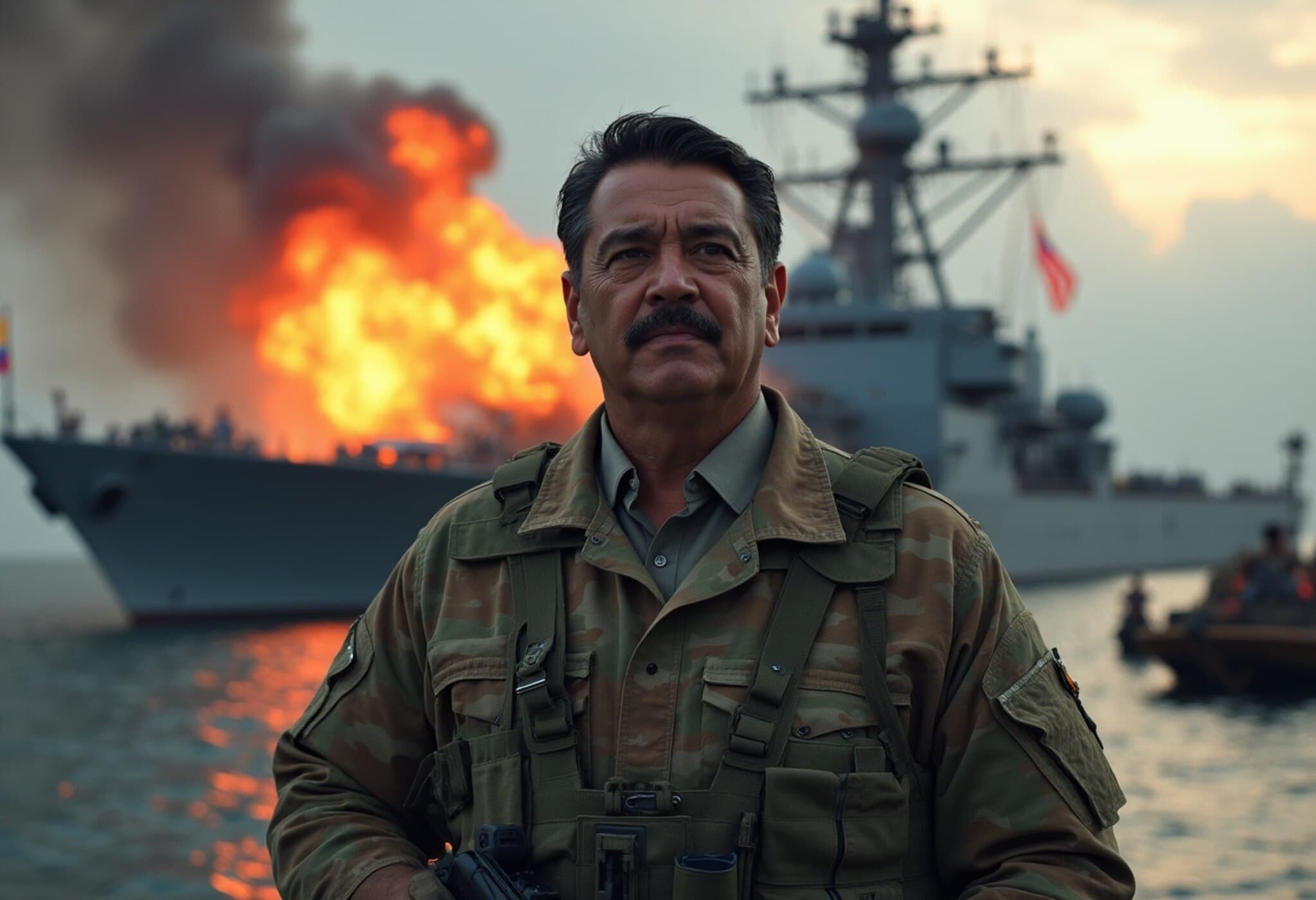
Following President Trump’s recent assertive declaration about the U.S. exerting control over Venezuela, the Pentagon swiftly clarified that no American troops are currently stationed inside Venezuela. However, a substantial military presence remains strategically positioned in neighboring countries and throughout the Caribbean. This deployment involves approximately 15,000 troops on land and a dozen warships operating within the region, all maintained at a heightened state of readiness, according to General Dan Caine, Chairman of the Joint Chiefs of Staff.
Special Operations and the Recent Commando Raid
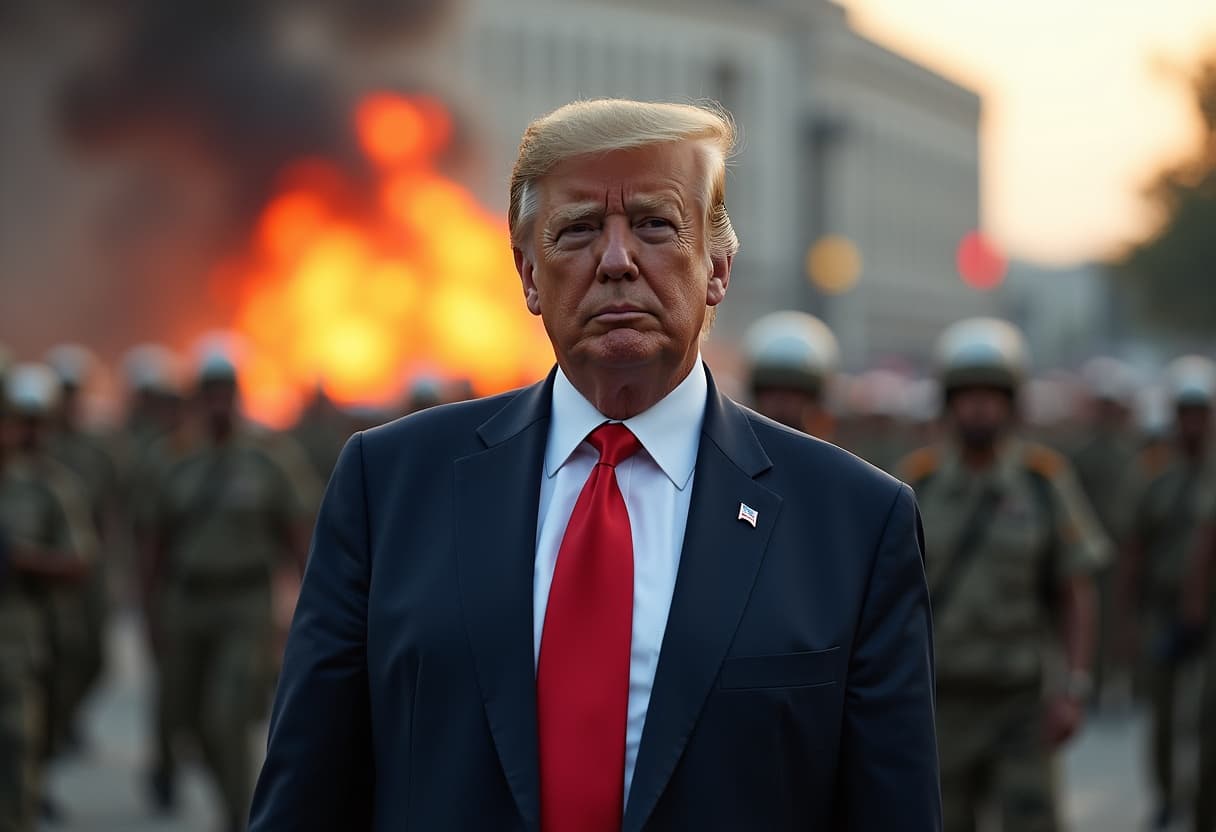
The dramatic commando operation that led to the capture of Venezuelan President Nicolás Maduro marked a significant escalation in U.S. military involvement. President Trump publicly commended the swift operation conducted by the U.S. Army Delta Force. He further indicated that if U.S. forces encounter resistance—whether from Venezuelan government forces or allied militia—a "second wave" of military action is imminent. Despite the controversial nature of this operation, the administration conveyed confidence in deploying "boots on the ground" when necessary.
Who’s in Charge? The Question of Governance in Venezuela
In an unusual direct reference, President Trump suggested that a team closely aligned with him, including General Caine, Secretary of State Marco Rubio, and Defense Secretary Pete Hegseth, would be overseeing Venezuela's administration during this transitional period. This remark sparks profound questions regarding U.S. involvement in foreign governance and the legal frameworks that might be employed, and recalls historical precedents of American intervention in the Western Hemisphere.
Contextualizing the Caribbean Military Build-Up: Historical and Strategic Perspectives
The current naval presence is the largest U.S. military concentration in the Caribbean since the Cuban Missile Crisis of 1962. Initially, many of these forces were deployed with a stated mission to combat drug trafficking, particularly targeting high-speed boats allegedly used to smuggle narcotics—a claim the administration has made without providing substantial evidence. Critics argue that military strikes in these operations, which have resulted in at least 115 deaths since September in both the Caribbean and Eastern Pacific, may lack clear legal justification.
More recently, these military assets have also assisted in enforcing sanctions against Venezuela by interdicting oil shipments to and from the country. This blend of anti-narcotics and economic sanction enforcement operations underscores the multidimensional nature of U.S. military engagement in the region.
The Escalation Signals and Regional Implications
Just days before the raid unfolding in Venezuela, U.S. military activity intensified notably, with an influx of Special Operations aircraft, electronic warfare planes, armed drones, search-and-rescue helicopters, and fighter jets deployed to the region. Analysts viewed this buildup as an unequivocal precursor to direct military intervention, transforming speculation into near certainty.
Expert Insights: Legal and Geopolitical Ramifications
From a legal standpoint, unilateral military actions on foreign soil without explicit international mandate raise complicated questions under international law and the U.S. Constitution. The potential for prolonged military engagement also invokes concerns about sovereignty, regional stability, and broader geopolitical consequences.
- Legal Ambiguity: The absence of clear congressional authorization for sustained military control of Venezuela raises constitutional and ethical issues.
- Regional Stability: Amplified military activity risks exacerbating tensions with neighboring nations and may inflame anti-American sentiment.
- Economic Impact: Disruptions to Venezuelan oil exports implicate global energy markets, potentially influencing prices and supply chains.
Moreover, the prospect of direct U.S. governance involvement in Venezuela invites comparisons to past interventions and compels a reevaluation of America’s role in the hemisphere amid a complex interplay of democracy promotion, security interests, and economic strategy.
Looking Ahead: What to Watch For
Defense officials have yet to specify how long this sizeable military presence will remain. With public scrutiny intensifying domestically and internationally, the Trump administration faces the challenge of balancing assertive foreign policy with diplomatic prudence and legal accountability.
Observers should monitor prospective moves toward formal U.S. administration in Venezuela, shifts in regional alliances, and the evolving narrative surrounding narcotics and energy security as interwoven elements of this developing geopolitical saga.
About the Author
Eric Schmitt is a seasoned national security correspondent with over 30 years of experience reporting on U.S. military affairs and counterterrorism. His in-depth coverage offers nuanced understanding of the complex intersections between defense policy and global diplomacy.
This evolving story of U.S. military engagement in Venezuela exposes underlying tensions between strategic interests and legal boundaries. It invites readers to critically consider the implications of foreign intervention on sovereignty, regional stability, and international law. As the situation unfolds, public vigilance and informed discourse remain crucial to understanding America’s role on the world stage.