
Trump’s Surprise Call to Norwegian Minister Stirs Global Attention
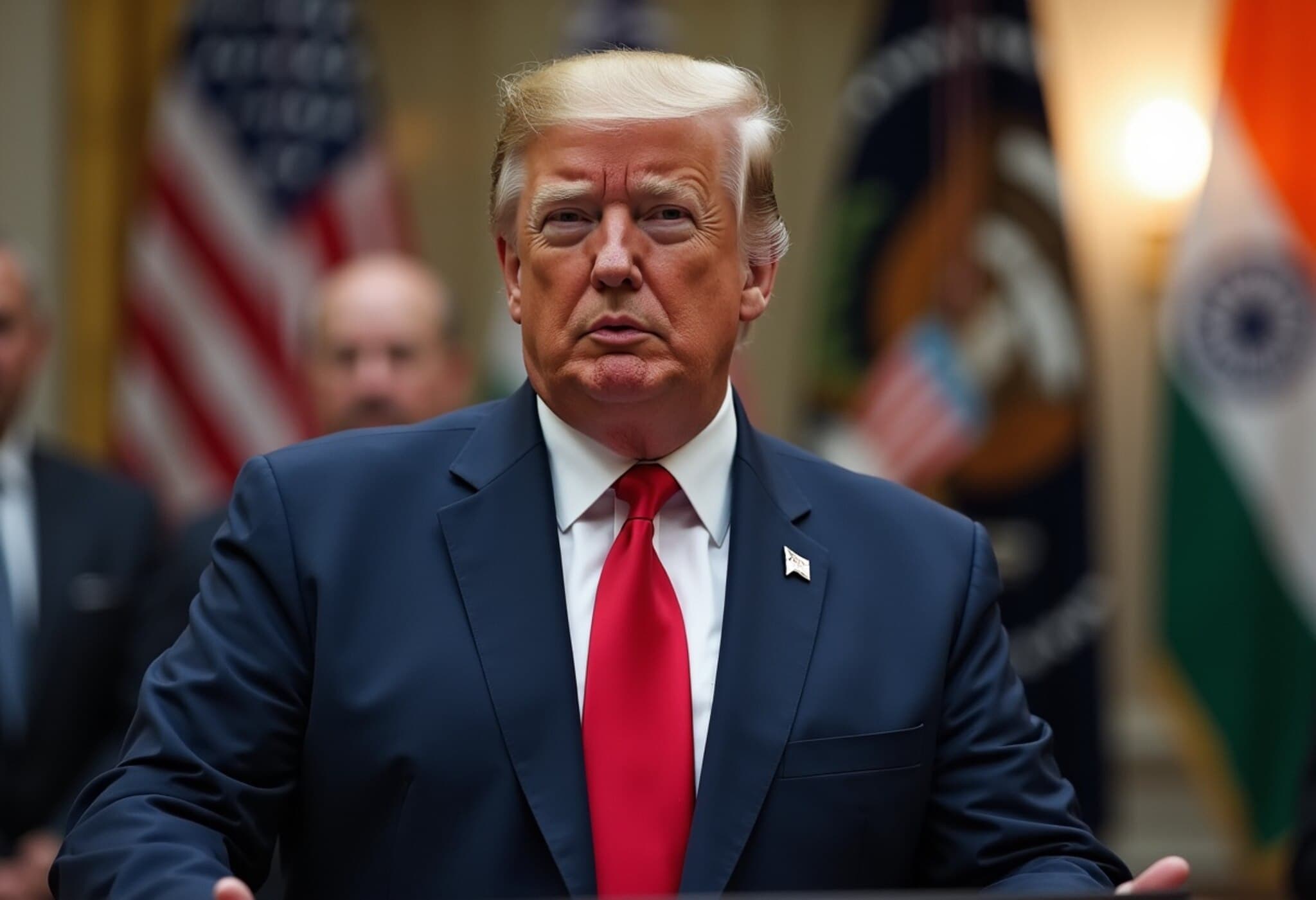
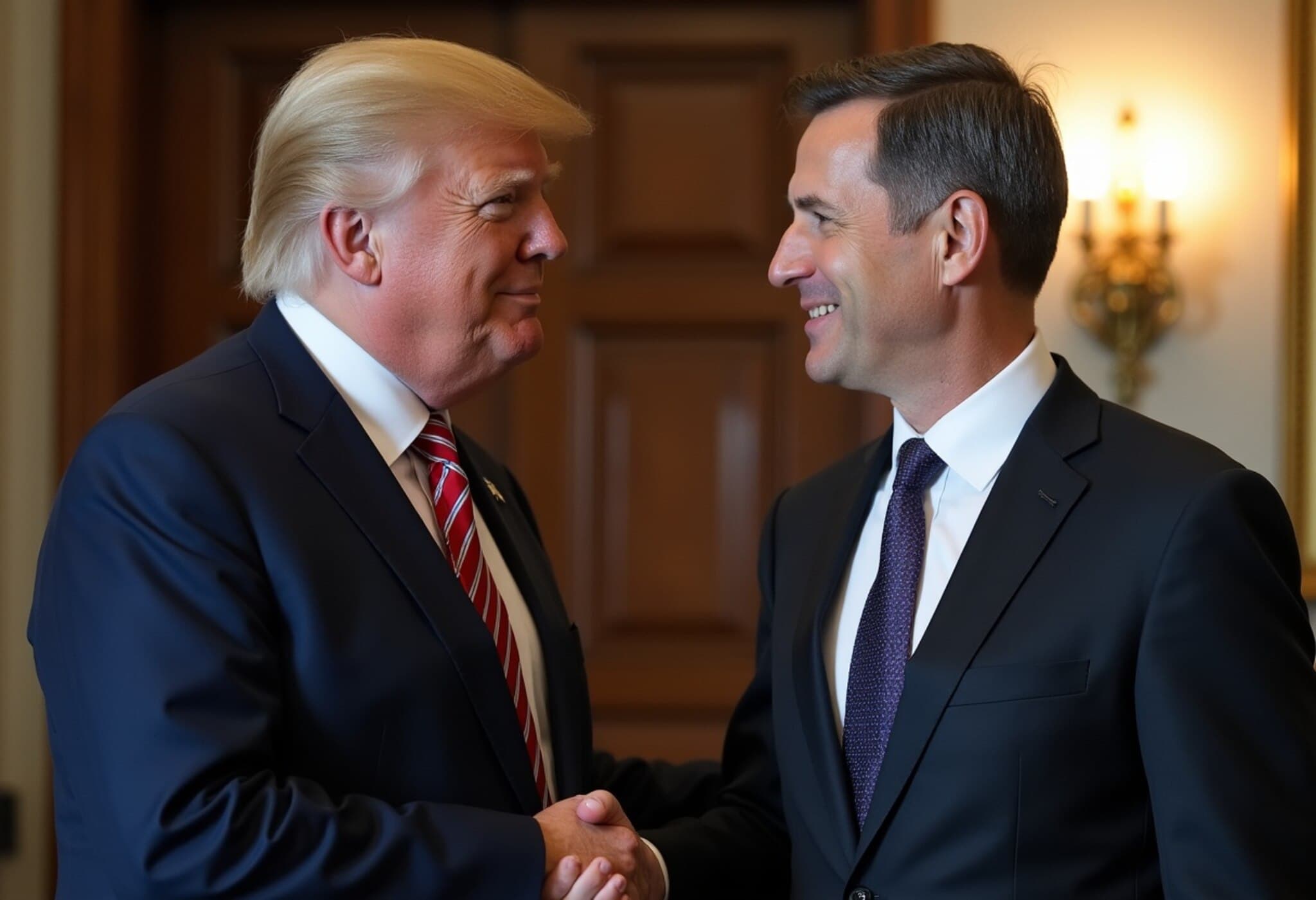
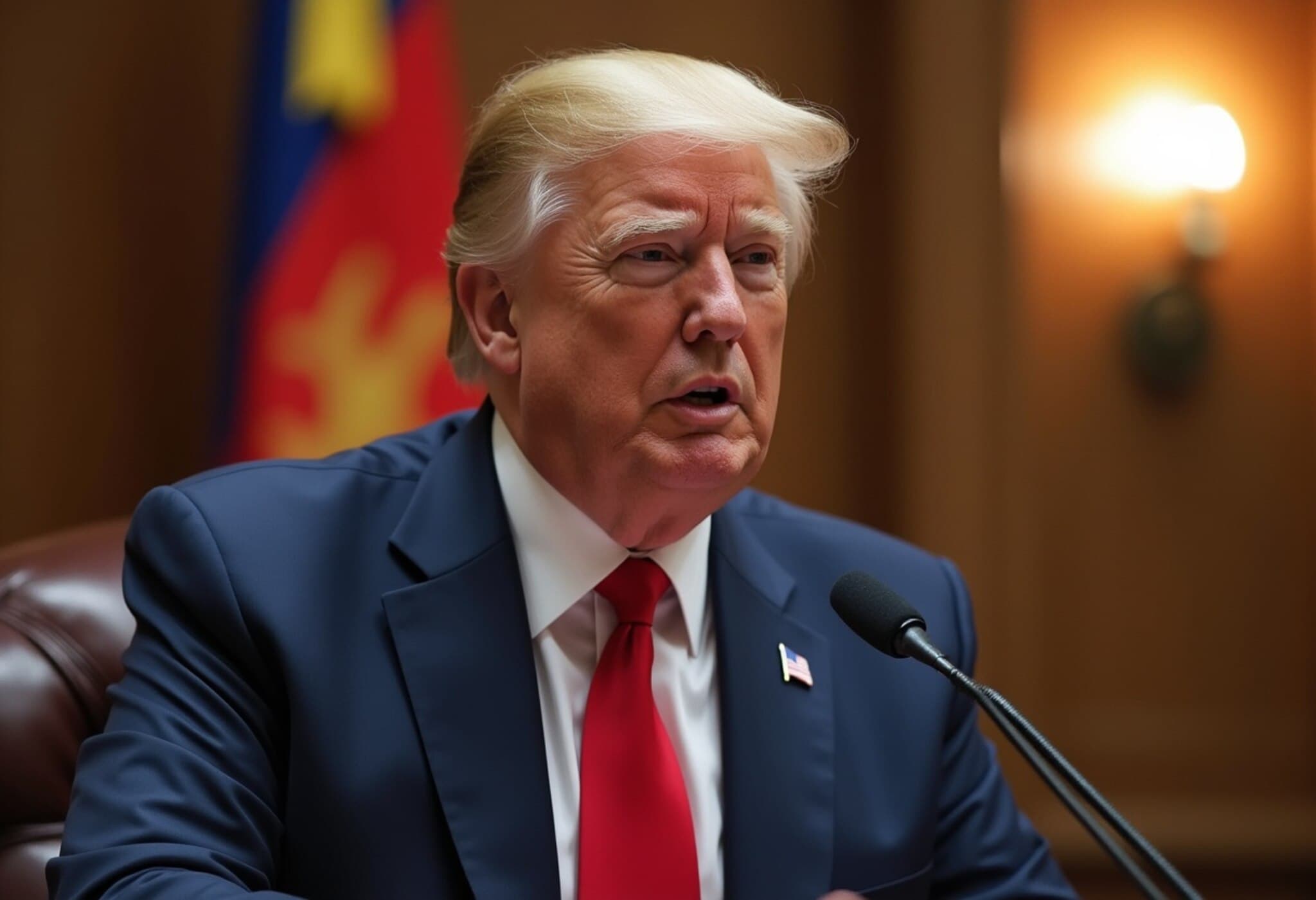
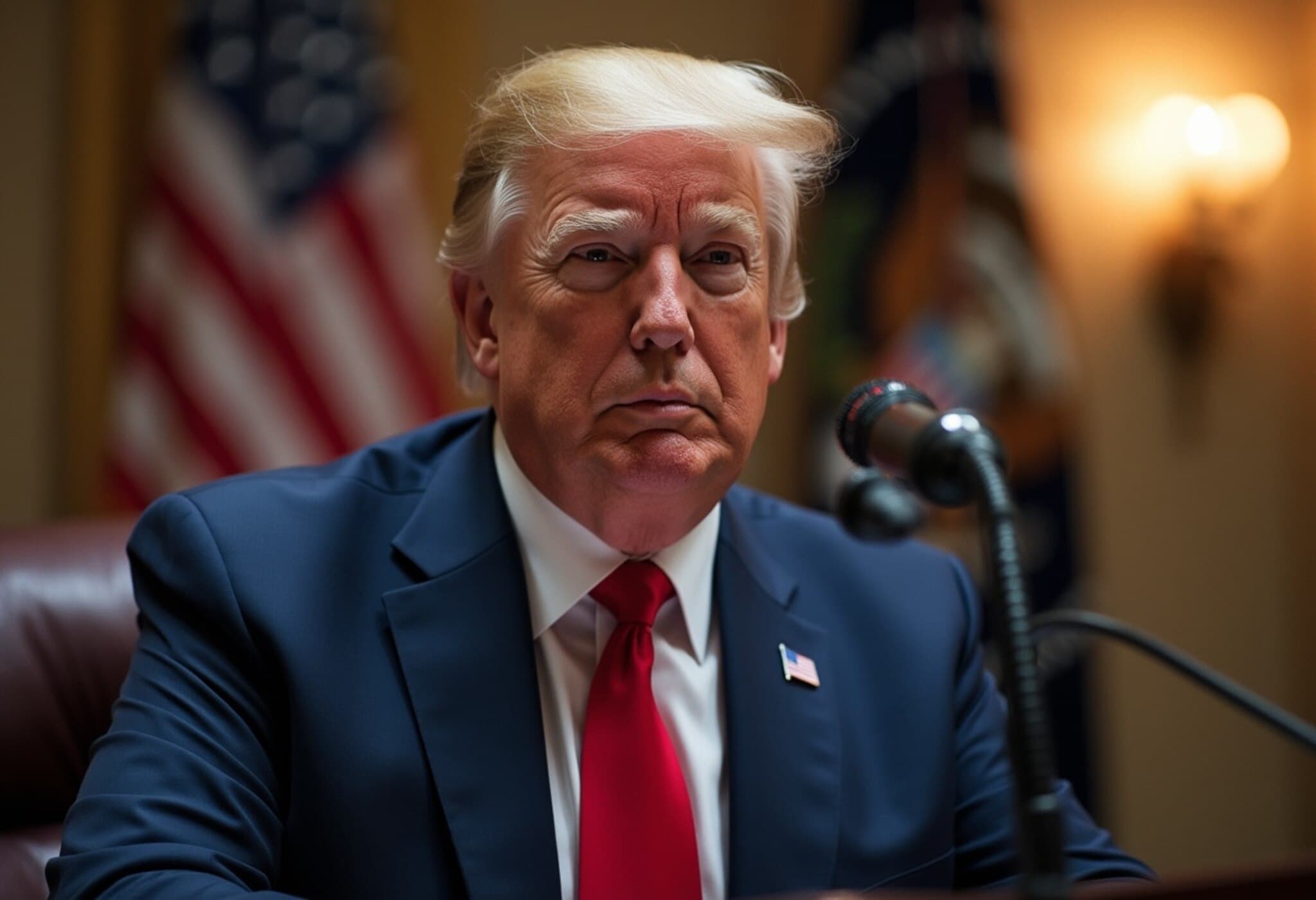
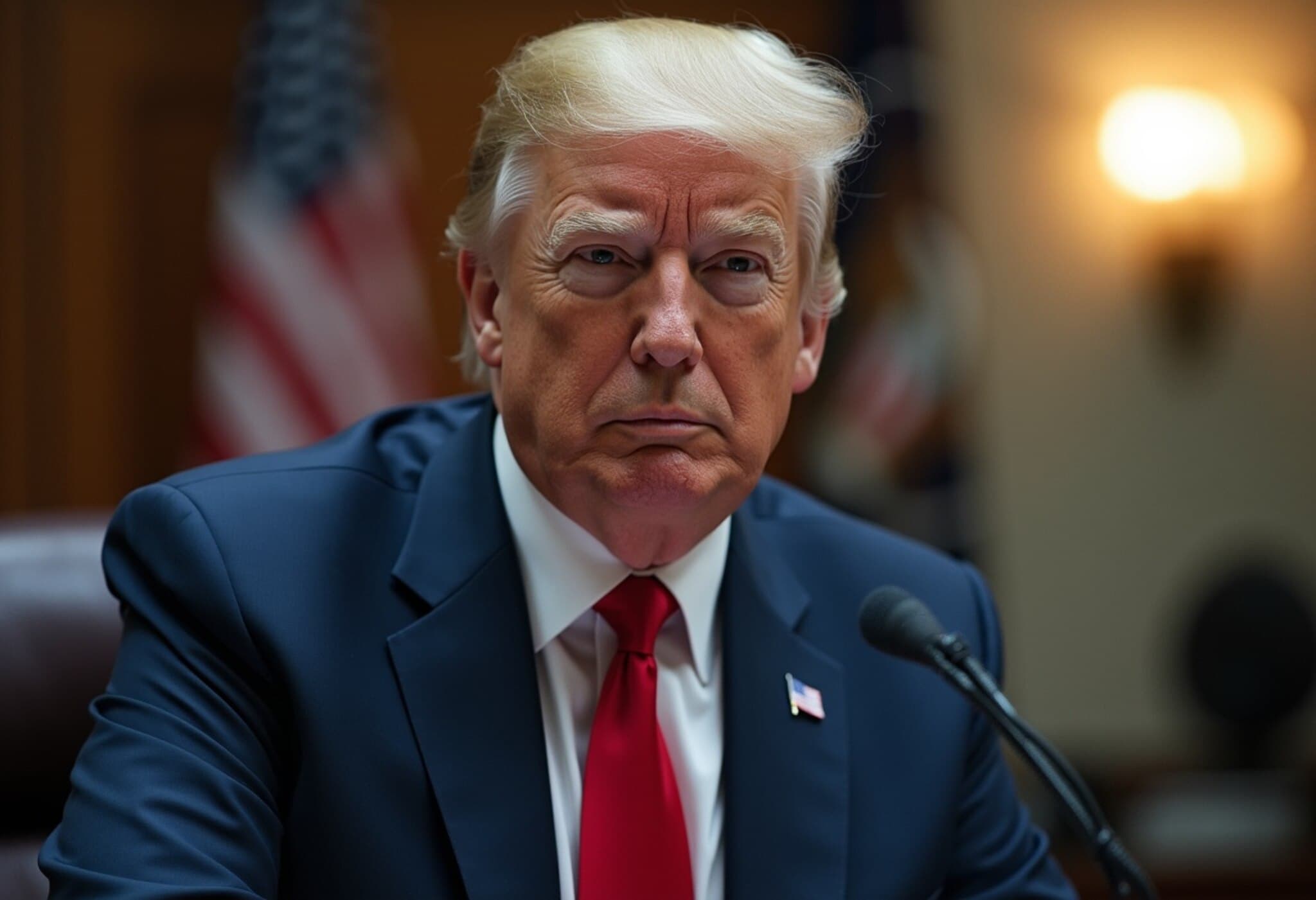
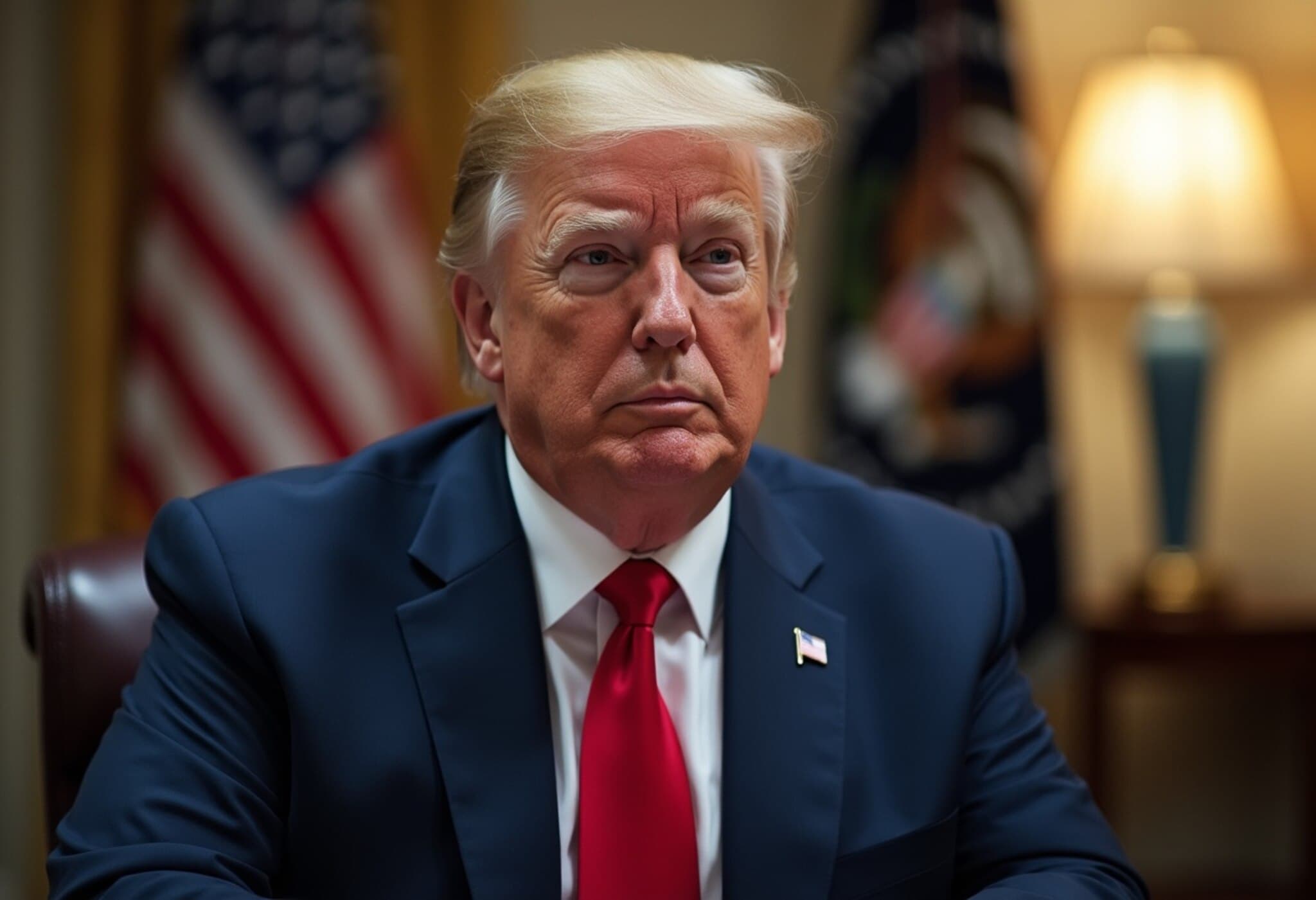
In a move that has caught both political insiders and the media off guard, former US President Donald Trump reportedly made an unexpected phone call to Norway’s Finance Minister Jens Stoltenberg. While tariffs dominated the official agenda, sources reveal that Trump also raised the prospect of winning the coveted Nobel Peace Prize, a claim that has intensified speculation ahead of the annual award announcement in Oslo.
Inside the Call: Tariffs and the Nobel Prize
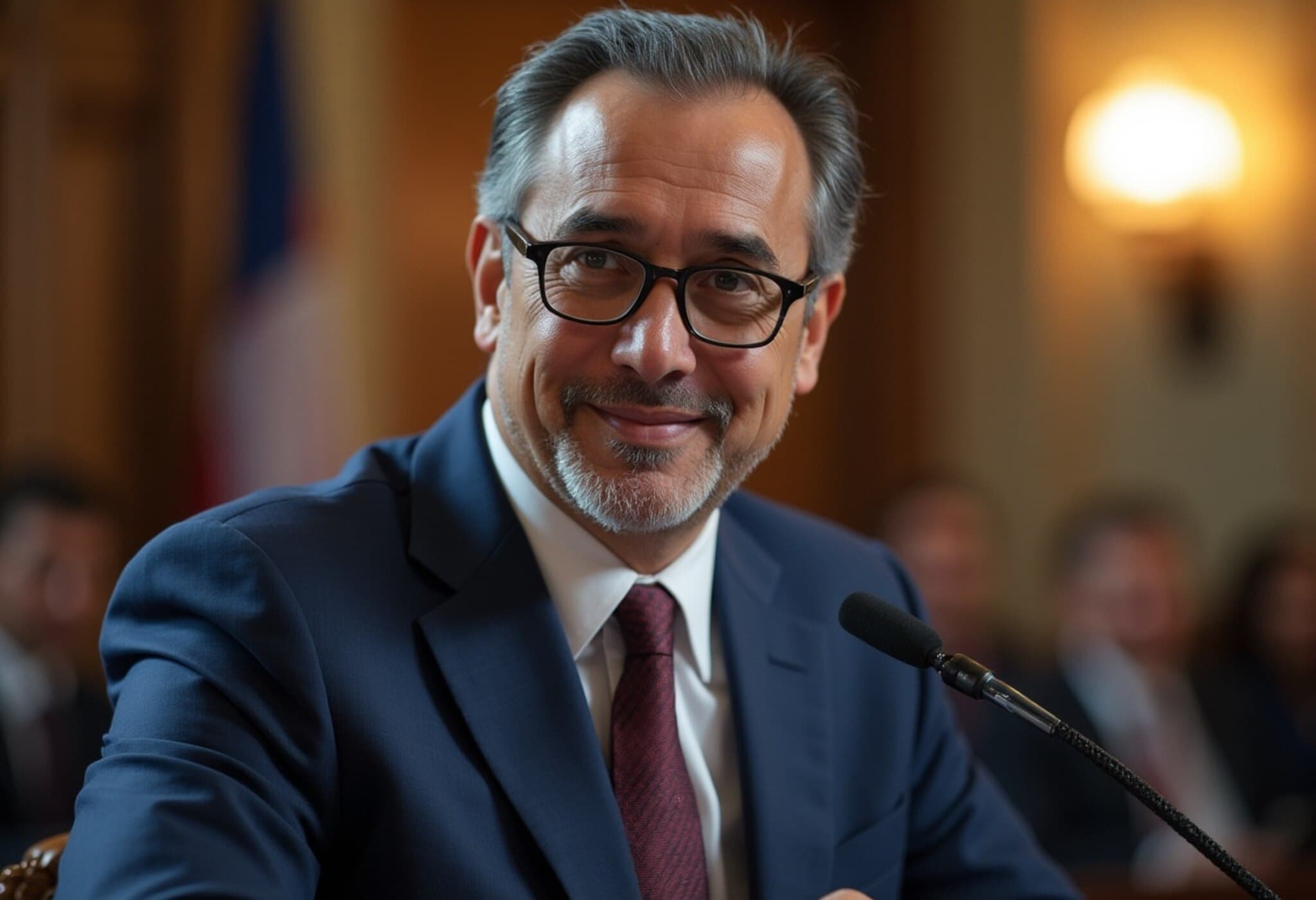
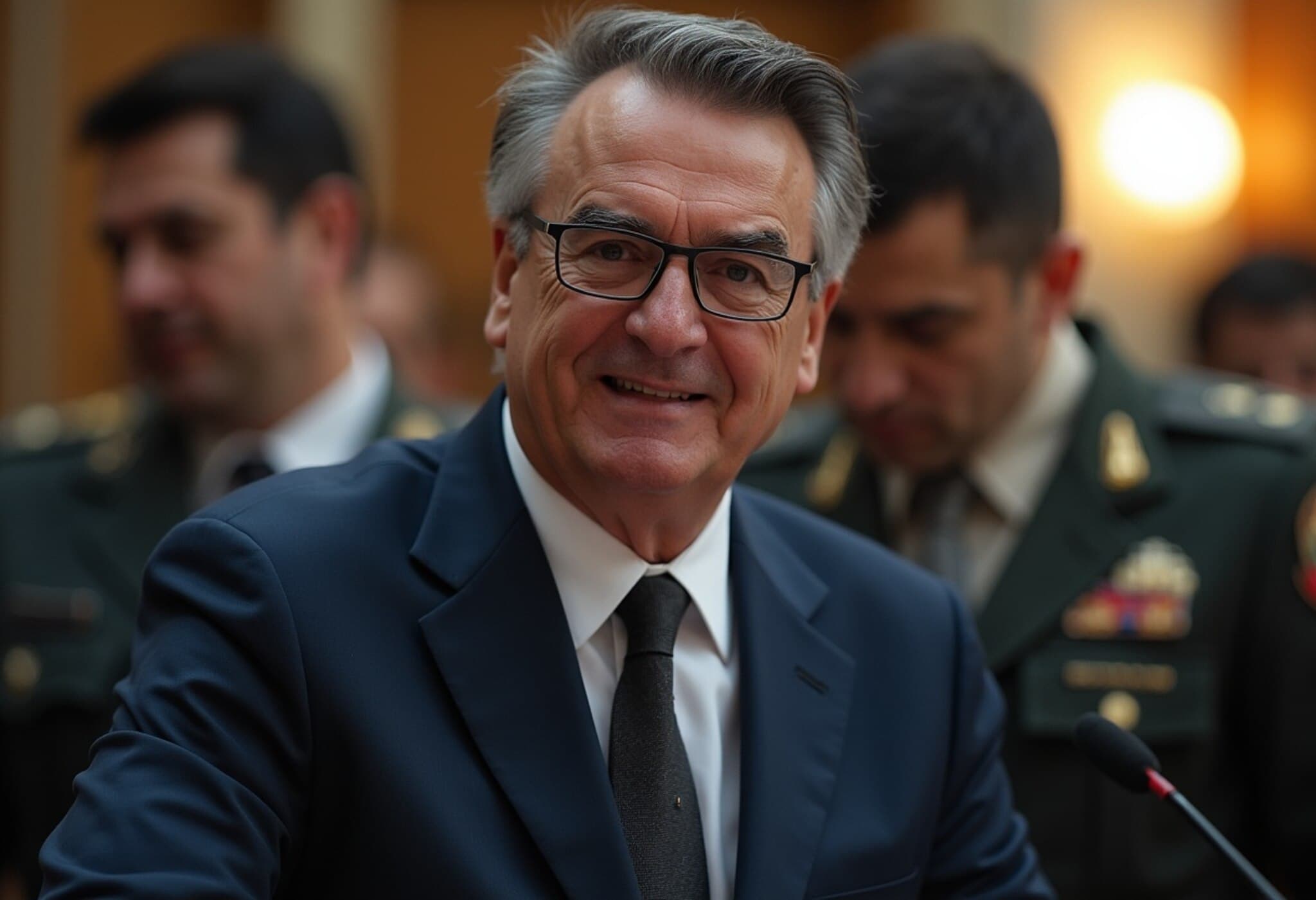
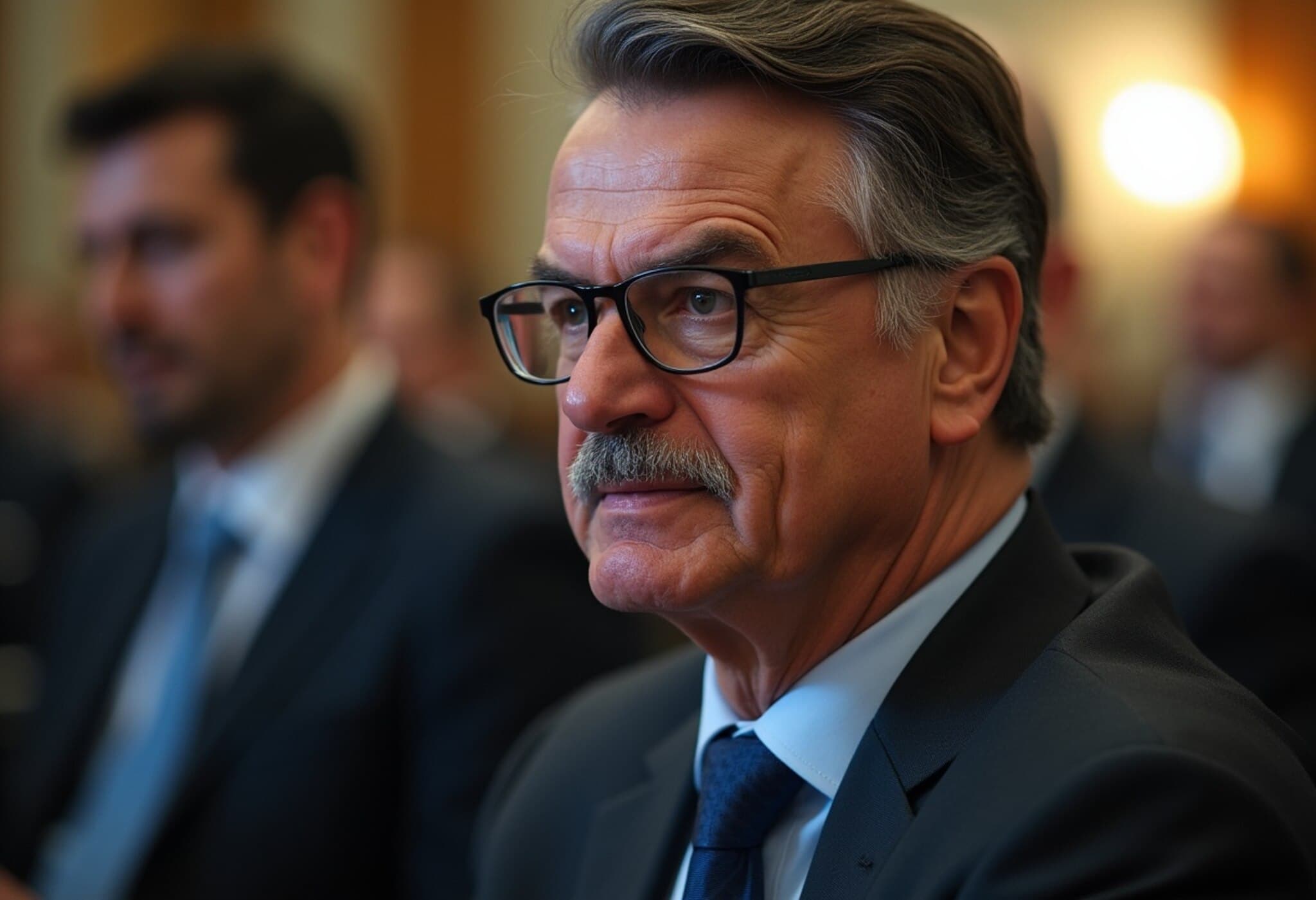
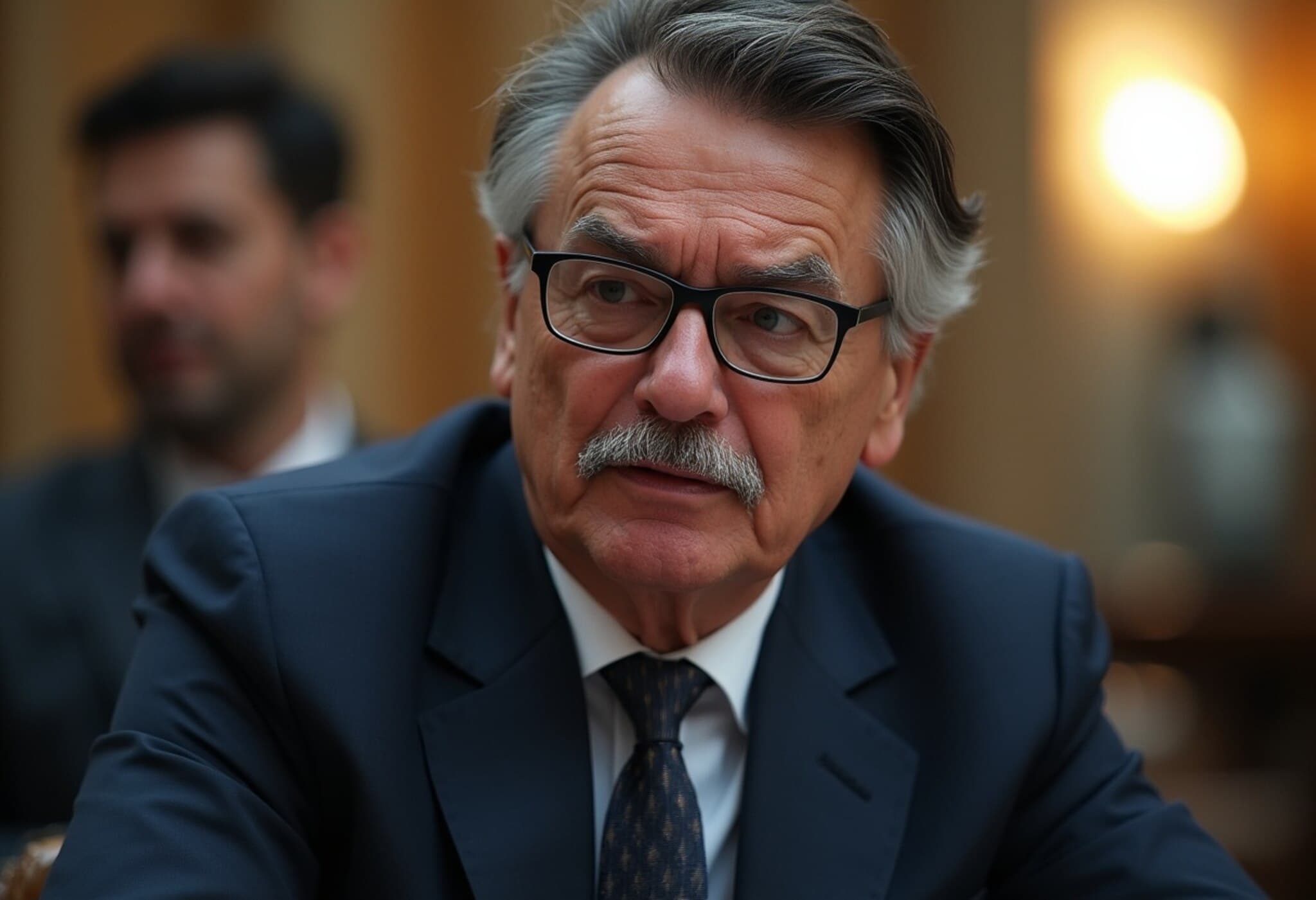
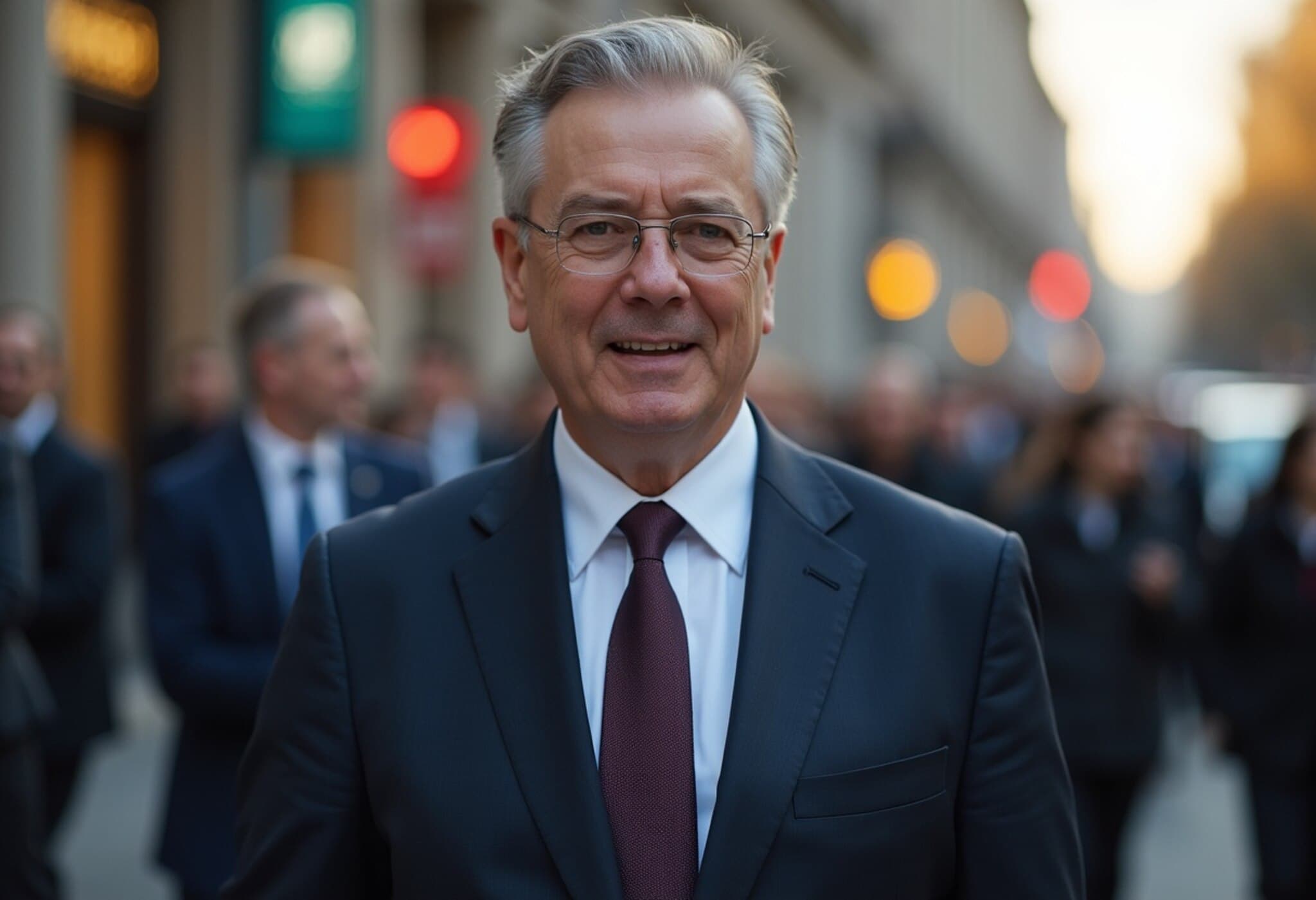
Jens Stoltenberg, who previously served as NATO secretary-general and is well regarded in international circles, confirmed the phone conversation but declined to confirm whether Trump explicitly expressed a desire to receive the Nobel accolade. According to the Norwegian daily Dagens Næringsliv, the call came unexpectedly while Stoltenberg was walking in Oslo, underscoring the informal and somewhat unorthodox nature of this diplomatic exchange.
"He wanted the Nobel Prize—and to discuss tariffs," the newspaper reported, highlighting the unusual blend of topics in one conversation. This revelation not only illustrates Trump’s ongoing pursuit of global recognition but also reflects the complicated economic ties between the US and Norway as trade tensions simmer.
Contextualizing the Nobel Peace Prize Ambitions
The Nobel Peace Prize, awarded annually on October 10 by an independent Norwegian committee, is viewed worldwide as one of the highest honors for global peace advocacy. Trump’s overt interest in receiving the prize follows a string of high-profile international engagements, including his anticipated meeting with Russian President Vladimir Putin in Alaska to push for a ceasefire in the Ukraine conflict.
White House officials have touted Trump’s efforts to broker peace deals across multiple conflict zones—from the Middle East to Eastern Europe and Africa—claiming he has made significant strides in diplomacy that warrant Nobel recognition. Yet, skeptics remain cautious, noting the complex realities on the ground and the politically charged nature of such nominations.
Diplomatic Reactions and International Nominations
- Israeli Prime Minister Benjamin Netanyahu publicly nominated Trump for the Nobel Peace Prize, emphasizing their diplomatic partnership.
- Pakistan and Cambodia’s leaders have also endorsed Trump’s candidacy, reflecting the diverse geopolitical interests involved.
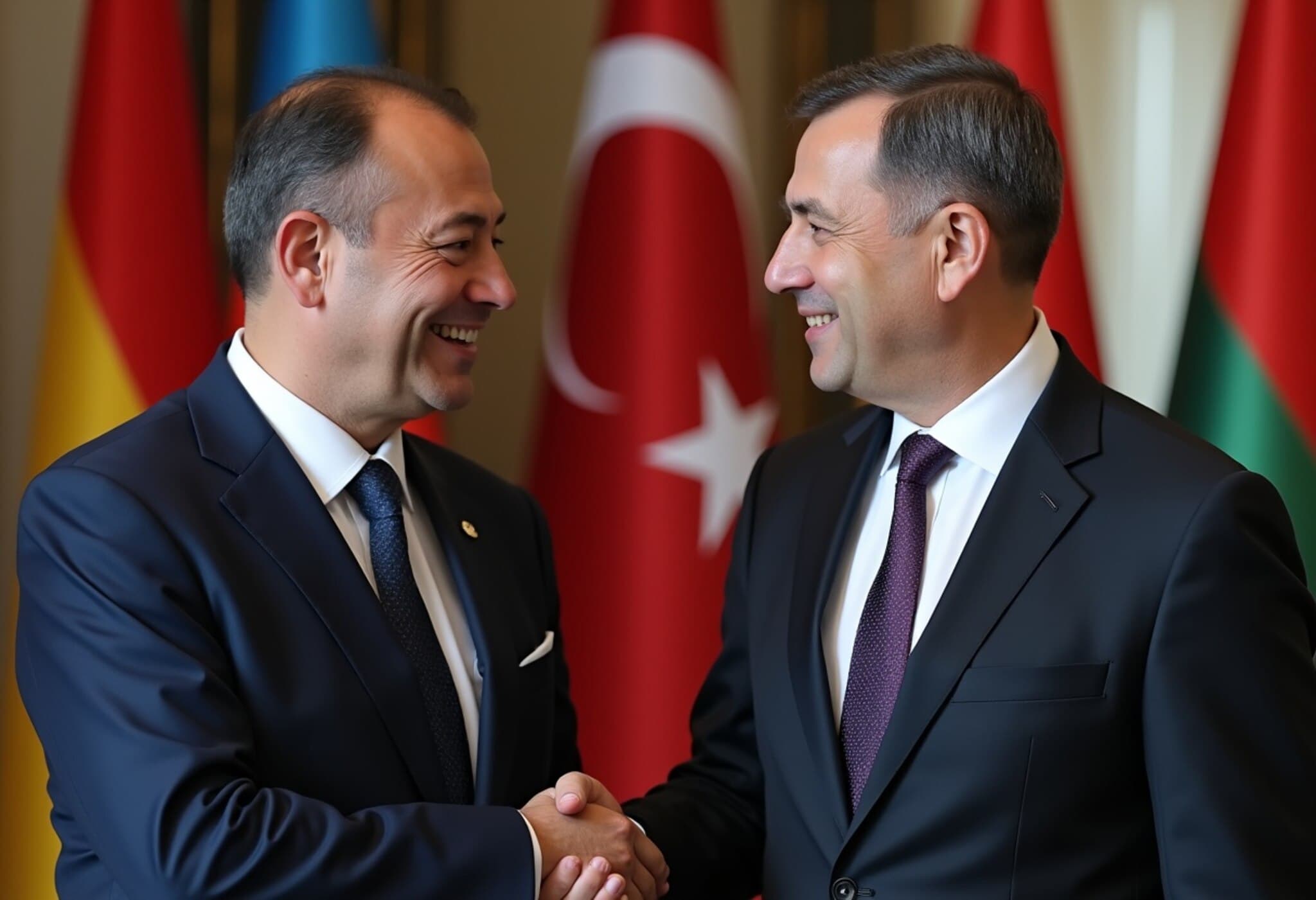
- Armenian and Azerbaijani leaders, after peace talks in Washington, voiced support for Trump’s role in mediation efforts.
- Rwanda’s Foreign Minister praised Trump for facilitating dialogue to end longstanding conflicts in Central Africa.
Trade Tensions Ripple Amid Diplomatic Dialogues
Simultaneously, the US has imposed a 15% tariff on Norwegian goods, aligning with similar tariffs on neighboring countries outside the European Union. This measure, part of Trump’s broader trade strategy, adds complexity to his relationship with Norway during this sensitive period. The scheduled talks between Trump and Norwegian Prime Minister Janus Store further underscore the delicate balancing act between economic policy and diplomatic goodwill.
The Broader Implications
This episode opens a window into how modern diplomacy blends formal protocols with unpredictable personal outreach. Trump’s direct phone call and his intertwining of economic discussions with peace prize aspirations highlight a personalized approach to international relations rarely seen in recent administrations.
Experts suggest that such calls, while unconventional, can be strategic moves to shape narratives and maintain visibility on the world stage. However, they also raise critical questions about the role of rhetoric versus substantive policy achievements in the awarding of prestigious honors like the Nobel Peace Prize.
Editor’s Note
As the Nobel Peace Prize announcement approaches, the spotlight on Donald Trump’s candidacy brings to the fore the complex interplay between international diplomacy, media narratives, and personal ambition. While Trump has undeniably engaged in numerous peace dialogues, it remains to be seen whether these efforts meet the Nobel Committee’s criteria rooted in lasting, transformative peace contributions.
This story beckons readers to critically assess how global peace efforts are recognized and the motivations behind political leaders’ quests for such honors. The juxtaposition of tariff talks and Nobel aspirations in one call encapsulates the multifaceted nature of modern geopolitical strategy—where economic interests, personal legacy, and global peace ambitions collide.