Trump’s Unexpected Call to Norway’s Finance Minister Sparks Discussions on Nobel Prize and Trade
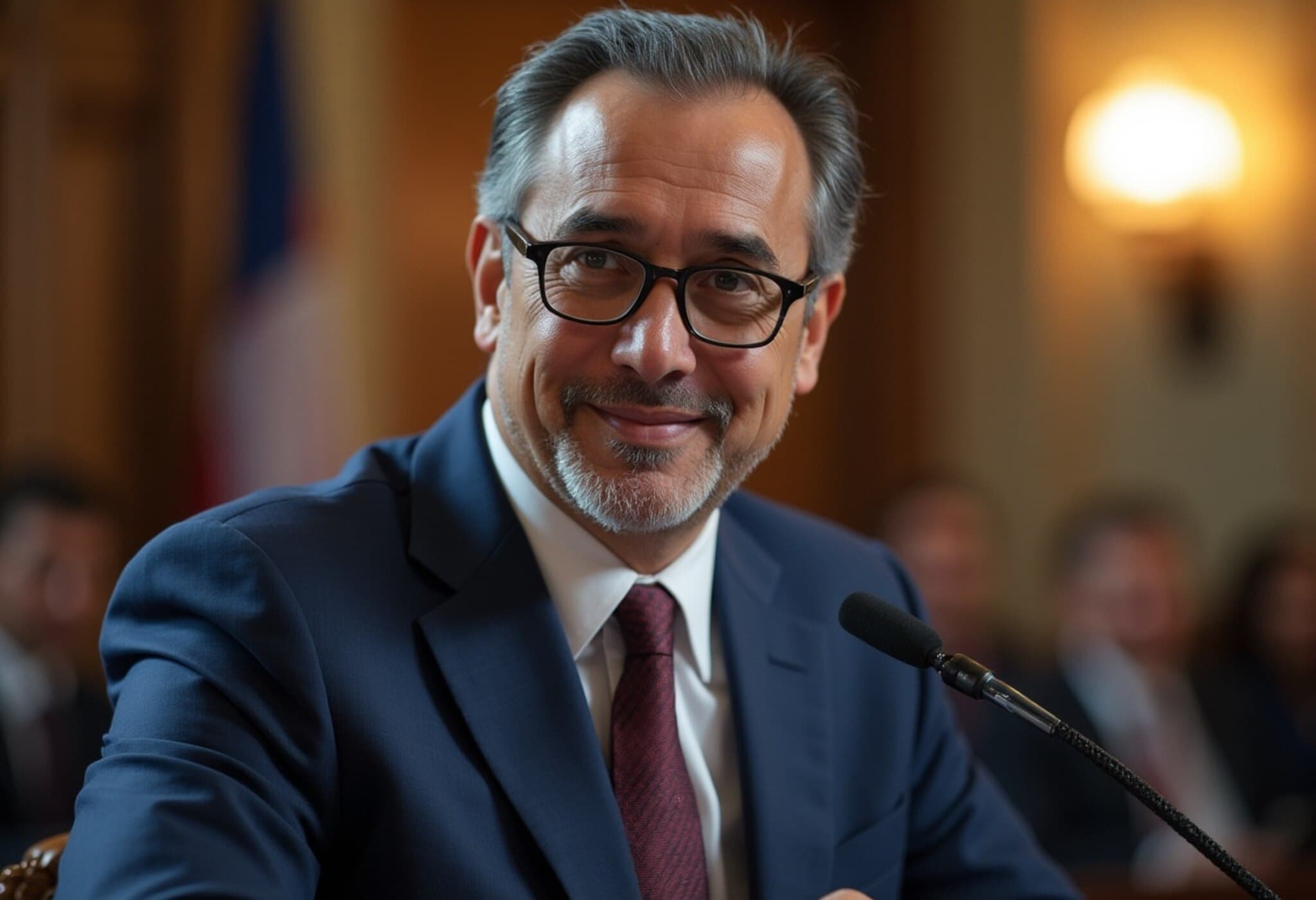
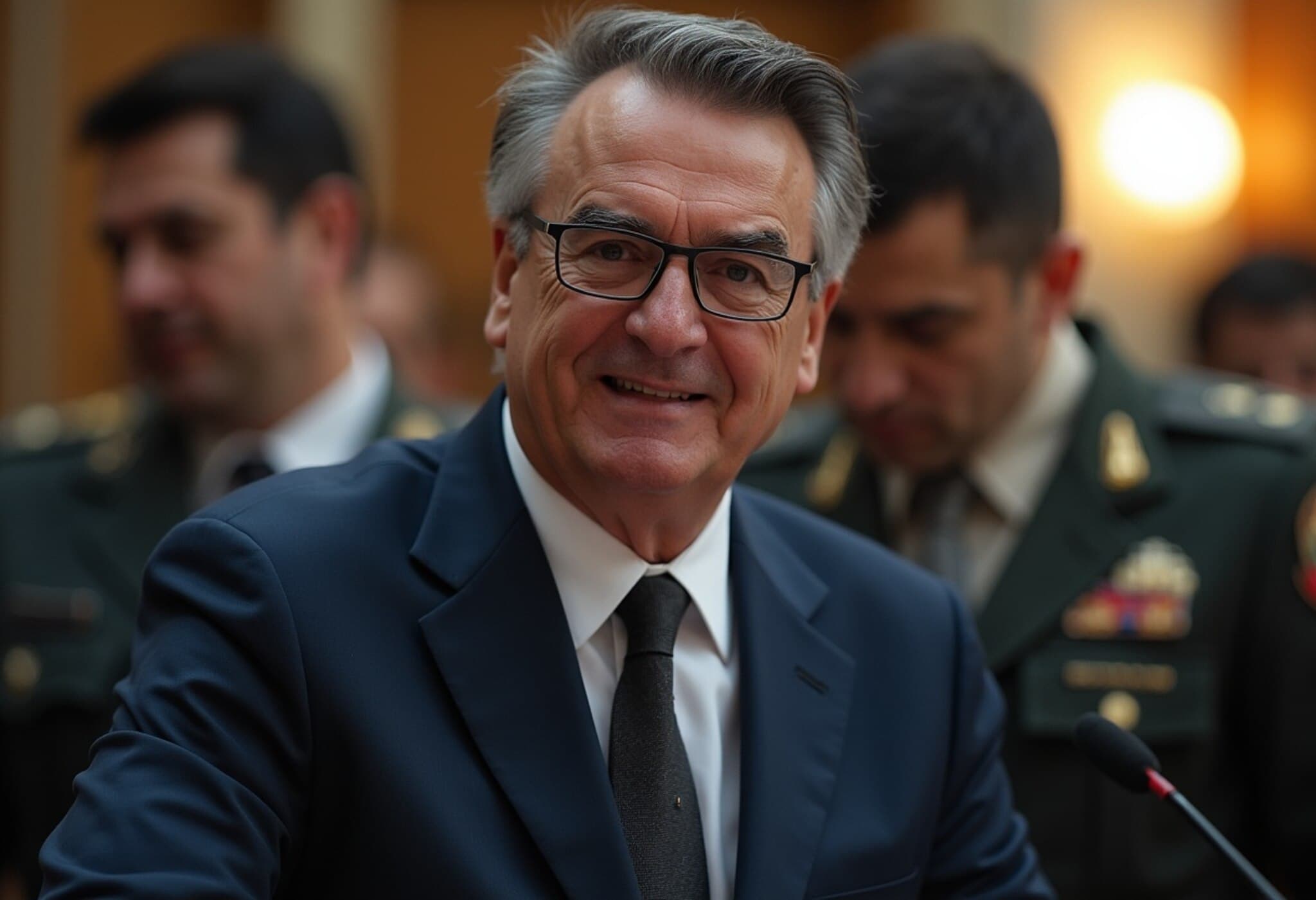
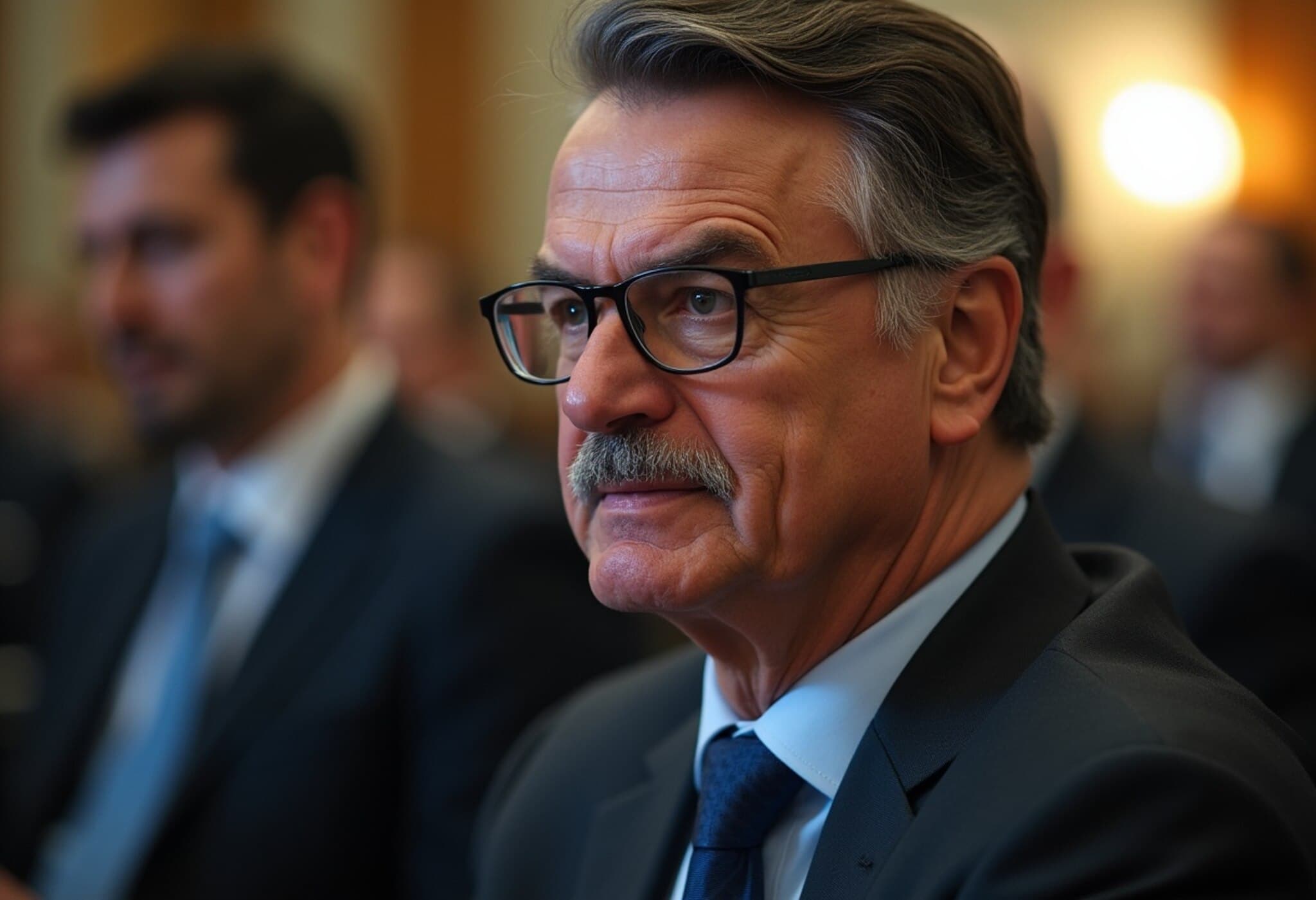
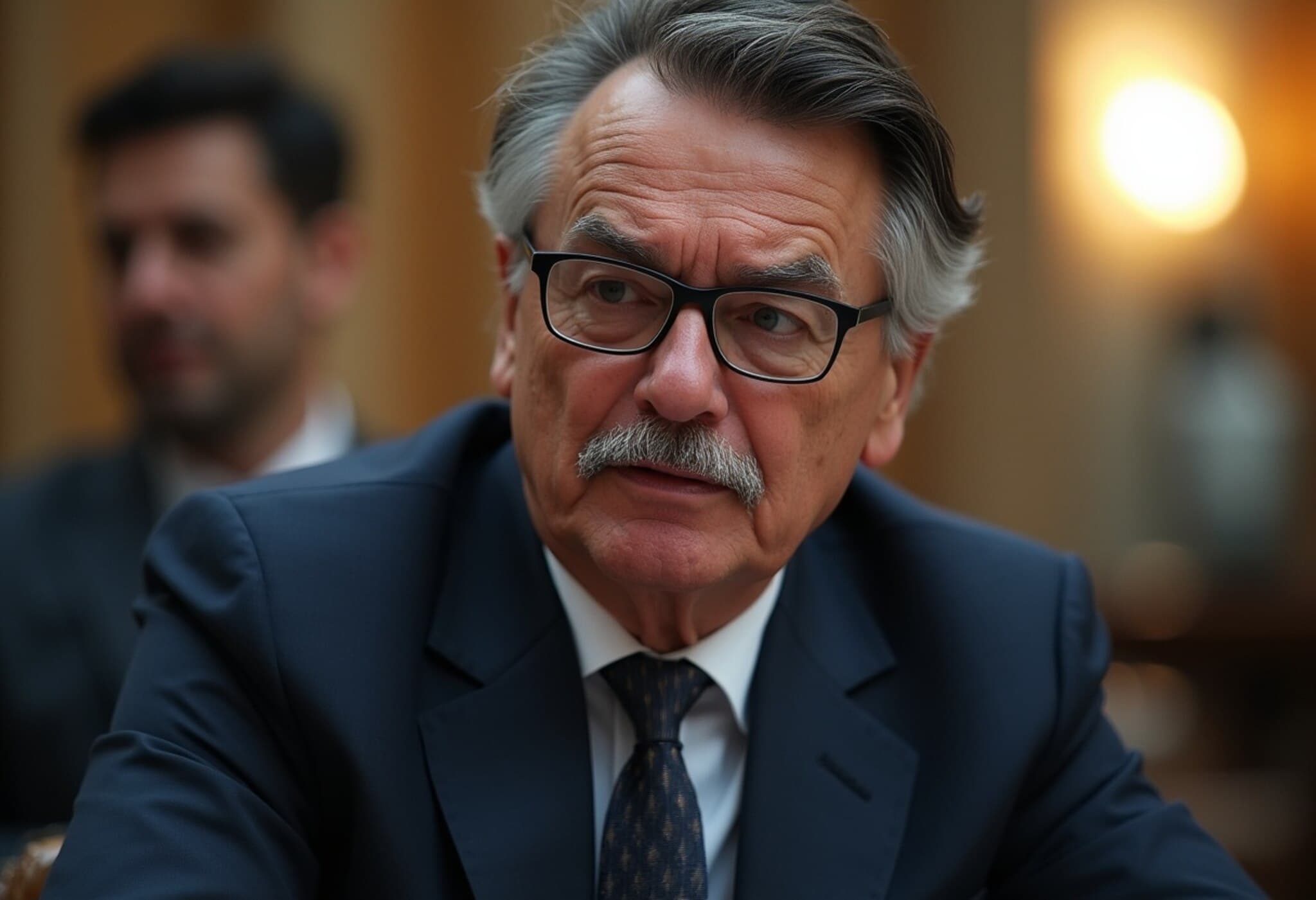
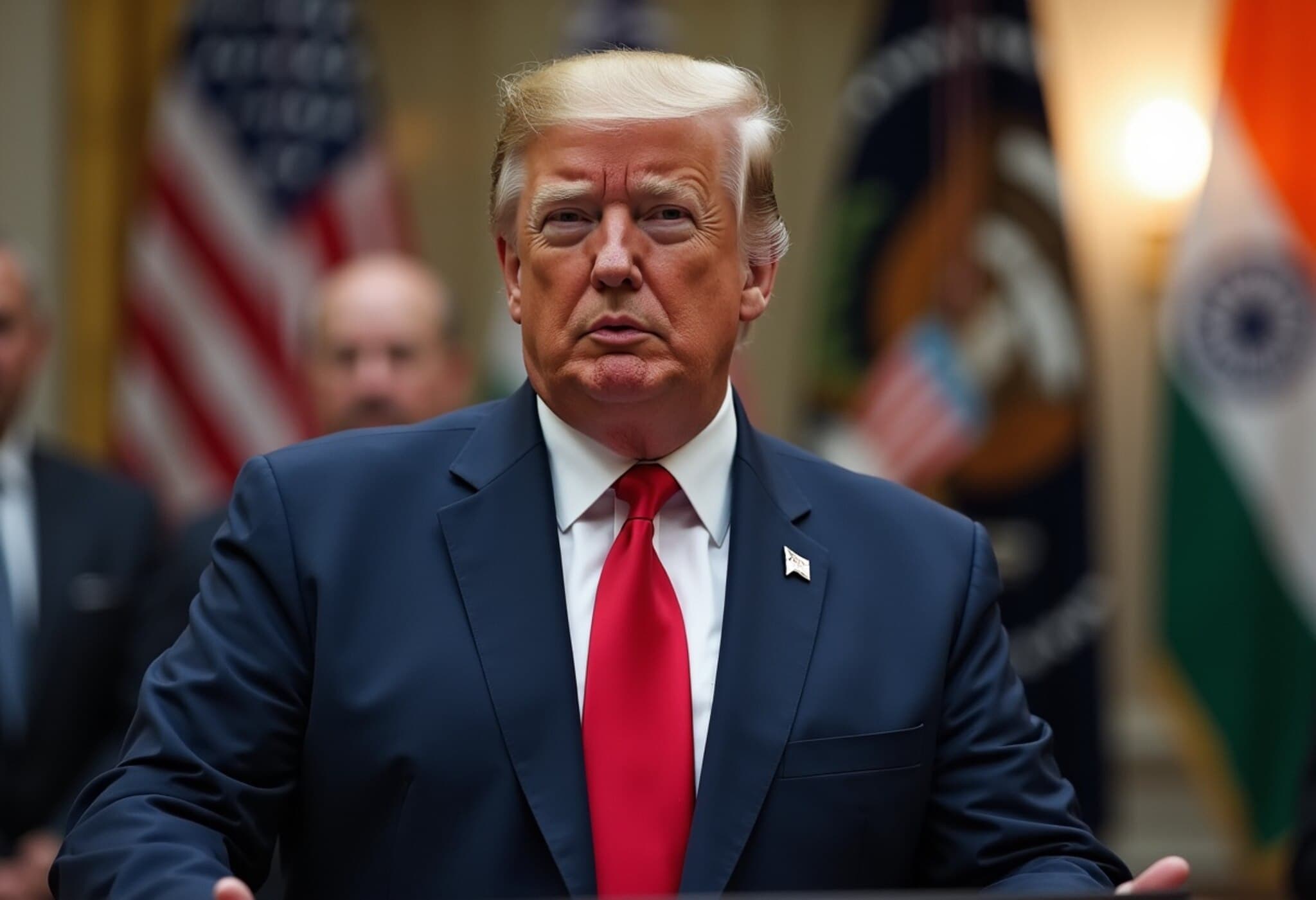
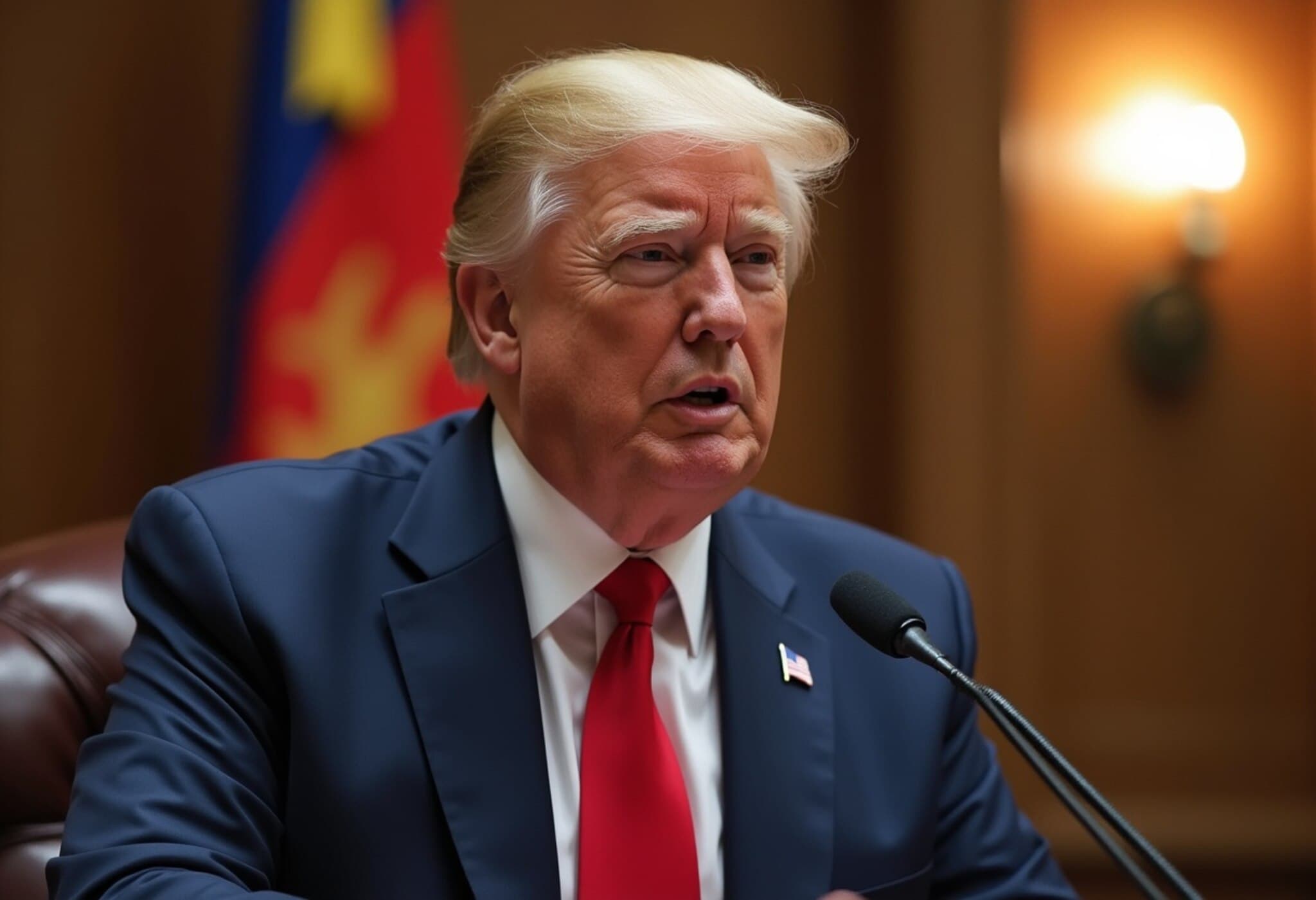
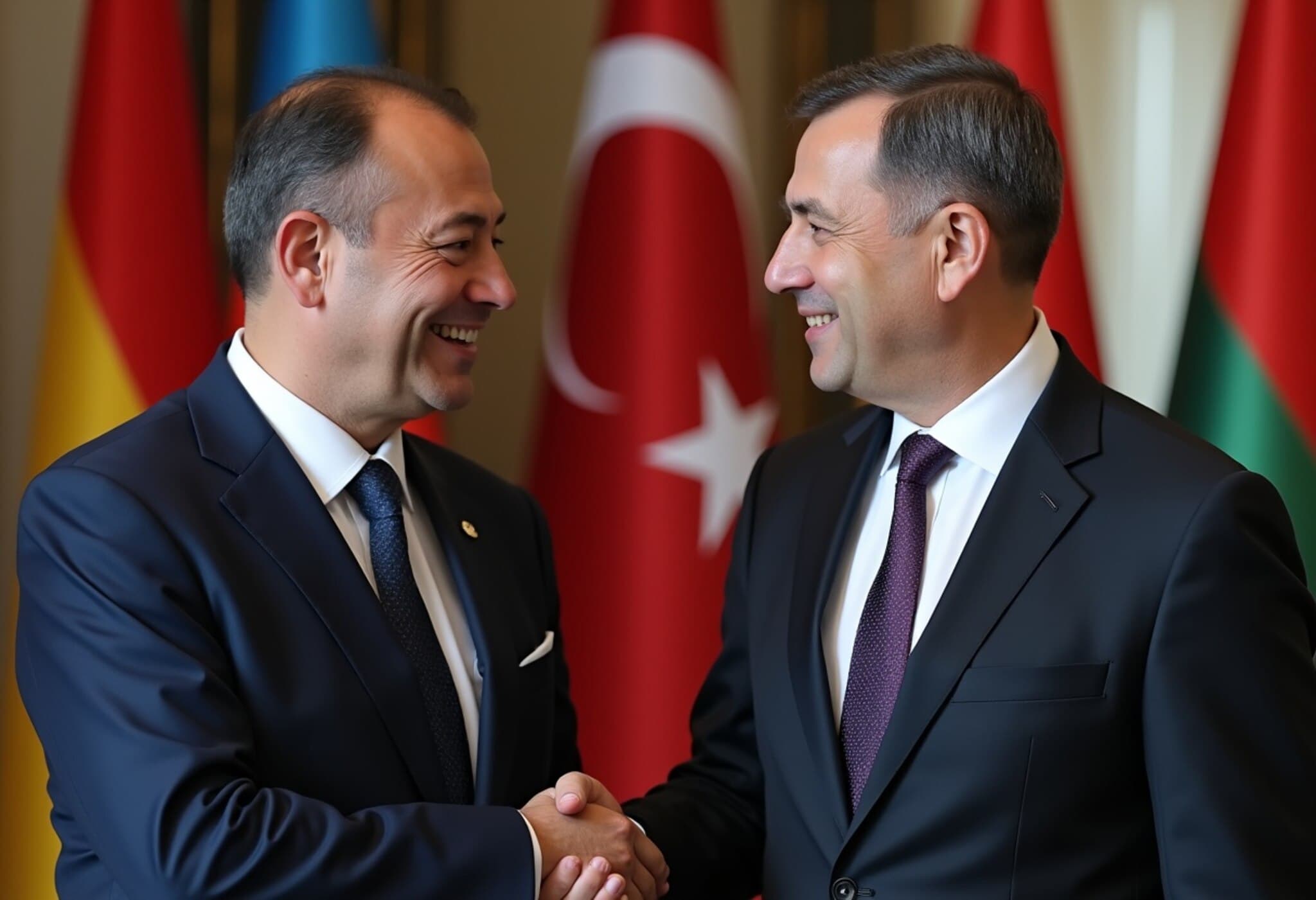
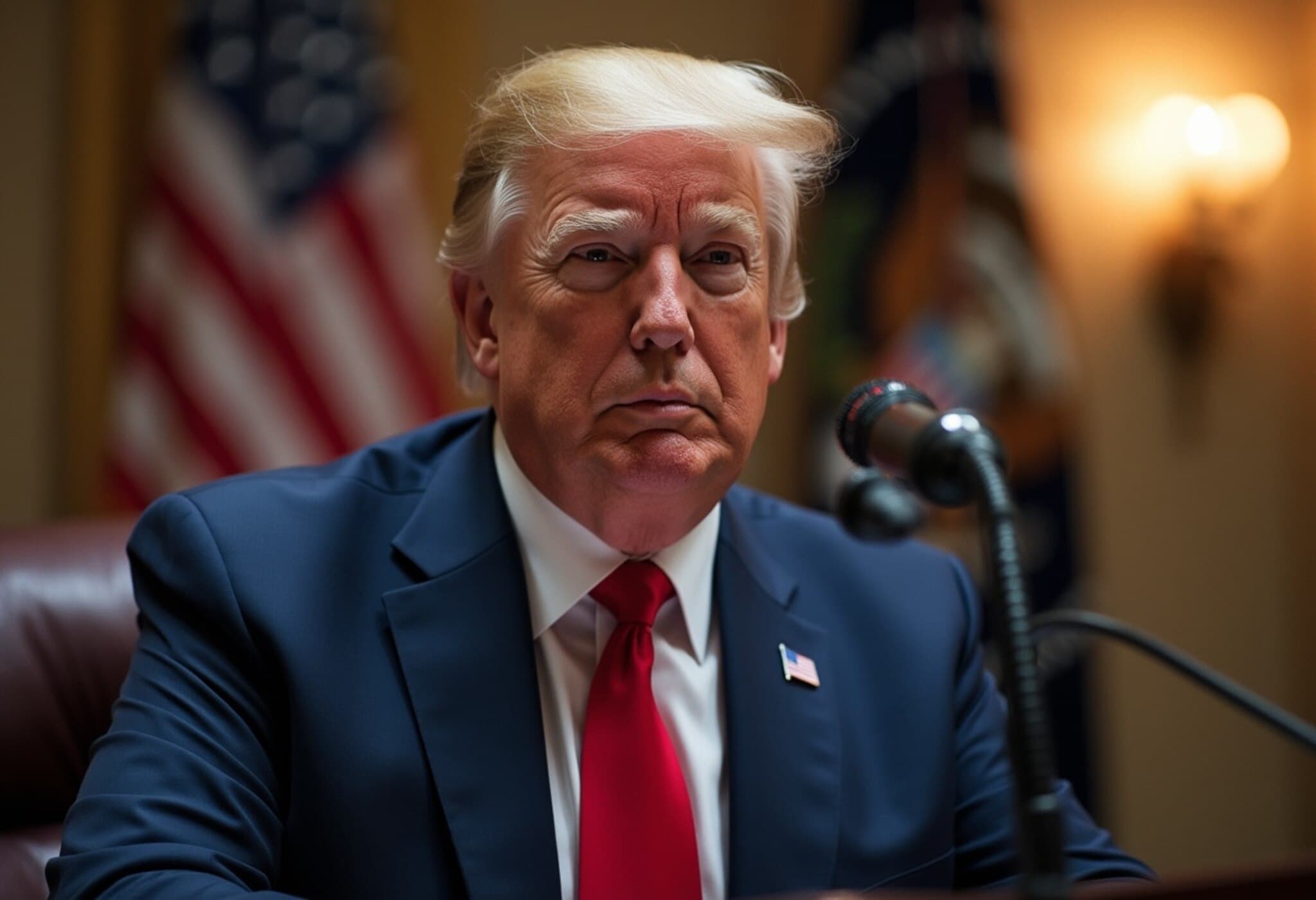
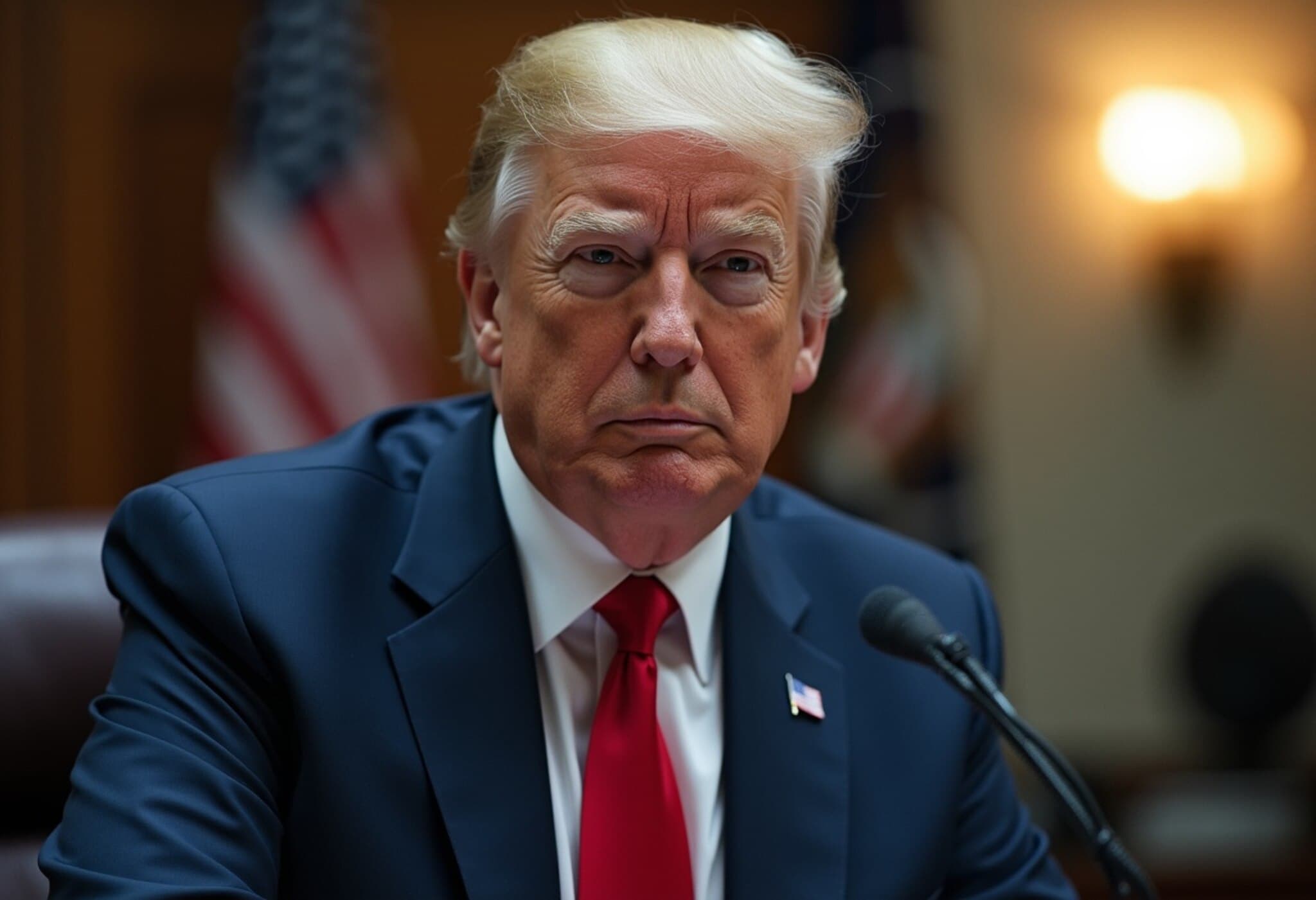
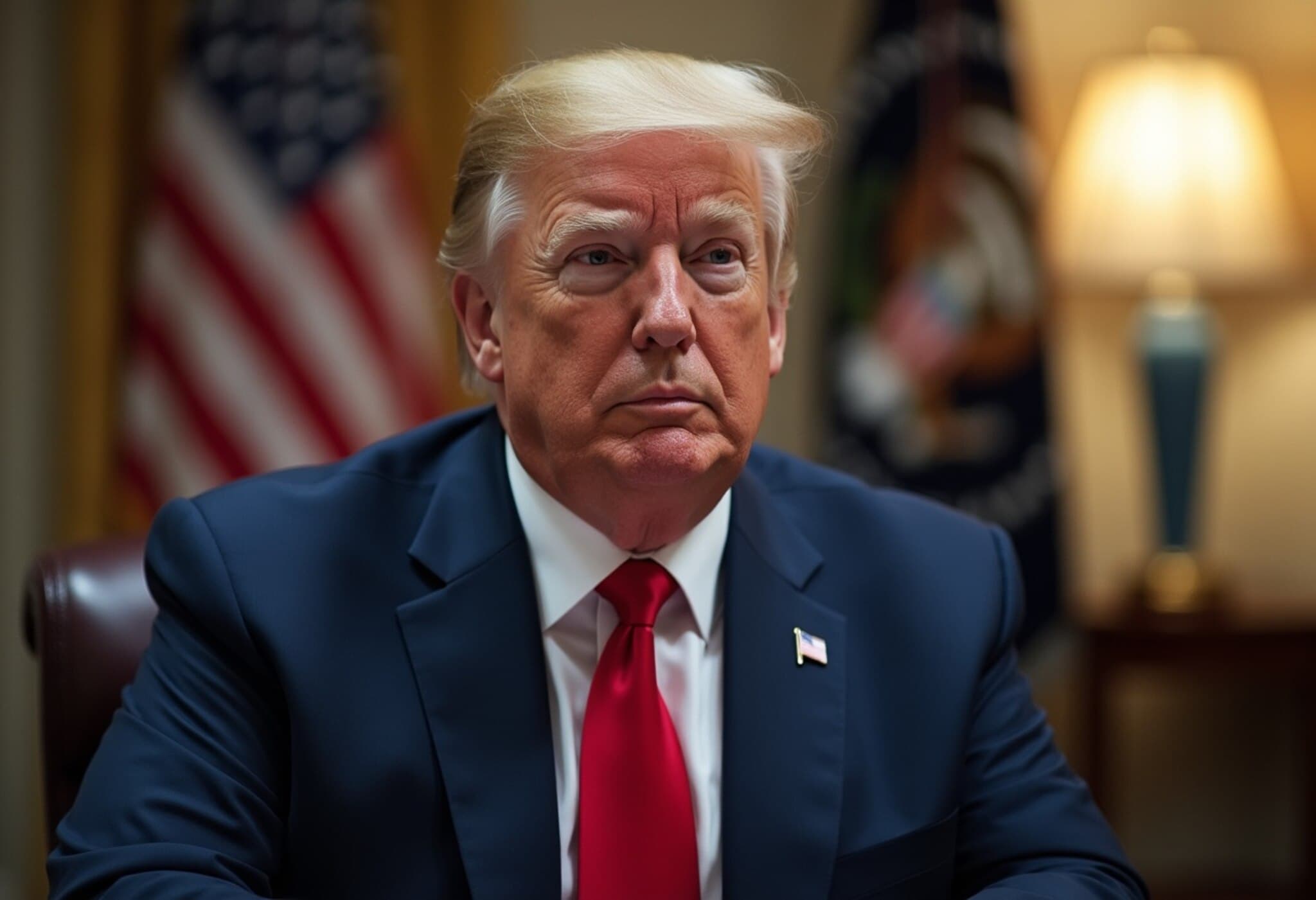
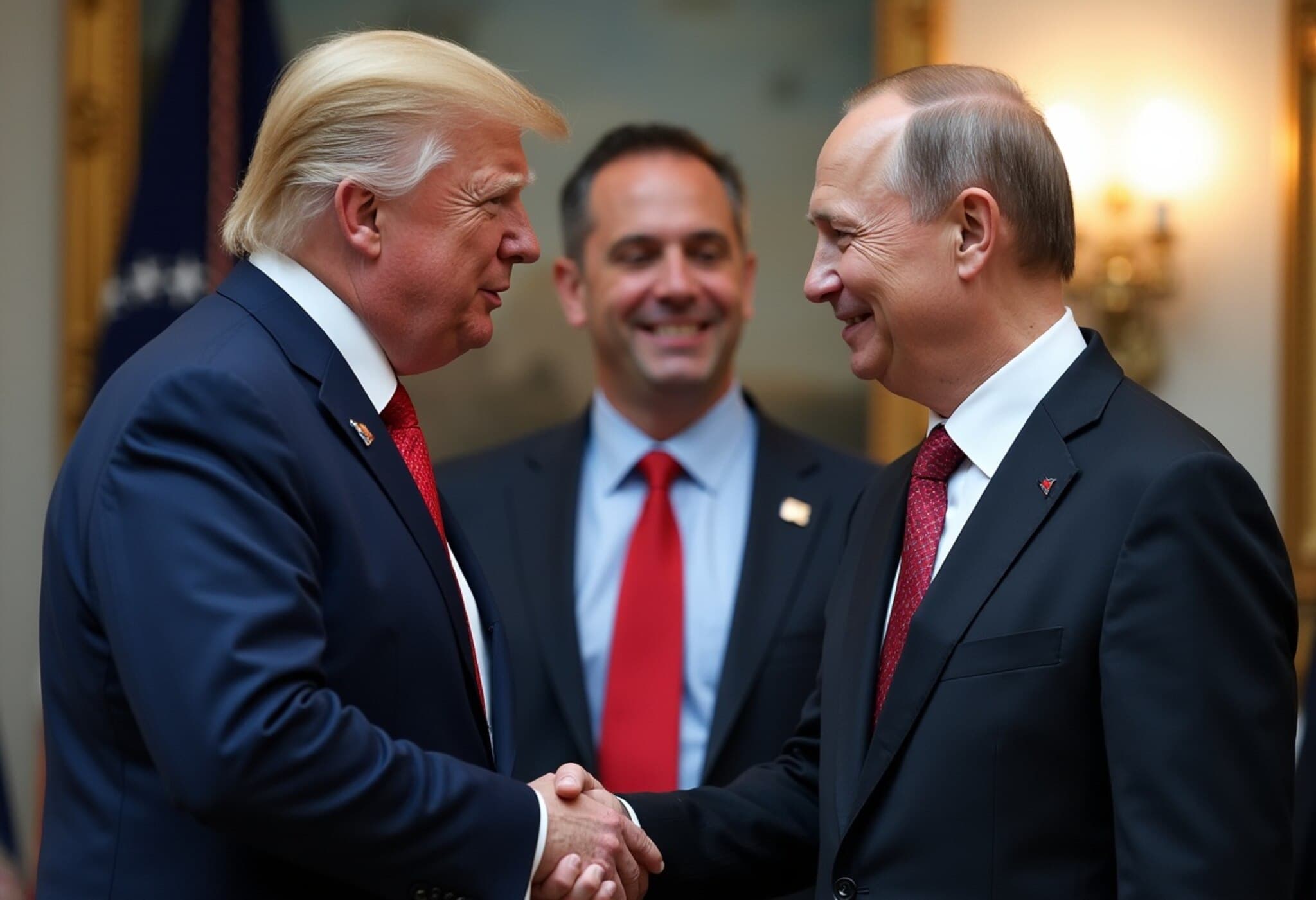
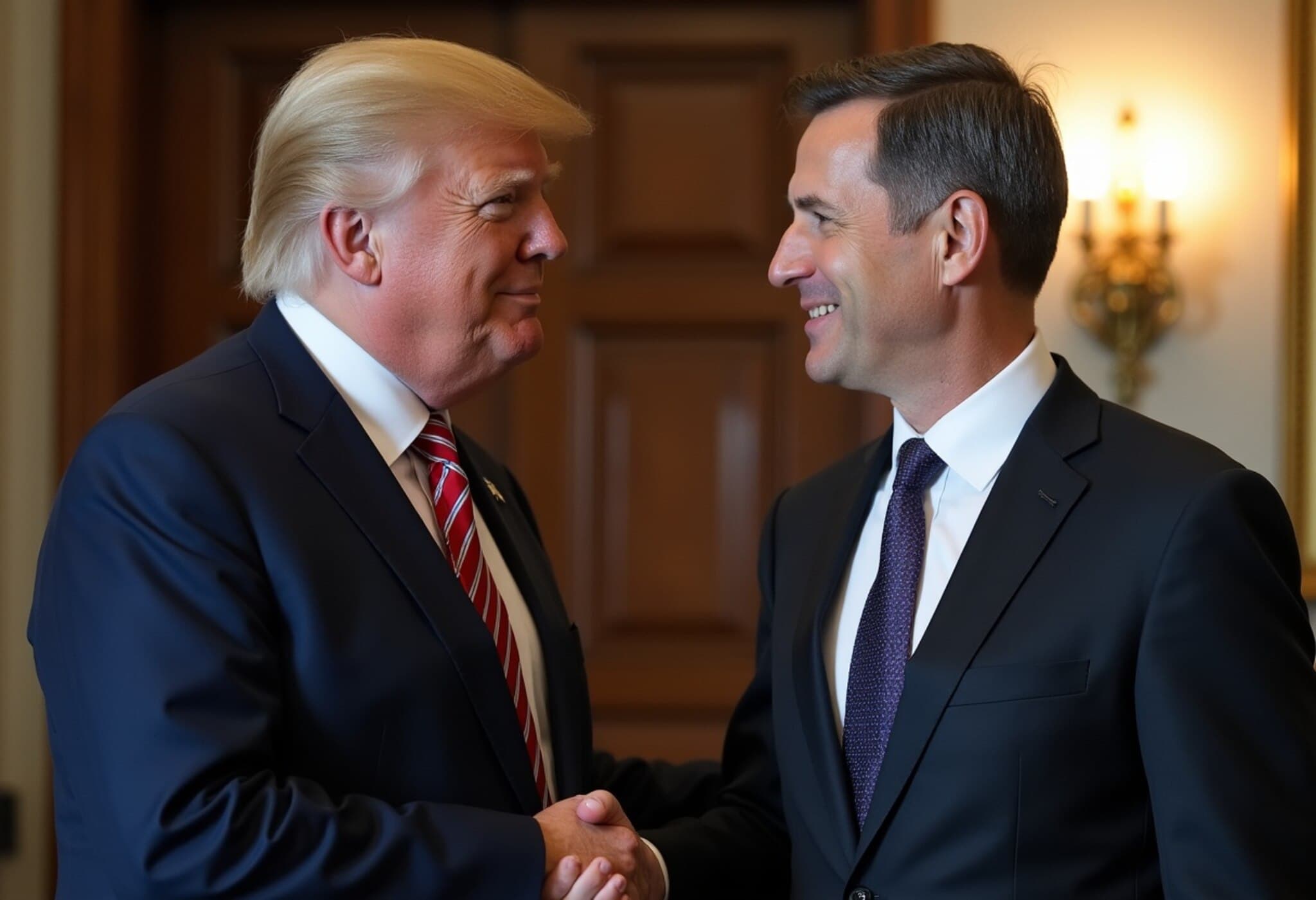
In a surprising diplomatic exchange last month, former U.S. President Donald Trump initiated a phone call with Norway’s Finance Minister Jens Stoltenberg, touching upon two weighty topics: trade tariffs and Trump’s aspiration to secure the prestigious Nobel Peace Prize.
This conversation, first unveiled by the Norwegian newspaper Dagens Næringsliv and corroborated by an Oslo government official to POLITICO, sheds light on Trump’s continuing pursuit of international recognition, particularly the Norwegian-acclaimed award that has historically been bestowed on several U.S. presidents before him.
Trump's Nobel Peace Prize Ambitions: An Unfolding Narrative
Donald Trump’s name has been put forward for the Nobel Peace Prize nomination by countries such as Israel, Pakistan, and Cambodia, applauding his role in brokering peace agreements and ceasefires in various conflict zones. Trump has expressed strong belief that he deserves this honor—an accolade granted in the past to four former American presidents and widely regarded as one of the globe’s highest humanitarian recognitions.
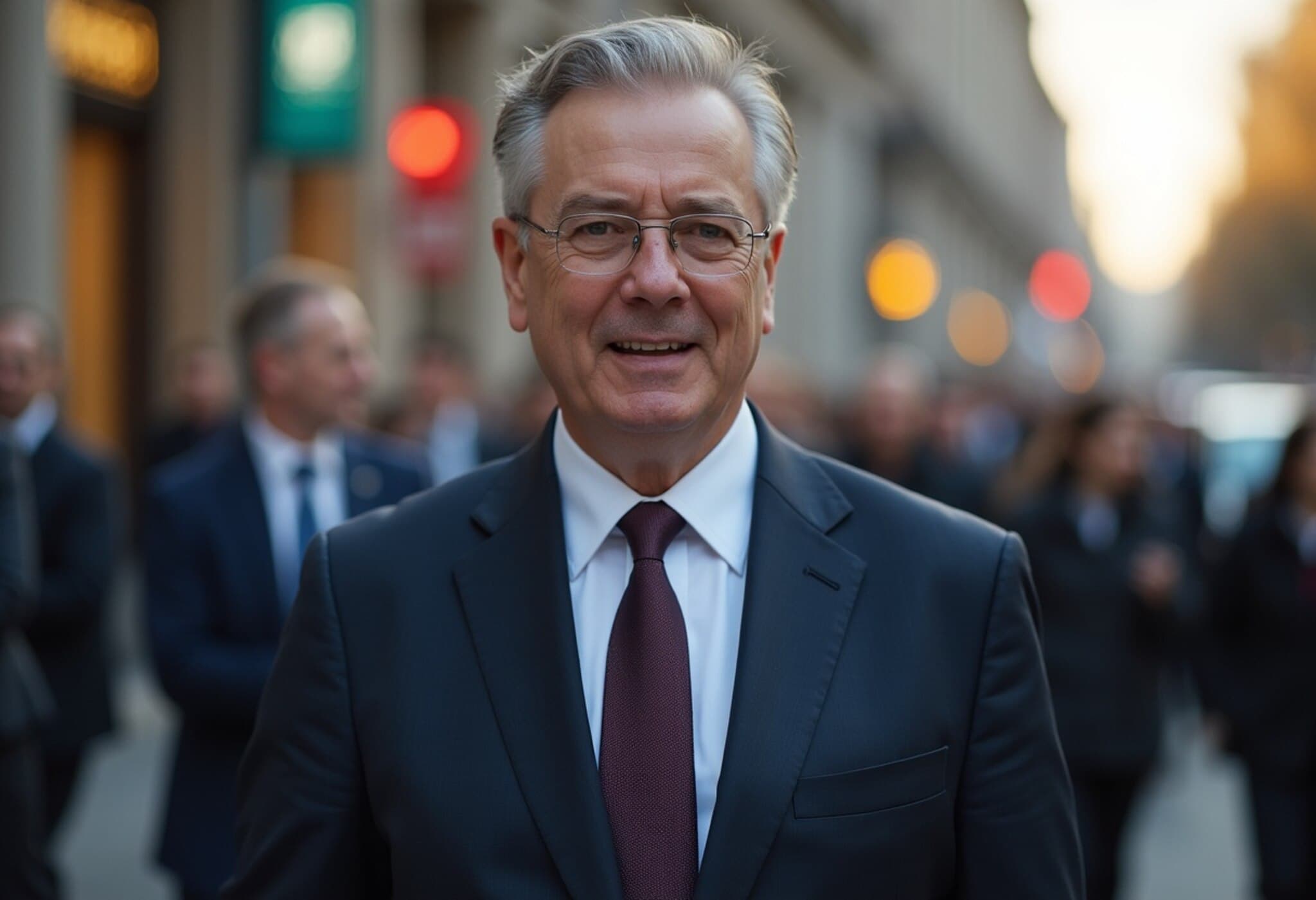
According to Dagens Næringsliv, the call was unanticipated and occurred while Stoltenberg was walking through Oslo. An anonymous source told the newspaper:
“Out of the blue, while Finance Minister Jens Stoltenberg was walking down the street in Oslo, Donald Trump called. He wanted the Nobel Prize—and to discuss tariffs.”
The report also highlighted that this was not the first instance in which Trump raised the topic of the Nobel Prize directly with Stoltenberg, underscoring the former president’s ongoing engagement with Norwegian officials on this matter.
Tariffs and Trade: Navigating Strained Economic Ties
Alongside the Nobel discussion, tariffs constituted a central point of the call. The U.S. had imposed a 15% tariff on Norwegian imports in late July 2025, aligning with similar duties on the European Union. This move raised concerns in Norway about its economic relationship with one of its key trading partners.
Stoltenberg later confirmed that the call involved high-level officials including U.S. Treasury Secretary Scott Bessent and U.S. Trade Representative Jamieson Greer, emphasizing the seriousness of the dialogue on economic cooperation.
“The call was to discuss trade tariffs and economic cooperation ahead of the U.S. President’s scheduled conversation with Norwegian Prime Minister Jonas Stoere,” Stoltenberg said, while refraining from divulging further details about the Nobel Prize discussion.
While the tariff conversations remain ongoing, the situation highlights the delicate balancing act between political diplomacy and economic interests amid shifting global alliances.
Understanding the Nobel Prize Selection Process
The Nobel Peace Prize is awarded annually by the Norwegian Nobel Committee, a five-member panel appointed by Norway’s parliament. The committee’s mission reflects the will of Alfred Nobel, the 19th-century Swedish industrialist who established the prize to honor outstanding contributions to peace and humanitarian efforts worldwide.
With hundreds of candidates vying each year, the selection process is both rigorous and confidential. The announcement is traditionally made every October in Oslo, Norway.
Expert Insight: What Does This Mean for U.S.-Norway Relations?
From a policy perspective, the call crystallizes ongoing complexities in the U.S.-Norway partnership. While both nations share commitments through NATO and diplomatic ties, economic frictions such as tariff impositions introduce tension into otherwise cooperative relations.
Moreover, Trump’s personal pursuit of the Nobel Peace Prize through direct outreach to Norwegian officials underscores a broader phenomenon where political figures seek global legitimization via international honors. This raises critical questions about the intersection of diplomacy, domestic political branding, and global recognition.
Economists warn that trade disputes like tariffs may have unintended consequences, potentially disrupting supply chains and impacting industries from fisheries to technology in Norway, while also affecting U.S. consumers through increased costs.
Looking Ahead
- Negotiations on tariffs between the U.S. and Norway continue amid economic pressures.
- The 2025 Nobel Peace Prize announcement in October may reignite international debates around peacebuilding and the role political leaders play.
- Observers will closely monitor how diplomatic communication evolves given these intersecting economic and political dimensions.
Editor’s Note
This episode offers a rare glimpse into the nexus of personal ambition, international diplomacy, and economic strategy. It invites readers to consider how accolades like the Nobel Peace Prize serve as more than just honors—they can be instruments of political narrative shaping and soft power projection.
As the U.S. and Norway navigate tariff disputes and geopolitical alignments, one must ask: How do cultural diplomacy and trade policies intertwine to define the future of international partnerships?
Continuing coverage will unfold critical insights into how these dynamic forces shape both countries’ paths forward.
By analyzing beyond surface-level headlines, journalists and policy analysts alike can deepen public understanding of complex global relationships.