Another Opposition Mayor Detained in Erdogan’s Broad Corruption Crackdown
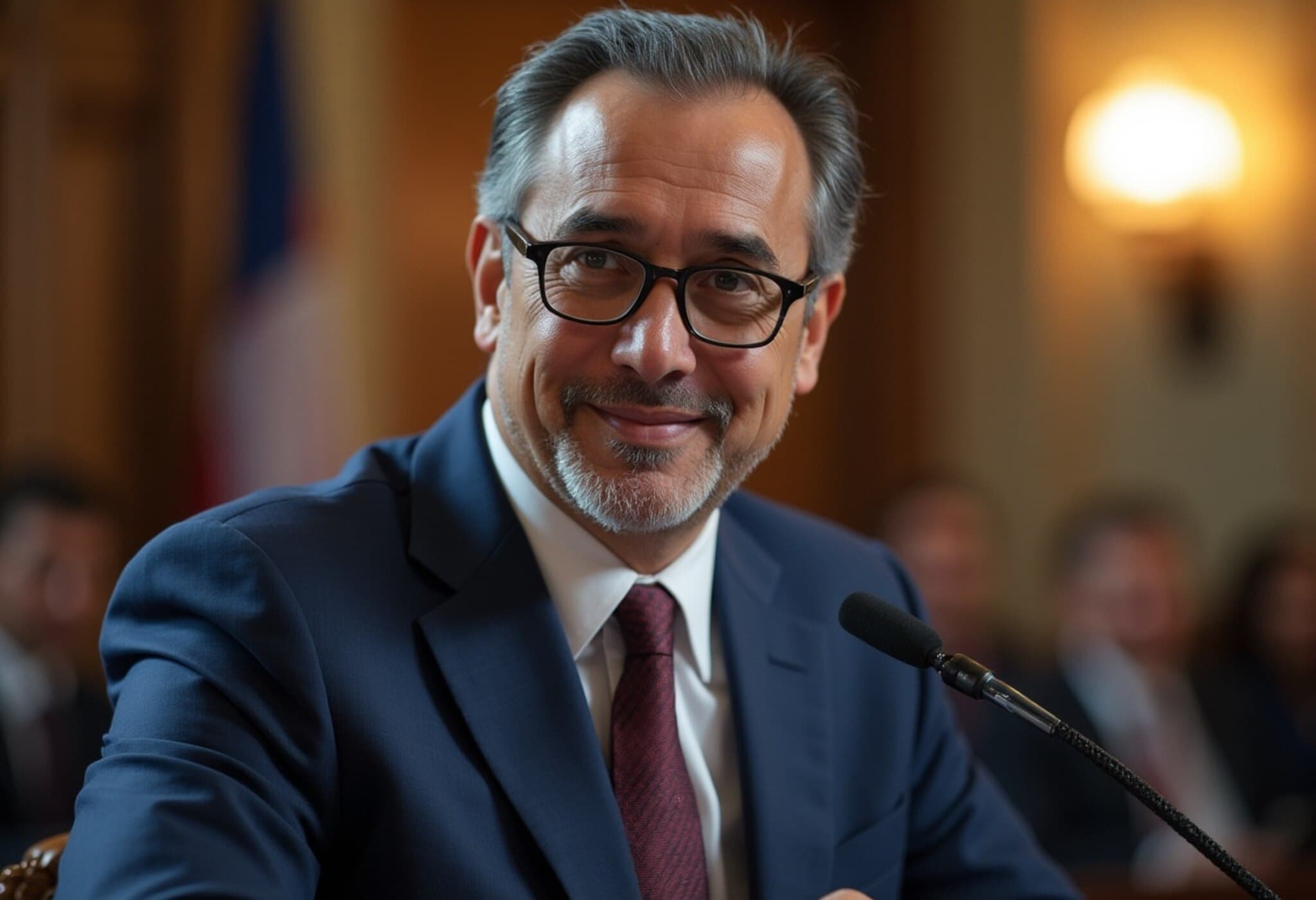
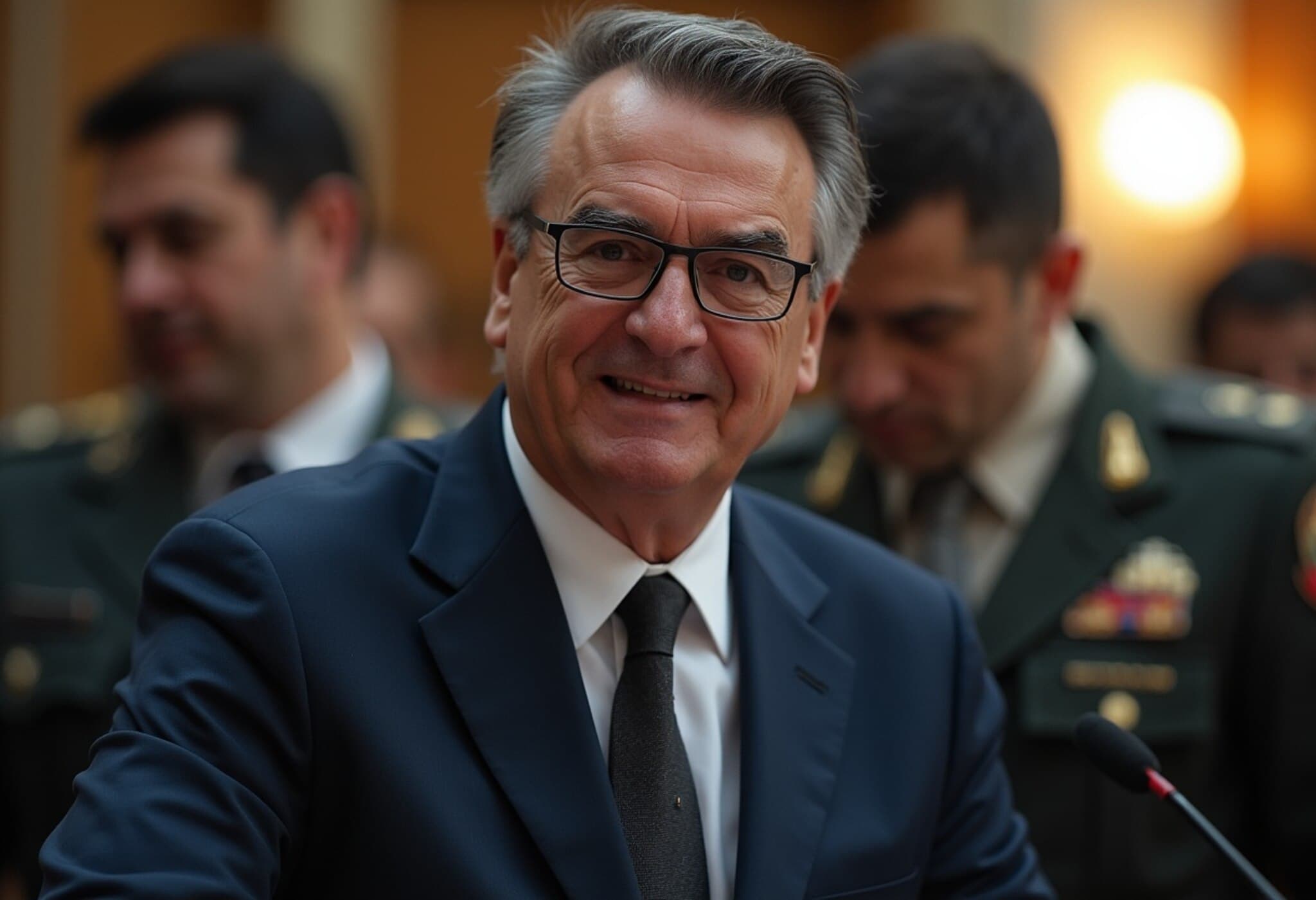
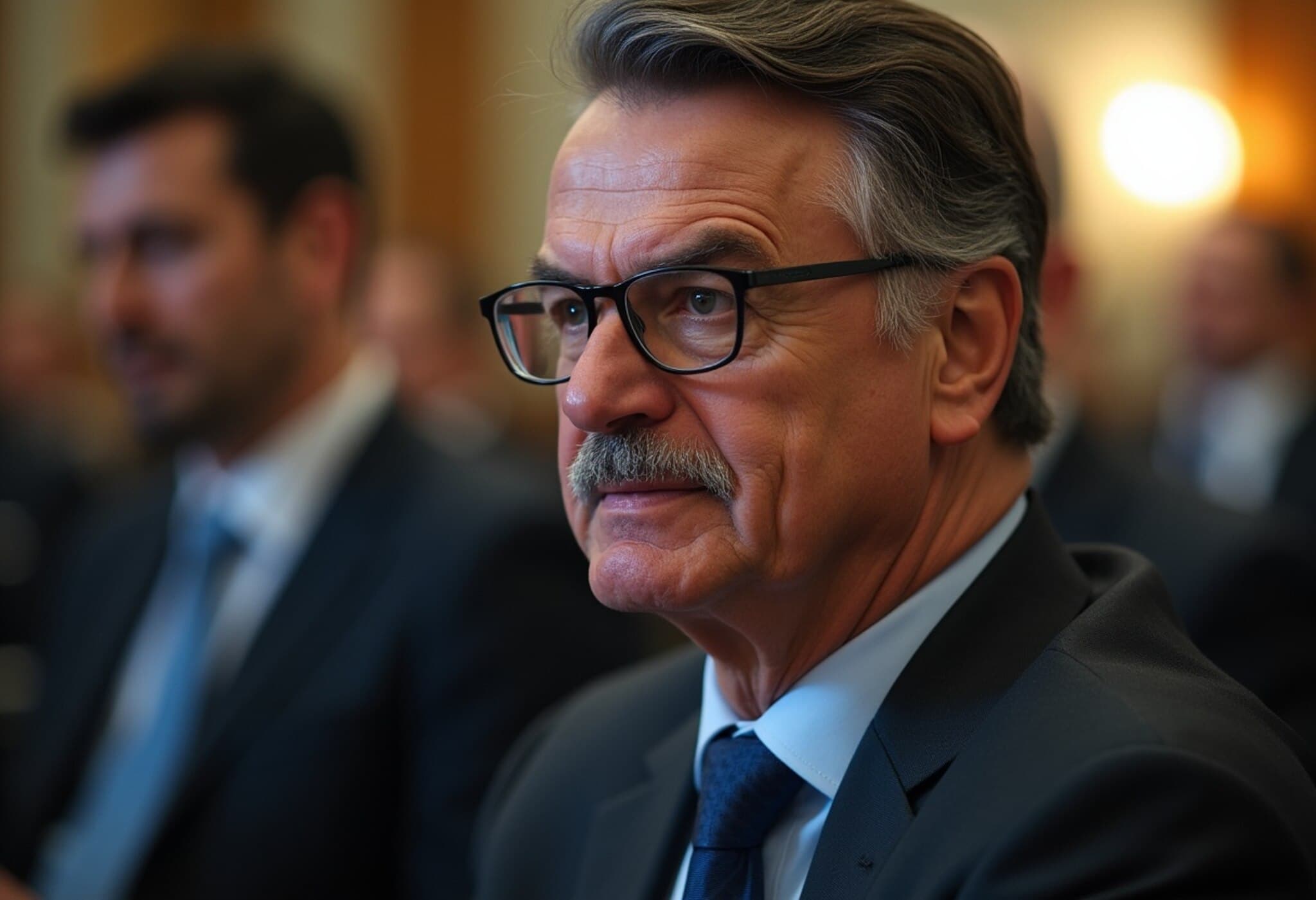
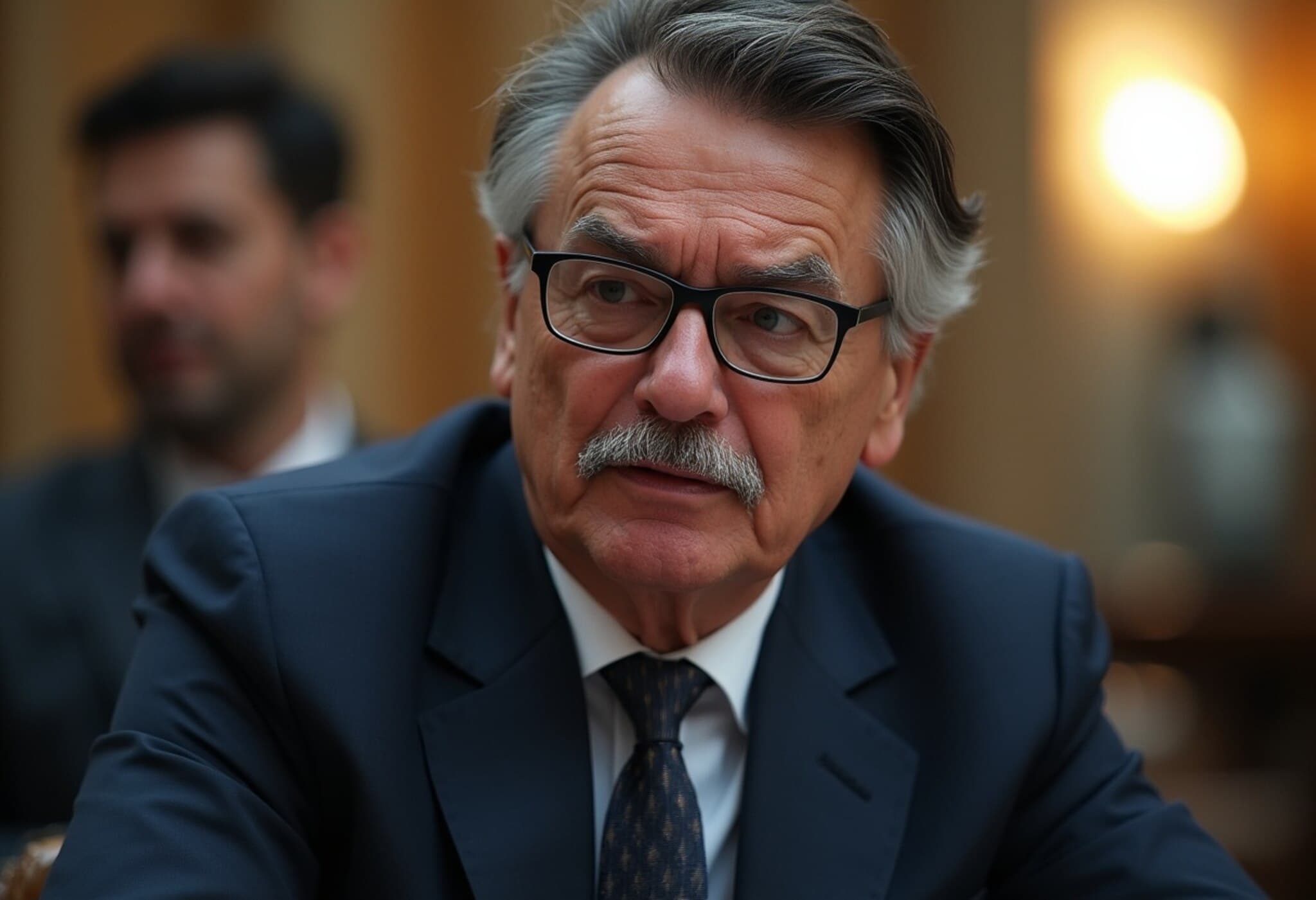
In yet another striking development highlighting the tense political climate in Turkey, the mayor of Istanbul’s Beyoglu district, Inan Guney, has been detained on charges linked to corruption. Guney, a member of the main opposition Republican People’s Party (CHP), marks the 16th opposition mayor to be arrested in a crackdown that has engulfed Turkey’s political landscape over the last year.
Context: A Deepening Political Standoff
This latest sweep comes amidst President Recep Tayyip Erdogan’s ongoing campaign against perceived political adversaries, particularly those affiliated with CHP. Among the most high-profile prisoners is Ekrem Imamoglu, the Istanbul mayor and Erdogan’s principal political challenger, currently under investigation for allegations ranging from corruption to supposed links with terrorism.
Official state media TRT Haber reported that the arrested officials, including Guney, are allegedly involved in fraudulent dealings connected to companies associated with the Istanbul municipality. Warrants were issued for 44 individuals in total, with 40 taken into custody.
Opposition’s Response and Accusations
The CHP vehemently denies these charges, framing them as politically motivated attempts to stifle a legitimate democratic alternative in Turkey’s vibrant but increasingly polarized political arena. CHP leader Ozgur Ozel has accused Erdogan’s ruling AK Party (AKP) of using the justice system to intimidate opposition figures.
In an illustrative fallout, CHP mayor Ozlem Cercioglu from Aydin defected to AKP, claiming disillusionment with her party. However, she refuted allegations that her defection was coerced through threats of legal action, countering CHP’s narrative. An AKP deputy chair dismissed the claim as baseless.
What This Means for Turkey’s Democracy
These detentions raise critical questions about the balance between anti-corruption efforts and political freedom in Turkey. Observers within the international community—and particularly from the European Union and U.S.—have expressed concerns about the erosion of democratic norms as opposition voices become increasingly marginalized.
Turkey’s strategic geopolitical position amplifies the global interest in how rule of law and democratic institutions evolve domestically. For American policymakers, developments like these complicate cooperation on issues ranging from regional security to economic partnerships.
Looking Ahead: Challenges and Risks
- Legal transparency: Calls are mounting for clearer, impartial judicial procedures to prevent politicization of corruption investigations.
- Political stability: With growing unrest, the risk of social protest escalating remains a looming threat.
- Media freedom: Curbs on independent journalism further obscure the public’s ability to assess such charges objectively.
Ultimately, the question remains whether Turkey can reconcile combating legitimate corruption with preserving democratic plurality—an issue resonating far beyond its borders.
Editor’s Note
The wave of imprisonments of opposition mayors signals a critical juncture for Turkish democracy. While official narratives emphasize anti-corruption, the broader political context suggests this is also a battle for democratic space and legitimacy. Readers should watch closely how these developments influence Turkey’s domestic cohesion and international relations, particularly with Western allies invested in democratic governance.