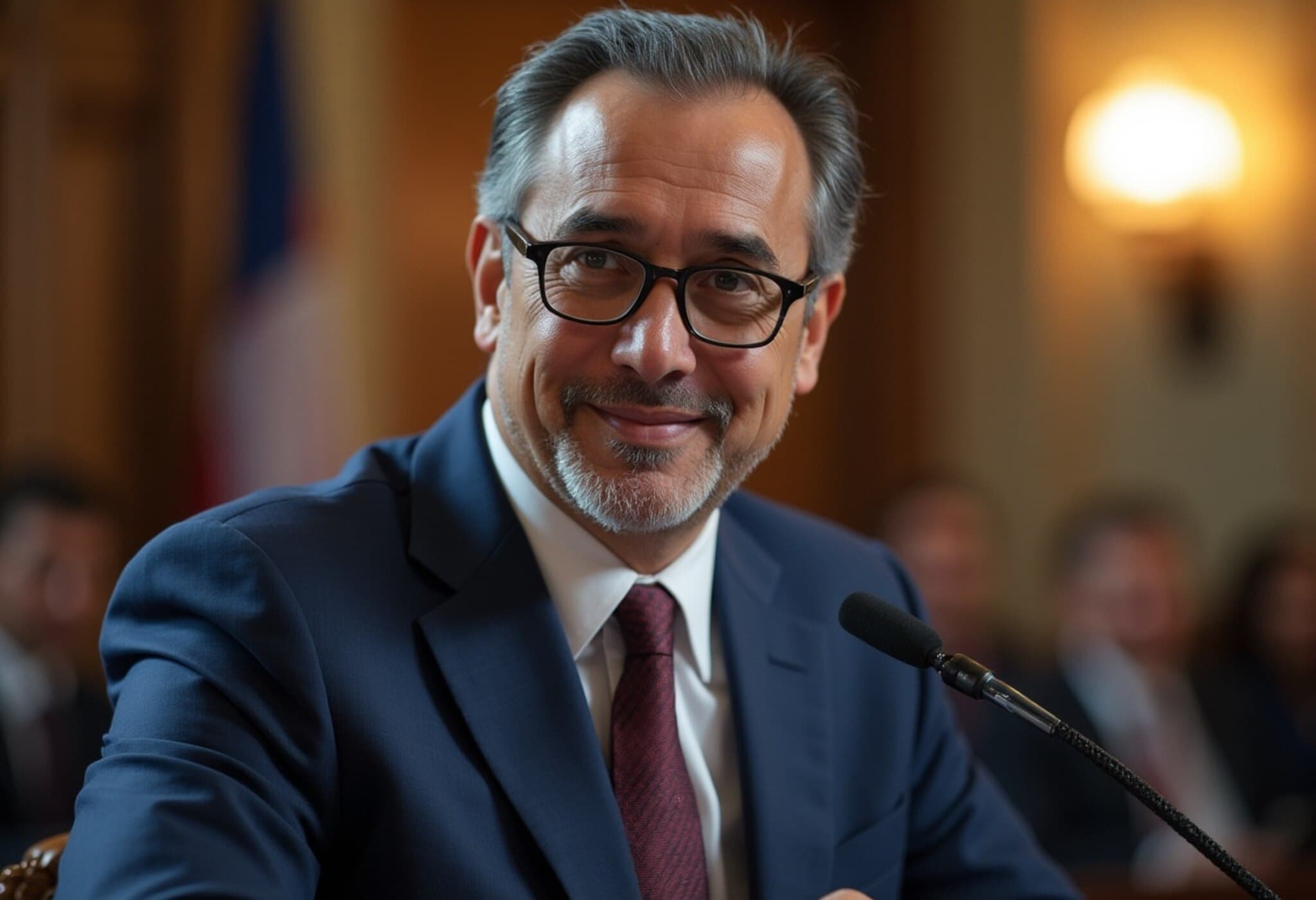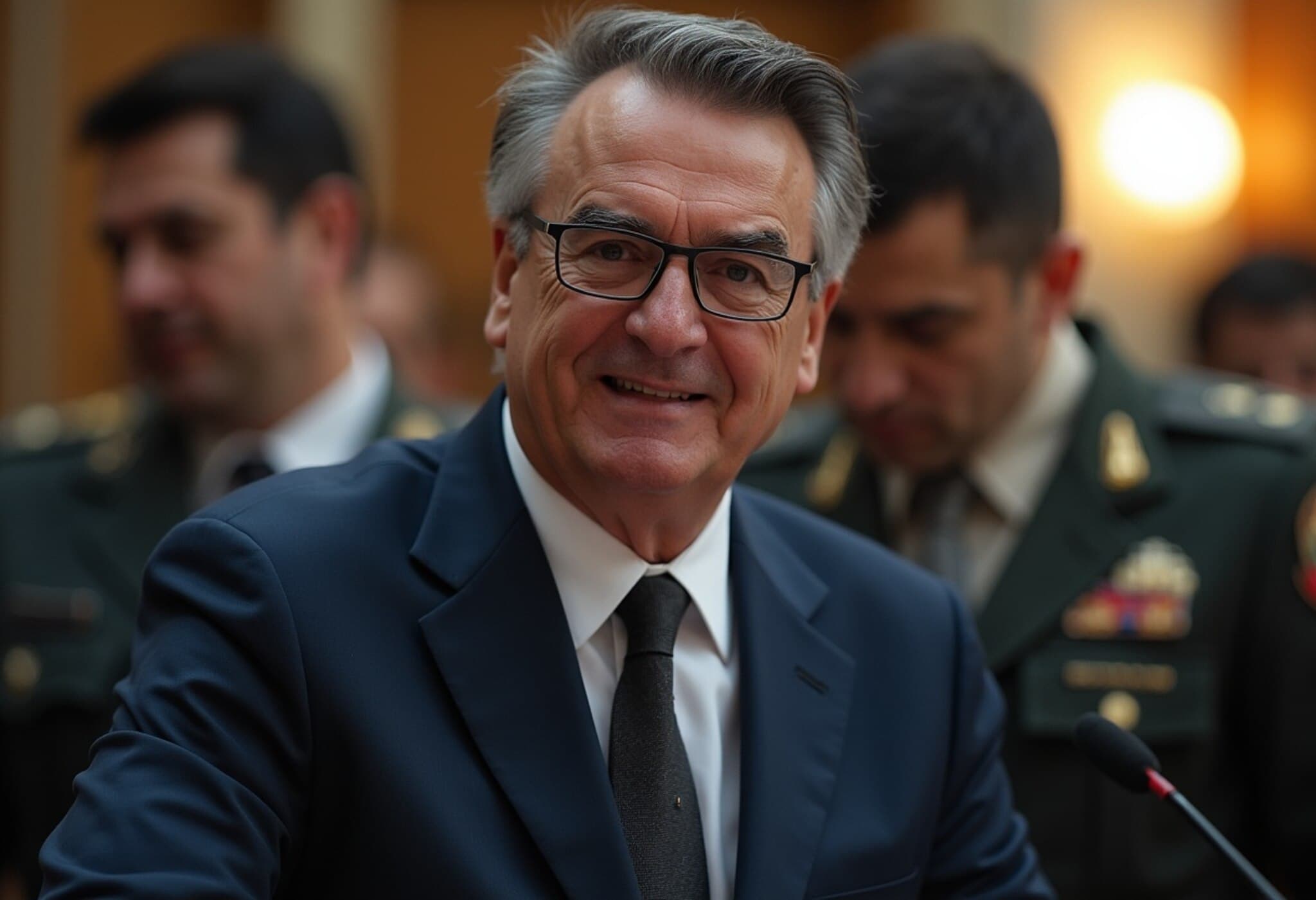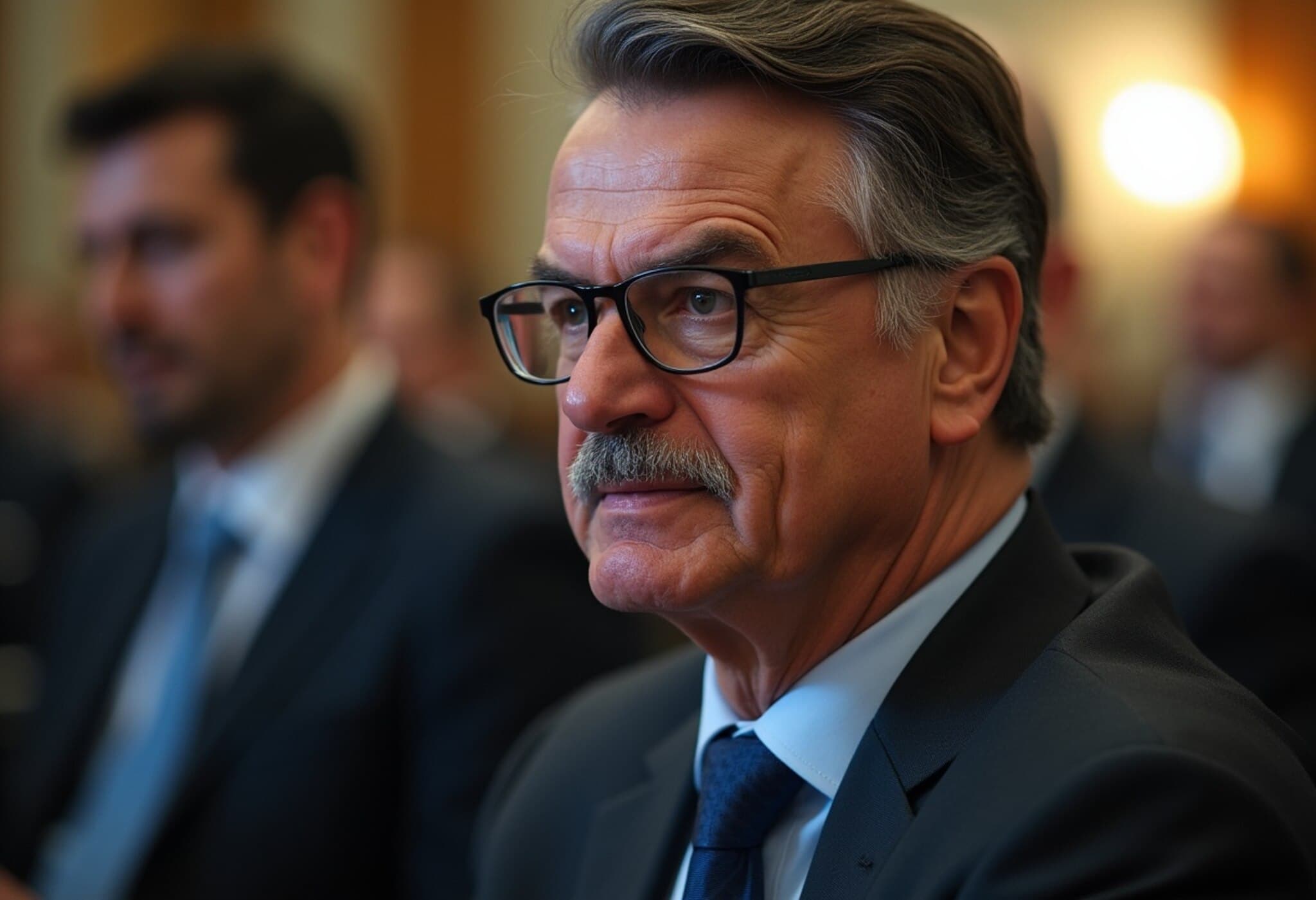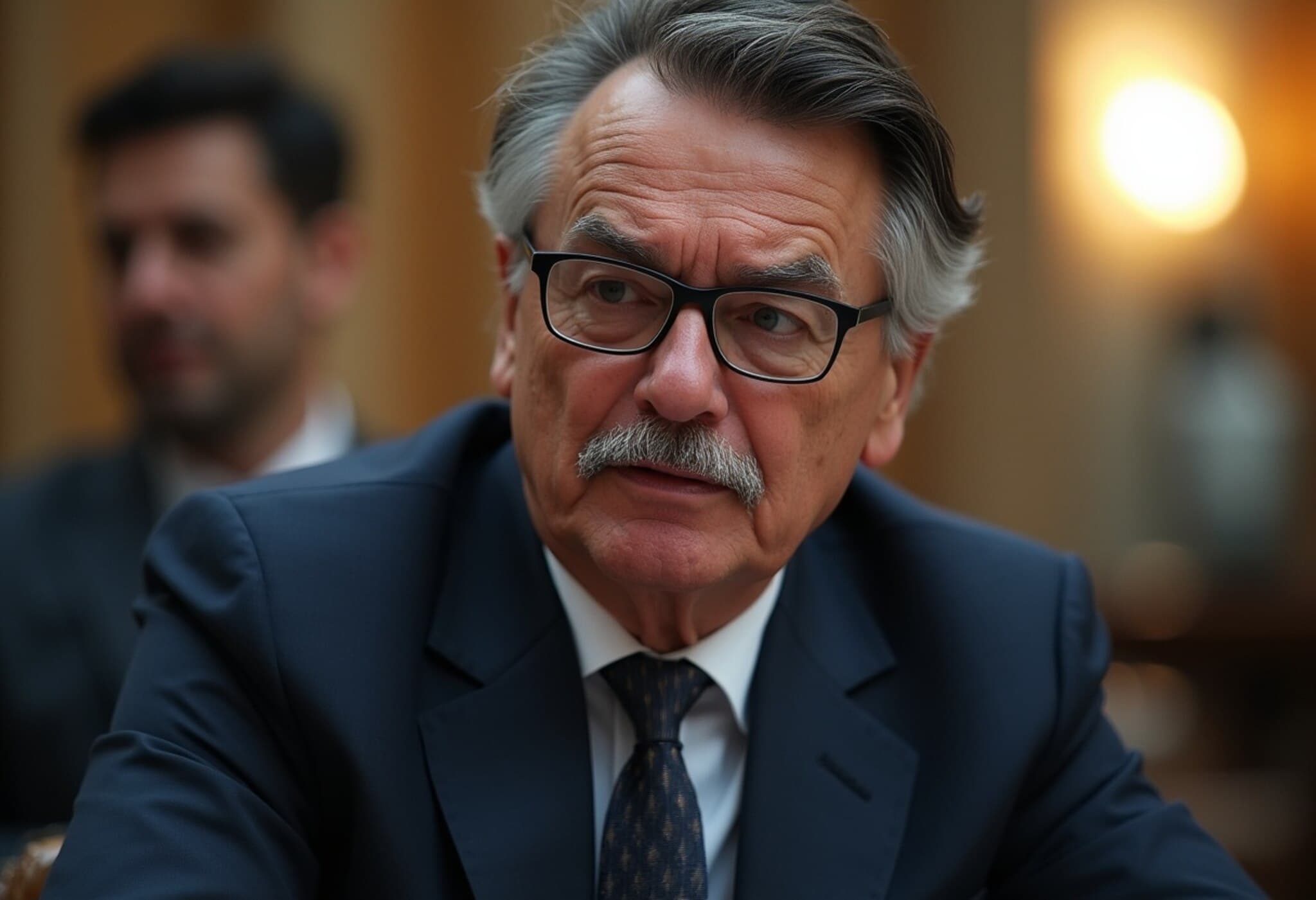
Brazil's President Lula Confronts Trump Over Judiciary Criticism
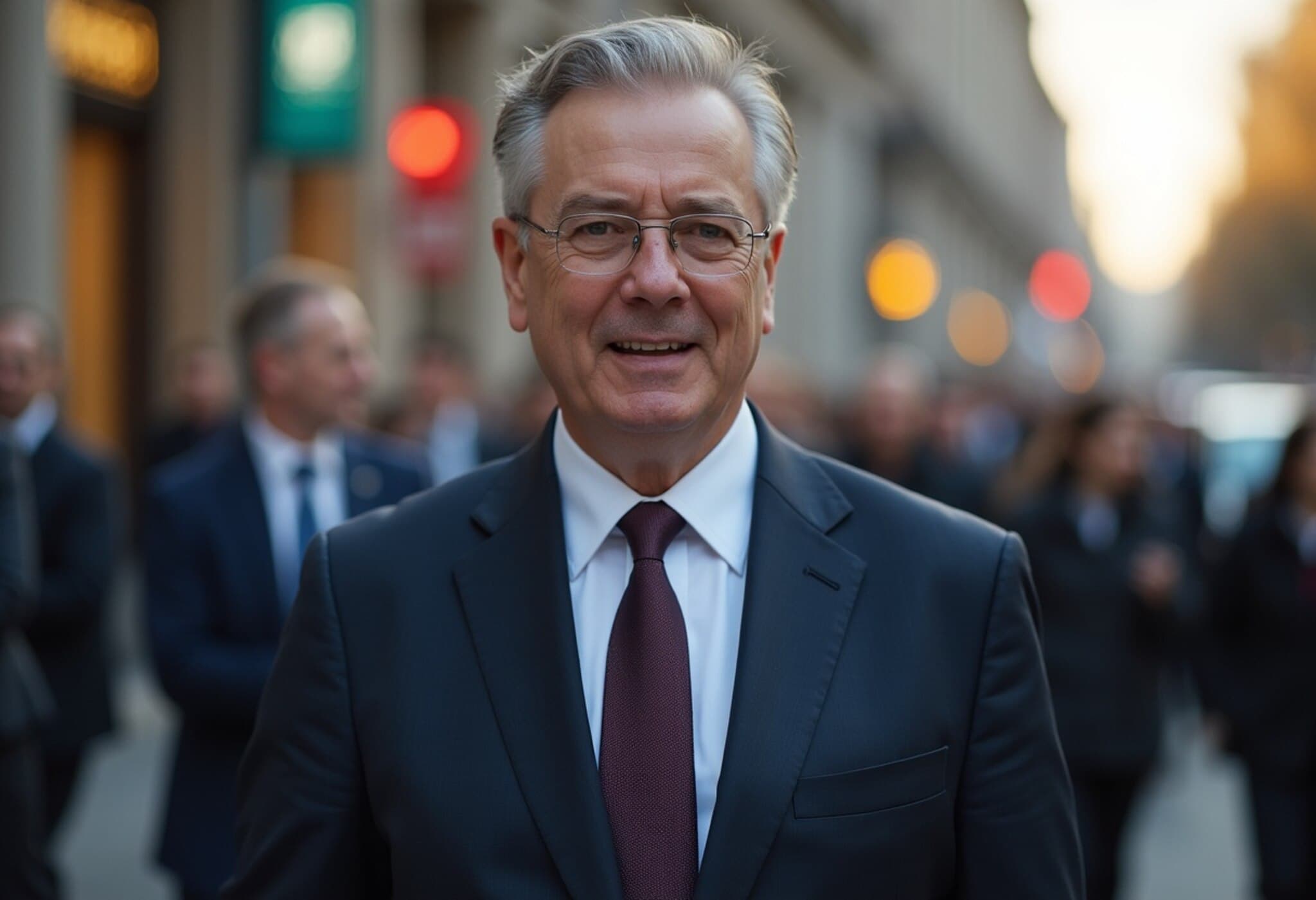
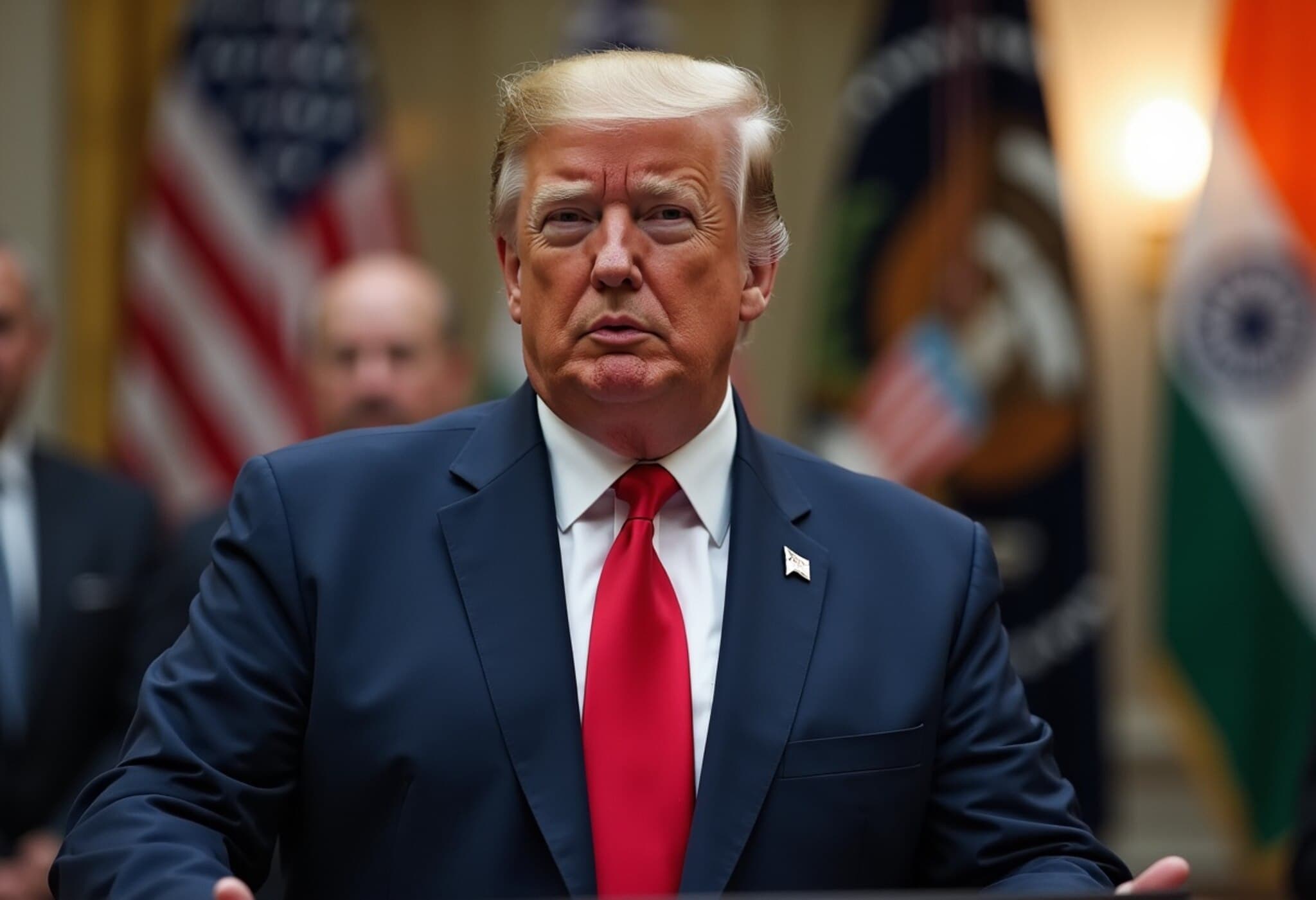
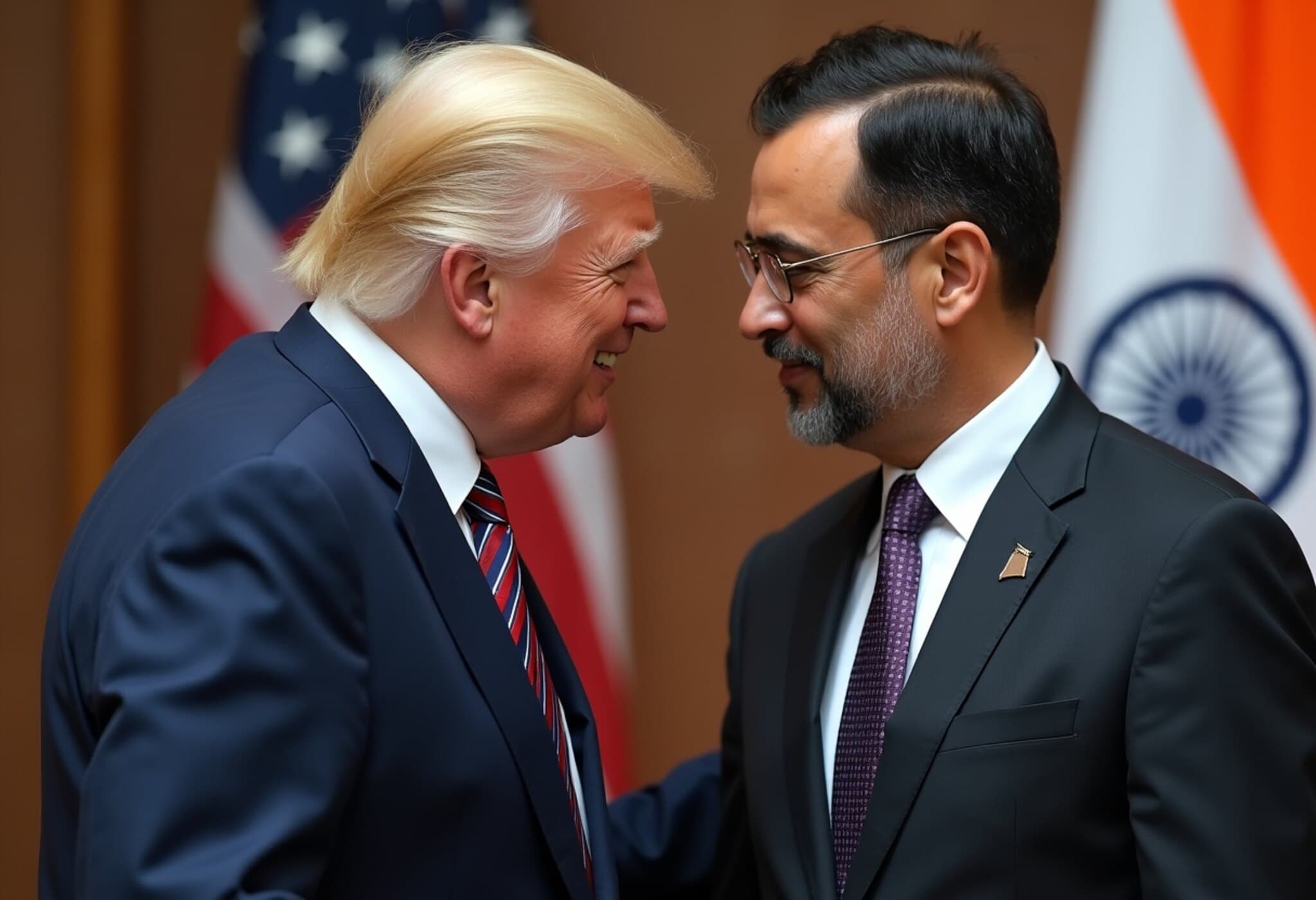
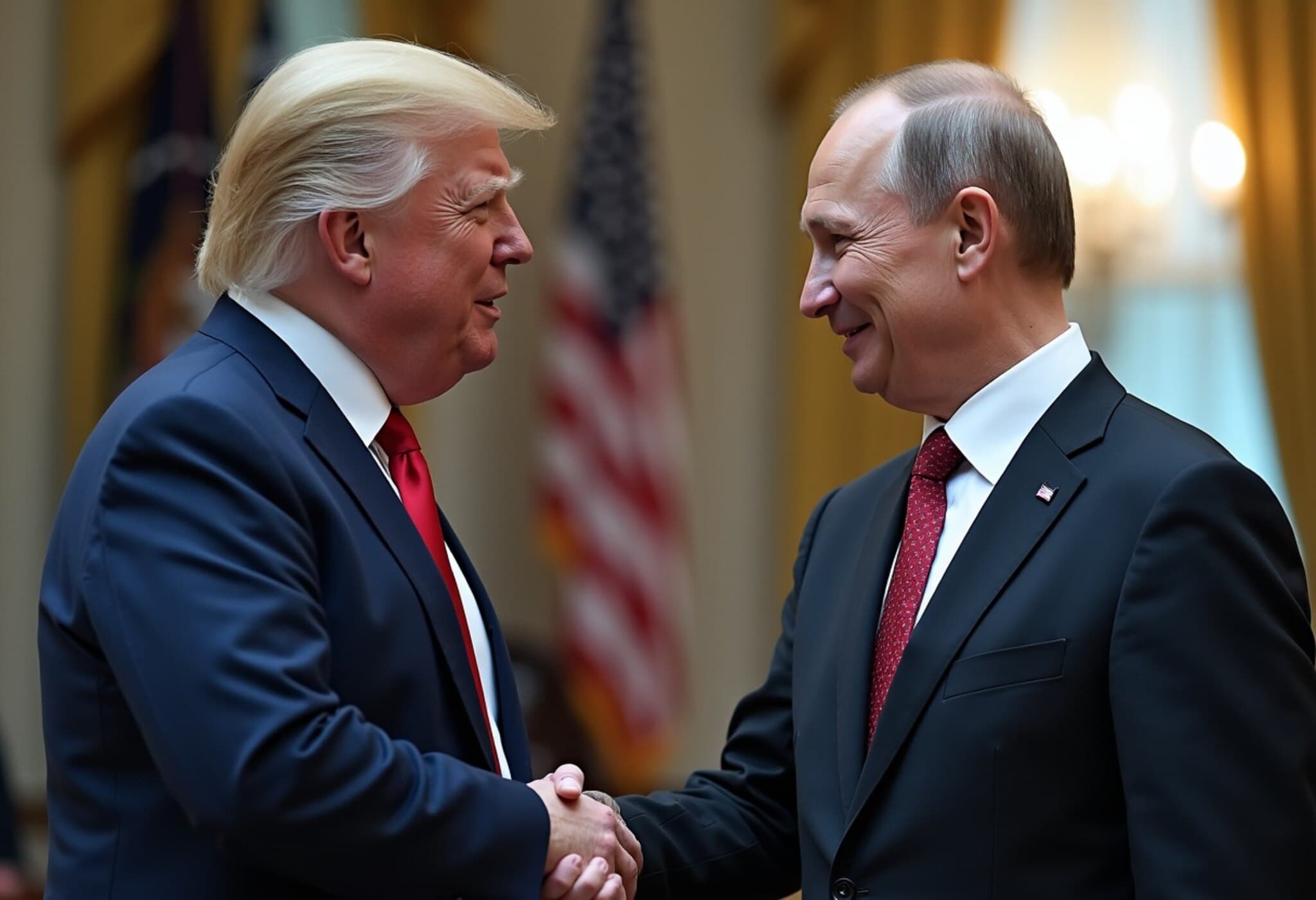
In a candid and forceful response to escalating tensions, Brazilian President Luiz Inácio Lula da Silva has challenged former US President Donald Trump’s attacks on Brazil’s judiciary system. Speaking amid rising diplomatic strain between the two nations, Lula emphasized that if the January 6, 2021, Capitol riots had occurred on Brazilian soil, Trump himself would be facing trial in Brazil.
Deepening Diplomatic Rift
The friction follows Trump's imposition of a sweeping 50% tariff on Brazilian imports and his unprecedented sanctioning of a Brazilian Supreme Court justice—moves widely interpreted as an attempt to support Brazil’s former far-right President Jair Bolsonaro. Bolsonaro currently faces up to 40 years in prison, accused of conspiring to overturn the 2022 election results that handed Lula victory.
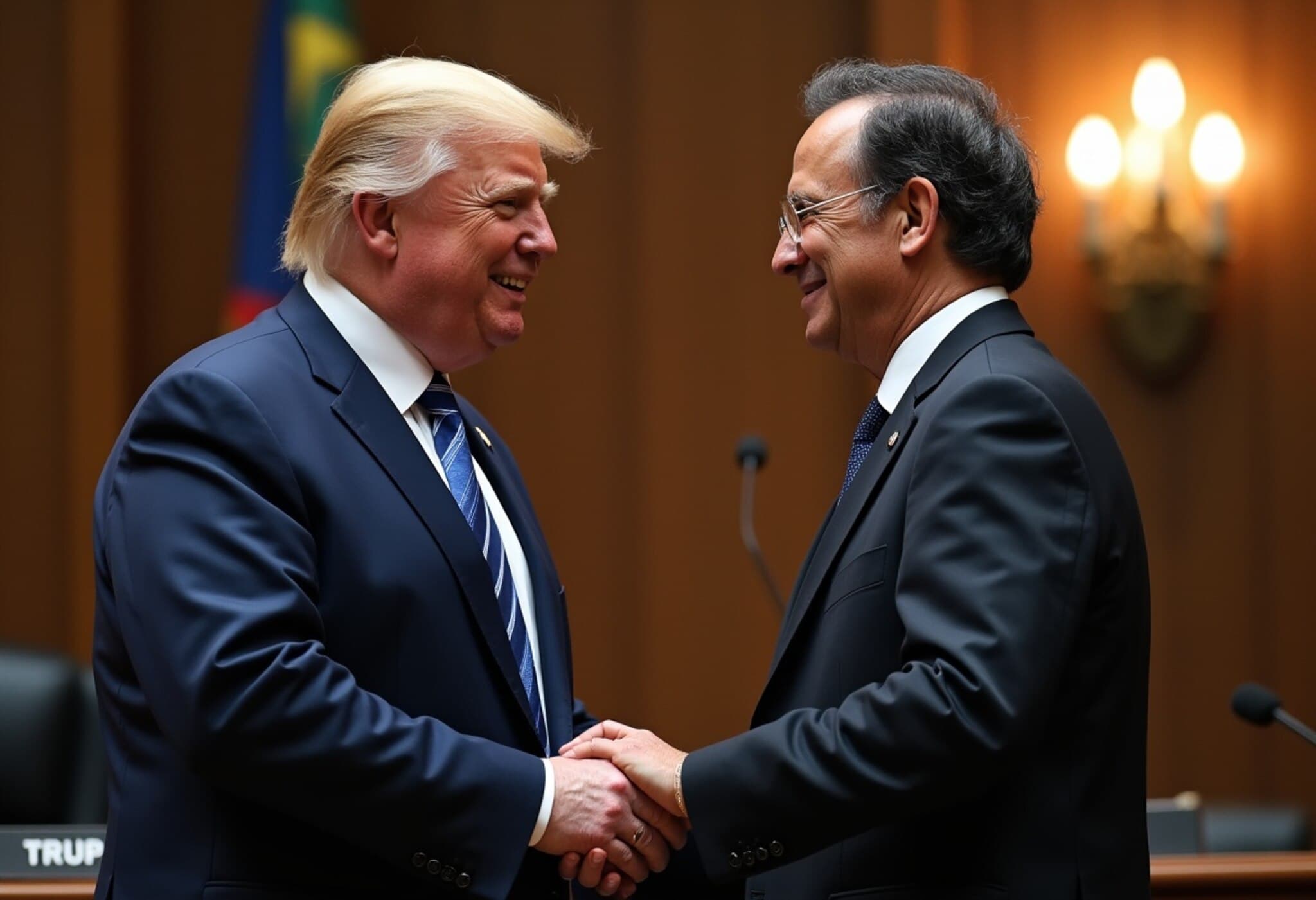
Experts note this diplomatic standoff represents one of the most significant rifts between Washington and Brasília in decades, underscoring the geopolitical stakes involved and the fragility of relations between the two largest democracies in the Americas.
Contrasting Justice Systems and Political Accountability
Lula drew a sharp contrast between Brazil's vigorous prosecution of individuals implicated in the 2023 Brasília riots—widely described as part of Bolsonaro’s alleged coup attempt—with the US government's controversial pardons of January 6 participants. In Brazil, 141 individuals are currently incarcerated over the riots, while Trump granted full, unconditional pardons to approximately 1,500 participants of the Capitol assault shortly after taking office.
"There was no justification for these tariffs," Lula stated firmly, responding also to US criticisms of Brazil's human rights records. He dismissed claims from the US State Department accusing his government of quashing democratic expression and restricting freedom of speech for Bolsonaro supporters, journalists, and elected officials.
Economic Fallout and Brazil’s Response
The tariffs have sent ripples through Brazil’s economy, prompting Lula’s administration to unveil a multi-billion-dollar aid package designed to soften the blow on exporters hit hardest by the US measures. This includes new government credit lines and expanded purchases targeting sectors struggling to diversify their markets.
Recently, a Brazilian senatorial delegation led by Senator Nelsinho Trad journeyed to Washington to engage in dialogue with US lawmakers and business leaders in a bid to de-escalate the dispute. Although met with ideologically charged attitudes, their efforts helped secure exemptions on critical Brazilian exports such as civil aircraft, aluminum, and fertilizers from the punitive tariffs.
What Lies Ahead?
Brazilian diplomats express cautious optimism that sustained dialog and engagement could ease tensions further. However, the shadow of political interests intertwined with economic leverage complicates prospects of a swift resolution.
The dispute also raises critical questions about the interplay between international relations and domestic politics, especially as democratic institutions in both countries face scrutiny amid rising polarization.
Editor’s Note
President Lula’s blunt remarks underscore a broader struggle over democratic norms, judicial independence, and economic sovereignty in the Americas. As Washington and Brasília navigate these choppy waters, the enduring question remains: can the two democracies reconcile political rivalries without deepening divisions that threaten regional stability? Observers should watch attentively how this dispute evolves, especially as Brazil’s judiciary prepares to rule on one of its most consequential political trials in recent history.