Trump and Lula's UN Encounter Sparks Hopes for Improved US-Brazil Relations
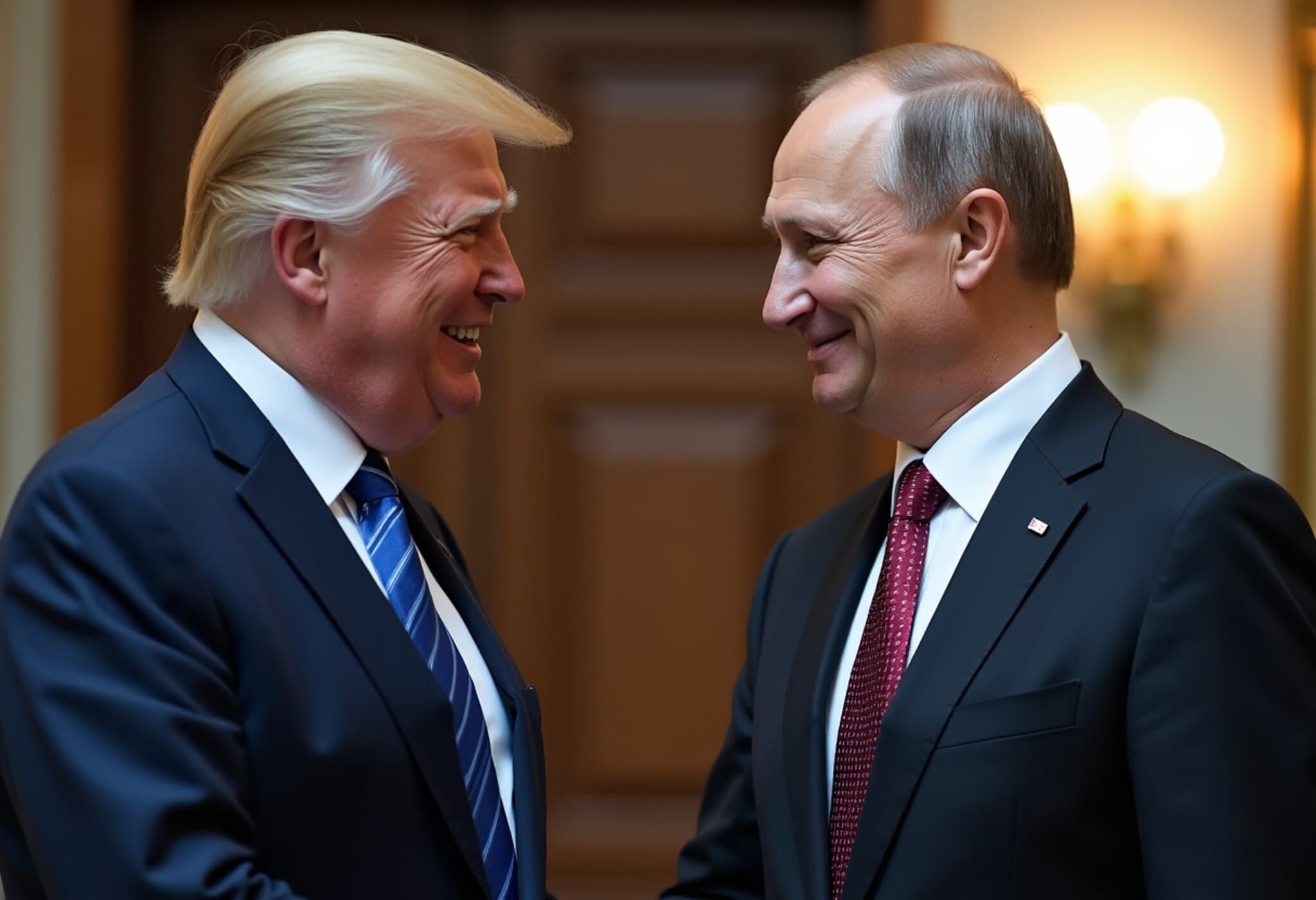
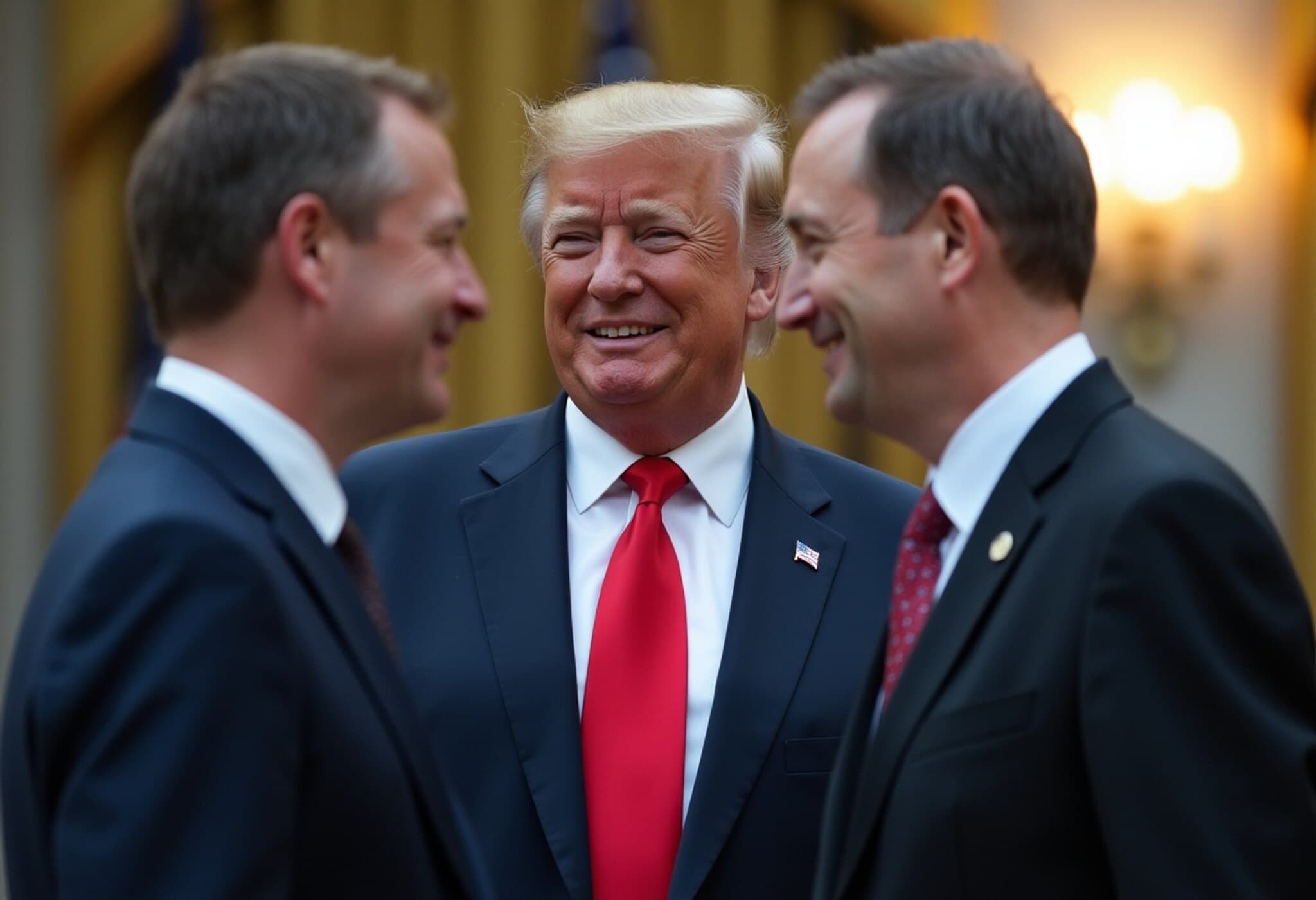
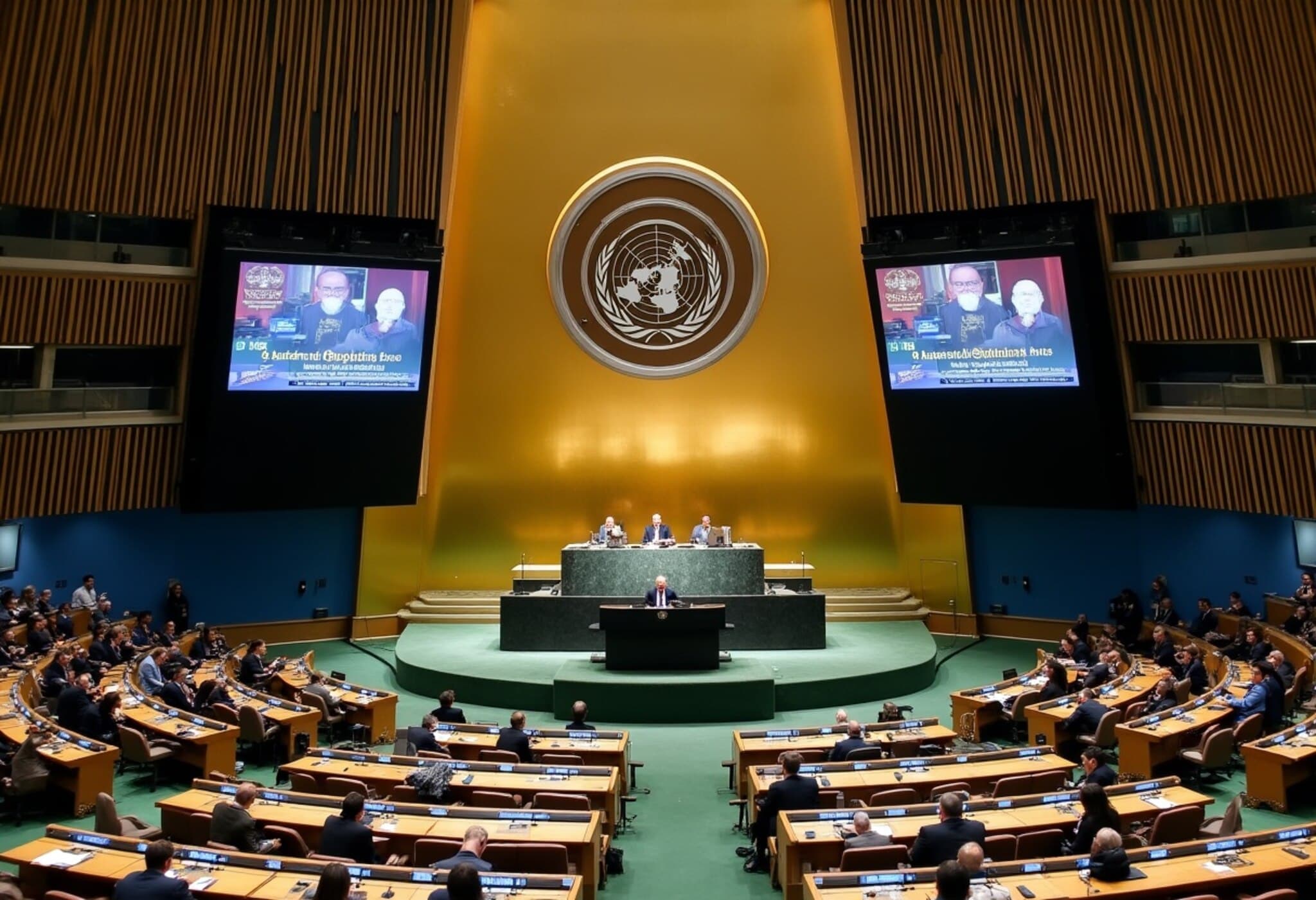
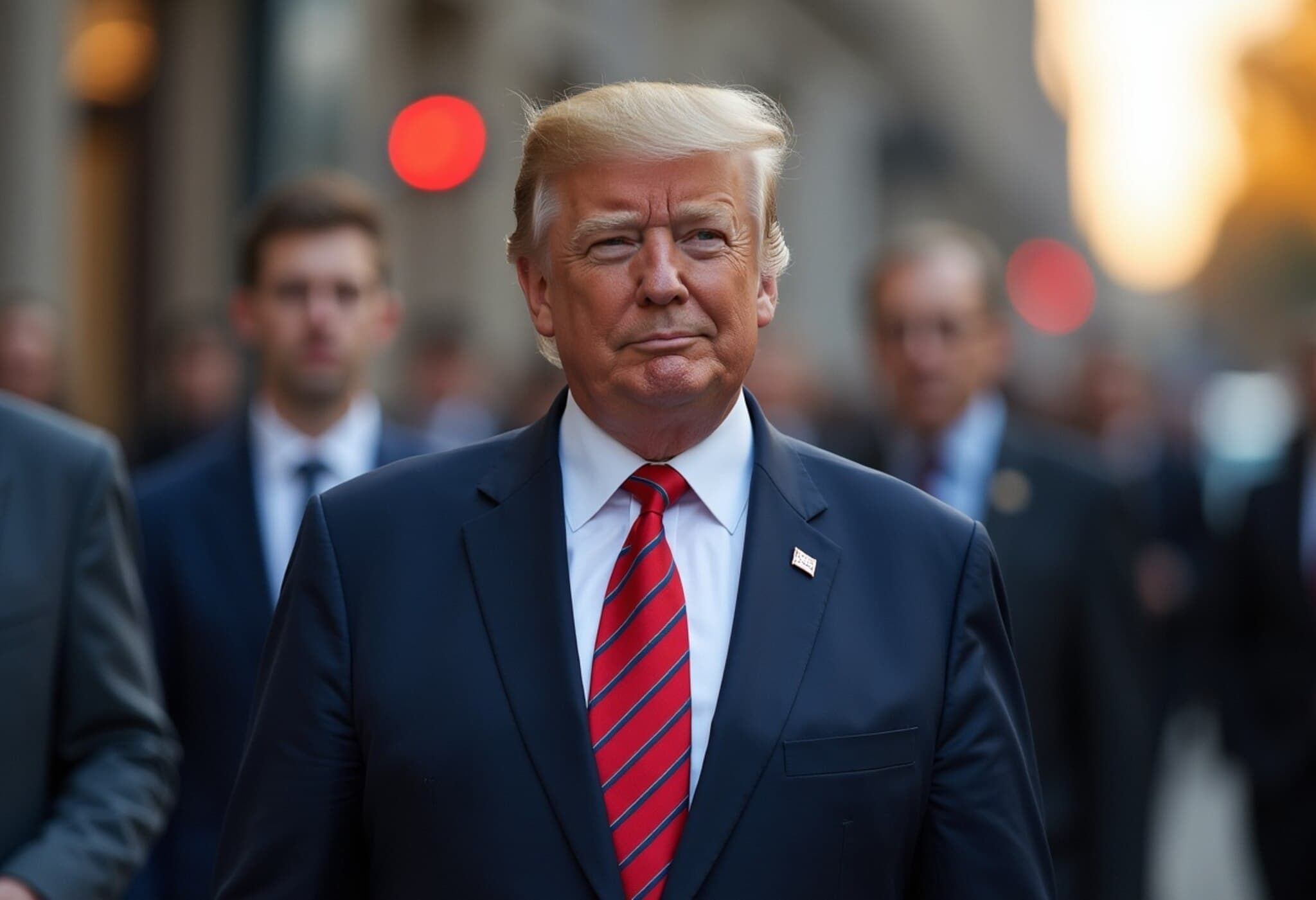
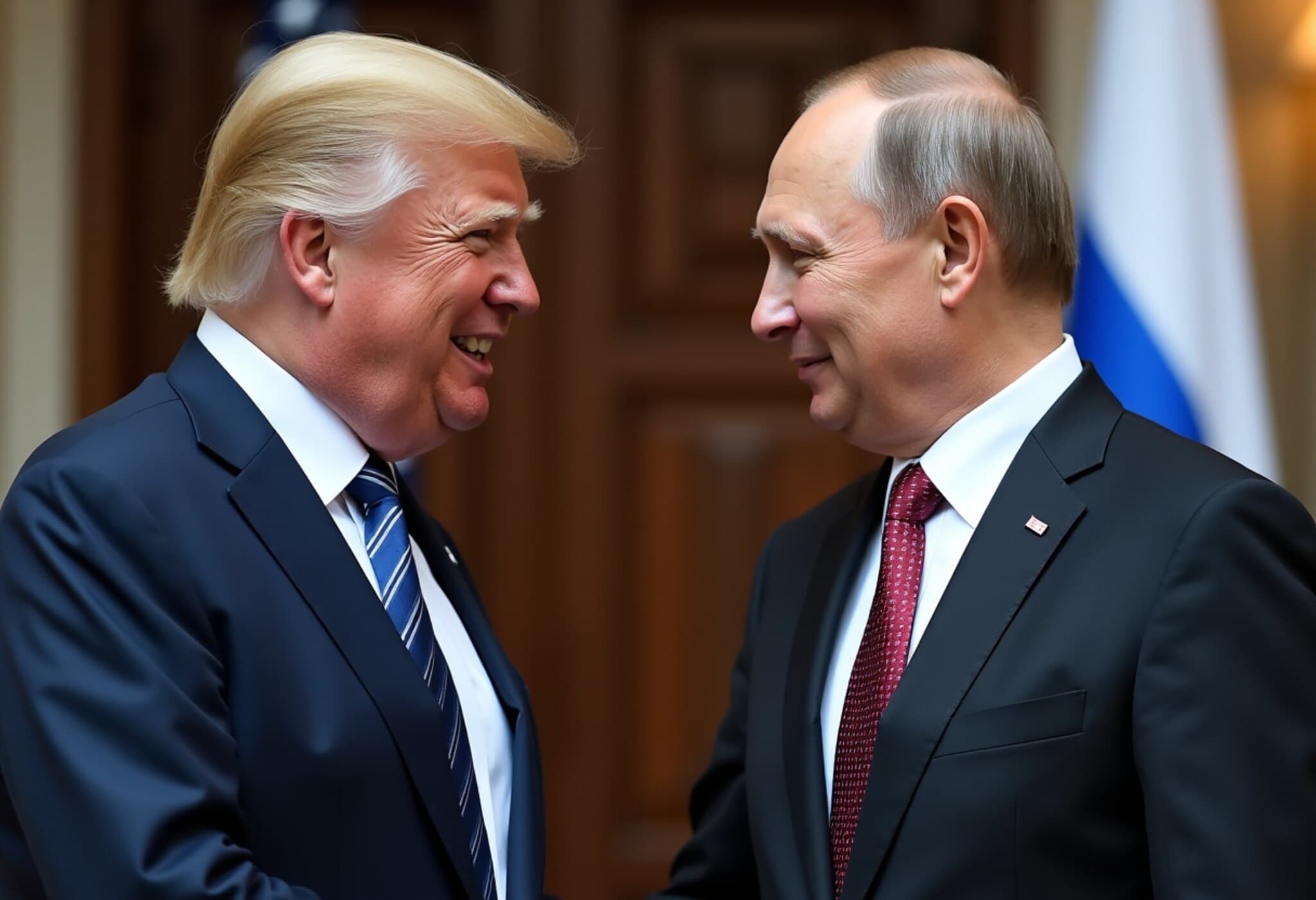
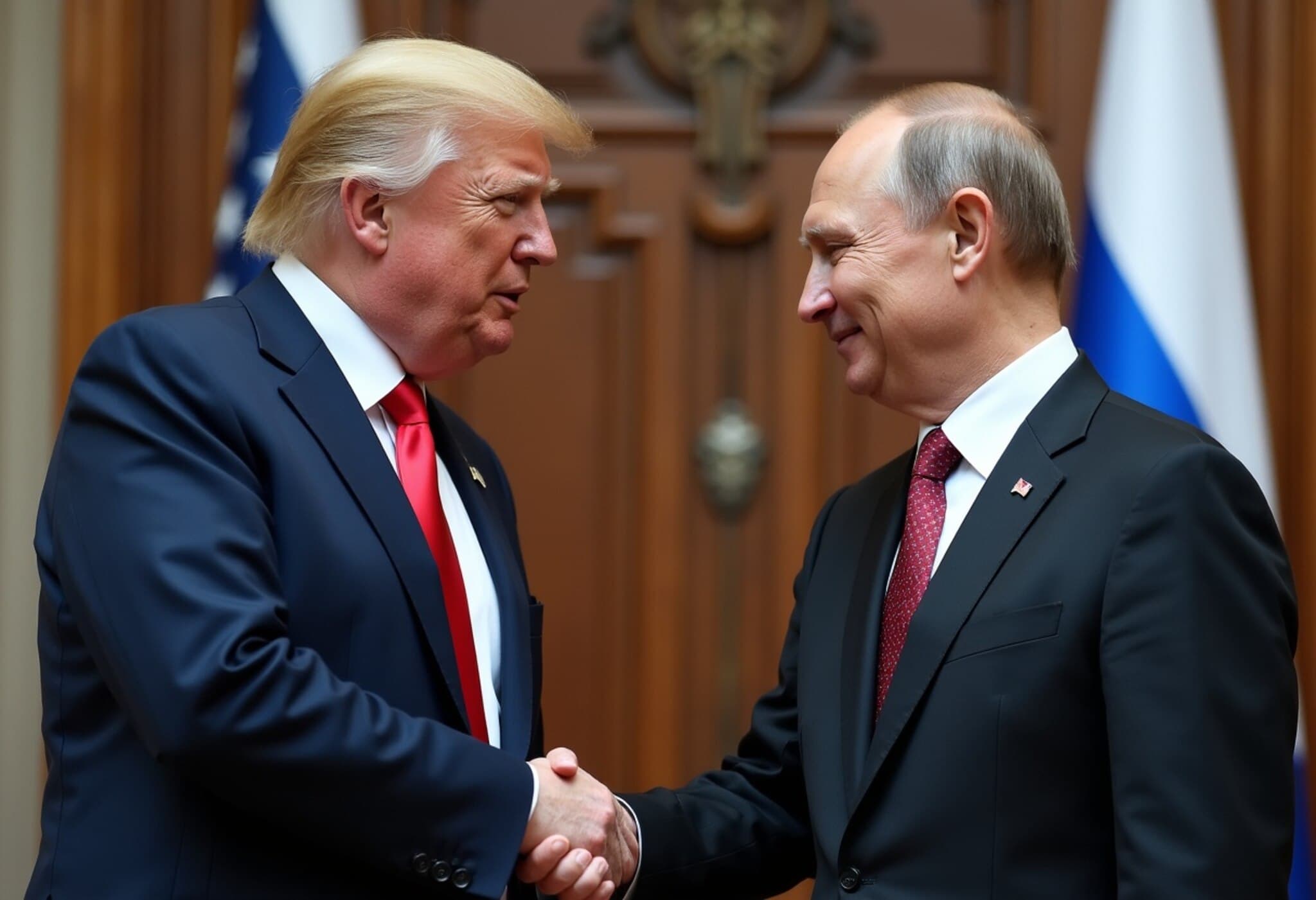
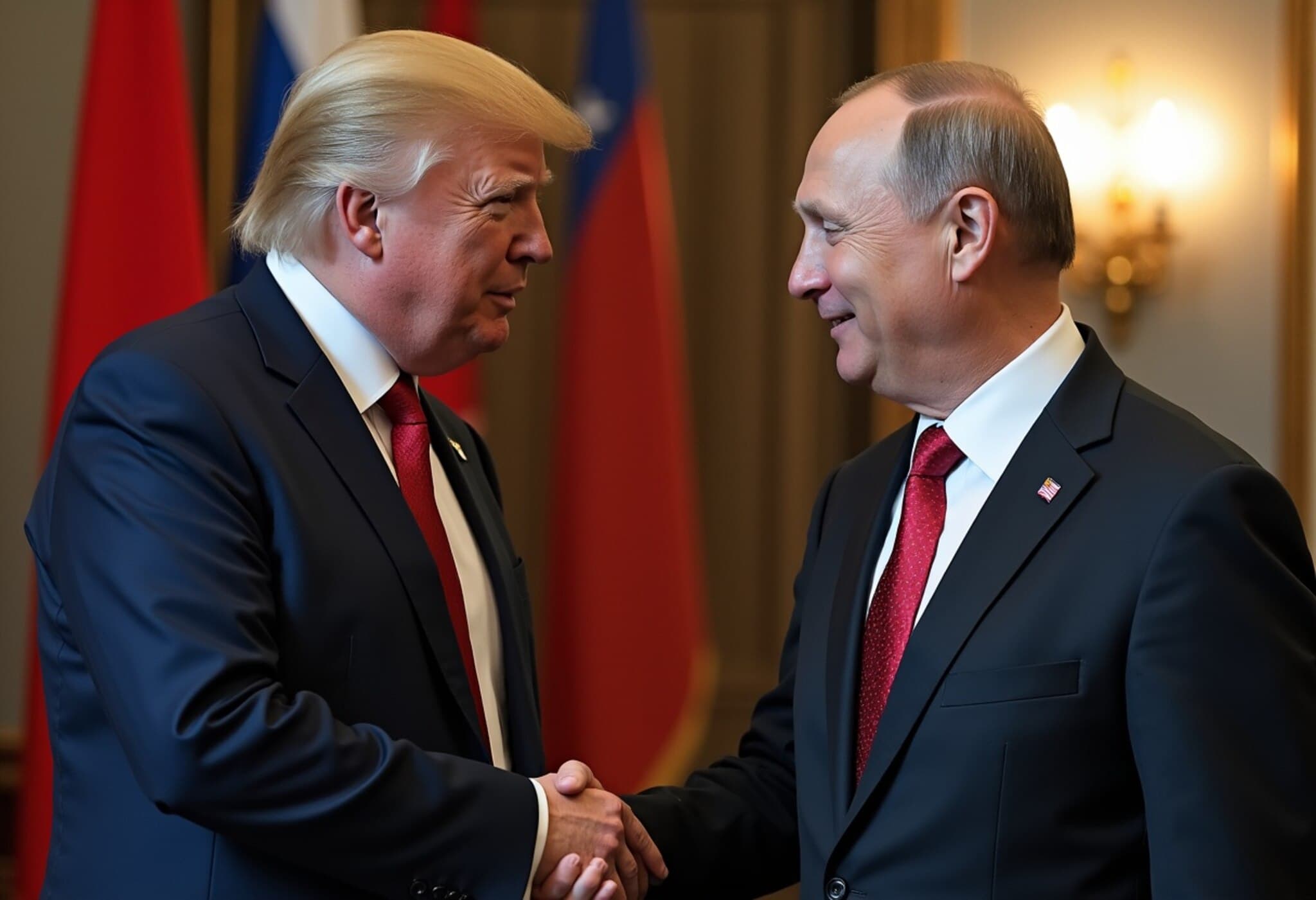
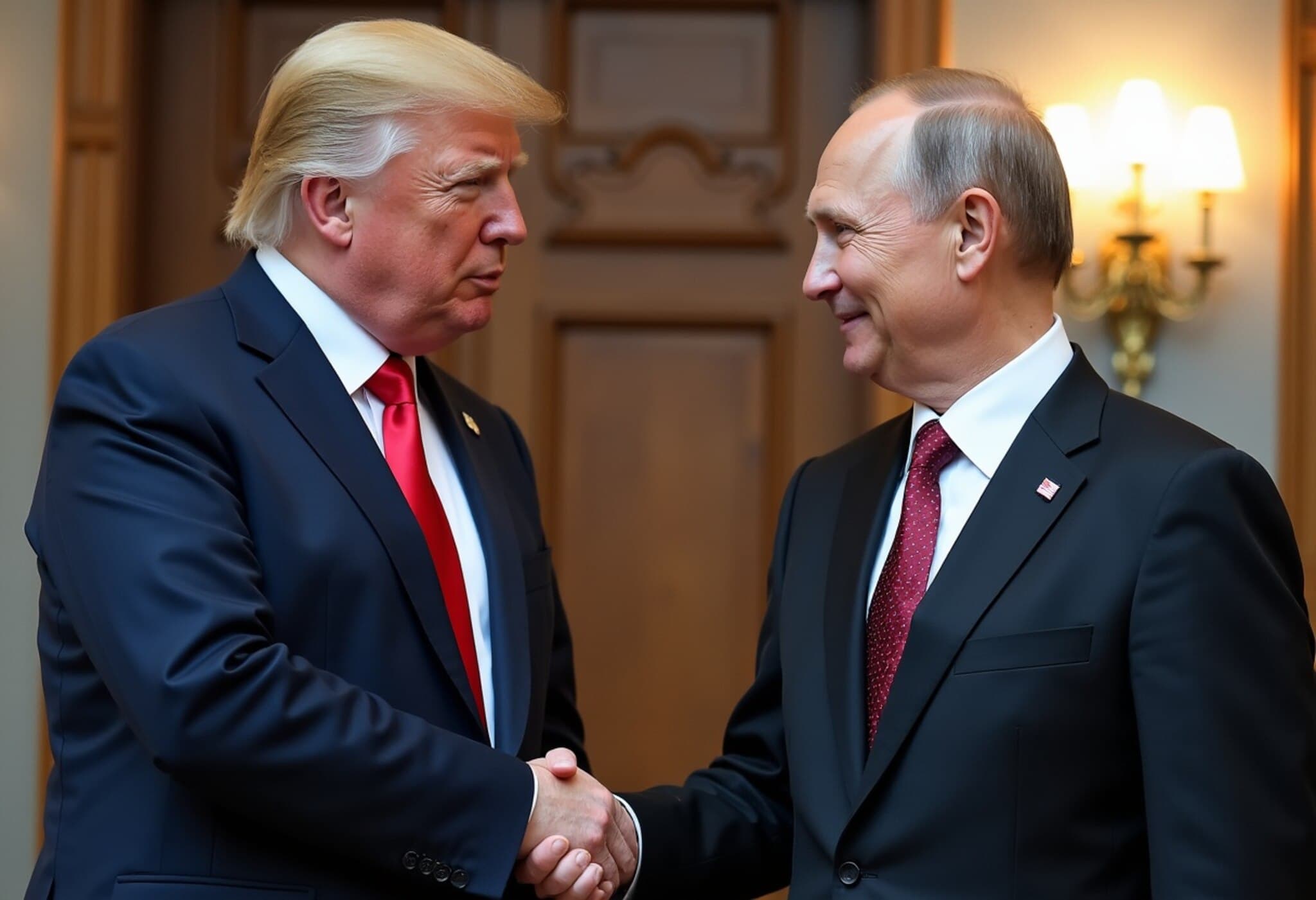
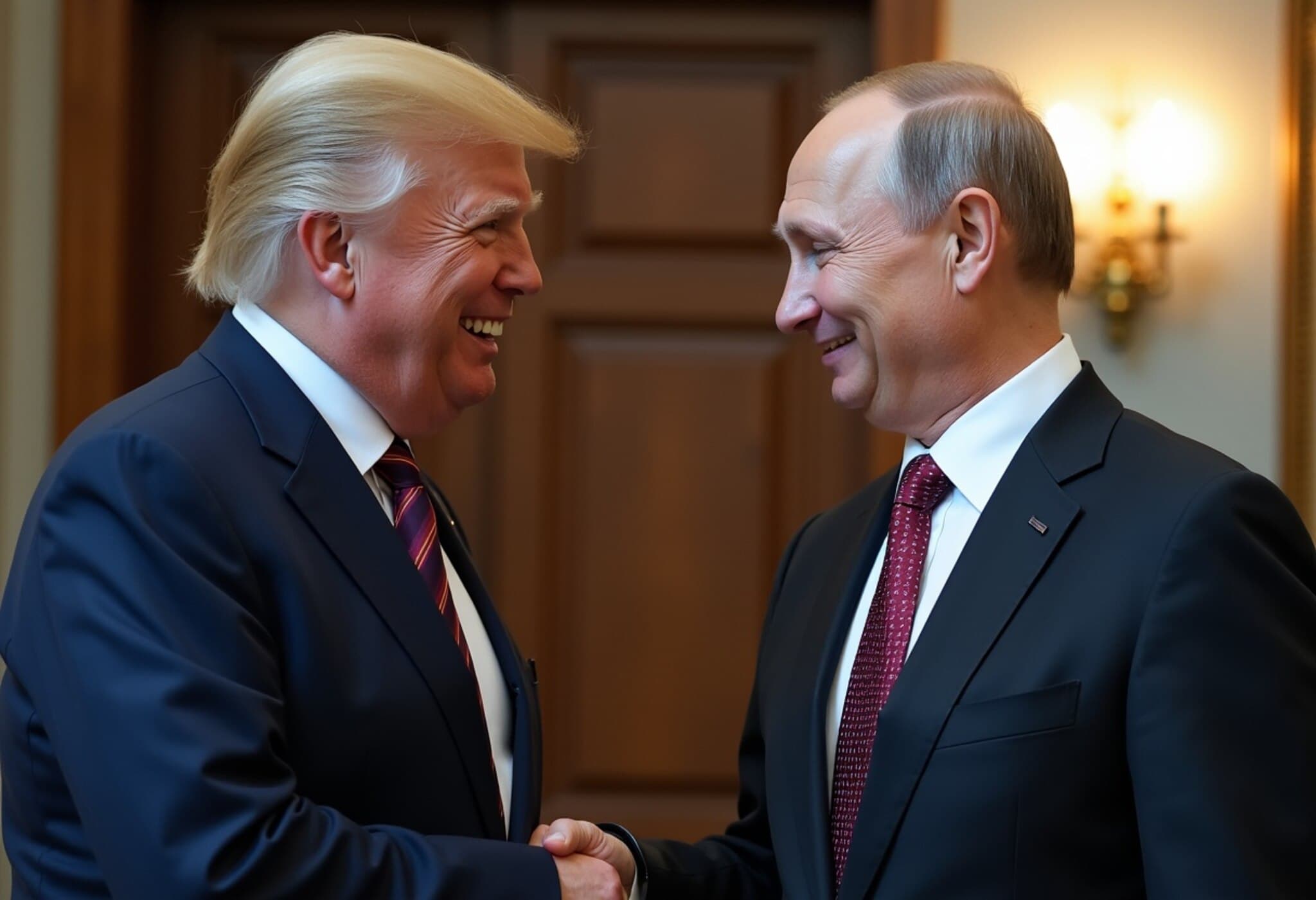
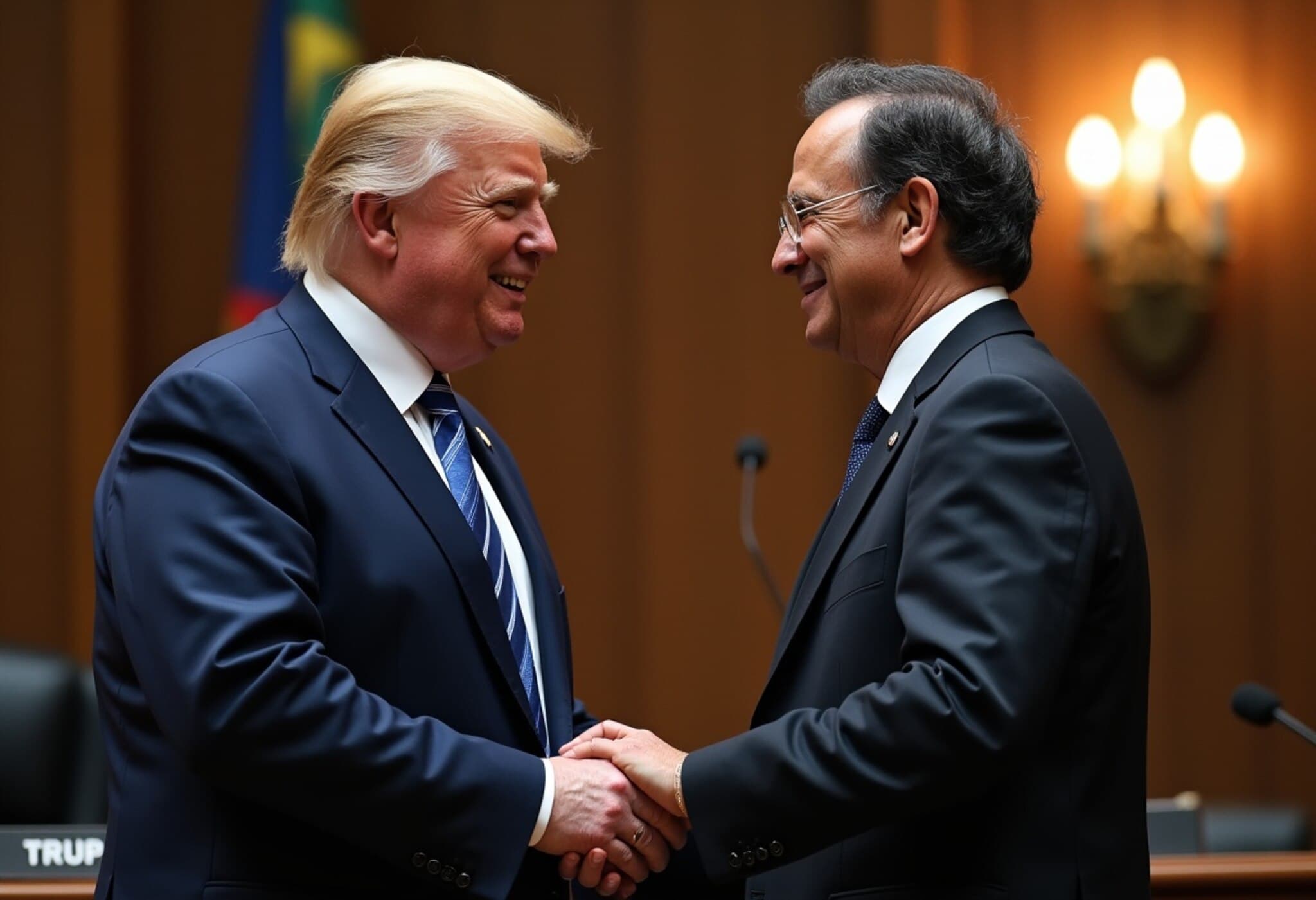
In a surprising turn at the United Nations General Assembly on September 23, 2025, former President Donald Trump softened his rhetoric towards Brazil, signaling a potential easing of tensions with President Luiz Inácio Lula da Silva. The brief and cordial embrace between the two leaders captured international attention, injecting optimism into a diplomatic relationship recently marred by conflict.
From Strained to Cordial: The Context Behind the Embrace
Trump’s gesture came just hours after President Lula’s pointed UN speech indirectly criticizing the United States’ intervention in Brazilian judicial affairs. Lula’s speech underscored his administration’s firm stance against what he framed as foreign interference — specifically pointing to the contentious criminal proceedings involving former Brazilian President Jair Bolsonaro, a key Trump ally.
Bolsonaro, convicted of orchestrating a coup attempt following the 2022 presidential election loss, remains a deeply polarizing figure both in Brazil and internationally. Trump’s administration has responded with a series of punitive actions, including imposing 50% tariffs on Brazilian goods and sanctioning a Brazilian Supreme Court justice—and the justice’s spouse—who presided over Bolsonaro’s criminal case.
Trump’s Olive Branch: A Calculated Diplomatic Move?
Despite the prior diplomatic storm, Trump appeared to extend an olive branch, stating that his encounter with Lula lasted 39 seconds and was marked by "excellent chemistry." He went on to say, "It's a good sign," and confirmed plans for a formal meeting next week — an event that could mark a significant shift in relations between the western hemisphere’s two largest democracies.
Experts suggest this move may reflect a pragmatic recalibration by the U.S., as escalating tariffs and sanctions had begun to draw criticism from American businesses reliant on Brazilian trade, along with bipartisan concerns on Capitol Hill about alienating a critical regional partner.
Implications for US-Latin America Relations
- Economic Stakes: Brazil is a linchpin in Latin America's economy, and tariffs have disrupted supply chains affecting sectors from agriculture to manufacturing.
- Political Dynamics: The standoff over Bolsonaro’s prosecution highlights the complex interplay between domestic legal processes and international diplomacy.
- Regional Stability: Improved US-Brazil ties may bolster broader cooperation on issues such as climate change, migration, and security in the Americas.
Analysts caution, however, that genuine reconciliation will require addressing the underlying tensions over Brazil’s sovereign legal matters and ensuring mutual respect for democratic institutions.
Underreported Perspectives: The Brazilian Public and Legal Institutions
While international headlines focus on Trump and Lula, the Brazilian populace remains deeply divided. Many Brazilians view Bolsonaro’s conviction as a defense of democracy after a turbulent political period, while others see it as politically motivated. The imposing of foreign sanctions on Brazil’s judiciary has sparked debates about judicial independence, sovereignty, and the influence of foreign powers on domestic governance.
Looking Ahead: What to Watch Next
Next week’s scheduled meeting between Trump and Lula will be closely scrutinized for signs of a diplomatic breakthrough or further complications. Observers will be watching for:
- Clarification on tariff policies and potential rollbacks.
- U.S. stance on Brazil’s judicial processes and Bolsonaro's prosecution.
- Cooperative initiatives on trade, environment, and regional security.
Ultimately, this developing chapter in US-Brazil relations underscores how global leadership must balance geopolitical interests with respect for domestic judicial systems—a delicate dance as complex as the countries’ intertwined futures.
Editor’s Note
The brief, symbolic embrace between Trump and Lula offers a glimpse of hope but also presents critical questions: Can economic pressure coexist with respecting judicial sovereignty? How will these dynamics shape broader US engagement in Latin America? For policymakers, investors, and citizens alike, the evolving US-Brazil relationship is a bellwether of 21st-century diplomacy seeking to reconcile power with principle.