Trump’s Unfounded Claims Stir Tension in Honduras Presidential Race
As Honduras awaited the final results of its closely contested presidential election, the nation found itself at a crossroads of hope and uncertainty. Two frontrunners were separated by a mere 515 votes out of millions cast, creating a nail-biting pause in the democratic process.
Against this tense backdrop, former U.S. President Donald Trump publicly accused Honduran election officials of manipulating vote counts—despite no credible evidence supporting such claims. His intervention, via social media, exacerbated tensions just as the Central American nation’s leaders urged calm and patience.
Understanding Honduras’ Unique Electoral Process
To grasp the situation fully, it’s important to understand Honduras’ election system. The country uses a two-stage vote counting method: a rapid digital transmission of initial tallies followed by a meticulous, manual verification of votes—necessary due to spotty internet service in rural areas.
On election night, preliminary counts were released showing a razor-thin margin between right-wing candidates Nasry Asfura and Salvador Nasralla, each garnering about 40% of the vote with around 57% of ballots reported.
- Nasry Asfura: Endorsed by Donald Trump, representing conservative factions.
- Salvador Nasralla: A seasoned political figure, often positioned as an opposition force.
Trump’s Tweet: A Catalyst or a Distraction?
On the evening following the initial count, Trump tweeted: “Looks like Honduras is trying to change the results of their Presidential Election. If they do, there will be hell to pay!” This statement was based on the mistaken notion that vote counting had abruptly stopped at midnight, while in reality, the last digital update occurred hours earlier and the delay reflected routine manual counting.
Moreover, Trump’s language—promising consequences without evidence—raised concerns internationally about interference in sovereign elections and the spreading of misinformation.
Historical Context: Why the Fear of Fraud Runs Deep in Honduras
Honduras is no stranger to electoral unrest. The 2017 presidential vote ended in violent protests following disputed results, creating a legacy of political skepticism and instability. This history casts a long shadow, meaning any perceived irregularities are met with immediate suspicion.
However, election officials, including Ana Paola Hall of the National Electoral Council (CNE), reassured the public: “We must remain calm, have patience, and wait until all votes are scrutinized and verified.”em> Her statements highlight the robust procedural safeguards in place, despite infrastructural challenges.
The Role of U.S. Influence in Central American Politics
Trump’s endorsement of Asfura and disparagement of political rivals—labeling opponent Nasralla as a “borderline Communist”—point to broader U.S. strategic interests in the region. The United States has historically wielded significant influence over Central America through economic aid, immigration policy, and security cooperation.
This election underlines the delicate balance between supporting democratic institutions and respecting national sovereignty, particularly when U.S. political figures publicly intervene in foreign electoral processes. Such actions can fuel divides domestically and challenge diplomatic norms.
Expert Insight: The Challenges of Democracy in Fragile States
Experts emphasize that while delays in vote counting can create anxiety, they are not inherently indicative of fraud—especially where infrastructure limitations dictate slower verification processes. The Honduran case exemplifies a broader global challenge where democratic legitimacy depends not only on transparency but on responsible political communication.
As Dr. Ana María Rodríguez, a Central American political analyst, notes: “Elections in developing democracies often face operational hurdles; the true test lies in leaders promoting unity rather than division during sensitive moments.”em>
Moving Forward: The Need for Patience and Vigilance
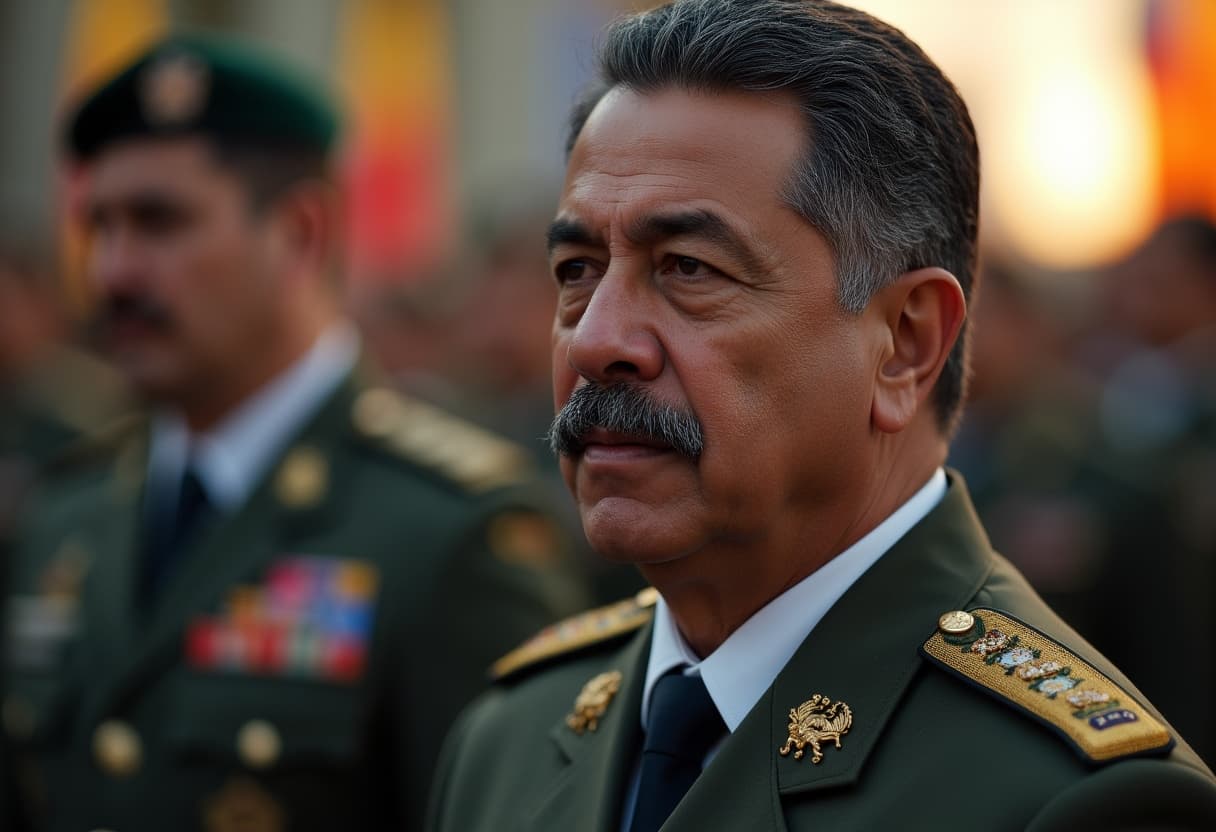
With election workers progressing with hand counts into the night and military personnel ensuring secure transport of ballots, the Honduran electoral process illustrates a commitment to democratic norms amid adversity.
Communities, businesses, and citizens express cautious optimism, peeling back protective measures against potential unrest as stability returns. Yet, the shadow cast by external accusations like Trump’s tweet serves as a reminder of how fragile public trust can be.
Key Questions Ahead
- How should international actors balance support and non-interference in fragile democracies?
- What mechanisms can Honduras strengthen to enhance transparency and reduce skepticism?
- How can media literacy in Honduras and globally mitigate the spread of unfounded claims?
This episode in Honduras underscores the complex interplay between democratic process, international influence, and the power of social media rhetoric. As citizens and observers, distinguishing credible information from inflammatory assertions is crucial for safeguarding elections worldwide. The resilience of Honduran democracy may depend not only on ballots counted but on narratives embraced by its people and the global community.