
The Harsh Reality of Crossing the U.S.-Canadian Border for Asylum Seekers
In recent months, Canada's approach to border security has hardened, particularly impacting asylum seekers attempting to enter from the United States. Our in-depth reporting, focused on one poignant case, reveals the human and legal complexities behind the strict enforcement of the "safe third country" agreement.
Rahel Negassi's Journey: A Nurse's Pursuit of Legal Residency
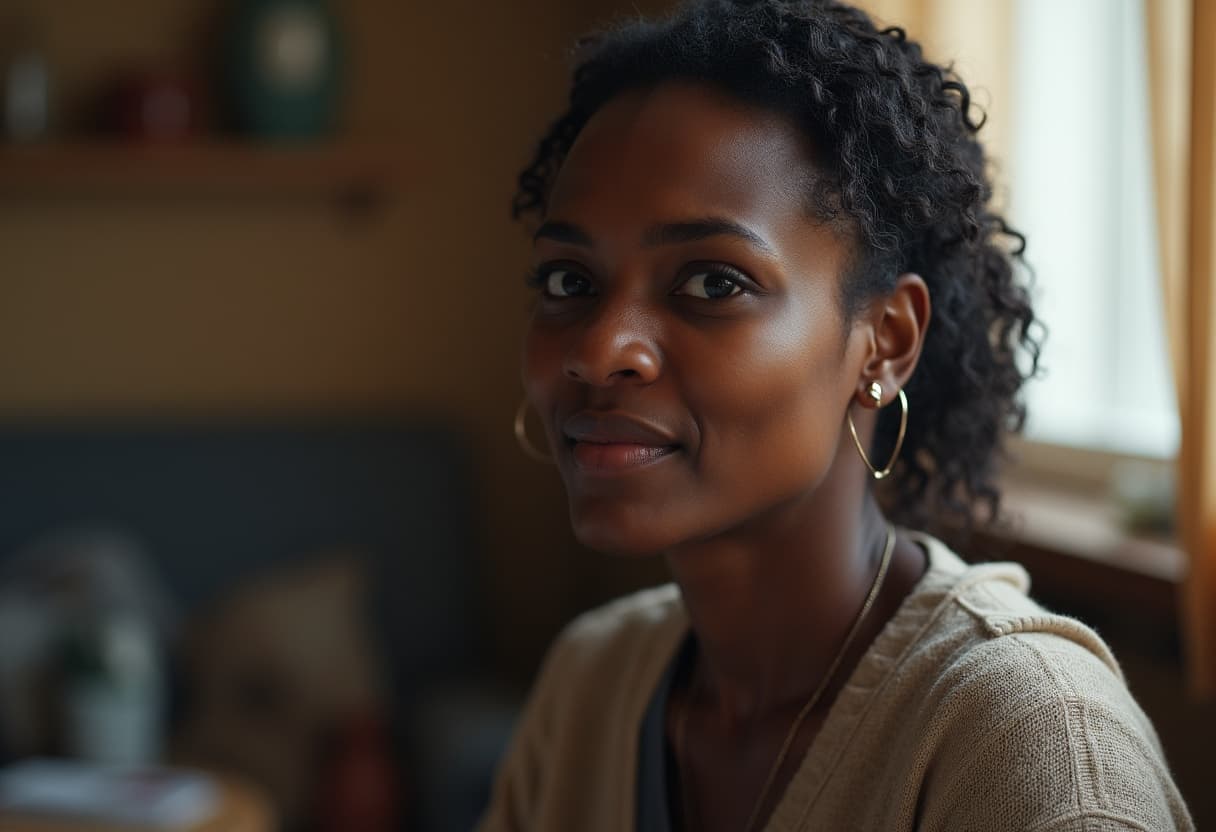
Rahel Negassi, an Eritrean-born cardiac transplant nurse, spent over two decades living without authorization in the United States. Highly skilled and devoted, she worked in prominent Michigan and Maryland hospitals but lacked legal immigration status.
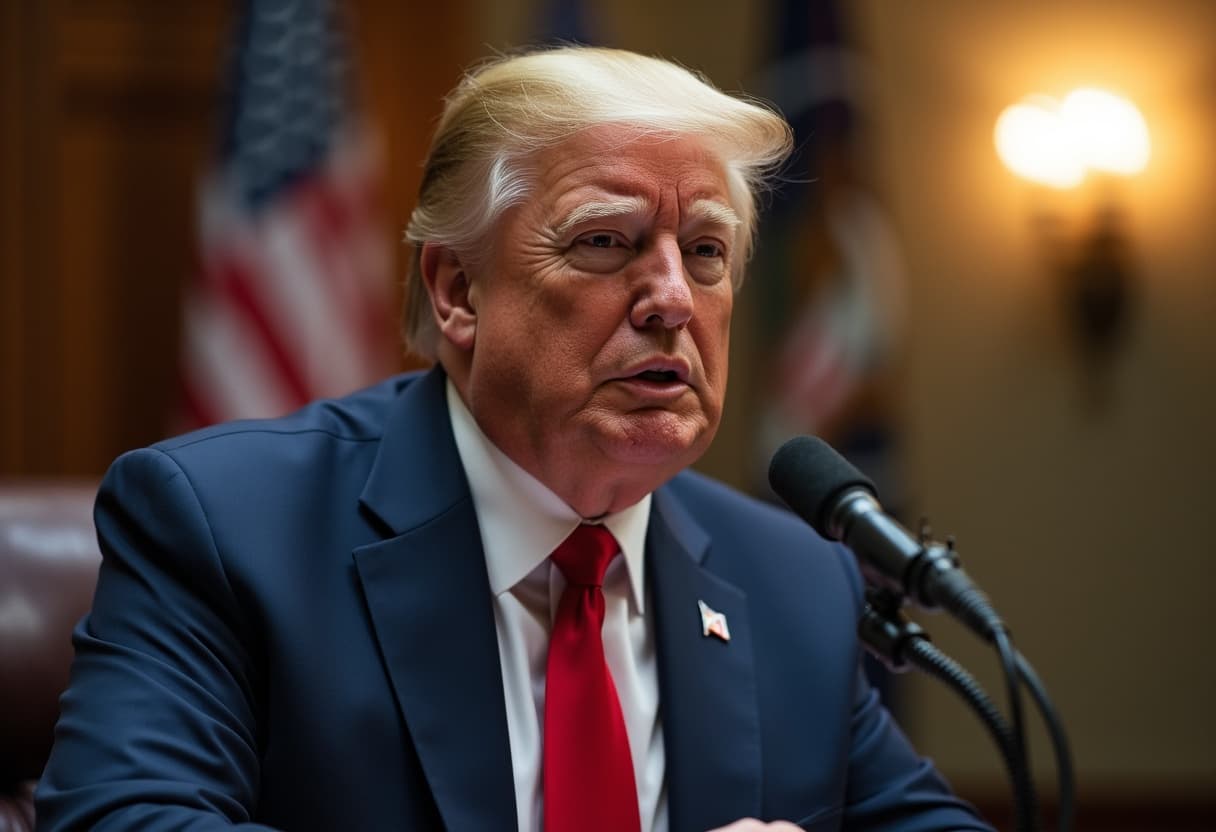
Following the re-election of former President Trump—a period marked by expanded immigration enforcement—Rahel aimed to reunite legally with her brother in Canada. With the guidance of lawyers, she meticulously prepared her paperwork and even secured DNA tests from government-approved labs to prove her familial link.
Her aspirations extended to gaining credential recognition to continue her nursing career in Ontario, highlighting both the personal and professional stakes at hand.
A Frustrating Encounter at the Peace Bridge
However, when Rahel attempted entry through the Peace Bridge in Fort Erie, Ontario, in June, the experience turned grim. After several hours of exhaustive interviews with Canadian border agents, she was denied entry despite presenting authentic proofs. The Canada Border Services Agency (CBSA) ultimately handed her back to U.S. Immigration and Customs Enforcement (ICE), who quickly transferred her to Texas with a deportation order looming.
Her story, painstakingly documented through interviews with Rahel, her family, and attorney Heather Neufeld, sheds light on mounting tensions at the border and the real-life consequences of policy rigidity.
Experts Weigh In: A Policy Under Strain
Stringent Scrutiny and Questioned Documentation
Lawyers and NGOs working with migrants have observed that CBSA officers are increasingly strict, especially about verifying relationships that qualify applicants as exceptions under the "safe third country" treaty.
- Instances abound where authentic documents—including government-validated DNA tests—are dismissed, raising concerns about potential miscarriages of justice.
- This heightened scrutiny creates barriers for families seeking reunification and may violate the treaty's spirit and letter.
Rising Numbers and Accelerated Returns
Data reveals a noticeable uptick in returns to the United States under the agreement. Between January and late November 2025, CBSA reported 2,582 returns at official ports—slightly higher than the 2,460 returns recorded for all of 2024. More startling is the 43% increase of returns for those crossing outside official points.
Lawyers highlight that these rejections now occur rapidly, often within three hours, leaving little time for relatives or counsel to intervene. Rahel's swift rejection exemplifies this troubling trend.
Policy Implications Amid Shifting U.S. Context
Critically, Canadian border officials appear not to account sufficiently for the evolving asylum conditions in the United States since President Trump's return to power. His administration's hardline policies have intensified fear among asylum seekers—an important context the "safe third country" agreement presumes but may no longer reflect.
This disconnect is fueling legal challenges. Several individuals with close Canadian relatives have been returned to the U.S. and subsequently detained by ICE, prompting lawsuits that argue the government’s actions breach both national rules and human rights principles.
The Road Ahead: Legal Battles and Broader Questions
Experts predict a significant Supreme Court challenge in Canada that could reshape or even overturn the "safe third country" agreement, questioning whether the U.S. remains a safe haven for asylum seekers.
The stakes are high not only for those directly affected but also for the integrity of international asylum cooperation frameworks and Canada’s human rights commitments.
Editor’s Note: What Rahel’s Story Reveals
This deeper look into one woman’s struggle reveals systemic pressures cornering asylum seekers between two countries. It underscores a pressing question: When policies rigidly enforced without due consideration of humanitarian context, who truly wins?
Rahel’s experience offers a human face to the legal debates and invites reflection on how nations balance border security with compassion. For policymakers, judges, advocates, and citizens alike, these narratives emphasize the need to revisit and critically assess existing agreements in light of current realities.
Matina Stevis-Gridneff leads The New York Times’ coverage from Canada, bringing on-the-ground insight into immigration, policy changes, and their human impacts.