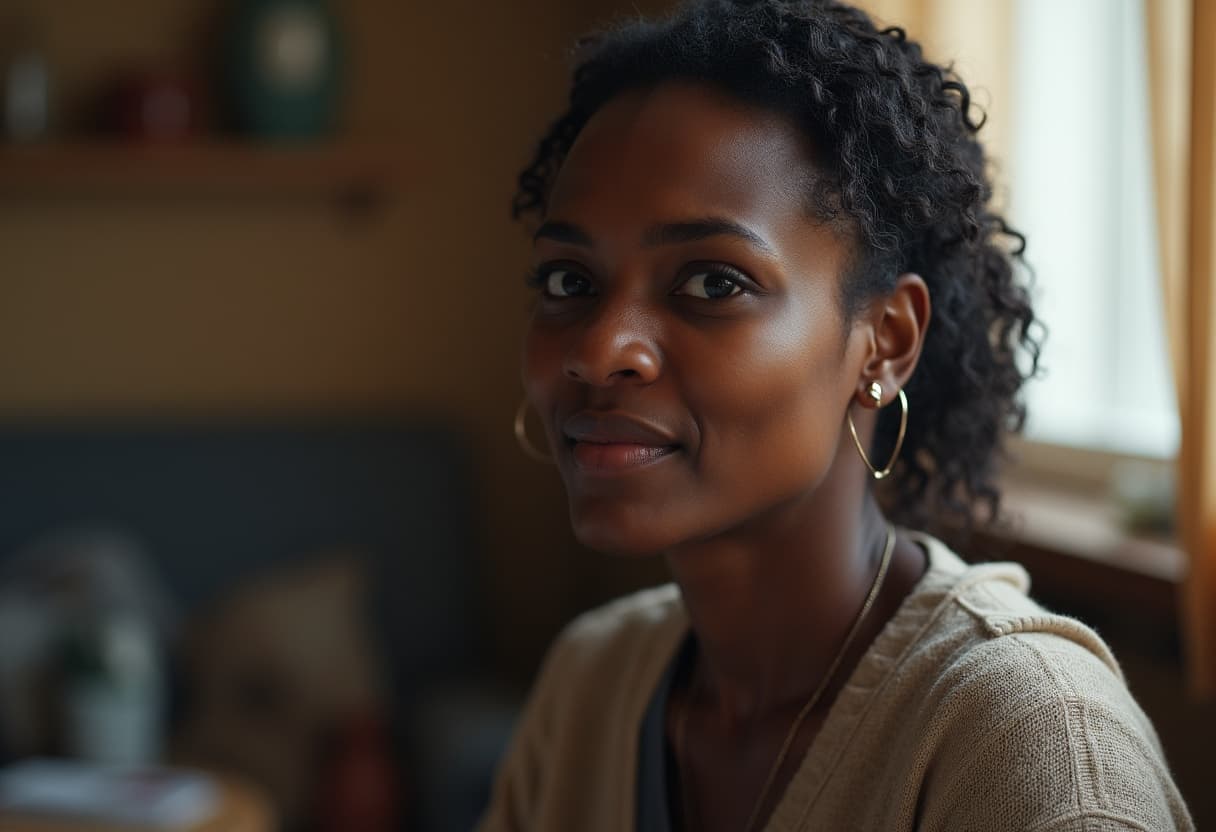
An Eritrean Nurse’s Journey Through the U.S. Immigration Maze
Rahel Negassi’s story is a poignant reflection of the complexities, contradictions, and human costs within the North American immigration system. Having spent over 20 years living and working undocumented in the United States, Rahel’s attempt to legally cross into Canada with her 11-year-old son turned into a harrowing ordeal—highlighting the labyrinthine challenges asylum seekers often face in pursuit of safety.
Leaving the United States: A Bet on the Peace Bridge
On June 27, with her son’s hand firmly in hers, Rahel stepped toward the Canadian border at the Peace Bridge connecting Buffalo, New York, to Fort Erie, Ontario. After decades marked by compliance with immigration check-ins and forging a life as a nurse and mother, Rahel was determined to leave the U.S. following a stark warning: her Immigration and Customs Enforcement (ICE) agent had pressed her to "find another country" amid tightened enforcement under the Trump administration’s return to power in 2024.
Canada, home to a brother and enveloped in the hope of a more welcoming asylum framework, seemed her best chance. Yet, the Canadian immigration process, far from simple, unleashed a monthslong saga of skepticism from border agents, rejections of even scientifically supported proof of her family ties, and severe psychological strain on Rahel and her family.
Canadian Border Policy Shifts Amid U.S. Pressures
Interviews with immigration lawyers and human rights groups reveal that since President Trump’s 2024 inauguration, Canadian border authorities have tightened their protocols—often informally—to deter asylum seekers arriving from the U.S. Harsher interrogations and swift rejections without allowing time for legal intervention have become common, effectively creating an "immigration hall of mirrors" where refugees like Rahel are trapped in bureaucratic limbo.
The Human Side of Detention and Deportation Threats
Rahel was denied entry despite robust evidence of her Eritrean origins, including a birth certificate and a DNA test linking her to her Canadian-based brother. The devastating moment when authorities prepared to return her to U.S. custody was marked by a desperate cry: "God knows where they’ll deport me to." Yet, amid her despair, her young son’s comforting presence underscored the emotional toll this process inflicts—not just on the asylum seekers but their families as well.
Legal Context: Eritrea’s Repressive Regime and U.S. Asylum Policies
Eritrea’s authoritarian regime with mandatory indefinite conscription and systemic human rights abuses has driven many to seek refuge. Rahel’s initial attempt to seek asylum in the U.S. in 2003 was complicated by her use of a counterfeit British passport—reflecting the desperate measures forced by oppressive regimes—but this ultimately hampered her legal case. The post-9/11 security landscape further tightened asylum criteria, resulting in her case being deemed "frivolous," a permanent barrier to legal status.
Life on Hold: Decades of Uncertainty
Despite this, Rahel managed to build a life: marrying, earning a nursing degree on scholarship, and contributing to her community. Still, her undocumented status always hung overhead, exacerbated when the political climate shifted in 2024. Her story exposes the often invisible resilience of immigrants who navigate tenuous legal and social spaces over many years.
Detention and Dehumanization
Rahel’s time in U.S. detention, including a Texas facility where she was processed as a "bag and baggage" case (indicating imminent deportation), highlights systemic issues in detention conditions—restricted movement, shackling during flights, and lack of basic dignity, like dealing with menstruation in custody. These details illuminate larger questions about humane treatment within immigration enforcement frameworks.
A Renewed Chance in Canada
After months of uncertainty and a last-minute deportation from Texas, a remarkable opportunity arose: Canadian authorities agreed to reconsider Rahel’s asylum claim. This time, legal advocacy and a more informed border agent culminated in a more favorable environment where DNA evidence was verified and Eritrea’s history understood. While the final decision awaited official approval, Rahel’s emergence into Canadian soil with her family reunited marks a significant symbolic and practical victory.
Implications for North American Asylum Seekers
- Cross-border asylum policies remain inconsistent and often punitive, creating perilous pathways for vulnerable families.
- The role of legal representation and advocacy is critical in navigating complex immigration infrastructures.
- Political shifts, such as changes in administration, dramatically affect immigrant lives and enforcement priorities.
- There is an urgent need for transparent, humane detention protocols aligned with international human rights standards.
Editor’s Note
Rahel Negassi’s story is more than a single immigrant’s struggle; it is a window into the broader challenges facing asylum seekers caught between geopolitical tensions, legal hurdles, and shifting policy landscapes. Her odyssey underscores the resilience of individuals navigating systems not designed with their humanity in mind. As political climates continue to change, Rahel’s experience raises critical questions about the ethical responsibilities of governments on both sides of the border, the importance of family reunification, and the urgent need for reform in immigration enforcement to preserve dignity and fairness for all.