A Tragic Loss in the Caribbean Waters
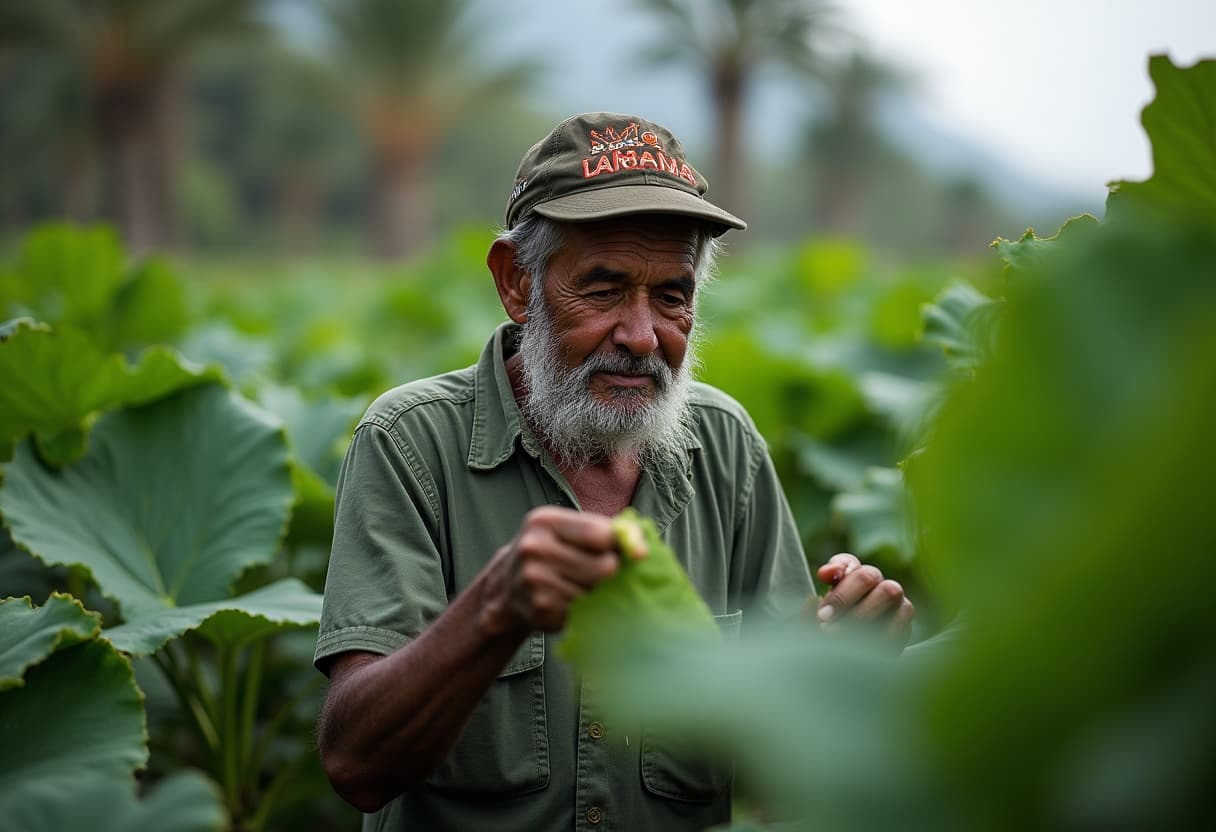
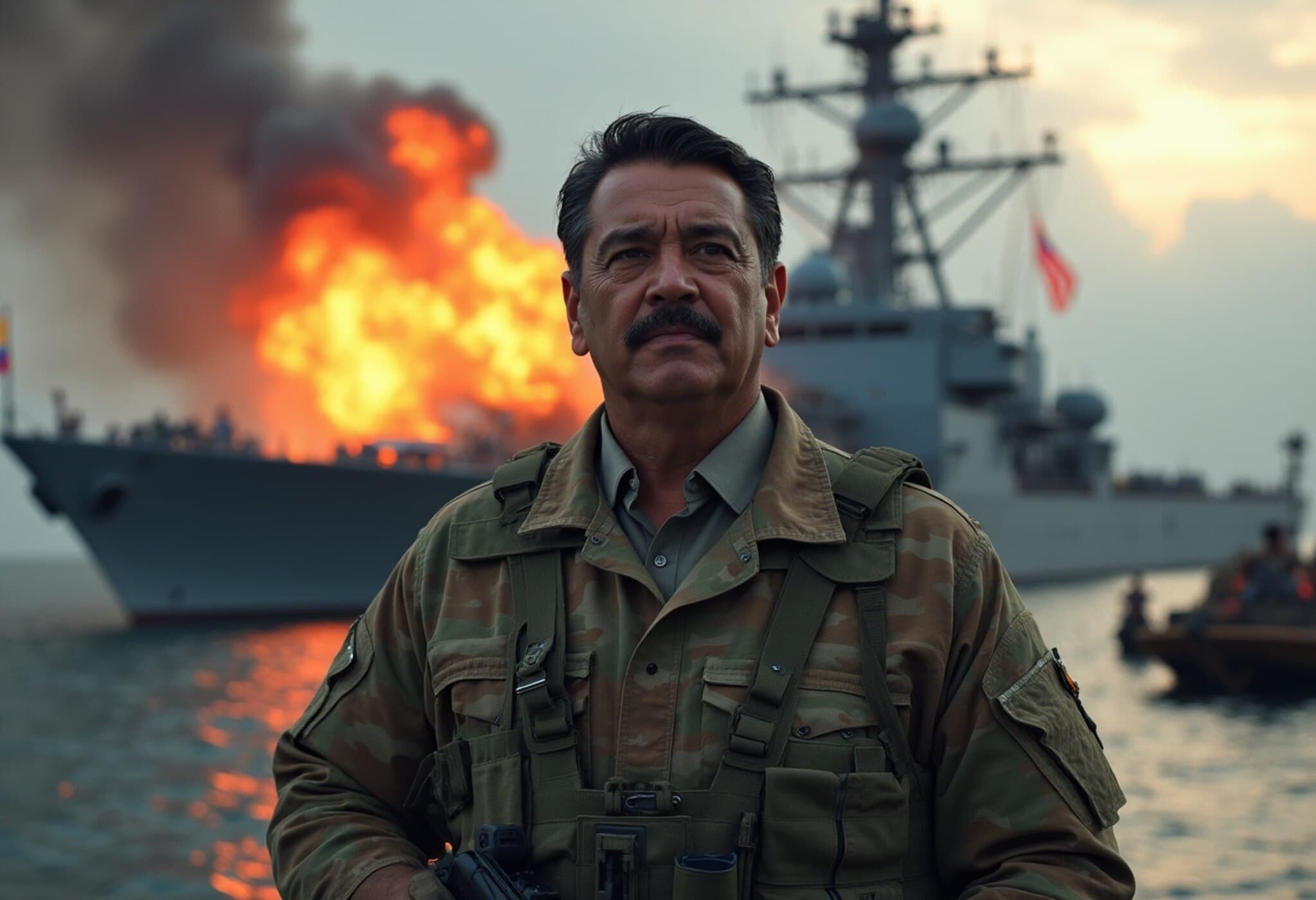
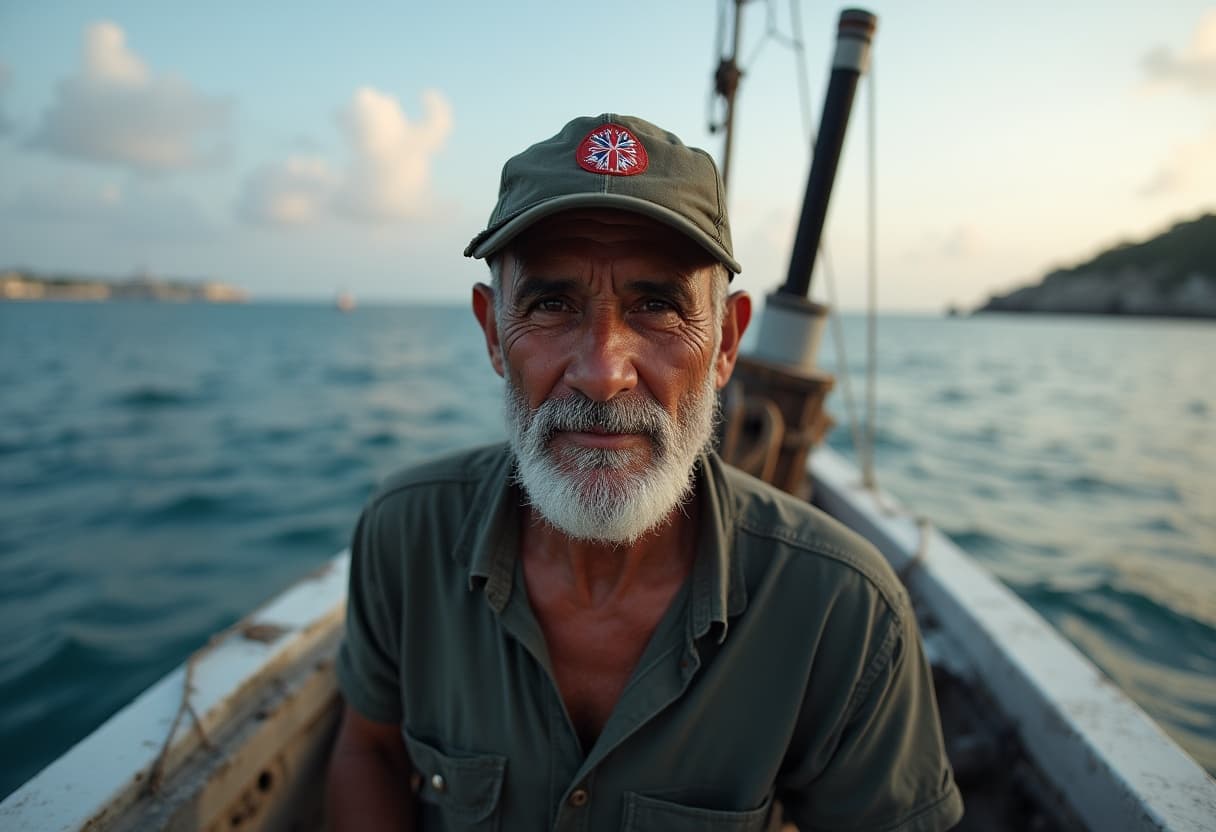
In the coastal city of Santa Marta, Colombia, a grieving family clings to hope after losing Alejandro Carranza, a local fisherman who vanished after a fishing trip in mid-September 2025. Carranza's disappearance, following a deadly U.S. military strike on a vessel in international waters, has sparked outrage and raised pressing questions about the legality and humanitarian impact of recent American military operations in Latin America’s maritime zones.
The Broader Context: U.S. Military Actions and Regional Tensions
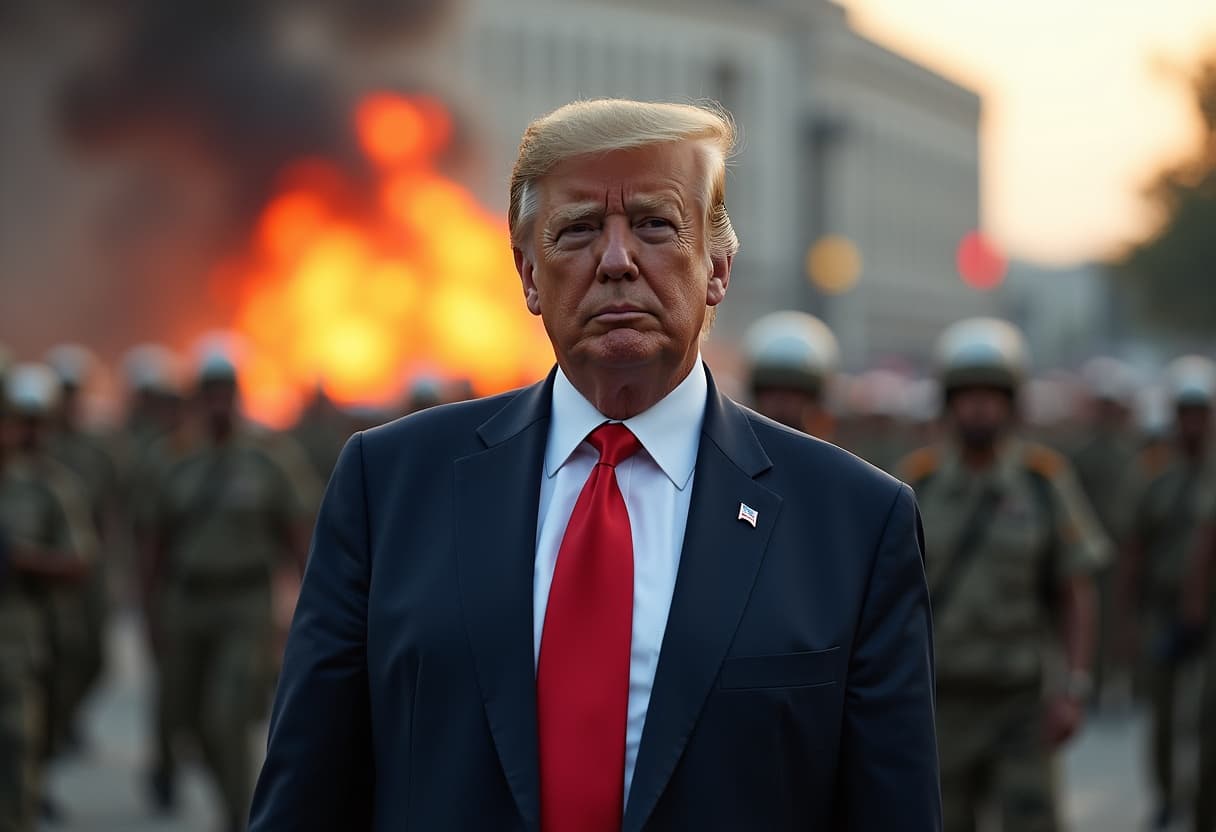
Colombia, historically a strong U.S. ally in Latin America, is witnessing unprecedented strain in its relations with the United States. Since the Trump administration expanded military operations in the Caribbean Sea, targeting suspected drug-trafficking vessels, nearly 20 strikes have resulted in at least 76 fatalities.
President Gustavo Petro of Colombia has publicly condemned these strikes, labeling the killing of Carranza as a grave injustice. His denunciation triggered retaliatory sanctions and aid reductions by the U.S., deepening diplomatic tensions. Moreover, Colombia paused intelligence sharing with the U.S. until the strikes cease, highlighting the deteriorating cooperation.
Legal and Ethical Debates Surrounding the Strikes
The Trump administration defends these military interventions as necessary actions against narcotics shipments that pose severe threats to U.S. security. Yet, international law experts critique these strikes for violating principles of self-defense and proportionality. They argue that even if drug trafficking suspicions existed, the lack of immediate threat from those aboard the vessels makes lethal force unlawful.
Dan Kovalik, an American attorney representing Carranza’s family, emphasized, “If the people on the boat were suspected of drug trafficking, they should have been arrested, not killed.” This case may set a precedent in challenging these controversial operations.
A Family Shattered by Loss and Uncertainty
Alejandro Carranza’s daughter, 14-year-old Cheila, spoke with a heavy heart, “I never thought I would lose my father in this way.” Her mother, Katerine Hernández, refutes claims that Carranza was involved in narcotics or drug trafficking, underscoring his life-long dedication to fishing and providing for their modest family.
Despite previous brushes with the law—a non-related 2012 incident regarding stolen weapons—family and community members attest to Carranza’s innocence regarding drug smuggling. Instead, social and economic hardships force many fishermen into precarious situations, sometimes caught in the crossfire of larger geopolitical struggles.
Now residing in a cramped room in her mother’s house, Hernández struggles to support her children amidst trauma and unpaid school fees. Videos circulating among children in Santa Marta, some showing the explosion that ended Carranza’s life, have left lasting psychological scars on young Libiston, their 11-year-old son.
Community Impact: Fear and Economic Disruption
In Santa Marta, fishermen traditionally thrive during the tuna season, a peak period for their livelihood. However, escalating U.S. military actions have sown fear and uncertainty. Many are hesitant to venture into the waters, fearing similar attacks. Leonardo Vega, leader of a local fishermen’s association, described the chilling effect: “It has virtually ground fishing to a standstill.”
Vega’s observations, grounded in years of local experience, highlight not just a humanitarian crisis but an economic one that risks impacting Colombia’s coastal communities long-term.
Unanswered Questions and the Road Ahead
While the Trump administration accuses Venezuelan President Nicolás Maduro of orchestrating drug trafficking, these claims remain unsubstantiated with concrete public evidence. The blurred lines between illicit trade and fishermen’s legitimate activities raise critical questions about proportional response and respect for sovereignty.
Moreover, the inability to recover Carranza’s body fuels family distress and community suspicion. The identities of two other men killed alongside him remain unknown, underscoring the opacity surrounding these military operations.
Expert Perspectives
- International Law: Use of lethal force without due process infringes on human rights and international maritime law.
- Economic Impact: Disruption of fishing communities exacerbates poverty and social instability in vulnerable regions.
- Diplomatic Relations: These strikes threaten long-standing U.S.-Colombia collaboration against transnational crime.
Editor’s Note
The tragedy of Alejandro Carranza illuminates a complex intersection of security policy, international law, and human cost. As the U.S. government accelerates military efforts against drug trafficking in Latin America, it must reconcile strategic objectives with respect for human rights and community livelihoods. For Colombia, balancing alliance commitments with national sovereignty and citizen protection poses an urgent challenge.
This case invites readers to consider: How should nations enforce anti-narcotics laws without sacrificing innocent lives? What safeguards are essential to ensure transparency and accountability in military operations abroad? And how can regional cooperation evolve to address systemic issues rather than perpetuate cycles of violence and mistrust?
As legal proceedings develop and families seek justice, the story of Carranza is a poignant reminder of the human faces behind geopolitical conflicts.