Why Mexico City Has Become a Magnet for American Women Seeking Renewal
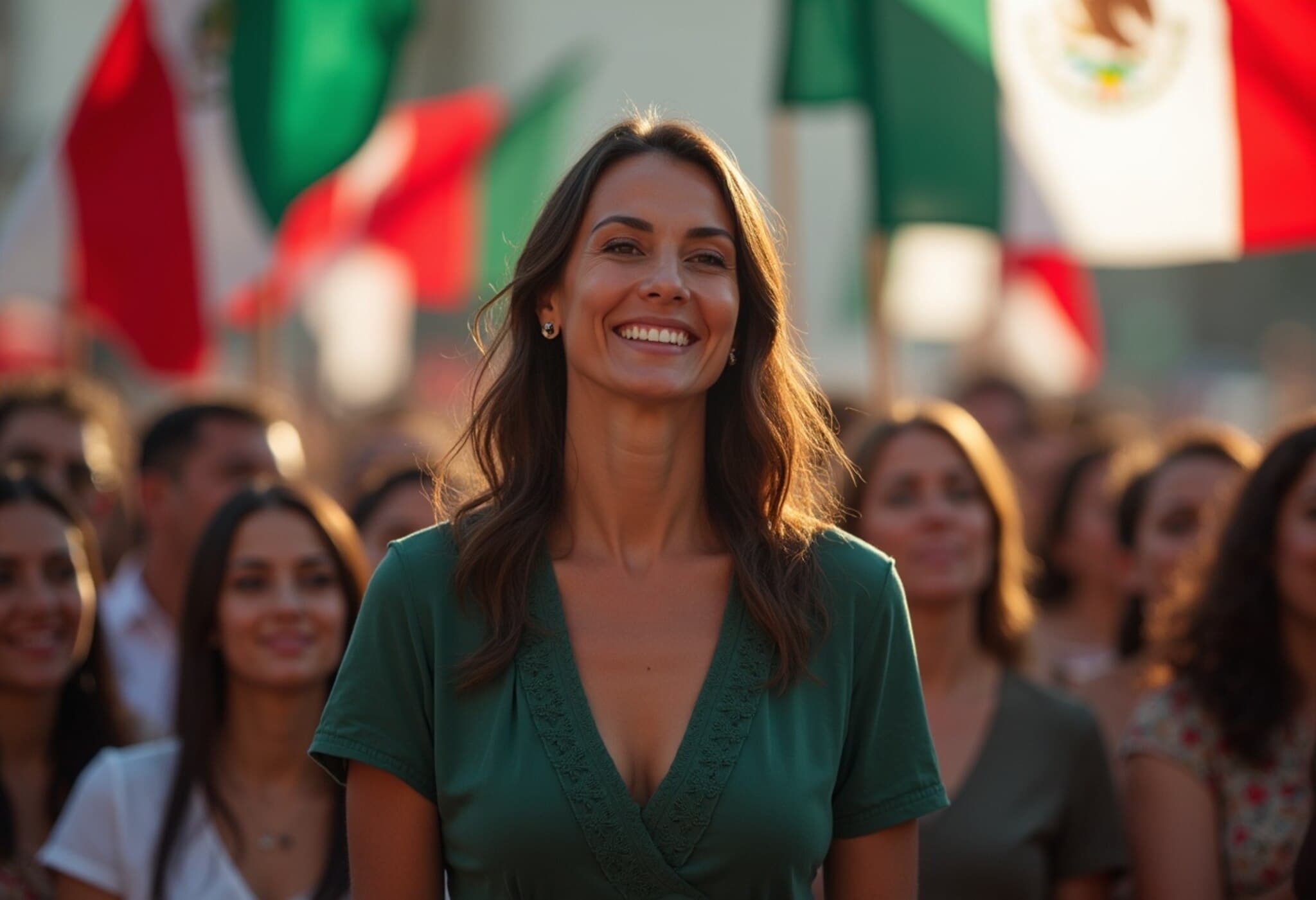
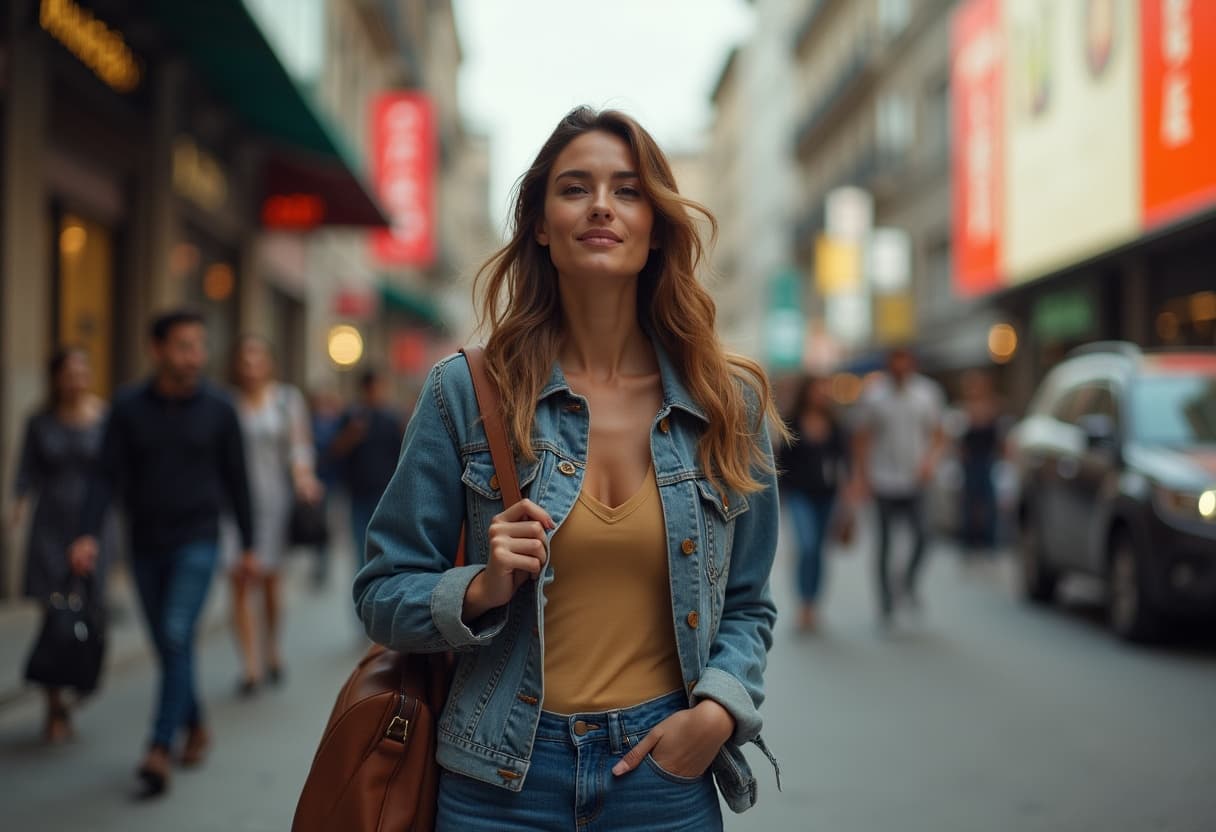
In the bustling heart of Mexico's capital, a quiet revolution is underway. Thousands of foreign women, predominantly from the United States, are trading familiar stresses for fresh opportunities, entrepreneurial ventures, and a vibrant urban culture. Against the vivid backdrop of neighborhoods like Roma and Condesa, these women have taken bold leaps of faith that mirror a modern-day reinvention.
Hannah McGrath, a 35-year-old American, encapsulates this journey. Just three years ago, she was struggling in Los Angeles juggled between unemployment and a relationship motivated by reducing rent costs. Today, she speaks of Mexico City as a landscape of "possibility and potential" where she has genuinely found herself. Her narrative resonates with a growing demographic of expats seeking what many call a “life reset.”
Expatriate Women: Redefining Success Amid Cultural Complexities
Since the COVID-19 pandemic disrupted global routines, an influx of American women has gravitated towards Mexico City’s affordable living and dynamic culture. Government data reveals a compelling trend: a 56% increase in temporary-residency permits for Americans in 2024 compared to 2019, signaling a robust expansion in this community.
Mexico City offers these women a budget-friendly alternative to expensive U.S. cities grappling with soaring costs tied to housing, healthcare, and childcare. For many, particularly women in their 30s and 40s, this transition coincides with career shifts, burnout recovery, or seeking safety in a city they deem more welcoming than other urban centers in Latin America.
Yet this influx has stirred tensions. The surge in foreign residents contributes to escalating rents—some doubling in key neighborhoods—and has ignited concerns among locals about gentrification and cultural displacement. Graffiti messages like "Learn Spanish, dog" and "Gentrification is colonization" have appeared in public spaces, highlighting pushback against perceived outsider influence.
The Dual Impact: Economic Boost and Cultural Tensions
Expats undoubtedly bring economic vibrancy. They create local jobs and introduce new businesses—a physical therapy clinic run by an American, a Canadian-owned sauna spa, a Hungarian entrepreneur’s natural products, and a Scottish bagel shop stand as examples. These endeavors invigorate the local economy while appealing to a niche, often wellness-focused community fond of cacao ceremonies, sound baths, and spiritual gatherings.
However, this phenomenon also uncovers deeper socio-economic divides. Young Mexicans like 22-year-old Daniela Barrera lament the unaffordable housing market, which forces many to live with their parents longer, hampering financial independence. Additionally, some Mexicans criticize expats for maintaining insular social circles—a “bubble” that limits true cultural exchange.
Social Connectivity: Building Community Amid Isolation
To counter isolation, women-only groups such as Hermanas have grown from modest WhatsApp chats to extensive international networks empowering members with sublets, wellness advice, and business referrals. These human connections provide emotional support and anchor newcomers in a sometimes overwhelming metropolis.
Yet the cultural crossroads are delicate. Breanna Claye, a model who moved from New York, faced backlash when a lighthearted video about an organ grinder sparked allegations of cultural insensitivity. Such incidents reveal the fragile balance between embracing a new culture and respecting longstanding local narratives.
Looking Ahead: A City in Flux for Residents and Expats
With some expats reconsidering their long-term stay amid shifting sentiments, Mexico City's social fabric is undeniably evolving. While a portion of the pandemic cohort plans to return to the U.S. or other countries, new waves of younger and older women continue to arrive, drawn by affordability relative to their home cities.
Experts suggest that Mexico City’s appeal lies not just in economics but in the possibility of reinvention, especially amid the challenges of modern life. As one expat observed, "Anyone can start anything here," capturing the entrepreneurial spirit that propels these women forward.
Expert Commentary: Navigating Growth and Gentrification
From a policy perspective, Mexico City presents a complex case study on urban development and migration. The city’s ability to integrate foreign entrepreneurs while protecting local communities' interests requires nuanced urban planning and inclusive cultural policies to mitigate gentrification.
Economists note that foreign investment and tourism spur economic growth but emphasize safeguarding affordable housing to prevent socioeconomic displacement. Meanwhile, sociologists stress fostering intercultural dialogue to bridge gaps between locals and new residents, ensuring the city remains vibrant yet inclusive.
Editor’s Note
Mexico City’s allure as a sanctuary for American women pursuing new beginnings encapsulates broader global patterns of post-pandemic mobility and urban reinvention. This complex narrative intertwines personal transformation with local economic shifts and social challenges. As Mexico City continues to evolve, the critical question remains: how to harmonize the dreams of newcomers with the rights and realities of long-standing residents? The answer will shape not only its neighborhoods but also the future of cosmopolitan life in Latin America.