Omar García Harfuch: Mexico’s Frontline Against Cartels
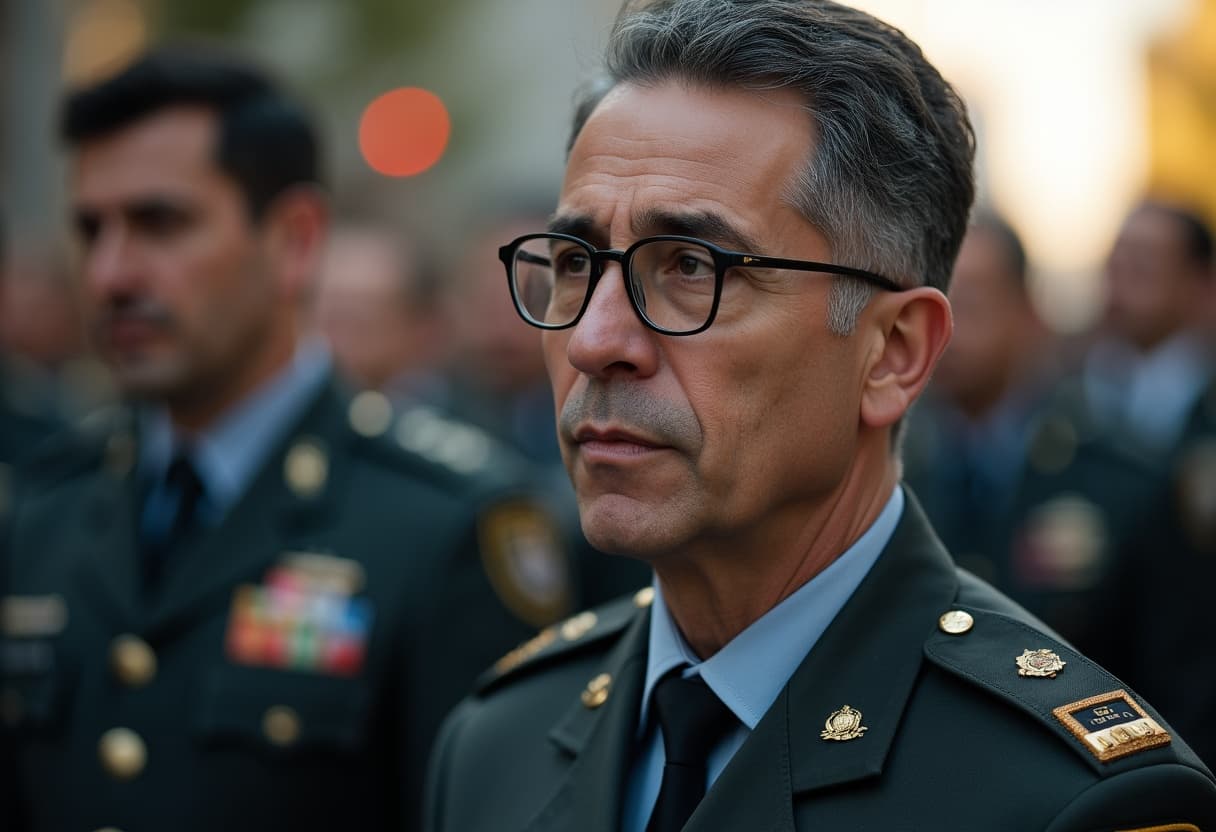
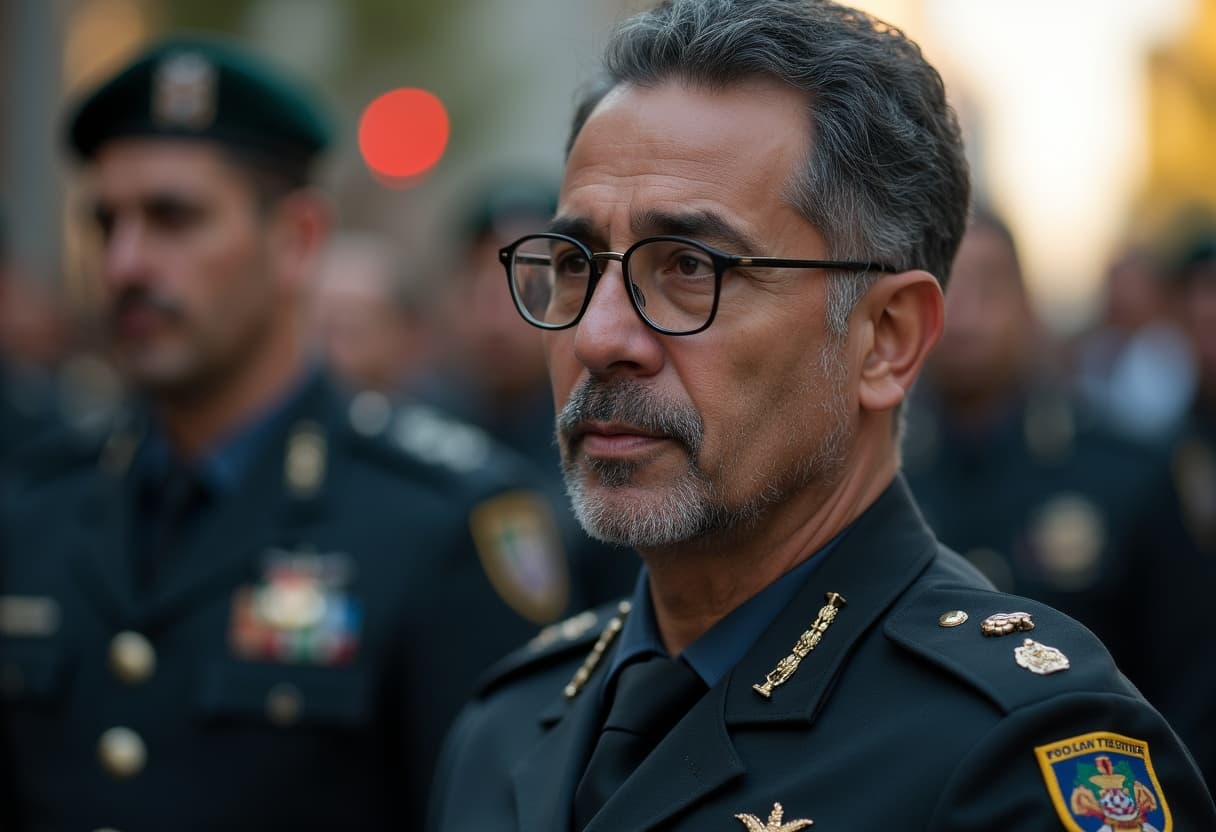
In the heart of Mexico City, Omar García Harfuch, the nation’s Secretary of Security and Citizen Protection, embodies a relentless and personal fight against the criminal empires that have long plagued Mexico. After surviving a brutal assassination attempt in 2020, Harfuch’s commitment to eradicating the cartels only hardened. He remains vigilant, often sleeping in his office under heavy guard — a testament to the perilous nature of his mission.
A Renewed Offensive Against Powerful Cartels
Since taking office, Harfuch has spearheaded one of the country’s most aggressive anti-cartel campaigns in over a decade. Under his leadership, authorities have markedly increased arrests, firearm seizures, and the dismantling of drug labs. Official government figures report that, so far this year, homicide rates have decreased by 22 percent—hitting levels unseen in ten years. Violent robberies dropped by 15 percent, indicating a promising, albeit fragile, shift in public security.
Yet, alongside these improvements, troubling statistics reveal rises in kidnappings, extortion, and disappearances, highlighting the complex and multifaceted nature of Mexico’s security crisis.
The Man Behind the Strategy
At 43, Harfuch’s rise through Mexico’s security apparatus has been swift and marked by a reputation for toughness. Nicknamed “Batman” by local media during his tenure as Mexico City’s police chief, his hands-on approach combines strategic intelligence with operational coordination. Unlike predecessors, he commands a broad coalition — overseeing investigative units, prosecutors, intelligence agencies, and armed forces — all unified under a coherent security doctrine endorsed by President Claudia Sheinbaum.
Experts like Eduardo Guerrero, a former Mexican security official, emphasize that Harfuch represents a new archetype: a “security czar” with unprecedented authority. Yet Guerrero cautions that the cartels’ entrenched strength and infiltration into institutions may exceed even Harfuch’s formidable capabilities.
Building Stronger US-Mexico Security Ties
HarFuch’s tenure has also recalibrated Mexico’s cooperation with the United States. After years of strained relations, his pragmatic, no-nonsense collaboration style with US security agencies has restored confidence in Mexican efforts to curb drug trafficking. Information sharing has increased sharply, facilitating joint operations that aim to disrupt the transnational flow of narcotics and weapons.
Despite some political rhetoric advocating for direct US intervention, Harfuch and Sheinbaum publicly affirm Mexico’s sovereignty and insist that the solution relies on enhanced intelligence — not foreign troops on Mexican soil.
Challenges Beneath the Surface
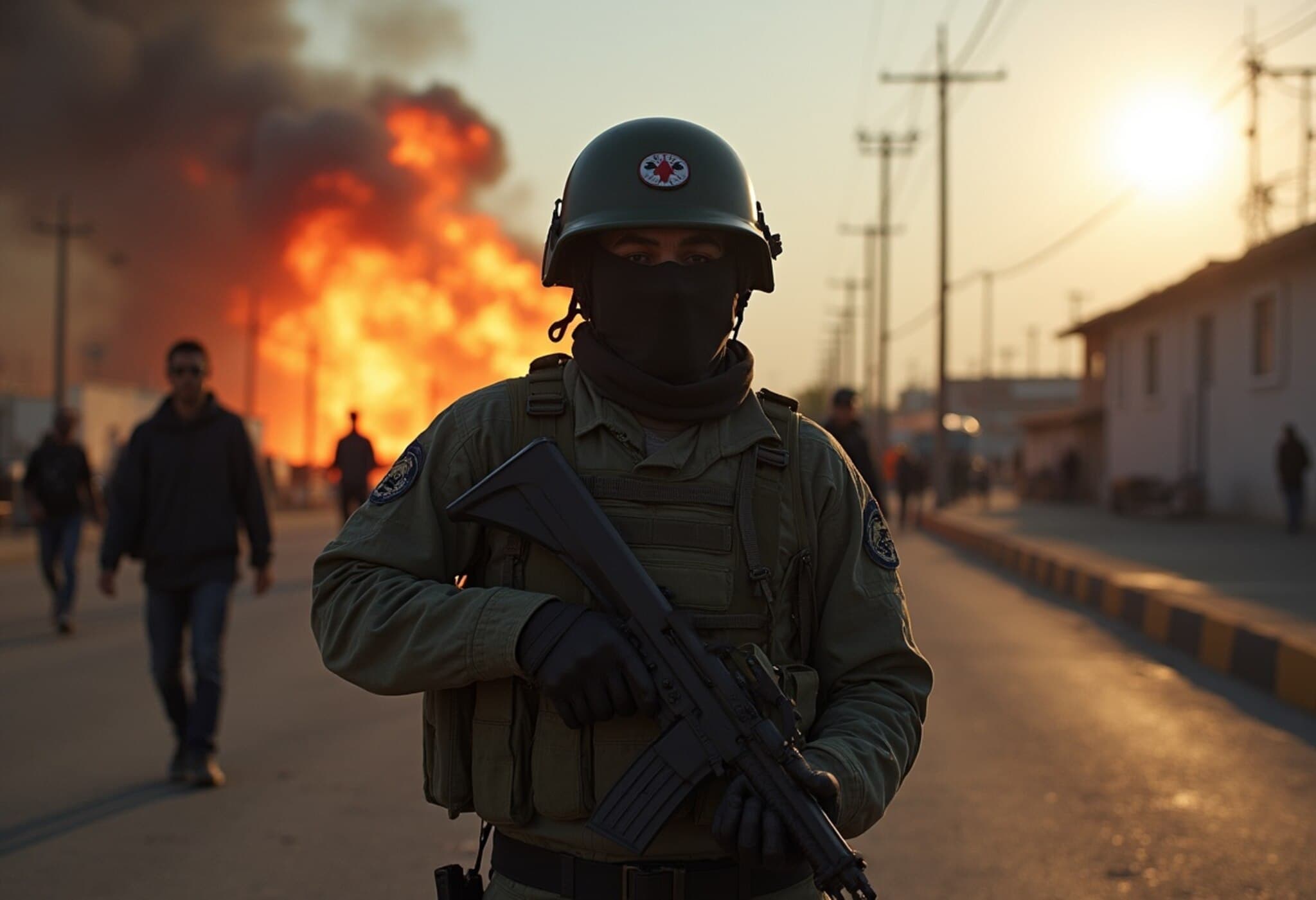
Still, the path ahead is steep. While the Sinaloa Cartel has reportedly been weakened, the Jalisco New Generation Cartel has simultaneously expanded influence, leading to intensified turf wars and escalating violence in certain regions. These conflicts ripple through communities, as evidenced by high-profile assassinations and chilling acts of terror, such as recent car bombings.
Locals, including human rights activists like Evangelina Contreras, express a cautious hope tinged with frustration. The reality for many citizens is a daily struggle against insecurity, with disappearances and extortion growing even as homicides decline.
The Political Dimension and the Road Forward
Crucially, Harfuch credits President Sheinbaum’s leadership for the current government’s more coordinated and encompassing approach, contrasting it with past administrations’ fragmented strategies. Their daily security briefings and data-driven tactics reflect a modern model of governance under pressure.
Still, questions linger about long-term effectiveness: Can Mexico dismantle cartels deeply woven into the fabric of its society and economy? Will gains in violent crime reduction translate into lasting peace and security?
Editor’s Note
Omar García Harfuch’s battle against Mexico’s cartels is emblematic of a nation grappling with a deeply rooted crisis. His rise signifies a shift toward centralized, aggressive security policies with meaningful US collaboration. Yet, the resilience of criminal networks, rising non-lethal crimes, and public perceptions of insecurity underscore how much remains unresolved. This evolving story invites reflection on the balance between law enforcement and broader social reforms needed to rewrite Mexico’s security narrative.
As Mexico approaches critical junctures in governance and security strategy, the world watches: can dedication and coordination overcome the entrenched powers of organized crime?