Inside Mexico's Fierce Battle Against Drug Cartels
When Claudia Sheinbaum was elected president of Mexico last year, many anticipated a possible rise in cartel influence. As a climate scientist stepping into the highest office, her expertise did not lie in security. Moreover, she assumed office following Andrés Manuel López Obrador, whose controversial "hugs not bullets" approach to crime witnessed some of the bloodiest years in recent Mexican history.
The Rise of Omar García Harfuch: From City Hall to National Security
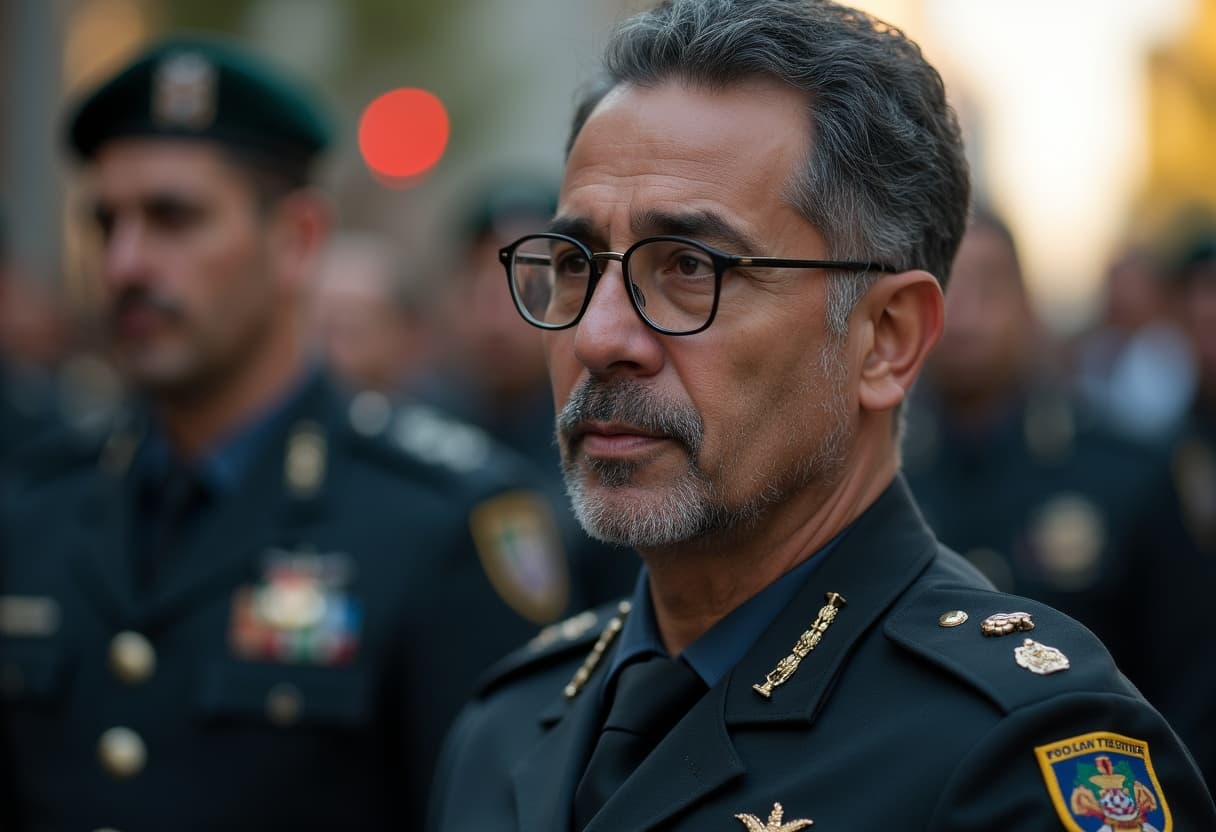
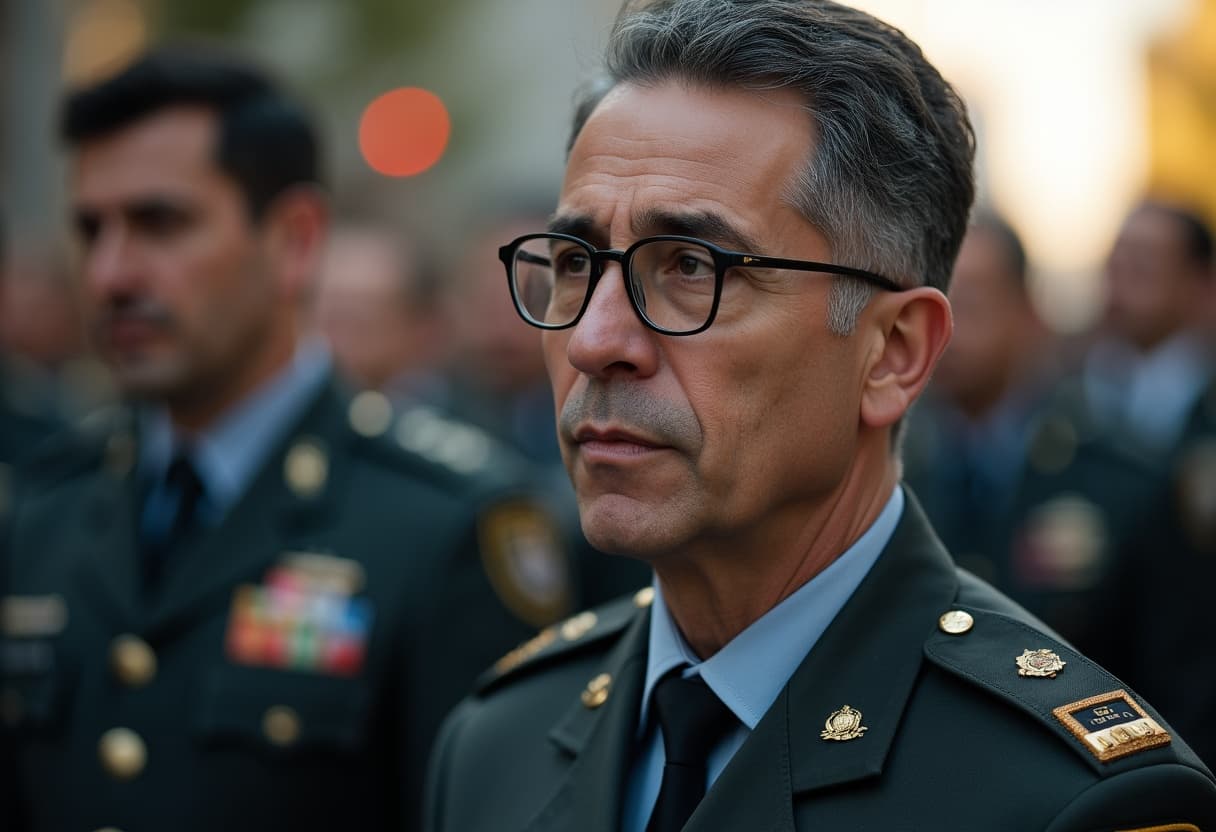
However, Sheinbaum’s secret weapon emerged from her tenure as Mexico City's mayor. She entrusted Omar García Harfuch, a seasoned federal police official, to helm city security. Under his leadership, homicides in the capital fell by approximately 40%, a significant feat given the city's prior violence levels.
Recognizing this success, President Sheinbaum appointed Harfuch to lead the nationwide fight against violent crime, a formidable task given Mexico’s notorious drug cartels, some of the most powerful criminal organizations worldwide. These groups have historically outmaneuvered government crackdowns for decades.
A Renewed Offensive Shows Promising Signs
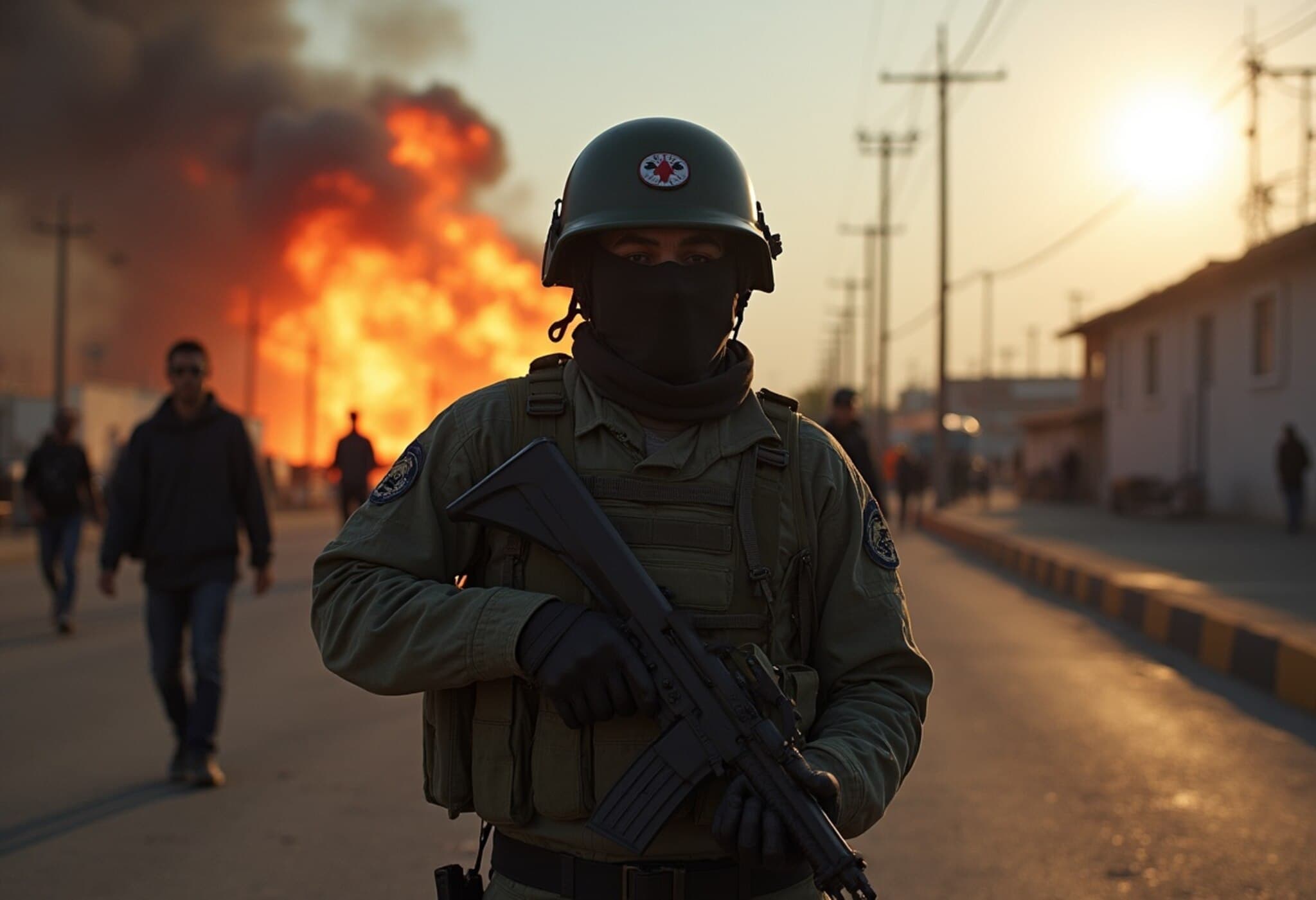
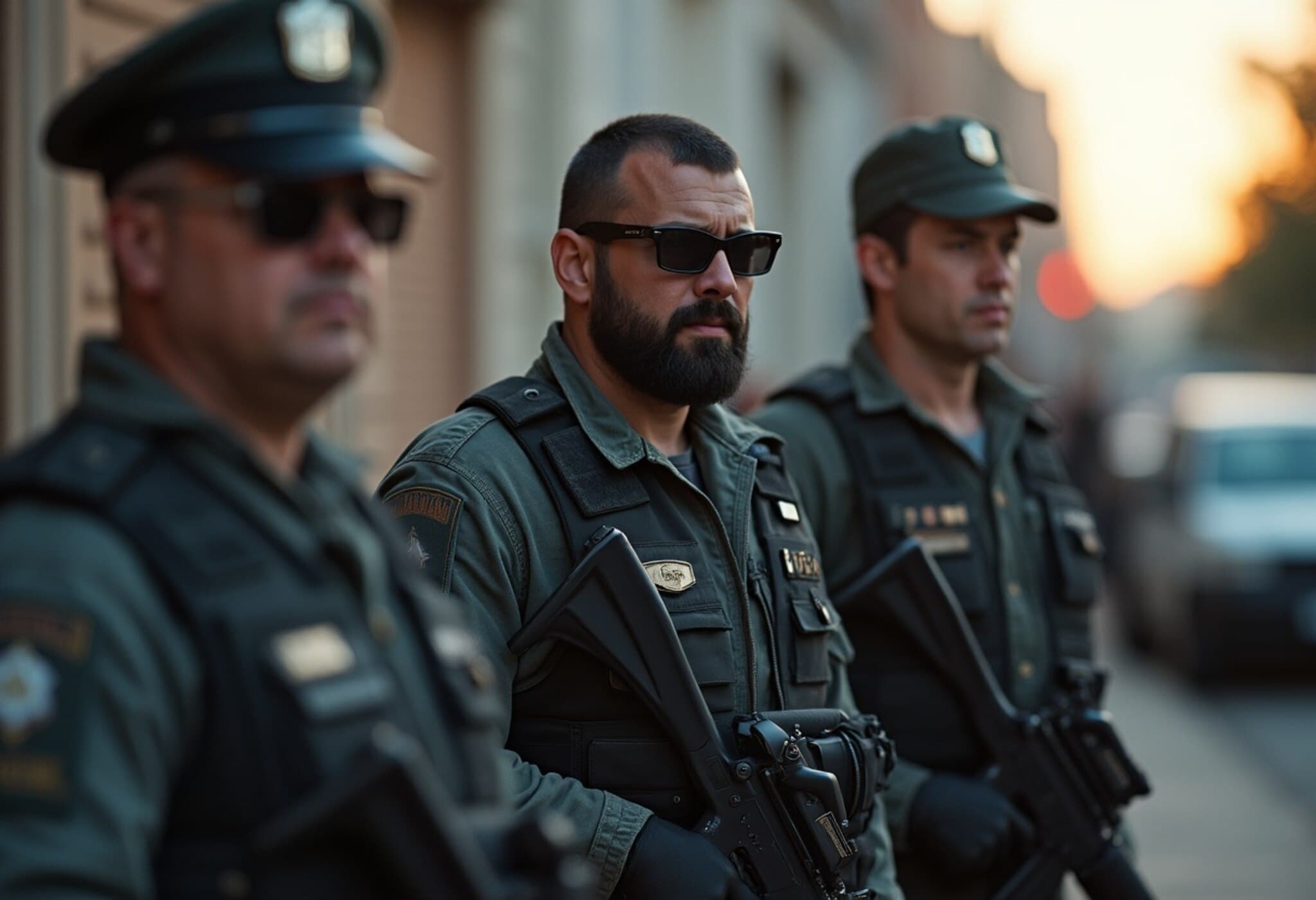
The current administration has launched one of the most aggressive campaigns against cartels in over ten years. Early data suggest a notable decline in homicides and violent robberies, underscoring the effectiveness of targeted policing strategies and enhanced intelligence operations.
Yet, despite this progress, new challenges loom. Reports indicate rising rates of disappearances, kidnappings, and extortion—a grim reminder of the cartels' adaptive nature and ruthless diversification of criminal activities. These evolving threats complicate the security landscape, demanding more nuanced responses.
Insights from Omar García Harfuch’s First International Interview
In his first on-the-record discussion with international media since assuming national security leadership, Harfuch opened up about his comprehensive strategy. He emphasized a multi-pronged approach combining aggressive law enforcement, community engagement, and strategic partnerships with international allies including the White House.
- Focus on Intelligence: Utilizing advanced data analytics and local informants to dismantle cartel networks systematically.
- Collaborative Efforts: Strengthening cross-border cooperation to curb drug trafficking and arms smuggling.
- Community Outreach: Investing in social programs to address underlying causes of crime and build trust with citizens.
Harsh critics argue that a sole reliance on force risks perpetuating cycles of violence. However, Harfuch underscores the importance of balanced tactics, pairing crackdown measures with reforms and safeguarding human rights.
Contextualizing Mexico’s Security Challenges and U.S. Relations
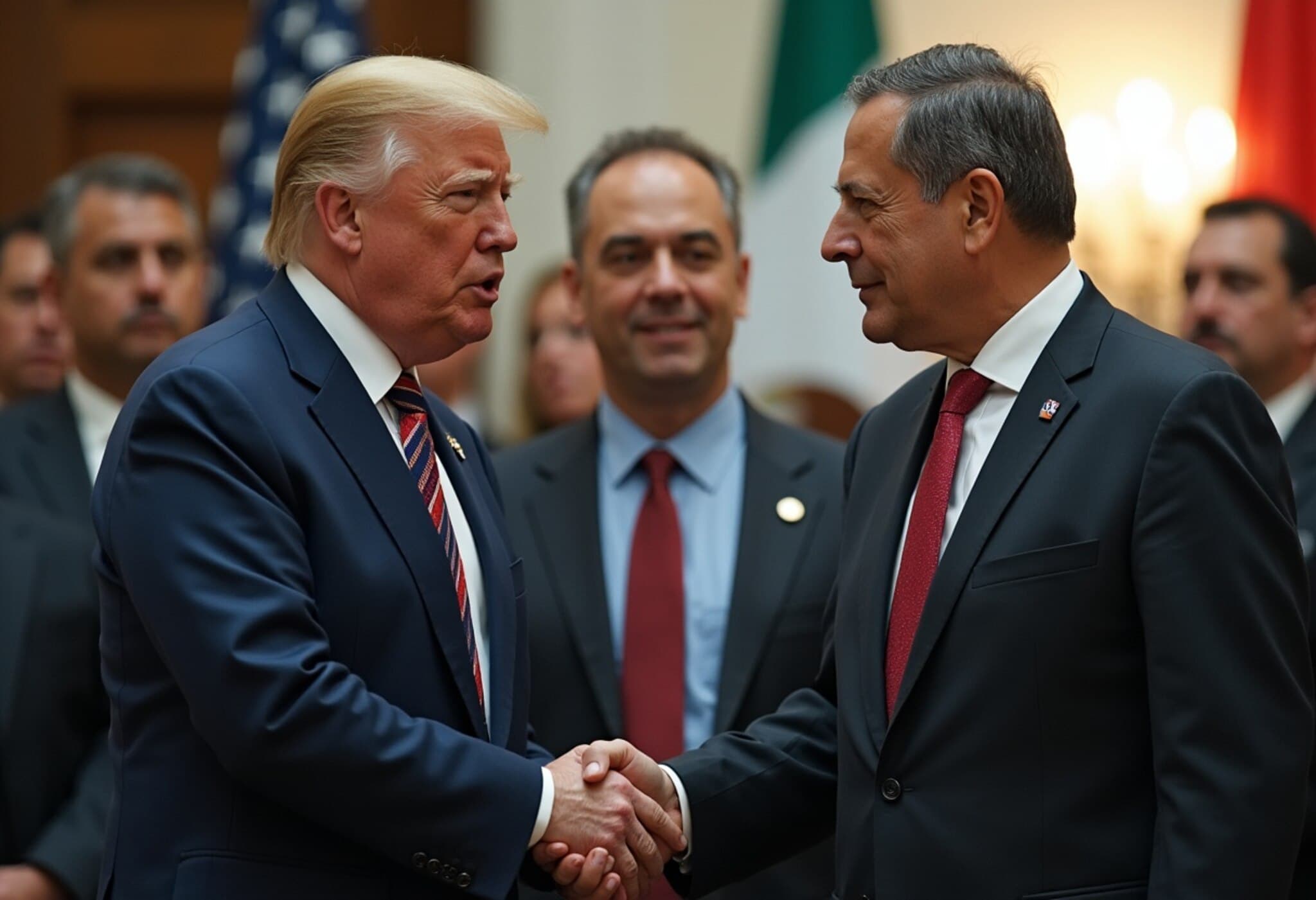
Mexico's security environment poses complex challenges with direct implications for the United States, from border security and migration to drug demand driving cartel profits. The collaboration between Mexico’s security apparatus and U.S. agencies, including intelligence sharing and coordinated operations, remains pivotal.
The Biden administration has publicly supported Mexico’s tough stance on cartels, recognizing that stability south of the border contributes to broader regional security. Yet, questions remain about sustainable strategies that address socioeconomic factors fueling organized crime.
Underreported Narratives and Critical Questions
While headlines often focus on violent confrontations, less attention is given to:
- The human toll on communities caught between state forces and criminal groups.
- The role of corruption and institutional weaknesses undermining law enforcement.
- How climate change-induced resource scarcities might exacerbate tensions and criminal exploitation.
Experts warn that without systemic reforms, gains against cartels may be temporary. The story is not just about defeating violent gangs but about building resilient, transparent institutions and offering viable alternatives to vulnerable populations.
Conclusion: A Pivotal Moment for Mexico’s Security Future
The aggressive anti-cartel campaign led by President Sheinbaum and Security Secretary Omar García Harfuch signals an important shift in Mexico’s approach to persistent violence. Their combined efforts have set a new tone of determination, one that blends tactical rigor with awareness of social complexities.
Yet, the road ahead remains fraught with challenges. Success will depend on sustained political will, public trust, and integrated policies that look beyond immediate security concerns to the structural roots of crime.
Editor’s Note
This evolving battle against Mexico’s notorious drug cartels deserves close scrutiny, not only for its impact on national security but for how it shapes regional stability and international relations. Readers should consider how multi-dimensional strategies—including social justice, economic opportunity, and robust governance—are critical to breaking the vicious cycles of violence. As Mexico forges ahead, the world watches a nation striving to reclaim peace amidst complex adversity.