Rising Tensions Between Colombia and the United States Over Deadly Incident
Relations between the United States and Colombia have sharply deteriorated following Colombian President Gustavo Petro’s accusation that U.S. forces unlawfully killed an innocent fisherman during a maritime strike targeting drug traffickers. The incident, which reportedly occurred in mid-September, has sparked a fierce diplomatic row, culminating in President Donald Trump’s announcement to slash U.S. aid to Colombia, a key ally in Washington’s Latin American counternarcotics strategy.
The Incident: A Fisherman Lost Amid Drug Enforcement Operations
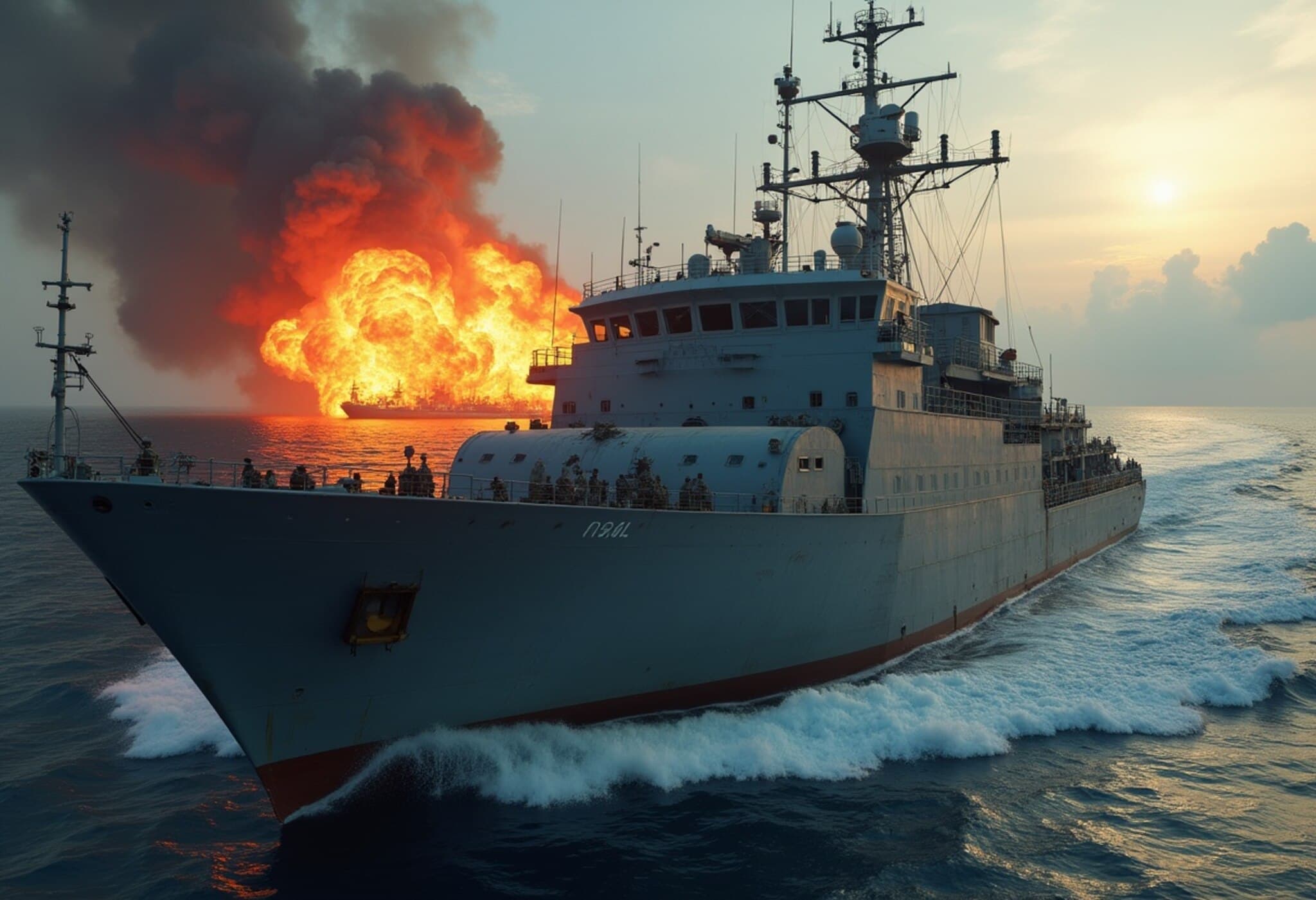
President Petro publicly condemned the United States, asserting that the victim, Alejandro Carranza, was a lifelong fisherman whose vessel was damaged and adrift—likely within Colombian territorial waters—when it was attacked. The U.S. government claims its forces targeted vessels suspected of transporting illicit drugs from Venezuela, a critical hub for narcotics trafficking in the region. However, concrete evidence supporting the U.S. narrative remains limited to select intelligence reports and partial declassified videos, fueling calls from legal experts that such military strikes against apparent civilians violate international humanitarian law.
Trump’s Response: Blame and Aid Cuts
In an unusually confrontational exchange, President Trump accused Petro of failing to rein in Colombia’s drug production and labeled him an “illegal drug dealer” who is hostile toward America. Trump’s administration announced the suspension of aid payments—funds traditionally aimed at bolstering counternarcotics and security efforts in Colombia—which had already been reduced earlier in the year.
Colombia was initially slated to receive over $400 million in assistance for such programs, but these cuts have trimmed the amount to a fraction of that, raising concerns about the future efficacy of joint efforts against drug trafficking and organized crime.
Context: A Complex Geopolitical Landscape
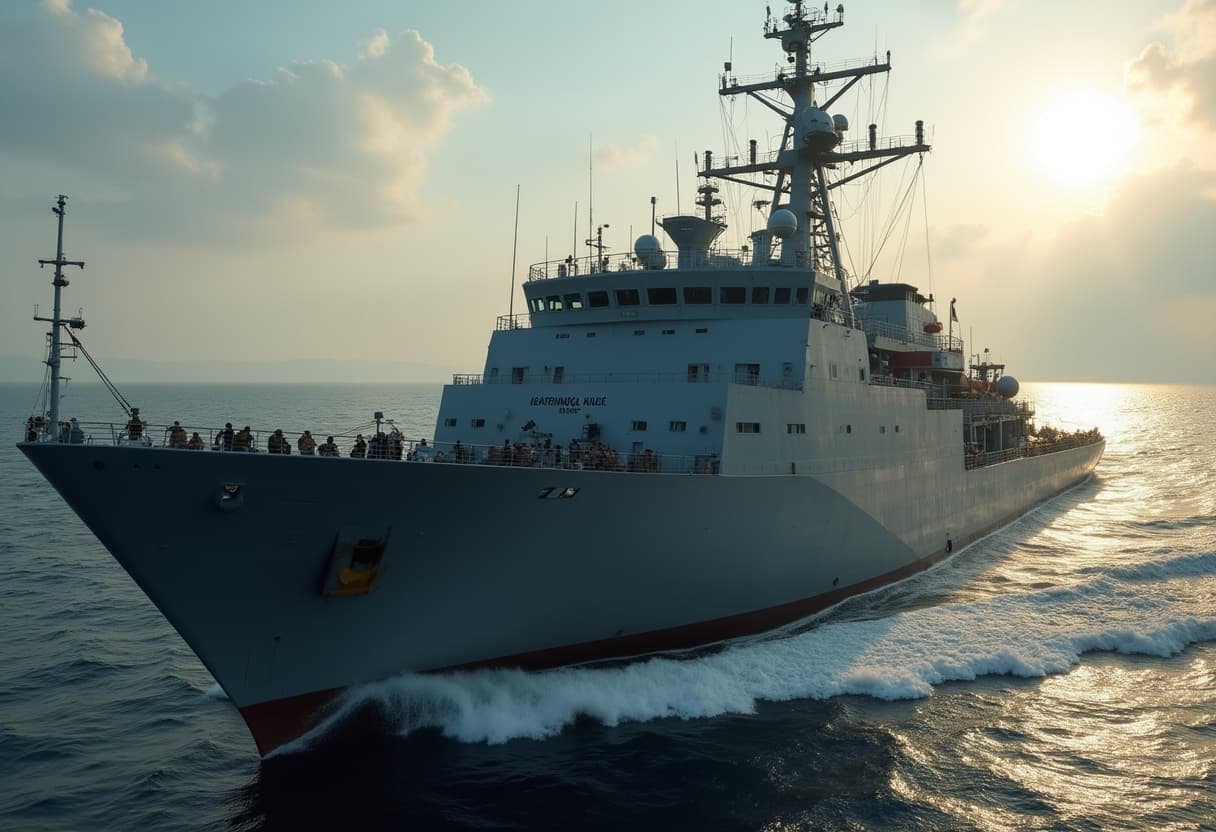
This diplomatic fallout is set against a backdrop of heightened U.S. military activity in the Caribbean. The Trump administration has deployed approximately 10,000 troops, along with aircraft and naval vessels, in what it calls a counterdrug and counterterrorism operation aimed primarily at Venezuelan targets. The move is widely interpreted as part of a broader strategy to pressure Venezuela’s authoritarian leader, Nicolás Maduro.
While Venezuela plays a significant role in regional instability, experts and Colombian officials argue that Colombia continues to be the world’s leading cocaine producer, implying that a singular focus on Venezuela oversimplifies the drug war’s complexities.
Clash of Political Narratives
President Petro, a leftist former guerrilla turned politician, has taken a defiant stance, openly supporting Maduro and resisting U.S. pressure. His posture contrasts with many other Latin American leaders, who often adopt more cautious approaches toward Washington.
Within Colombia, opinions are divided. Conservative voices, such as journalist and presidential hopeful Vicky Dávila, have sided with Trump, accusing Petro of enabling drug trafficking. Conversely, Petro’s allies underline the demand for drugs within the U.S. as a root cause and call for Washington to confront its own responsibility in perpetuating the drug trade.
Human Impact and Legal Ramifications
Beyond international diplomacy, the feud highlights the grim human cost of the ongoing regional drug war. The killing of Alejandro Carranza is not an isolated incident; other civilians from Colombia, Ecuador, and Trinidad and Tobago have been caught in U.S. strikes, often suffering serious injuries or death.
President Petro has urged Colombia’s attorney general to assist Carranza’s family in pursuing claims against the U.S. government. He also recommended collaboration with families from other affected countries, signaling a potential rise in transnational legal challenges to U.S. military operations.
What Lies Ahead?
- Diplomatic Relations: The ongoing rhetoric risks a further erosion of Colombia-U.S. ties, which could impair longstanding counternarcotics partnerships.
- Regional Stability: Increased U.S. military presence and aggressive tactics may inflame tensions in Latin America, complicating efforts to address the drug trade and political crises holistically.
- Legal Accountability: Questions about the legality and morality of cross-border strikes on suspected drug traffickers continue to provoke debate among human rights observers and legal experts.
- Policy Reconsideration: The episode underscores the urgent need to reassess the efficacy of militarized counternarcotics strategies and foster multilateral cooperation that respects sovereignty and minimizes civilian harm.
Editor's Note
This burgeoning conflict between the United States and Colombia opens a critical window into the challenges of combating drug trafficking in the Americas while upholding international law and human rights. It raises profound questions: Can U.S. military interventions in foreign waters be reconciled with respect for sovereignty and civilian safety? How might aid suspensions influence Colombia’s internal security and drug trade dynamics? Most importantly, what alternative approaches might better balance enforcement with regional cooperation and development? As this story unfolds, it invites policymakers and the public alike to consider the complex interplay between security, diplomacy, and humanity at the heart of the modern drug war.
By Simon Romero, Genevieve Glatsky, and Zolan Kanno-Youngs.