Bolivia’s High-Stakes Presidential Runoff Election
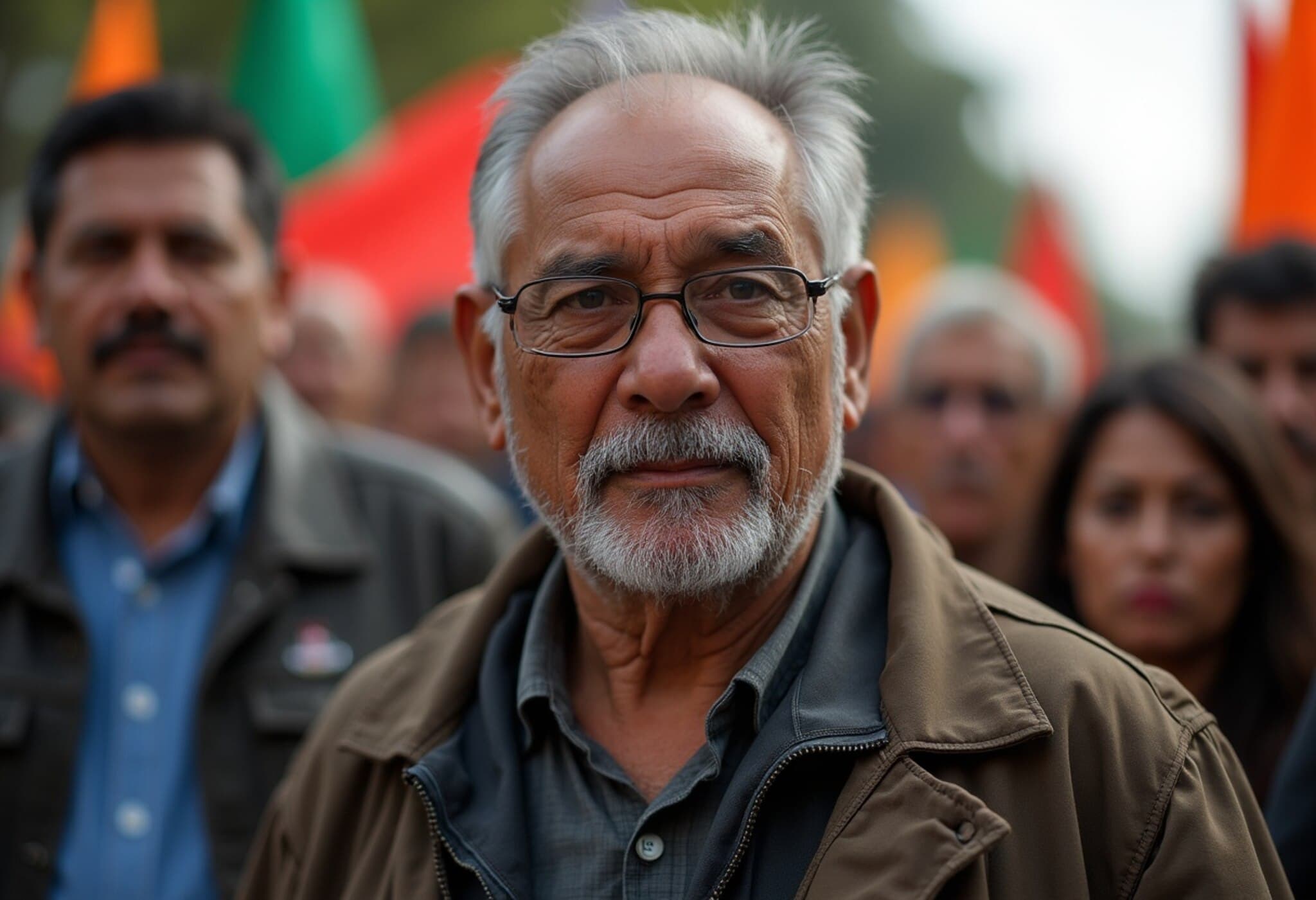
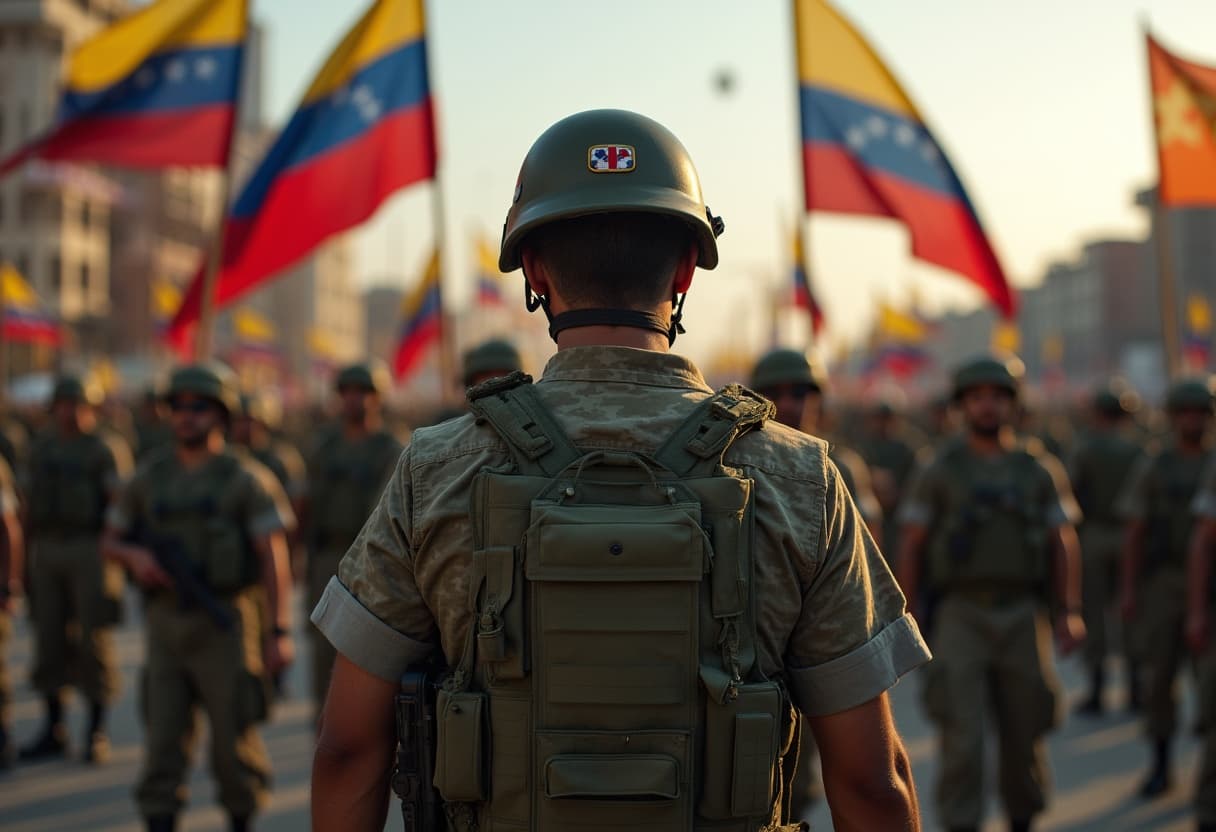
As Bolivia braces for a presidential runoff this Sunday, voters find themselves at a historical crossroads after nearly 20 years dominated by leftist leadership. This election will decide whether a new conservative chapter begins, promising reforms that touch the very core of Bolivia’s economy and governance.
Two Conservative Candidates, One Nation’s Future
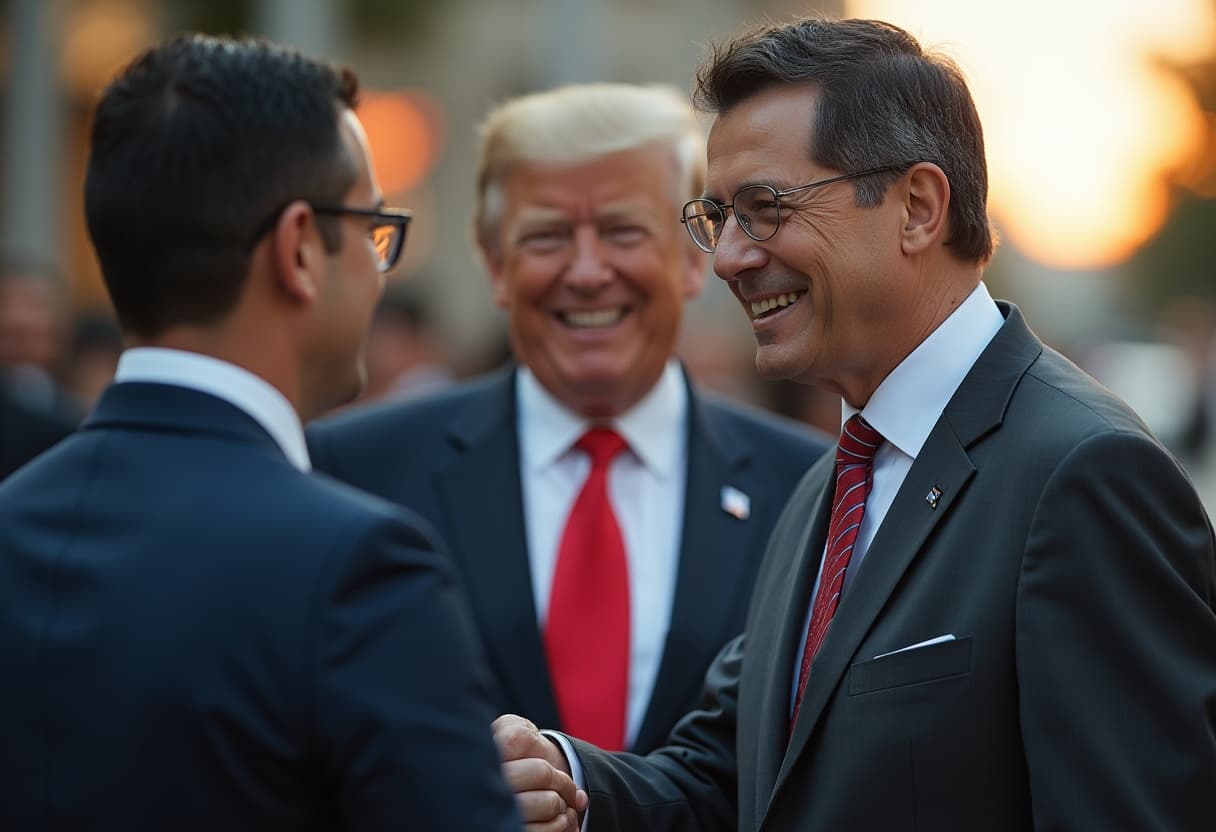
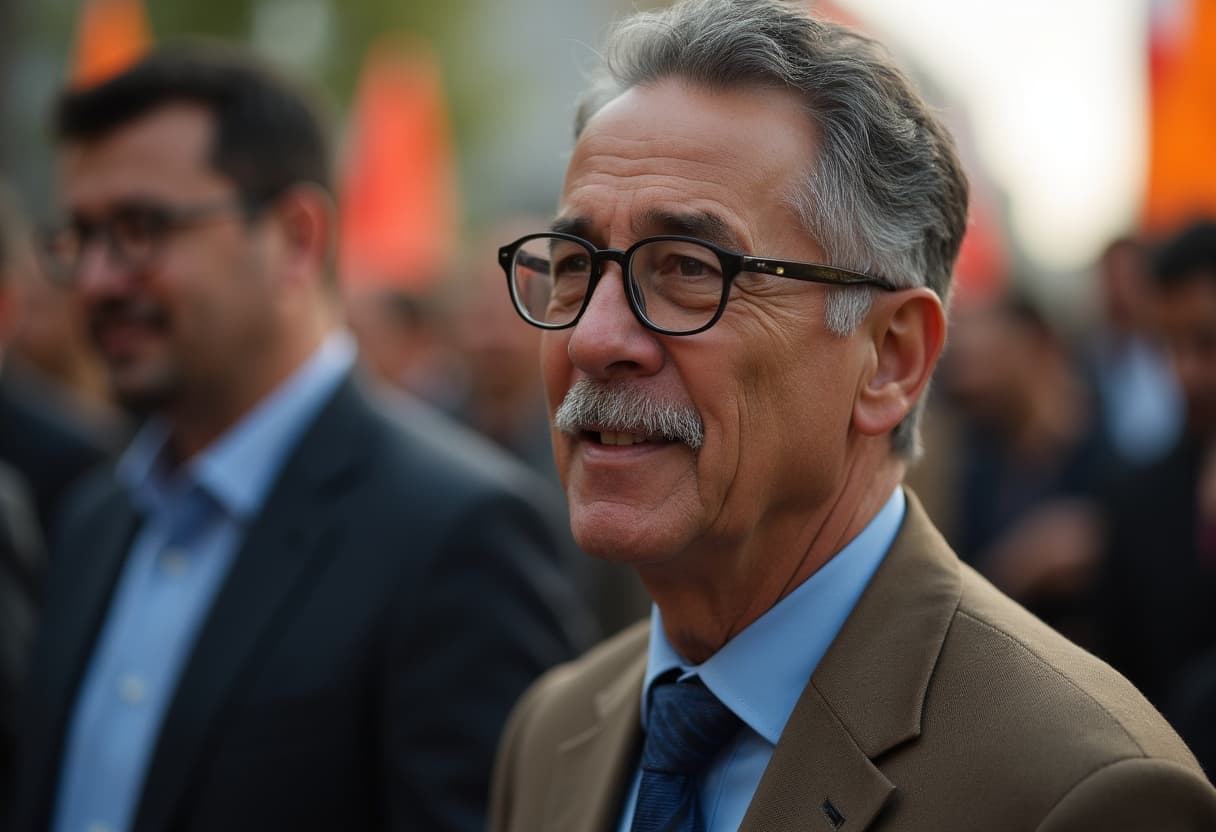
The runoff features Rodrigo Paz, a right-leaning centrist and the son of a former president, who has made a remarkable ascent in the polls since August. Capturing 32% of the vote in the first round, Paz’s emergence signals a shift in public sentiment toward economic pragmatism and governance rooted in experience. He faces Jorge Tuto Quiroga, a seasoned conservative and former president himself, who most recent polls credit with a slight lead. Experts caution the race remains too close to call, underscoring the unpredictable nature of Bolivia’s political landscape.
Top Issues Driving the Vote
The national economy dominates the discussion. Bolivians are grappling with rising inflation, periodic fuel shortages, and obstacles accessing vital imported goods and hard currency like U.S. dollars. These challenges have stirred considerable public unrest, highlighting the fragility of Bolivia’s economic model.
One of the most contentious debates centers around the government’s hefty fuel subsidies. These subsidies have long been a financial strain, yet removing them risks sparking political backlash given their impact on everyday life, particularly for working-class families.
Why This Election Matters Beyond Bolivia
Bolivia’s shift from two decades of leftist rule signals broader regional trends—many Latin American countries are reassessing governance approaches as citizens demand tangible economic improvements. For the U.S. and international partners, Bolivia’s economic stability and political direction have implications for trade, investment, and regional collaboration.
This runoff also prompts vital questions rarely spotlighted in mainstream coverage:
- How will new leadership tackle entrenched inequality that has historically fueled social unrest?
- What strategies might either candidate employ to balance fiscal responsibility with social welfare?
- Can Bolivia’s natural resources sector serve as a catalyst for broader economic recovery under conservative stewardship?
Insights From Political Experts
Analysts highlight that the electorate’s gravitation toward conservative candidates reflects a weariness with leftist policies perceived as ineffective in addressing inflation and scarcity. Rodrigo Paz’s rise encapsulates a youthful momentum seeking pragmatic reforms, whereas Tuto Quiroga’s experience appeals to voters wanting tested stability.
Moreover, Bolivia’s indigenous population, which has historically aligned with leftist movements, now faces a pivotal choice that may redefine their political influence in future policy decisions.
Editor’s Note
Bolivia’s runoff election offers more than a mere change of administration—it reflects a nation’s search for economic stability, governance renewal, and a path out of prolonged political polarization. For observers and citizens alike, understanding the nuanced stakes involved reveals deeper narratives about resilience and adaptation in Latin America’s evolving democracy.
As the polls close, the world will be watching how Bolivia’s voters weigh immediate economic concerns against long-term social aspirations—a dynamic that will undoubtedly shape the country’s trajectory for years to come.