Trump's Escalating Campaign Against Nicolás Maduro
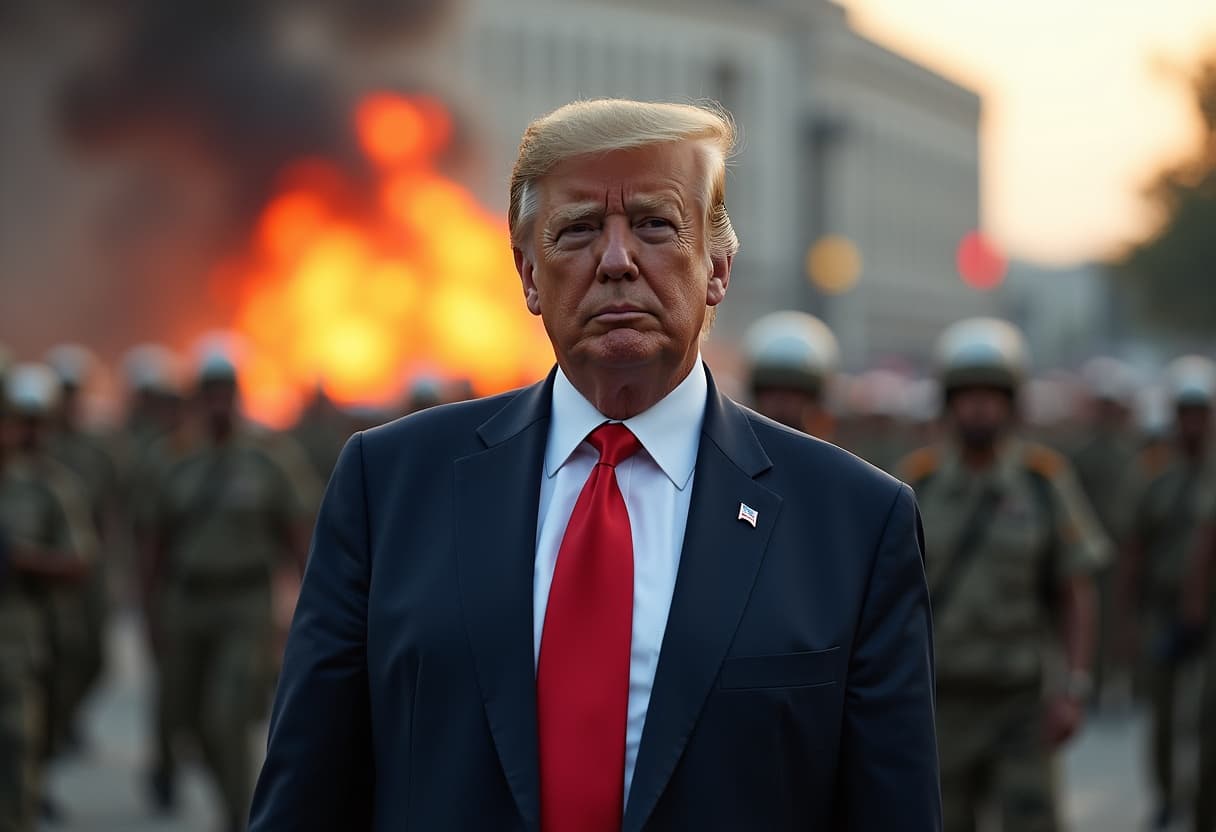
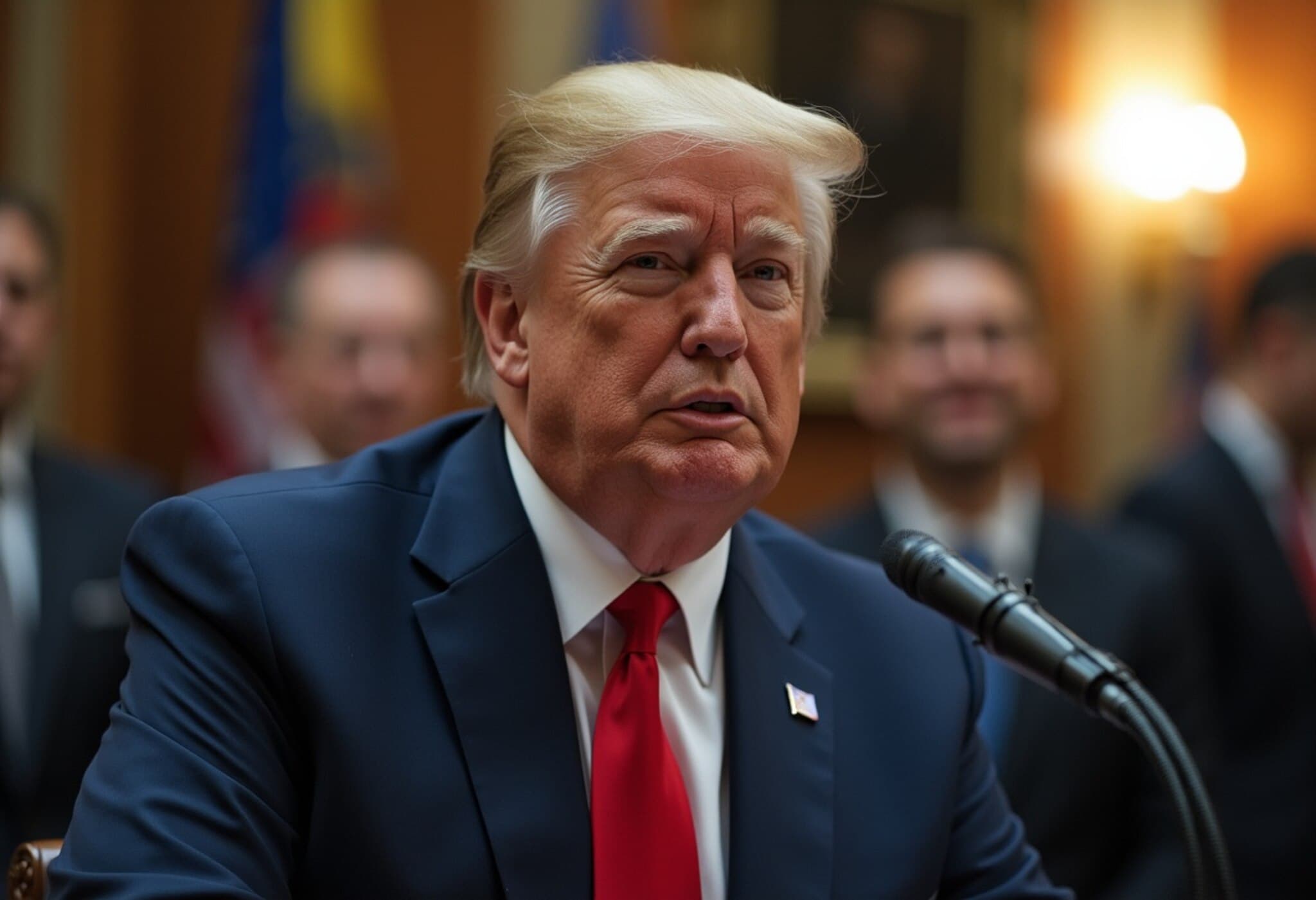
In recent months, former President Donald Trump has sharply escalated his rhetoric and actions targeting Venezuela’s embattled leader, Nicolás Maduro. Labeling Maduro as the head of a terrorist organization, Trump’s administration has intensified military presence in the Caribbean, reportedly closed Venezuelan airspace, and even hinted at imminent military strikes. This aggressive posture signals a relentless push to force Maduro from power.
Background: Venezuela’s Ongoing Political Turmoil
Maduro, who has ruled Venezuela through a deeply contested presidency marked by hyperinflation, political repression, and an ongoing humanitarian crisis, remains defiant. Despite losing a presidential election last year—which many international observers deemed neither free nor fair—Maduro continues to cling to power, backed by loyalist military forces.
Trump’s Stated and Unstated Objectives
Officially, Trump’s administration claims its campaign aims to curb narcotics trafficking and prevent Venezuela from exporting crime and instability into the United States. Yet, insider accounts from current and former government officials reveal a more direct intention: to orchestrate Maduro’s ousting as swiftly as possible.
"It’s not a pressure campaign, it’s much beyond that," a senior official remarked, underscoring the administration’s uncompromising stance on Venezuela.
When asked whether Maduro’s presidency was nearing its end, Trump tersely replied, "I would say yeah," signaling Washington’s readiness for regime change.
The Pentagon's Shadow Plan: Preparing for Military Intervention
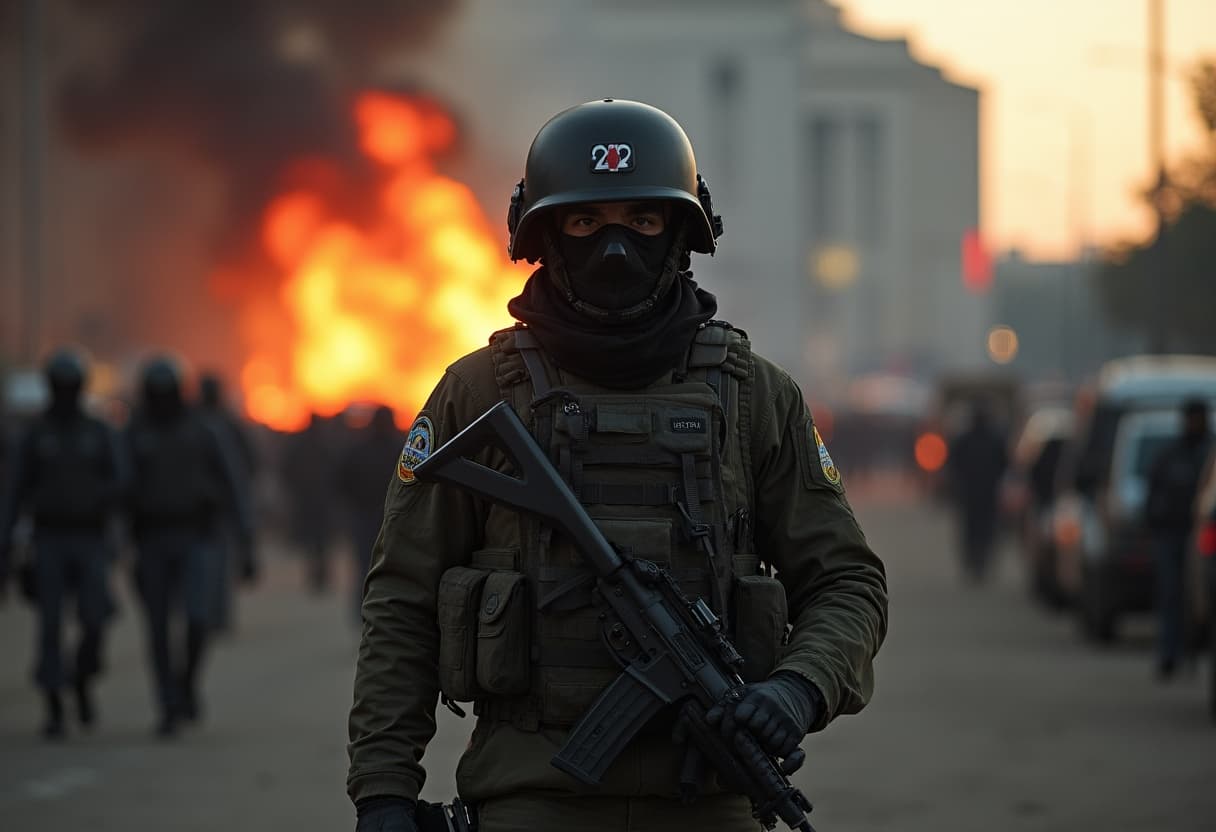
Behind the scenes, The Pentagon is reportedly drawing up contingency plans involving Special Operations forces aimed at either capturing or assassinating Maduro if other measures fail. Though publicly muted, these military preparations underscore the gravity with which the U.S. views the Venezuelan crisis.
The Human Toll Within Venezuela’s Leadership
Sources close to Maduro’s inner circle paint a picture of a leader increasingly consumed by stress and insecurity amid growing U.S. threats. Reports indicate significant emotional and physical strain, as Maduro has bolstered his personal security and altered his routines drastically. While speculation suggests Maduro might consider relinquishing power in 2027, the Trump administration’s tactics indicate a desire for a more immediate departure.
Who Could Replace Maduro? Navigating Venezuela's Future Leadership
Should Maduro be forced out, the question of succession is complex. Various senior government officials and opposition figures each have a stake—and a claim—to power. Yet all potential successors face towering obstacles:
- Military loyalists: Some within the armed forces might attempt to preserve the current regime's influence, complicating any transition.
- Opposition leaders: Fragmented and historically marginalized, opposition politicians struggle to present a unified front capable of governing.
- Interim governments: International actors might support transitional administrations; however, their legitimacy remains contested on the ground.
The pathway toward a stable and democratic Venezuela hinges on reconciling these divergent forces—no easy feat given years of polarization and crisis.
Expert Perspectives: The Risks and Regional Implications
Experts caution that a sudden removal of Maduro risks unleashing a power vacuum that could worsen Venezuela’s chaos or spark violent conflict. Furthermore, any U.S. military intervention would likely reverberate through Latin America, affecting U.S. relations with neighboring countries wary of foreign interference.
From an American policy standpoint, balancing the desire to uphold democracy and human rights with the potential consequences of direct action remains a delicate calculus.
Looking Ahead: A Geopolitical Crossroads
As Trump continues to pressure Maduro, the coming months will be critical. Venezuela stands at a crossroads between sustained authoritarian rule and the possibility—but not the certainty—of political change. The international community, regionally and globally, will watch closely, weighing questions of sovereignty, intervention, and the quest for stability amid humanitarian disaster.
Editor's Note
Trump's hardline stance reflects a longstanding U.S. frustration with Venezuela’s turmoil, but the question remains: How will this pressure reshape Venezuela’s political landscape? Observers must watch beyond headlines to understand the complex regional dynamics and internal fragmentation that will define any transition. Moreover, the ethical and legal ramifications of potential military options demand sober consideration, challenging policymakers to find solutions that avoid deepening Venezuela's crisis while promoting democratic restoration.