How America’s War on Fentanyl Shifted The Drug Landscape in Latin America
As the United States zeroed in on the devastating fentanyl crisis at home, an unintended consequence quietly unfolded across Latin America: a dramatic surge in cocaine trafficking. Nowhere has this shift had graver repercussions than in Ecuador, where law enforcement struggles to contain emboldened criminal groups who have grown bolder and increasingly violent.
The Growing Cocaine Tide in Ecuador
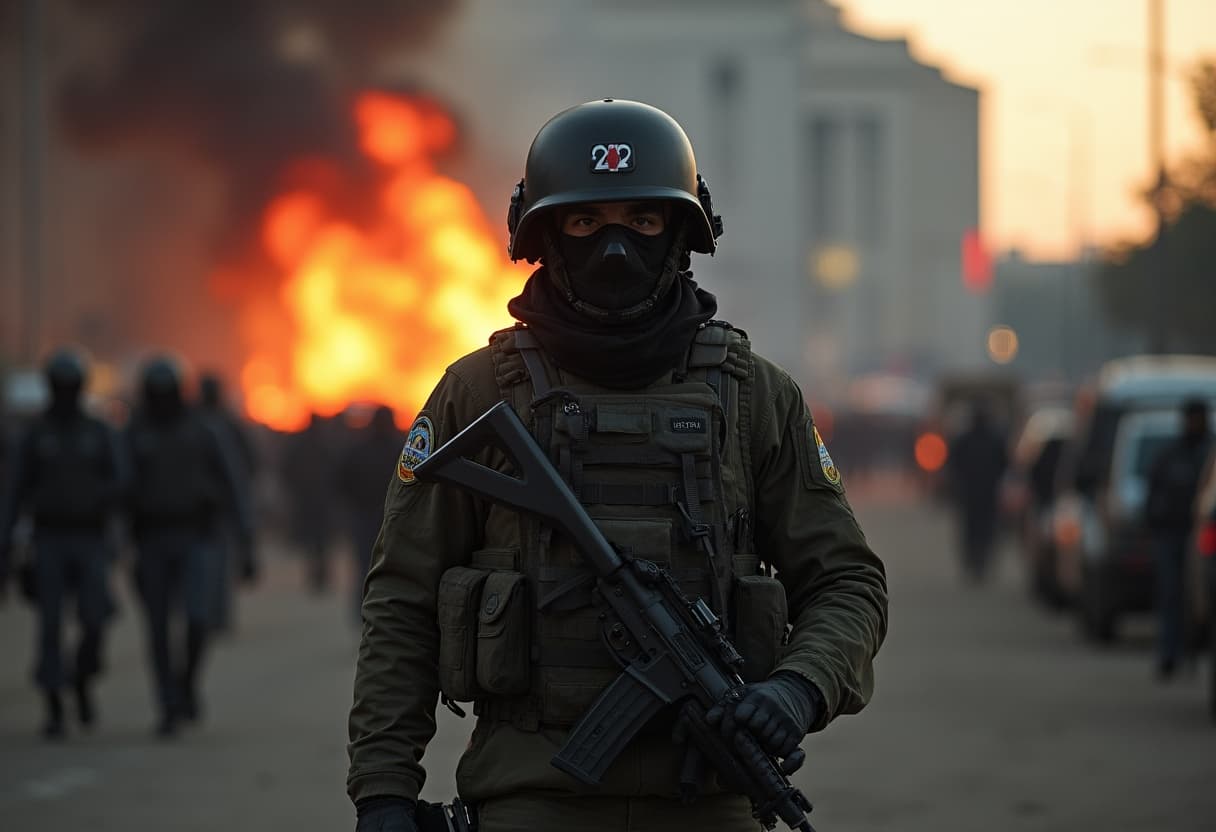
The aftermath of car bombings in Guayaquil, Ecuador’s largest city and commercial hub, paints a chilling picture of the country’s security challenges. Once relatively rare, such bomb attacks are now distressingly frequent, terrorizing civilians and signaling a ruthless turf war between gangs and the state’s military and police forces.
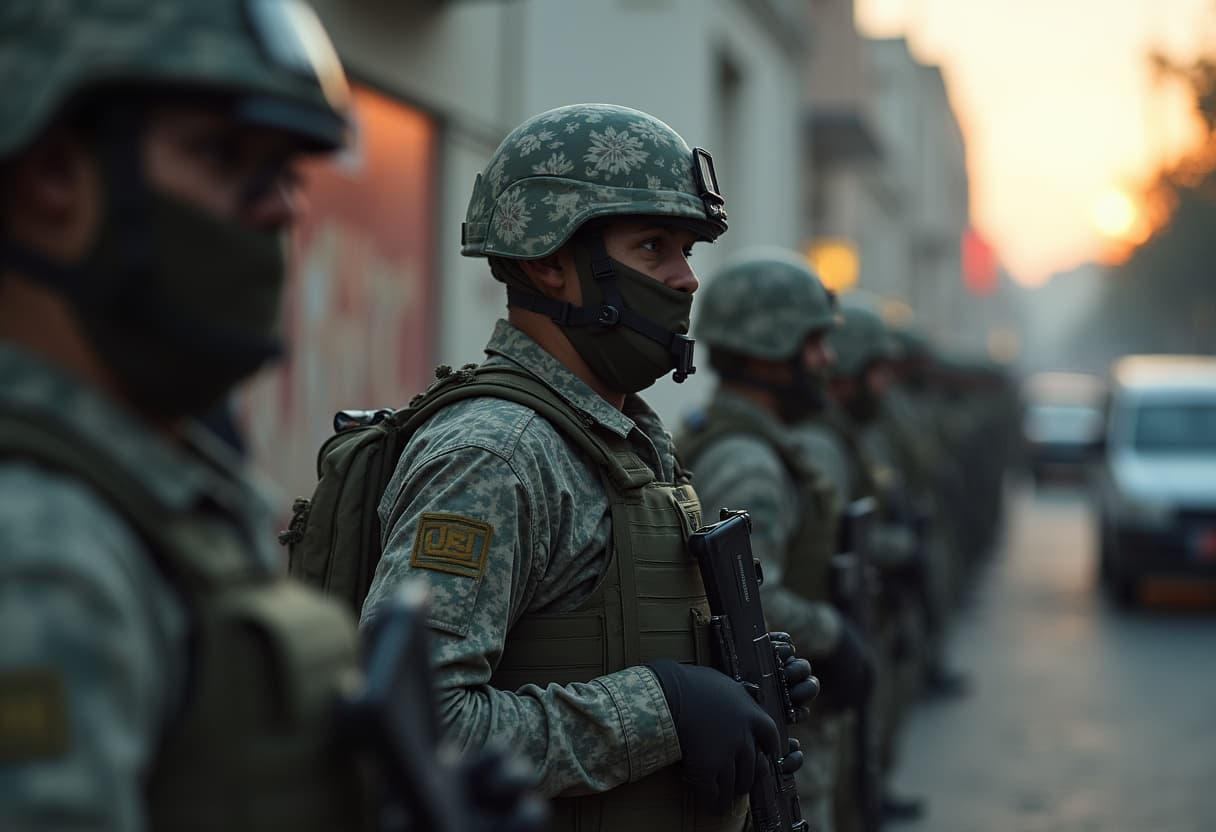
Embedded with Ecuador’s navy during intensive anti-narcotics missions, journalists witnessed firsthand a fractured security apparatus overwhelmed by a coalition of international gangs, guerrilla factions, drug cartels, and mafias. By 2022, Ecuador’s prisons had become de facto gang strongholds, serving as recruitment hubs rather than correctional facilities.
Washington’s Narrow Focus and Its Fallout
Amidst this turmoil, pleas for assistance from Ecuadorian officials fell on deaf ears in Washington. Mike Fitzpatrick, then U.S. ambassador to Ecuador, recalls his urgent calls to the State Department for support: “Where is the fentanyl? That’s our focus right now,” he was repeatedly told, underscoring the U.S. government’s singular drive to tackle fentanyl trafficking.
This focus traces back to 2017, when the Trump administration declared fentanyl a national emergency due to skyrocketing overdose deaths in the United States. Successive administrations, including President Biden’s, maintained this priority, directing resources and policy attention primarily at this synthetic opioid menace.
While the fentanyl crisis certainly warranted urgent action—claiming tens of thousands of lives annually—the singular obsession inadvertently created a policing vacuum. With U.S. agencies and resources directed elsewhere, cocaine trafficking networks, once the centerpiece of American drug enforcement efforts, seized the opportunity to expand, particularly in countries like Ecuador.
Broader Regional and Policy Perspectives
The Ecuadorian example highlights a broader challenge: drug trafficking networks adapt rapidly to enforcement pressures. When focus narrows heavily on one substance, other illicit markets can flourish unchecked. This dynamic raises critical questions about the efficacy and flexibility of U.S. drug policy, especially as it pertains to Latin America’s diverse and complex narcotics landscape.
Experts suggest that a more balanced, multi-faceted approach is imperative. High-level cooperation that supports local security forces, addresses socioeconomic drivers of crime, and adapts to shifting trafficking patterns might stem the violence now engulfing communities like Guayaquil.
Unseen Human Toll and Future Risks
- Civilian Risk: Bombings and gang violence have disrupted daily life, instilling fear and insecurity among ordinary Ecuadorians.
- Institutional Corruption: Gang control of prisons indicates deep-rooted institutional frailties.
- Potential Spillover: With law enforcement stretched thin, violence and illicit trade could spill into neighboring countries, destabilizing the wider region.
The evolving situation in Ecuador serves as a stark reminder that drug policy cannot afford tunnel vision. As traffickers adapt, so too must the strategies designed to combat them.
Editor’s Note
The United States’ commendable focus on fentanyl highlights the tragic domestic impact of opioid addiction. However, this case study from Ecuador reveals the unintended consequences of an overly narrow drug enforcement lens. Policymakers and law enforcement agencies face a delicate balancing act—prioritizing emerging drug threats without neglecting established narcotics markets. For sustainable progress, U.S.-Latin America cooperation must grow smarter, more nuanced, and inclusive of local realities. Readers are encouraged to consider: How can international drug strategies evolve to address multi-drug trafficking ecosystems without sacrificing the fight against emerging crises like fentanyl?