
Canada Takes a Stand as Stellantis Moves Jeep Production to Illinois
In a significant escalation of cross-border automotive tensions, the Canadian government has officially declared Stellantis, the multinational automaker, in default for relocating production of its Jeep Compass from Brampton, Ontario, to Illinois, USA. This decision was publicly announced on December 4, 2025, highlighting the complex interplay between international trade, industrial policy, and geopolitical pressures.
Background: Stellantis’ Strategic Shift and Canadian Incentives
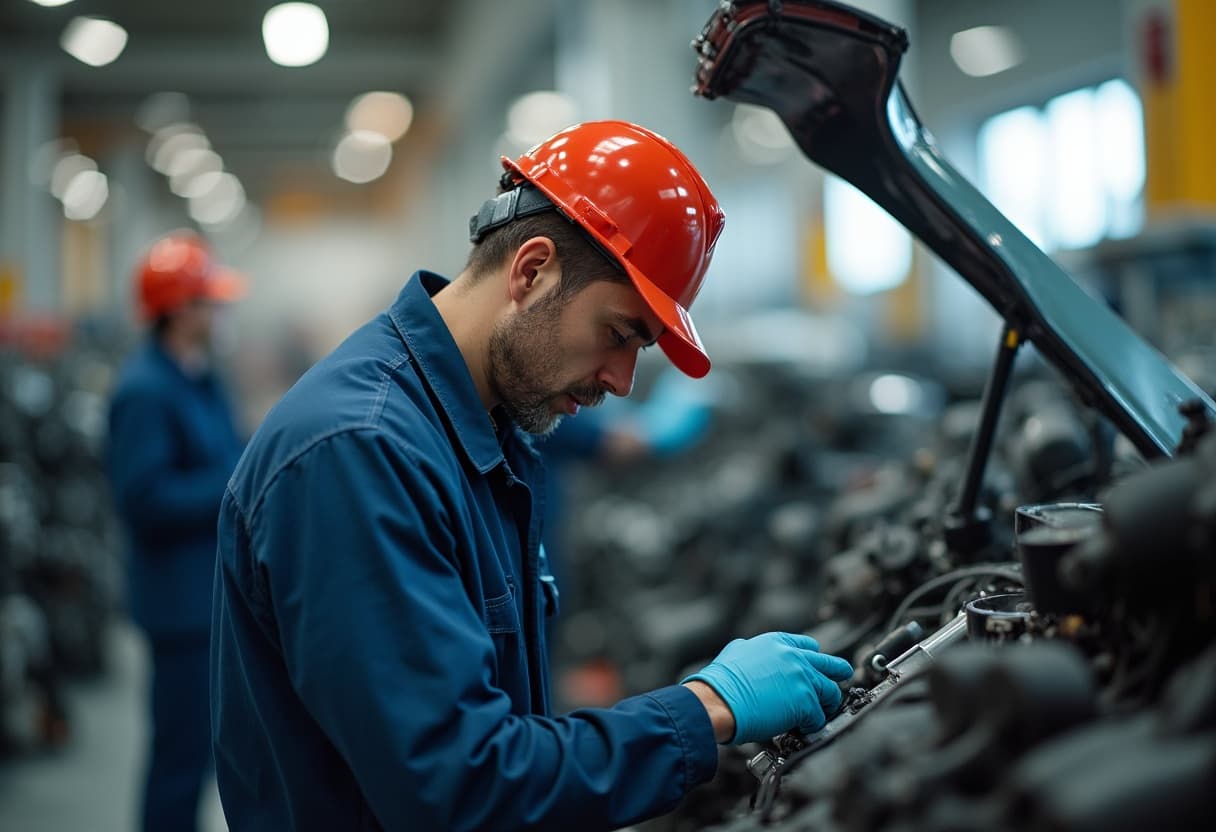
Stellantis, known for manufacturing vehicles under esteemed brands like Chrysler, Dodge, Ram, and Jeep, had initially committed to updating its Brampton facility as part of a $13 billion investment plan. This modernization effort was aligned with Canadian government support, which provided hundreds of millions in forgivable loans aimed at securing high-value jobs and sustaining the local economy.
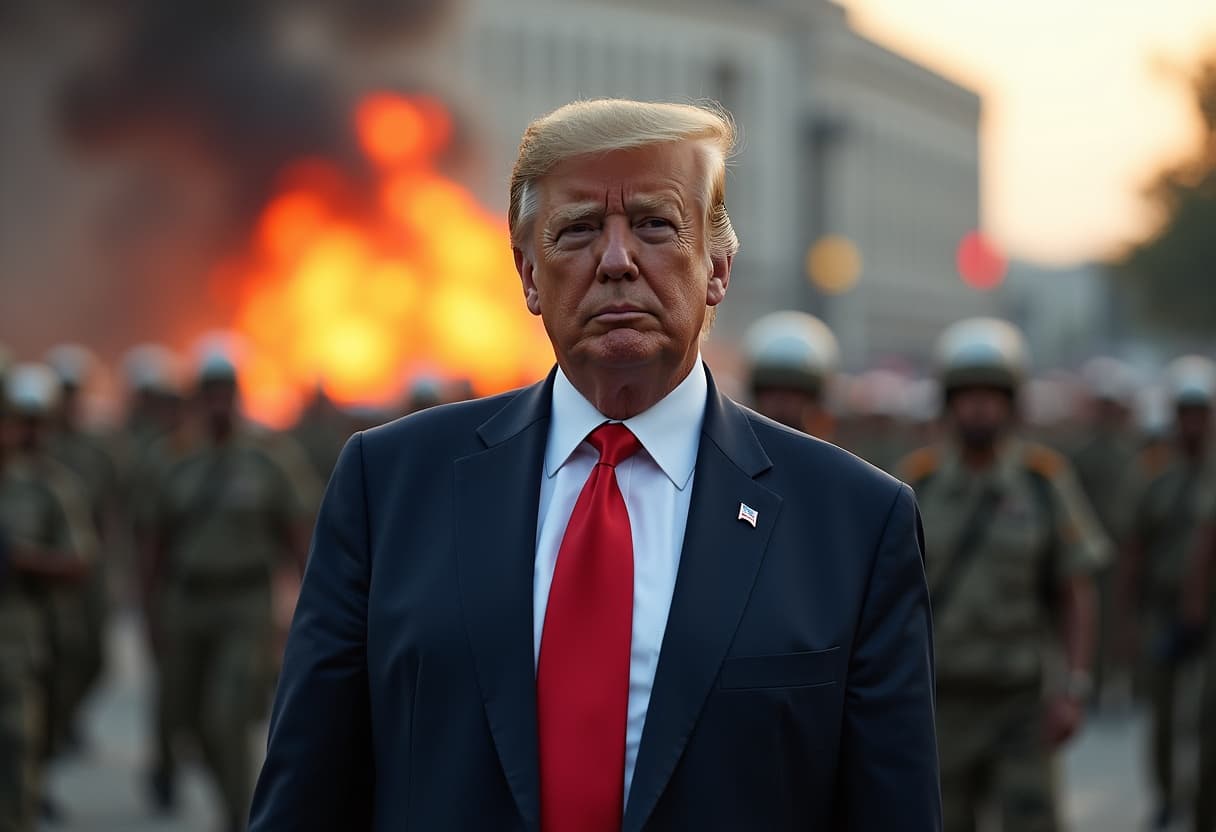
However, in response to former U.S. President Donald Trump’s aggressive push to repatriate automotive manufacturing and stimulate domestic production, Stellantis reversed course. The company halted its planned retooling of the Ontario plant, effectively relocating Jeep Compass production to the United States. This move directly contravened contractual obligations tied to Canadian government assistance.
Canada’s Response: Defending Economic Sovereignty and Workers’ Livelihoods
Canadian Industry Minister Mélanie Joly delivered a firm message at a parliamentary committee, emphasizing that Stellantis was now responsible for breaching its contracts. She confirmed that the government had issued a “notice of default” to the automaker, which carries potential consequences such as demanding repayment of financial aid or compelling operational changes.
“We’ll stand firm for the sake of our workers, our industries and our nation, because defending these jobs means defending Canada’s economic backbone,” Ms. Joly asserted, underscoring the broader stakes beyond individual corporate decisions.
Economic and Political Context: Navigating Cross-Border Manufacturing Challenges
The dispute comes amid ongoing North American manufacturing realignments, deeply influenced by U.S. trade policies and political priorities. Canada’s insistence on enforcing agreements reimburses local taxpayers and preserves industrial ecosystems that contribute to regional prosperity and employment.
Experts highlight that such disputes reflect broader questions about how governments balance attracting foreign investment with protecting domestic interests in an increasingly competitive global market. The Stellantis case exposes the tension between corporate strategies aimed at maximizing shareholder value and the social commitments tied to public subsidies.
What’s Next for Stellantis and North American Automotive Manufacturing?
- Potential reclaiming of funds: Canada may require Stellantis to repay forgiven loans or penalties stemming from the breach.
- Investor confidence impact: The move could affect Stellantis’ reputation among Canadian stakeholders and influence future government willingness to extend incentives.
- Policy implications: The incident may encourage stronger contractual safeguards by governments to prevent similar defaults.
- Job market repercussions: The loss of production shifts jobs to the U.S., impacting Ontario’s automotive labor landscape.
This case also urges policymakers to reconsider how to support local industries amidst shifting geopolitical and economic landscape, factoring in wage standards, environmental regulations, and national competitiveness.
Editor’s Note
Stellantis’ default highlights a critical friction point between corporate agility and governmental industrial strategy in North America. As governments deploy billions in aid to safeguard jobs, the stakes of contractual compliance grow exponentially amid political pressures pushing companies to pivot production footprints. Readers should watch closely how Canada enforces its notice and whether this dispute sets a precedent for future industrial diplomacy. Ultimately, it raises pressing questions: How can countries protect domestic economies while embracing globalized supply chains? And what safeguards are practical yet fair to ensure good faith cooperation from multinational firms?