
The Unintended Consequences of America’s Drug War Focus Shift
In recent years, the United States has sharply prioritized the fight against fentanyl, the deadly synthetic opioid fueling a nationwide overdose crisis. While this focus reflects the urgent public health challenge fentanyl poses, it has inadvertently allowed cocaine trafficking networks across Latin America — particularly in Ecuador — to regain strength, with far-reaching consequences for regional stability and global drug markets.
The Rise of Ecuador as a Cocaine Hub
Once considered a stable gateway, Ecuador has surged to become the world’s largest exporter of cocaine, despite not producing the drug itself. Instead, it serves as a critical transit corridor for powerful criminal alliances comprised of Mexican cartels, Colombian guerrilla factions, European mafias, and local gangs. These groups exploit Ecuador’s strategic geography and institutional weaknesses, turning the country into a fierce battleground for control over lucrative drug routes.
Between 2022 and 2023, a near takeover of Ecuador by this international drug consortium highlighted the fragile balance of security in the region. Ecuador’s law enforcement, including its navy, have engaged in intensified anti-narcotics campaigns, often at great risk, yet the challenge remains formidable as traffickers adapt and evolve.
U.S. Policy and Resource Allocation: A Double-Edged Sword
The U.S. government’s shift from focusing primarily on cocaine towards combating fentanyl overdoses is understandable given the opioid epidemic’s devastating human toll. However, experts argue that this recalibration has created a dangerous vacuum. Officials explain that, compared to the opioid crisis, cocaine-related fatalities were statistically lower, steering limited resources away from the drug’s supply chains.
Dr. Julia Fernandez, a specialist in narcotics policy at the Wilson Center, notes, “While it's critical to address the fentanyl crisis, we cannot overlook the evolving cocaine trade dynamics. These criminal organizations are agile and will expand in any area left under-resourced.”
Embedded Reporting from Ecuador’s Frontlines
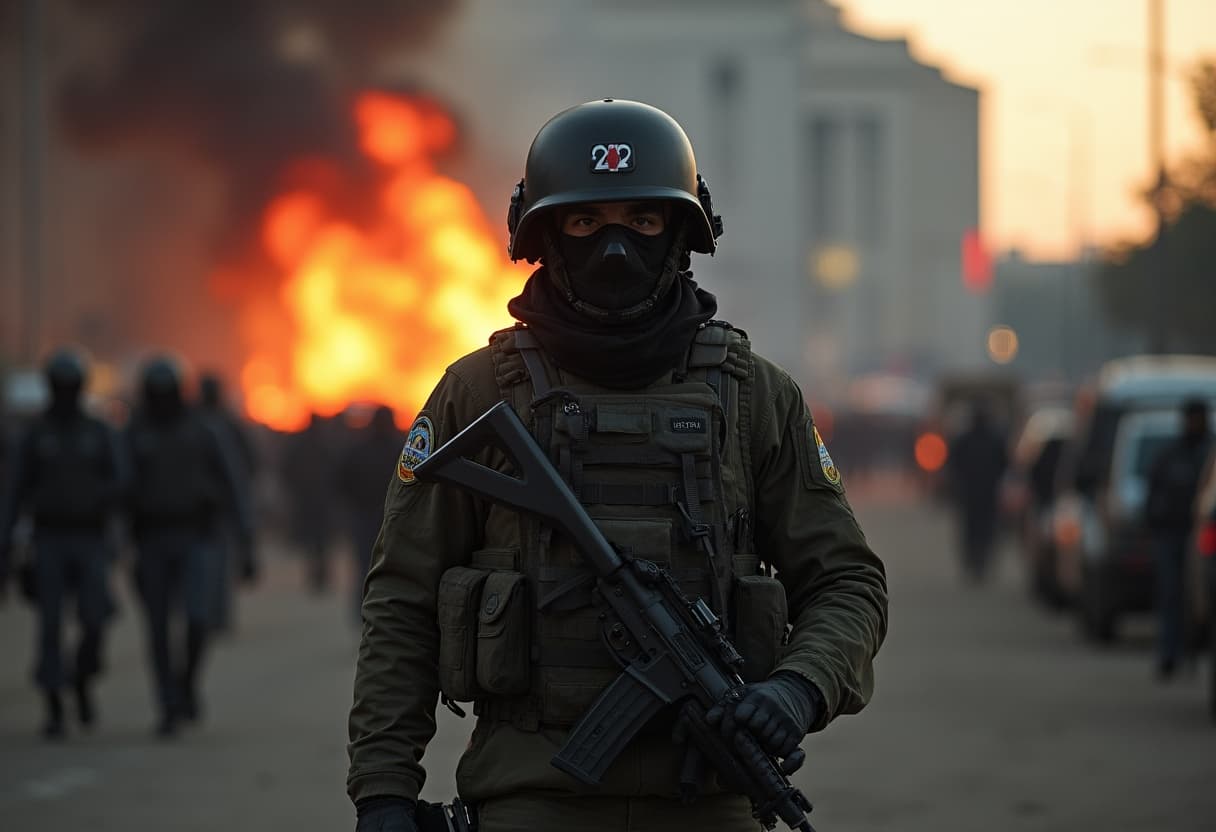
In a recent investigative journey, journalists embedded with Ecuador’s navy during anti-narcotics operations, witnessing firsthand the extent of cartel influence and violence disrupting communities. From covert river interdictions to coordinated raids, the agencies face a relentless adversary empowered by international criminal networks.
Local civilians caught in the crossfire endure soaring violence, reflecting a wider humanitarian crisis beyond drug statistics. Community leaders plead for a more balanced and multifaceted international approach that combines law enforcement with development and governance support.
Why This Matters to the United States
As Ecuador channels more cocaine to the global black market, the repercussions reverberate internationally. The U.S., as a primary consumer market, feels the ripple effects through increased drug availability and related violence spilling into American cities.
Experts emphasize a crucial policy dilemma: how to sustain aggressive fentanyl countermeasures without neglecting other drug threats that fuel transnational crime syndicates. The resurgence of cocaine trafficking underscores the need for comprehensive, coordinated strategies bridging public health, law enforcement, and regional diplomacy.
Looking Ahead: Questions for Policymakers and Communities
- Can U.S. drug policy emerge from a narrow focus to a more holistic approach addressing all major narcotics?
- What roles should regional governments and international organizations play in stabilizing countries like Ecuador?
- How can affected communities be empowered to resist the allure and coercion of traffickers?
Addressing these questions is critical not only for curbing drug flows but for supporting the resilience of nations caught in the crossfire of a complex, evolving drug war.
Editor’s Note
The shifting landscape of the international drug trade offers a sobering reminder that tackling a single facet of drug abuse can inadvertently empower others. While battling fentanyl remains a pressing crisis, overlooking the resurgence of cocaine trafficking — particularly in strategic transit countries like Ecuador — risks destabilizing entire regions and compromising global drug control efforts. Policymakers must balance urgent public health needs with long-term security and development strategies, fostering comprehensive solutions grounded in collaboration, intelligence sharing, and community engagement.