
Trump Administration to Brief Congress on High-Stakes Maduro Raid
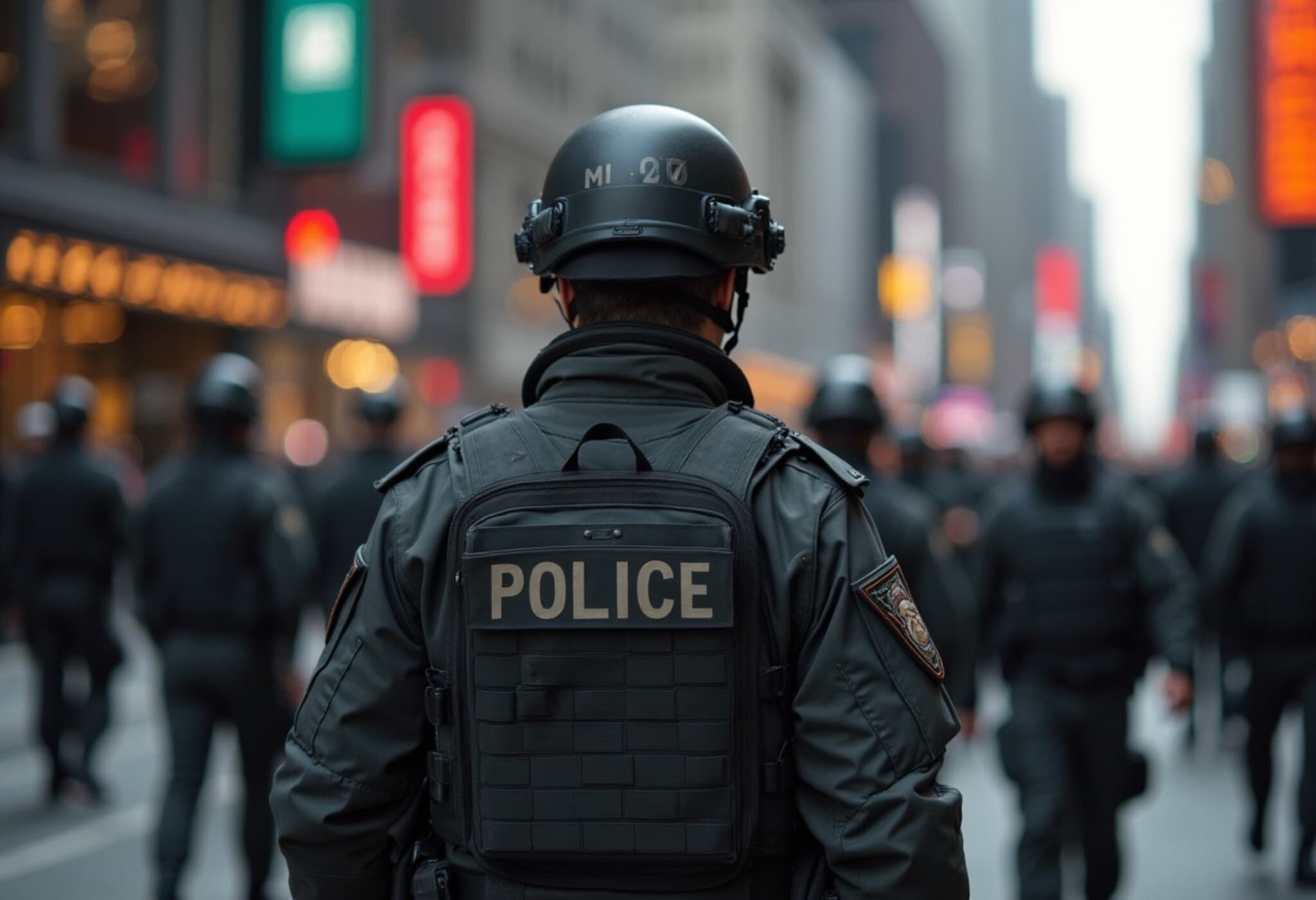
In a move that underscores the ongoing tensions between the executive branch and Congress, top officials from the Trump administration are slated to provide a classified briefing to select congressional leaders on Monday regarding a daring military operation in Venezuela. This covert raid resulted in the capture of President Nicolás Maduro and his wife, who were subsequently charged in the United States on drug trafficking allegations.
Operation Conducted Without Congressional Notification
The operation, launched over the recent weekend without prior notice or consultation with lawmakers, has ignited debates about executive authority and legal boundaries. The briefing will bring together the Gang of Eight — the bipartisan group comprising the heads and ranking minority members of the House and Senate intelligence committees, along with congressional leadership — as well as senior members from the Armed Services and Foreign Affairs committees.
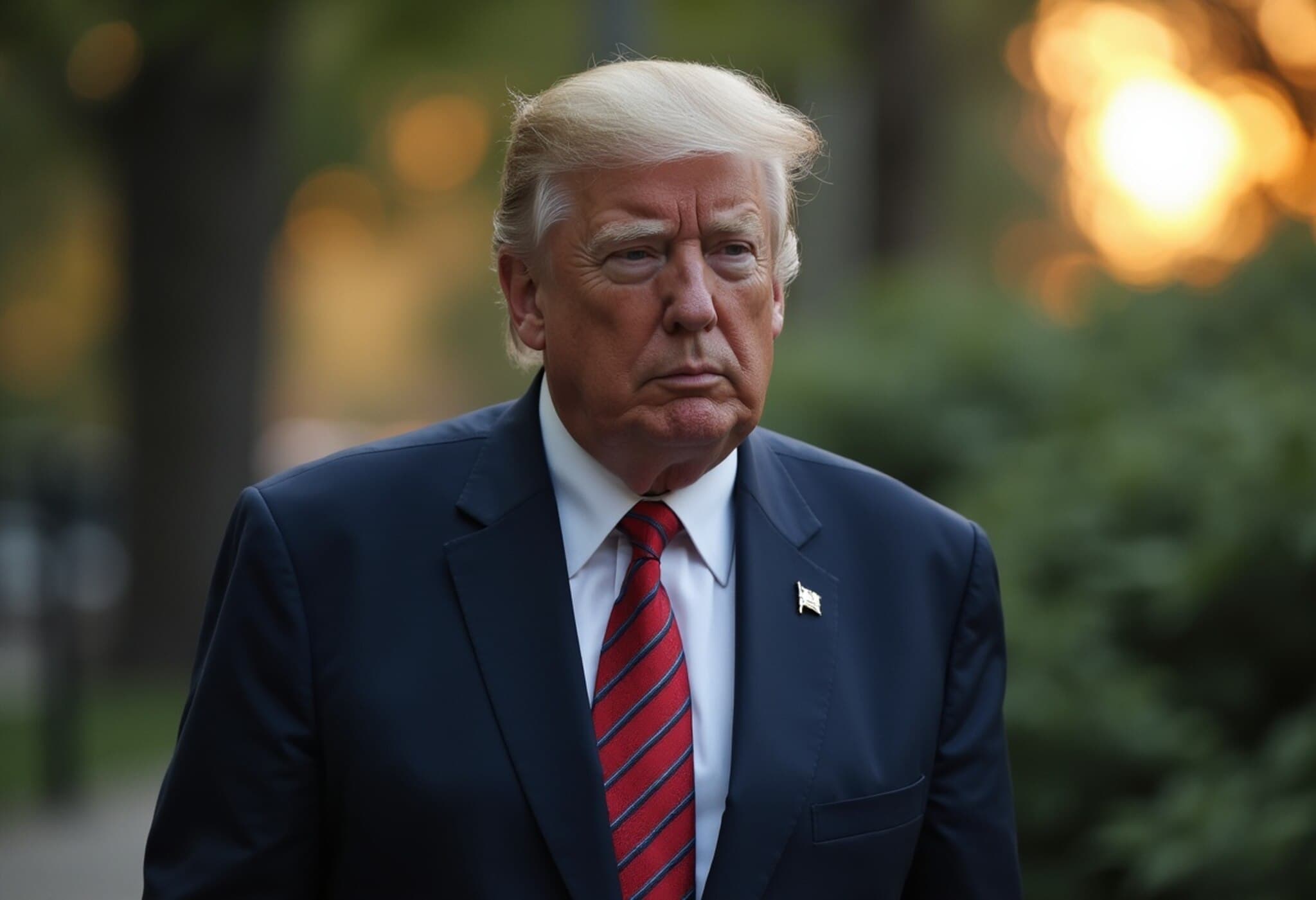
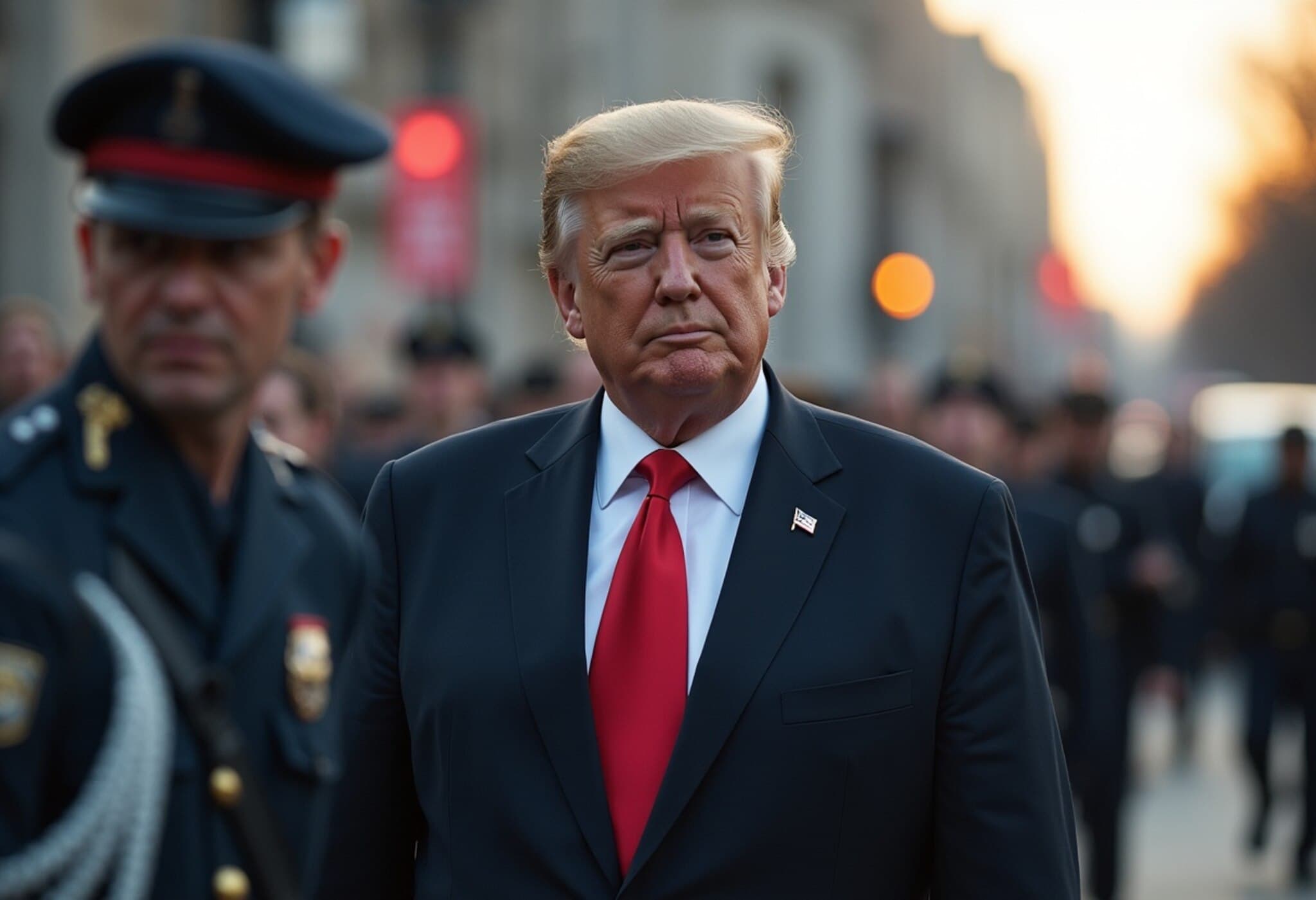
Traditionally, the Gang of Eight is briefed before or immediately after significant covert military actions. In this case, however, the Trump administration withheld information, citing concerns over potential leaks. President Trump publicly defended this approach, stating, "Congress has a tendency to leak," thus justifying his circumvention of the usual notification process.
Key Figures Leading the Briefing
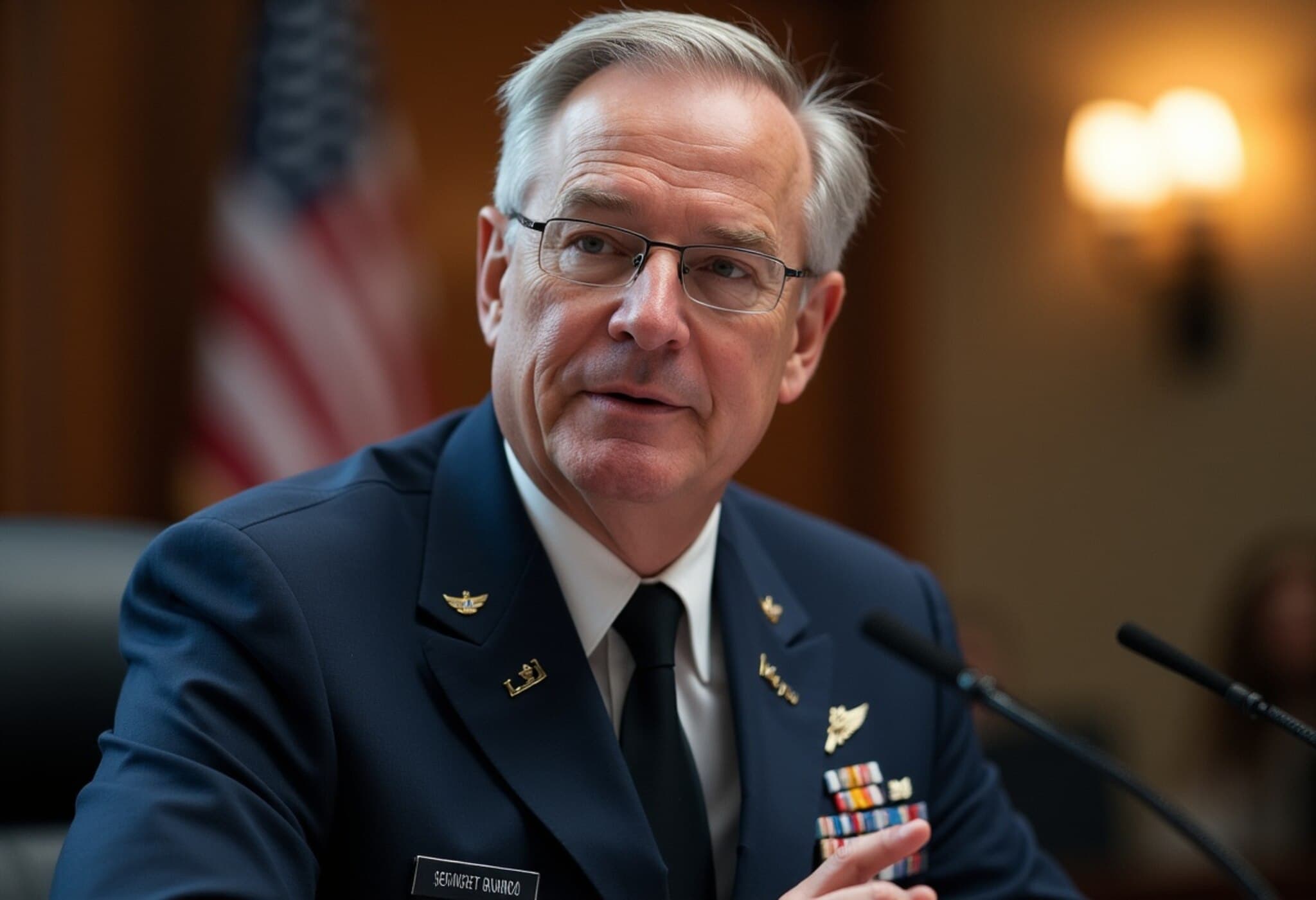
The classified session will be led by prominent figures including Secretary of State Marco Rubio, Secretary of Defense Pete Hegseth, General Dan Caine (Chairman of the Joint Chiefs of Staff), CIA Director John Ratcliffe, and Attorney General Pam Bondi. Each is expected to provide detailed accounts of the operation's execution and outcomes.
Legal and Political Fallout
Congressional reactions have been sharply critical. Senator Jack Reed (D-RI), ranking member of the Armed Services Committee, condemned the administration’s unilateral action, stating, "President Trump waged war on a foreign nation without authorization, without notification and without any explanation to the American people." Similarly, Representative Jim Himes (D-CT), top Democrat on the Intelligence Committee, pointed out the legal obligation to inform Congress about such operations, labeling the administration's actions as "lawlessness."
On the other hand, Secretary Rubio and other Republicans maintain that this was a law enforcement effort, not a traditional military invasion, and therefore did not require congressional approval under current statutes.
Contextual Insight: Balancing National Security and Democratic Oversight
This incident raises profound questions about the balance of power between the branches of the U.S. government, especially when it comes to foreign operations that implicate both national security and international law. The precedent set here might influence how future administrations conduct sensitive missions, possibly eroding congressional oversight if unchecked.
Experts warn that while operational secrecy can be vital in protecting lives and mission integrity, bypassing democratic processes risks undermining trust in government institutions. This tension is particularly relevant as the U.S. navigates complex geopolitical relationships in Latin America, where actions like the Maduro raid carry significant ramifications for regional stability.
What Lies Ahead?
- Congressional Oversight: The classified briefing may prompt calls for investigations into the administration's adherence to legal frameworks governing military and intelligence operations.
- Legal Scrutiny: Questions about whether the president overstepped his authority could trigger judicial reviews or legislative action to clarify covert operations protocols.
- Impact on U.S.-Venezuela Relations: The raid could further strain an already volatile relationship and influence future diplomatic and security strategies in the region.
Editor’s Note
The Trump administration's decision to conduct a high-profile capture of President Maduro without informing Congress spotlights the enduring struggle between the need for operational secrecy and the imperative of democratic accountability. As this story unfolds, readers should consider the implications this case holds not just for U.S. foreign policy but for the robustness of institutional checks and balances that underpin American democracy.