Venezuelan Authorities Detain and Deport Foreign Journalists
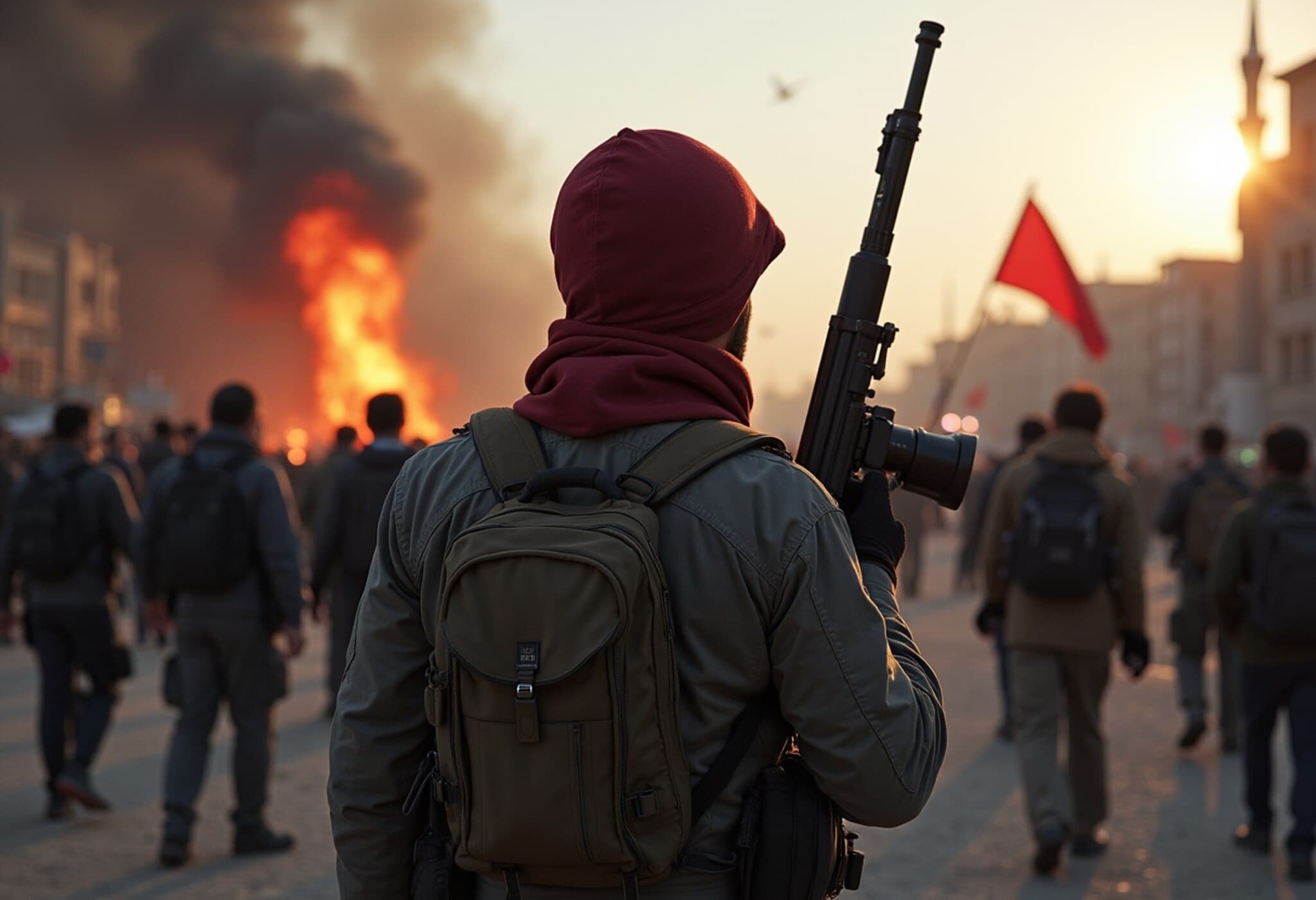
In a harrowing episode highlighting the ongoing political strife in Venezuela, at least 14 foreign journalists covering the first session of the newly convened National Assembly were detained by military officers on January 5, 2026. The incident unfolded in the nation’s capital, Caracas, as reporters—mostly affiliated with major global media outlets—documented a pivotal legislative gathering following a significant upheaval in the country’s political hierarchy.
Details of the Detention and Deportation
According to Venezuela's National Press Workers’ Union, officials detained the journalists both inside and outside the National Assembly building. While all but one were released after having their phones searched, one reporter was deported, a sharp reminder of the fraught environment international press face amid Venezuela’s volatile climate.
This detainment comes on the heels of a dramatic U.S. raid that resulted in the death of dozens, the overthrow of ex-President Nicolás Maduro, and his capture and transportation to the United States for prosecution. The raid has severely unsettled an already fragile political landscape, bringing heightened scrutiny and restriction to the press.
Context: Political Upheaval and Its Impact on the Press
The session marked the first assembly meeting since Maduro’s ousting. Legislators vocally denounced his capture and demanded his immediate return, further inflaming tensions. Maduro’s former vice president was sworn in as interim president and mourned the "suffering inflicted upon the Venezuelan people" amidst what she called an illegitimate military aggression. She also referenced the kidnapping of Maduro and his wife, illustrating the broader narrative of national trauma and resistance.
This intersection of political upheaval and press freedom is especially precarious. Venezuela, long criticized for suppressing independent reporting, now faces heightened global attention. The detainment of foreign journalists raises critical concerns about transparency and press rights in a crisis-ridden nation that desperately needs international engagement and truth-telling.
Expert Insights: Press Freedom at a Crossroads
- Press Freedom Under Siege: Experts argue this incident exemplifies the shrinking space for independent journalism in authoritarian or unstable states, where governments equate media scrutiny with threats to regime security.
- International Legal and Policy Questions: This detainment challenges norms protecting journalists under international law, inviting questions about diplomatic responses from nations whose citizens were detained or deported.
- Implications for U.S.-Venezuela Relations: The tense backdrop of Maduro’s capture by U.S. forces complicates diplomatic channels and might impact future cooperation regarding human rights and media freedoms.
Looking Ahead: What This Means for Journalism and Democracy in Venezuela
The incident is a spotlight on the growing risks journalists face while reporting in volatile zones. It underscores the essential role of a free press in holding power to account, even when those powers seek to silence inconvenient truths. The global community, media organizations, and human rights advocates will be watching closely to see if Venezuela moves towards openness or further repression.
As the nation grapples with its political transformation and the diaspora follows these developments anxiously, ensuring reporters can perform their duties safely and freely remains crucial for Venezuela’s prospects of rebuilding trust and democratic governance.
Editor’s Note
This episode serves as a sobering reminder of how quickly political instability can imperil press freedom. When governments impose controls that hamper journalists’ work, the ripple effect undermines informed citizenry and democratic dialogue. Readers should consider how international mechanisms might better protect reporters in such environments and what this means for the future of global journalism in conflict zones.