
Mexico Implements Steep Tariffs on Chinese Goods: A Strategic Shift
In a decisive move signaling a shift in trade priorities, Mexico’s Congress has approved tariffs of up to 50 percent on a wide range of Chinese imports. This policy, endorsed by President Claudia Sheinbaum, marks a critical juncture in Mexico’s economic alignment amid mounting pressure from the United States to curb its trade dependency on China.
Legislative Momentum Behind the Tariffs
On December 10, 2025, Mexico’s lower house overwhelmingly passed the tariff bill. The Senate followed suit with a swift vote, tallying 76 in favor against just 5 opposed, with 35 senators abstaining. The legislation is expected to become law imminently, with tariffs scheduled to take effect in January 2026.
Scope and Sectors Affected
The tariffs will target numerous sectors including automotive parts, textiles, furniture, plastics, steel, and aluminum. This list reflects Mexico’s strategic focus on bolstering domestic manufacturing, a cornerstone of President Sheinbaum’s economic agenda. By imposing these levies on imports from China and other nations lacking free trade agreements with Mexico, the government aims to safeguard local industries and reduce its trade imbalance.
US Influence and Trade Realignments
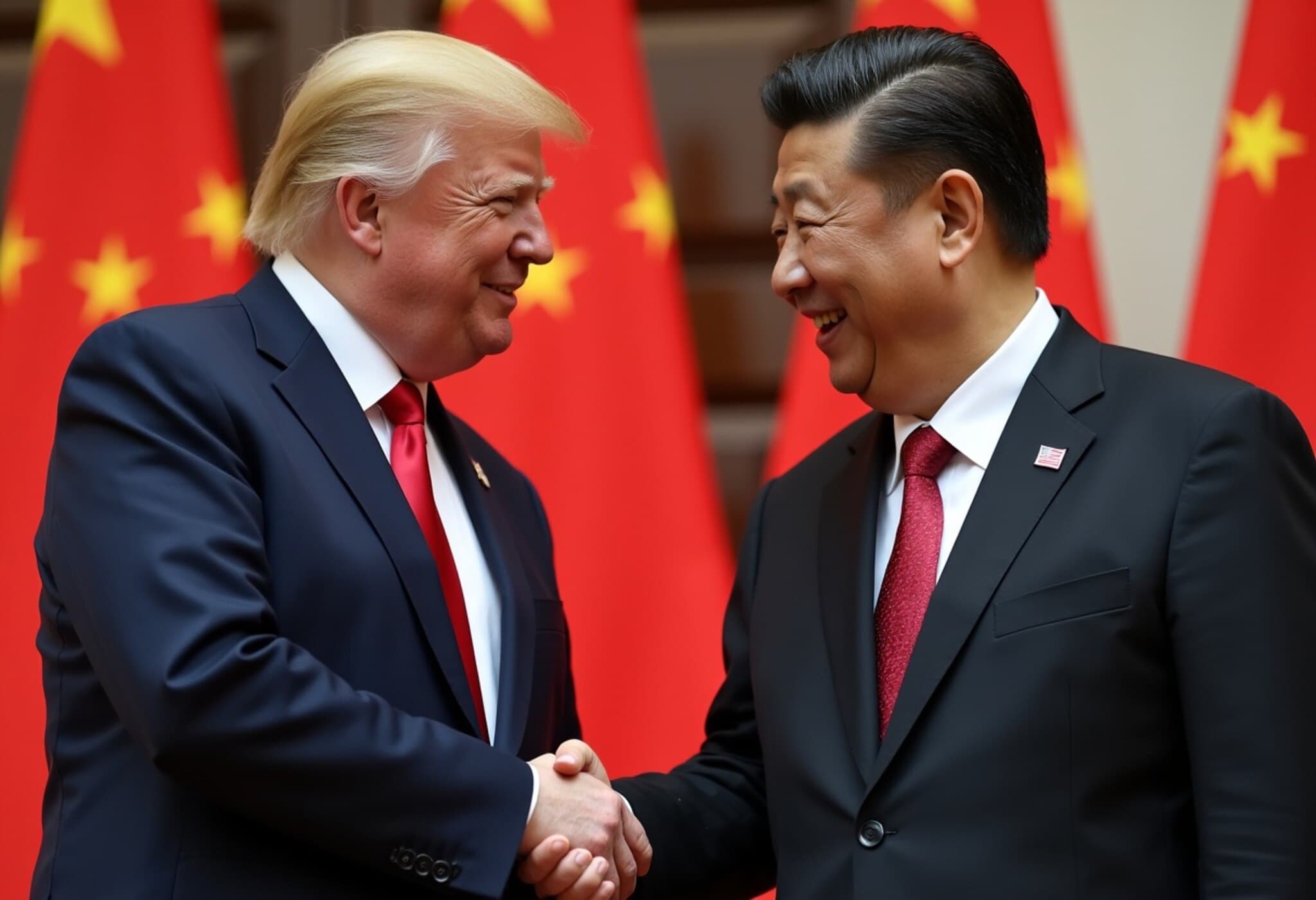
The United States has long urged Mexico to reconsider its extensive trade ties with China, framing the issue within a broader geopolitical rivalry. As the second-largest exporter to Mexico, China sold goods worth $130 billion last year, trailing behind only the United States, which exported $334 billion. The tariffs represent one of the most significant efforts by Mexico to recalibrate its trade portfolio in response to US strategic calls.
President Sheinbaum’s Perspective: Beyond US Pressure
Despite speculation linking this move to US influence, President Sheinbaum firmly rejects the notion that the tariffs are primarily about appeasing Washington. She emphasizes a commitment to revitalizing Mexico’s manufacturing base and achieving a more balanced trade relationship. Currently, the nation suffers a significant trade deficit with China, as Mexican exports to China remain relatively minimal.
Economic and Policy Implications
- Domestic Industry Boost: Tariffs could incentivize local production, potentially creating jobs and reducing dependency on foreign imports.
- Consumer Impact: However, increased import costs may lead to higher prices for some goods, affecting consumers and businesses reliant on imported Chinese components.
- Trade Relations: The policy risks escalating trade tensions not only with China but could also complicate Mexico’s relationships with other trading partners.
Underreported Angles and Critical Questions
While the headline figures dominate coverage, few analyses explore the long-term ramifications for Mexico’s supply chains or the potential for retaliation from China. Additionally, the impact on small and medium-sized enterprises (SMEs), which might struggle to absorb increased costs, remains underexamined. Furthermore, the tariffs raise questions about Mexico’s strategic autonomy amidst growing US-China rivalry.
Looking Ahead: The Road to Economic Sovereignty
Mexico stands at a crossroads between safeguarding its economic interests and navigating complex international pressures. As President Sheinbaum’s government moves forward with this controversial policy, close attention will be essential on how it affects Mexico’s manufacturing sector, trade balances, and broader regional economic dynamics.
Editor’s Note
The newly imposed tariffs underscore Mexico’s attempt to strike a balance between national economic development and geopolitical realities. Readers should consider how such trade policies fit into the larger narrative of US-China competition and Mexico’s role within North American and global supply chains. Will these tariffs foster sustainable growth or complicate Mexico’s commercial ecosystem? The unfolding consequences will merit vigilant observation.