Second Child Fatality on Dangerous Reverse Migration Path from Panama
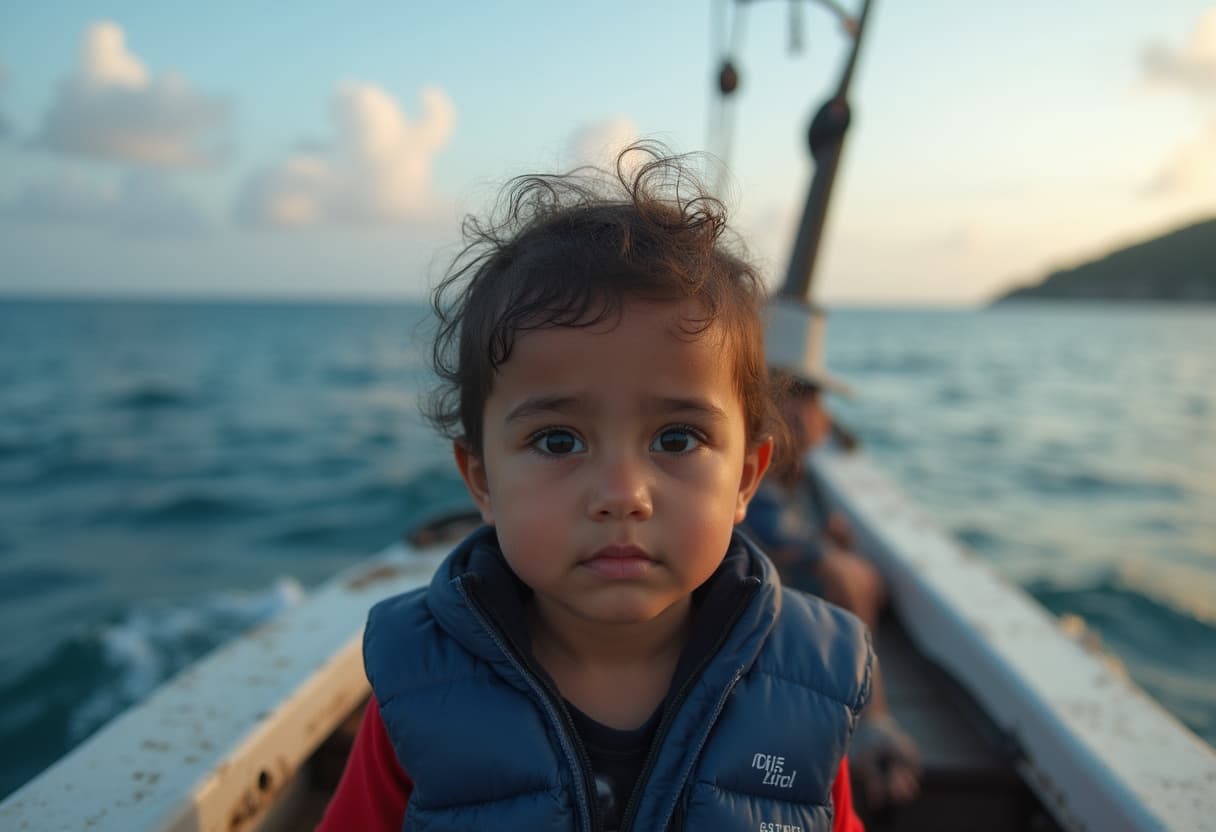
In a heartbreaking incident underscoring the risks faced by migrants navigating perilous waters, a 3-year-old Colombian child died after a boat capsized off Panama's Caribbean Coast. Panamanian officials confirmed the tragedy on Sunday, marking the second known child death on this so-called reverse migration route that has emerged recently.
Details of the Incident
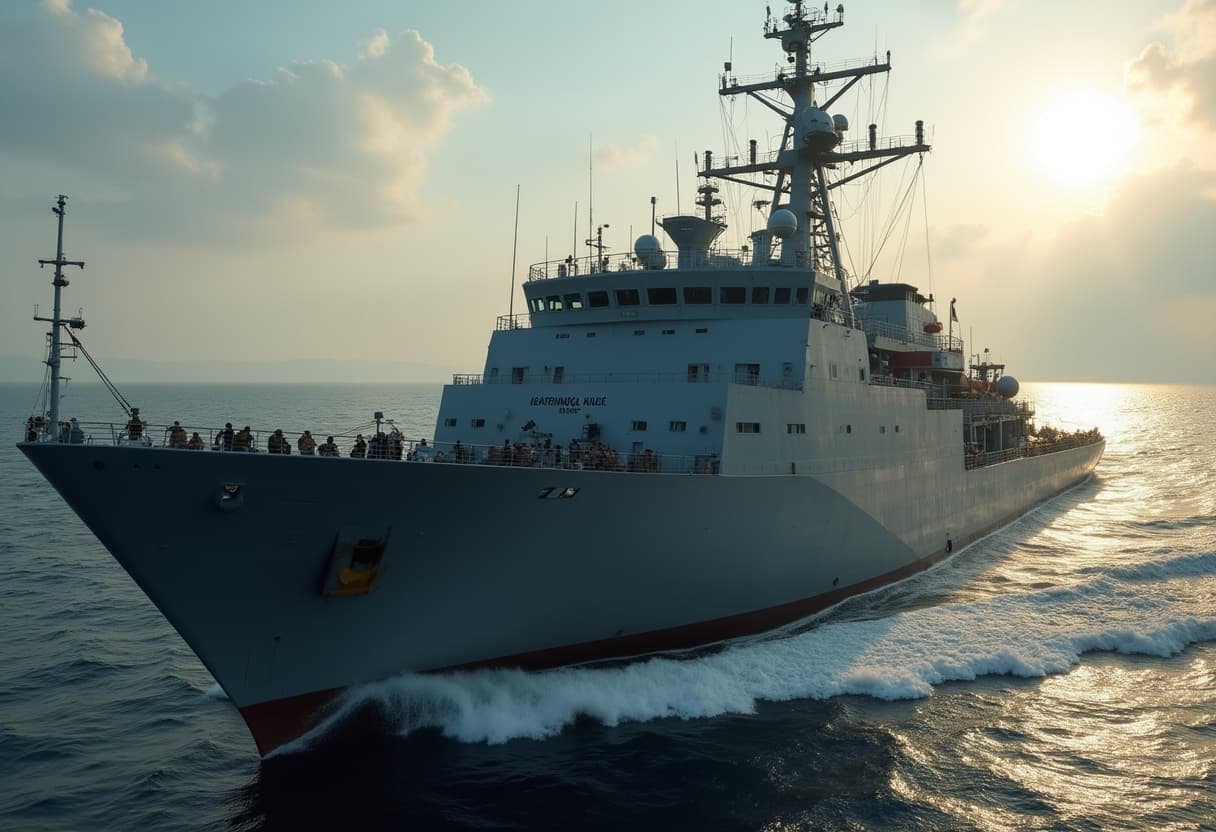
The tragic event occurred near Panama's Colón Province where the vessel was ferrying 21 individuals attempting to return from Panama toward Colombia. Thanks to the timely intervention of a private vessel and the subsequent efforts of local authorities, most passengers were rescued from the sea.
Despite immediate attempts to resuscitate the young child, who was originally from Colombia, she could not be revived. The Panamanian official who spoke anonymously confirmed the migrants were traveling southward toward Colombia—not heading north as is typical in broader migration patterns toward the United States.
Context: Rise of Reverse Migration Routes
This tragic death is the second known fatality of a child on this reverse migration route within the past year. In February, an 8-year-old Venezuelan boy drowned when his family’s boat capsized amid rough seas on the same passage.
The route itself materialized earlier this year following aggressive immigration policies by the Trump administration that effectively sealed the U.S. border for many migrants. Facing warnings of deportation or worse treatment, many migrants chose to return to their home countries by this maritime path rather than risk arduous overland routes.
Who Uses This Route and Why?
- Migrants without legal documents or funds for flights often resort to this path.
- Most travelers come from South American countries, including Colombia and Venezuela, seeking to return home or move closer to their countries of origin.
- The route avoids the notoriously dangerous Darién Gap, a 100-mile stretch of dense jungle between Panama and Colombia known for treacherous terrain and violent crime.
Typically, migrants pay roughly $300 for passage on small boats operated by local fishermen or captains, sometimes booked through social media platforms like TikTok. Despite carrying life jackets, passengers usually receive no safety training, making the journey particularly hazardous.
Panamanian Authorities’ Response and Challenges
According to official statements, the capsized vessel was run by a licensed Colombian fisherman but did not meet safety standards for carrying passengers. Departing from an unauthorized port, the boat transported 18 adults and 3 minors at the time of the accident.
The Panamanian government has allowed these boats to proceed under supervision after checkpoints where the passengers are registered, but controlling this informal migration network remains a challenging task.
Implications for U.S. and Regional Policy
The emergence of these maritime reverse migration routes reveals broader consequences of U.S. immigration enforcement strategies. By tightening borders, displaced migrants are forced to take greater risks, often relying on clandestine and unsafe travel methods.
This trend raises urgent questions about the responsibilities of both U.S. and Central American governments to ensure migrants’ safety and the need for comprehensive regional policies addressing migration realities.
Expert Commentary
Migration analyst Dr. Elena Ramirez notes, "The tragic deaths along these reverse routes highlight a critical gap in migration management. When legal pathways close, vulnerable populations resort to dangerous alternatives. The deaths of children particularly cry out for international attention and action."
Similarly, humanitarian organizations emphasize the importance of expanding legal returns and protections, rather than criminalizing migrants and forcing them into perilous situations.
Looking Ahead: The Human Toll of Migration Policies
As more migrants seek to navigate one of the Americas’ most dangerous sea passages, incidents like this remind us that migration is more than a policy issue—it is a profoundly human story marked by hope, desperation, loss, and resilience.
Beyond headlines, this ongoing crisis calls for compassionate, coordinated approaches that prioritize safety, human rights, and durable solutions across borders.