
Jean-Philippe Pleau’s Bold Reflection on Class Mobility Shakes Quebec
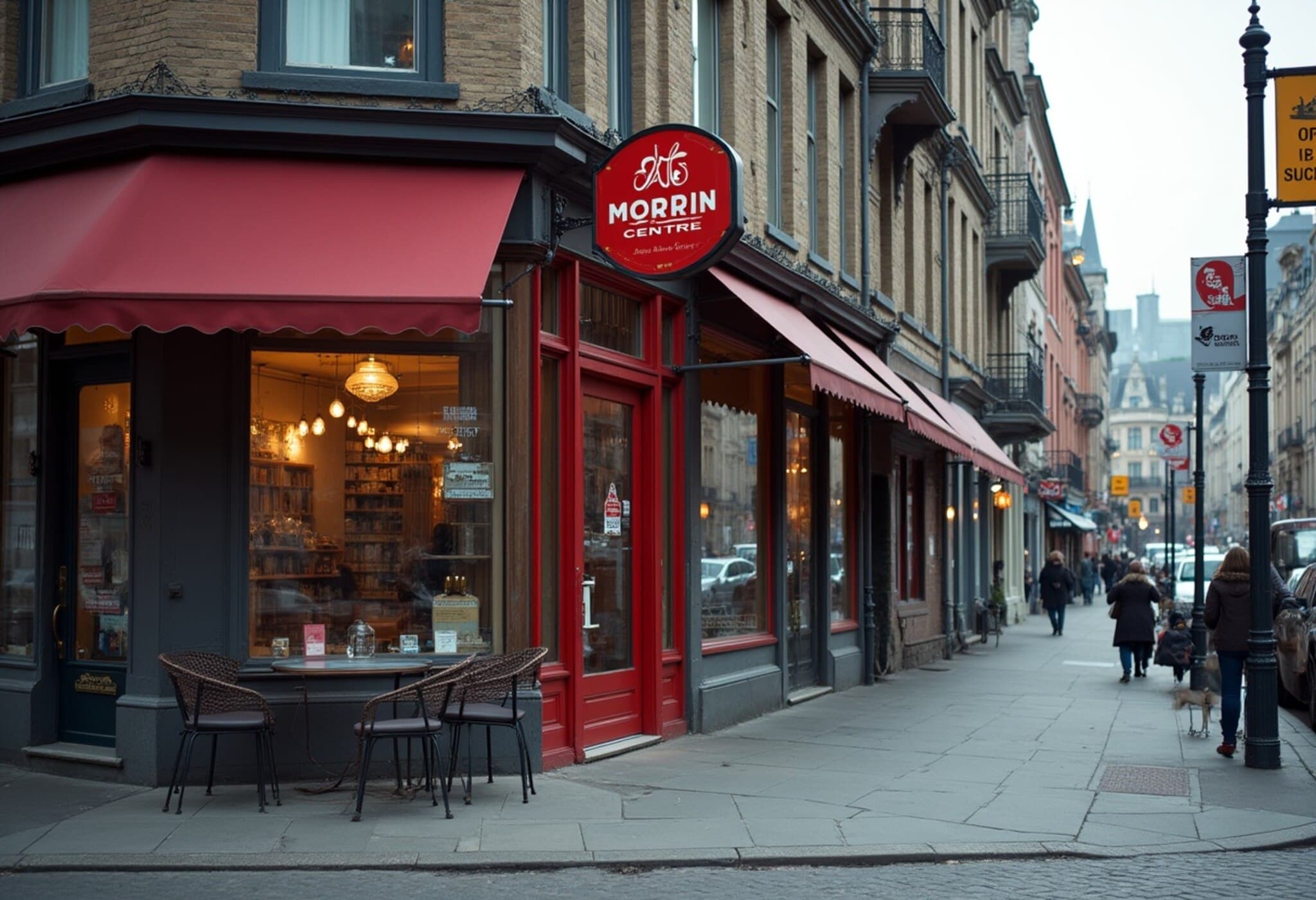
In the quiet industrial town of Drummondville, Quebec, writer Jean-Philippe Pleau recently returned home, only to find himself standing hesitantly in the middle of Rue Duplessis — a street lined with modest homes that hold memories of his working-class upbringing. This place, once the backdrop of his childhood, is also now the subject of his best-selling memoir and play, Rue Duplessis: My Little Darkness. The work candidly chronicles his journey away from his blue-collar roots toward a life immersed in Montreal’s intellectual circles.
A Cultural Mirror for Quebec’s Class Conversations
Pleau’s deeply personal narrative has struck a chord across Quebec, igniting a broader cultural conversation about social mobility, identity, and the sometimes painful costs of transcending one’s origins. His story reverberates with many Quebecois who see reflections of their own struggles and aspirations. This collective reckoning is fueled by his raw honesty about the emotional and social friction that arises from such upward movement.
The Personal Price of Speaking Truth
Yet, the acclaim has come at a steep personal cost. Pleau’s relationship with his parents remains strained, as they live in Drummondville, where community ties are tightly knit. More painfully, a dozen members of his extended family have filed defamation lawsuits, underscoring the deep wounds his portrayal has inflicted. Community whispers reached his parents, telling them they must be “very angry,” echoing the silent yet potent backlash faced by those who publicly dissect working-class life.
During his recent visit, Pleau narrowly avoided a moment of confrontation when a woman on Rue Duplessis called his name, a reminder of how inescapable his past still is—even as he has physically and socially distanced himself. The encounter was marked less by hostility and more by cautious curiosity, emblematic of the complex sentiments his work has stirred.
Contextualizing the Quebec Experience of Class Defection
Quebec’s unique socio-economic landscape, shaped by its francophone identity and historical class dynamics, adds layers of nuance to Pleau’s story. Unlike in some larger metropolitan areas where social mobility might be more fluid, small towns like Drummondville maintain strong class-conscious communities. This environment can make transformations like Pleau’s feel like ruptures rather than evolutions, illuminating the personal sacrifices that often accompany social ascent.
Expert sociologists highlight that this phenomenon is emblematic of broader North American tensions where narratives of self-improvement intertwine with lingering loyalties to community and identity. Pleau’s work serves as both a mirror and a magnifying glass, forcing readers to confront uncomfortable truths about class, belonging, and the costs hidden within success.
Questions Left Unspoken
- How does society reconcile honoring personal growth while respecting community bonds?
- What responsibilities do storytellers have when exposing intimate details of their origins?
- How might Quebec’s cultural fabric evolve to accommodate such journeys without alienation?
These questions linger over Pleau’s experience, offering no easy answers but inviting ongoing dialogue.
Editor’s Note
Jean-Philippe Pleau’s poignant exploration of class defection in Quebec transcends a simple memoir. It challenges readers to grapple with the emotional landscapes of social mobility that are often sanitized or ignored in public discourse. As more individuals traverse similar paths, society must ask: How can upward mobility coexist with meaningful connections to one’s roots? Pleau’s story is a call to balance ambition with empathy.