A Race Against Time: Saving a Tangled Steller Sea Lion
In the serene waters of Cowichan Bay, British Columbia, a gripping rescue mission unfolded in early December 2025. After tracking a female Steller sea lion entangled with an orange rope tightly wound around her neck for over a month, a dedicated team of marine mammal experts and Indigenous marine monitors scrambled to save the animal from a devastating fate.
The Perilous Situation
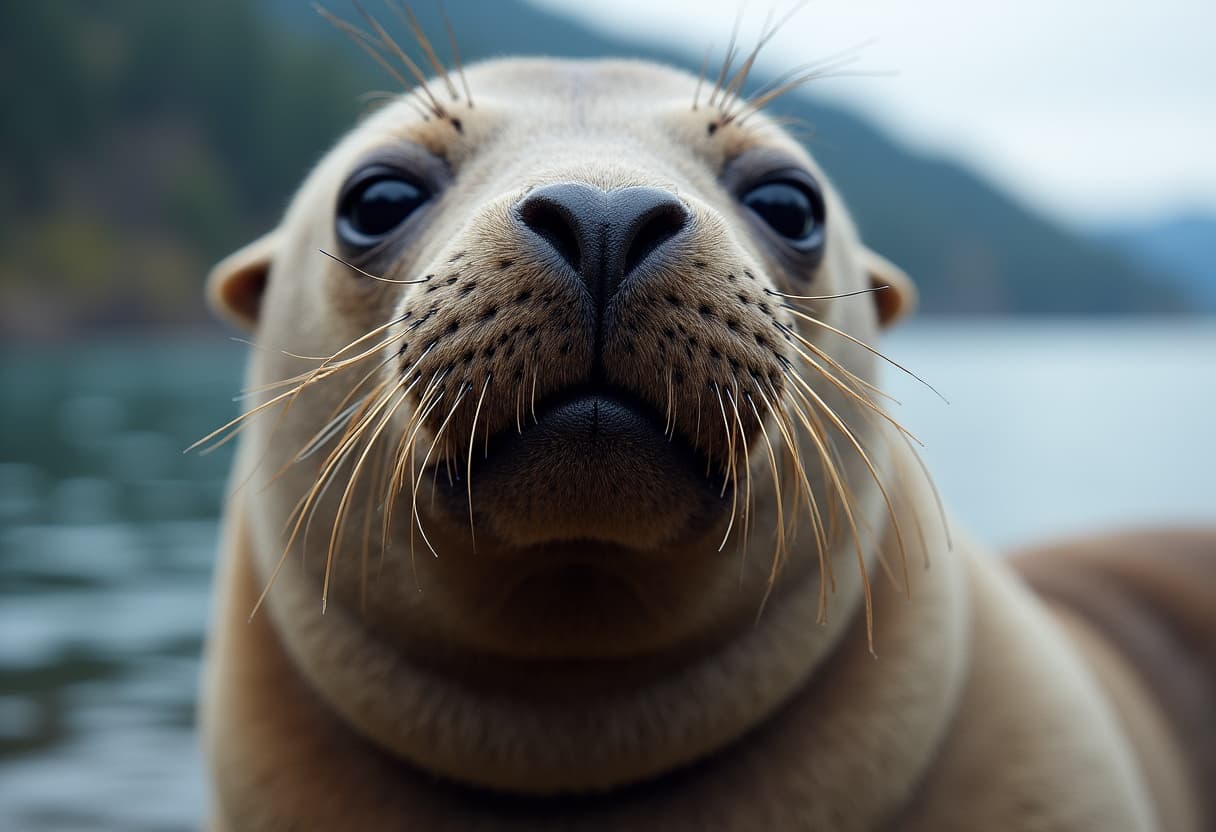
The sea lion, a robust yet vulnerable 330-pound female, was spotted resting on a dock near a local inn as dusk fell on December 8. The rope, twisted four times around her neck, had inflicted a deep, life-threatening wound. Without immediate intervention, the injury would have inevitably led to her death.
Collaboration in Action: Indigenous and Scientific Partnerships
Crucially, the rescue wouldn’t have been possible without the vigilance of the Cowichan Tribes Marine Monitoring Team, whose local knowledge and persistent sightings guided the Vancouver Aquarium Marine Mammal Rescue Society and Fisheries and Oceans Canada to the sea lion’s location. The tribe named her Stl’eluqum, meaning “fierce” or “exceptional,” a testament to her fighting spirit amid the crisis.
Executing a Delicate Rescue
As evening shadows lengthened and hope seemed to wane, the nine-member rescue team quickly relaunched their boats. Using a dart gun loaded with a sedative, they safely sedated Stl’eluqum to prevent further injury during disentanglement. According to Dr. Martin Haulena, executive director of the rescue society, “Launching the dart is the easiest part of the whole operation. It’s everything that happens after that, that you just have no control over.”
Understanding Steller Sea Lions: Giants of the North Pacific
Steller sea lions, or northern sea lions, are among the largest pinnipeds inhabiting the North Pacific, ranging from Northern California up through Alaska to parts of Russia and Japan. Adult males can weigh as much as 2,500 pounds, dwarfing females like Stl’eluqum. Despite their majestic presence, they face mounting threats from human-related hazards such as fishing gear entanglement, pollution, and habitat disruption.
Expert Perspectives and Broader Implications
The successful rescue underscores the critical importance of collaborative conservation efforts that blend Indigenous knowledge with scientific expertise. It also casts a spotlight on the frequent dangers marine wildlife encounter due to lingering marine debris and abandonment of fishing materials. According to marine biologists, entanglement remains a leading cause of injury and mortality for pinnipeds in coastal waters.
From a policy standpoint, this incident raises urgent questions about the enforcement of marine debris regulations and the need for more robust clean-up initiatives along critical habitats. Additionally, it invites reflection on the growing role Indigenous communities play in stewardship of marine ecosystems — a partnership that not only safeguards wildlife but also strengthens cultural ties to the environment.
Unseen Challenges of Rescue Missions
Marine animal rescues, especially involving large and wild pinnipeds, require exceptional skill, patience, and coordination. The unpredictable behavior, safety concerns for both the animal and human teams, and logistic complexities make each operation uniquely challenging. While tranquilizing and disentangling an animal like Stl’eluqum is a technical feat, the emotional toll on rescuers — invested deeply in the wellbeing of these creatures — is profound.
Looking Ahead: Conservation in a Changing World
With climate change accelerating shifts in marine ecosystems, the resilience of species such as the Steller sea lion will continuously be tested. Tackling threats like pollution and habitat loss is more critical than ever. Public awareness, backed by insightful reporting and activism, can drive meaningful change to protect these iconic animals and the waters they call home.
Editor's Note
The story of Stl’eluqum’s rescue is a powerful reminder of the fragile intersection between human activity and nature. It challenges us to reflect on our responsibility to protect marine life, not just through emergency interventions, but by addressing root causes like pollution and unsustainable fishing practices. How can policies evolve to better support Indigenous-led conservation? And what role can communities play in preventing such crises before they occur? This narrative invites ongoing dialogue and action.