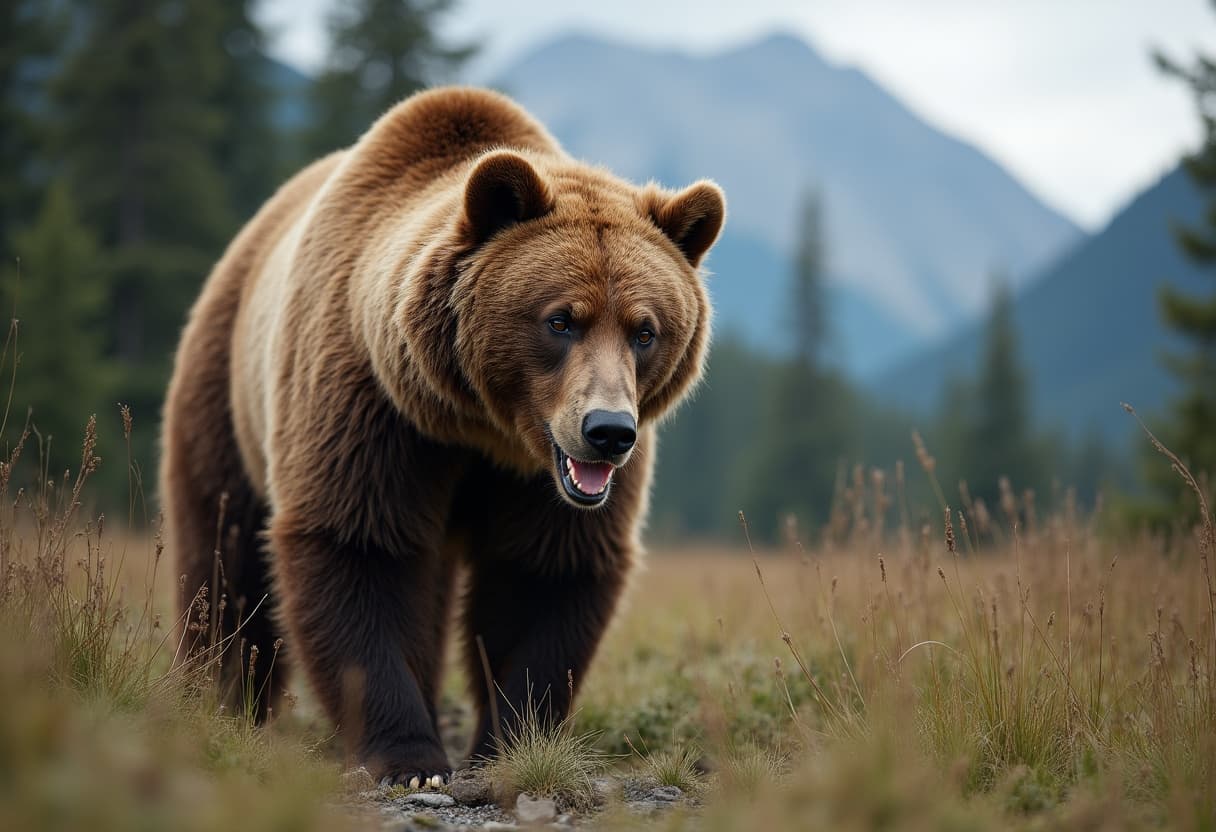
Grizzly Bear Attack in British Columbia Leaves Children and Teacher Seriously Injured
In a harrowing incident on Thursday, three children and a teacher were seriously injured when a grizzly bear attacked a school group traveling through a remote area of British Columbia. The attack took place near Bella Coola, a small community located along British Columbia's rugged central coast, within close vicinity of Tweedsmuir Provincial Park.
Details of the Incident
According to official statements from the British Columbia Conservation Officer Service and information shared by the Nuxalk Nation – the Indigenous community overseeing this territory – the group was walking along a trail near a river when the bear suddenly charged. The group had stopped around midday for reasons that authorities have not disclosed.
The group consisted of approximately 20 students and teachers. The sudden attack resulted in 11 people suffering injuries, with four—including three children and one teacher—sustaining serious wounds. Immediate emergency response saw the critically injured taken to Bella Coola’s hospital before they were airlifted to Vancouver for advanced medical care. At this time, officials have not shared detailed information on the victims’ current conditions or their identities, underscoring the sensitivity of the situation.
Heroic Response Amid Crisis
Despite the terror, the teachers’ quick thinking proved pivotal. Armed with bear spray and a bear banger—a device that fires noise-making cartridges intended to scare bears away—they confronted the predator. These deterrents helped to fend off the bear, preventing further injuries. The use of such bear safety tools and protocols is widely advocated in bear-prone wilderness areas in Canada and the United States alike as vital deterrents against wildlife attacks.
Contextualizing the Risks of Wilderness Education
This attack challenges the delicate balance between outdoor education and safety in regions where wildlife encounters are an inherent risk. British Columbia's vast wilderness is home to an estimated 15,000 grizzly bears, according to provincial wildlife authorities. While bear attacks are rare, increased human activity in remote natural areas often leads to heightened risks of conflicts.
Experts emphasize that educational groups venturing into bear habitats must be trained in wildlife awareness and equipped with proper safety gear. The incident also highlights a broader conversation about minimizing human impact in sensitive ecological zones while preserving experiential learning opportunities for youth.
Legal and Policy Perspectives
From a legal standpoint, the incident raises critical questions about liability, safety protocols, and the adequacy of guidelines for school-led excursions in wildlife territories. The provincial government typically mandates risk assessments and the presence of trained personnel for such outings, but incidents like this prompt review and potential policy enhancement.
Moreover, Indigenous communities like the Nuxalk Nation play a vital role in wildlife stewardship and trail management. Their collaboration with provincial agencies ensures culturally respectful and ecologically sound land use practices, which might become increasingly important in preventing future wildlife-human conflicts.
Looking Forward: Prevention and Preparedness
- Enhanced Safety Protocols: Schools and recreational groups should implement stringent wildlife encounter training and ensure carrying deterrents such as bear spray and bangers.
- Community Collaboration: Strengthening partnerships with Indigenous nations who have deep ecological knowledge can improve route planning and wildlife risk management.
- Public Awareness Campaigns: Educating the public about the realities of sharing landscapes with predators is essential in preventing panic and promoting coexistence.
This tragic attack underscores both the power and peril of wilderness interaction. While the natural world offers unparalleled opportunities for growth and connection, it requires respect, preparedness, and vigilance.
Editor’s Note
As we monitor the recovery of those injured, this event serves as a crucial reminder about the unpredictable nature of wilderness experiences. It invites reflection on the policies and practices governing outdoor education and the importance of coexisting safely with wildlife. How can schools and communities better prepare for such rare but serious incidents? And how might integrating Indigenous knowledge shape future strategies to keep both humans and animals safe?