Unpacking U.S. Naval Movements Near Venezuela Through Satellite Data
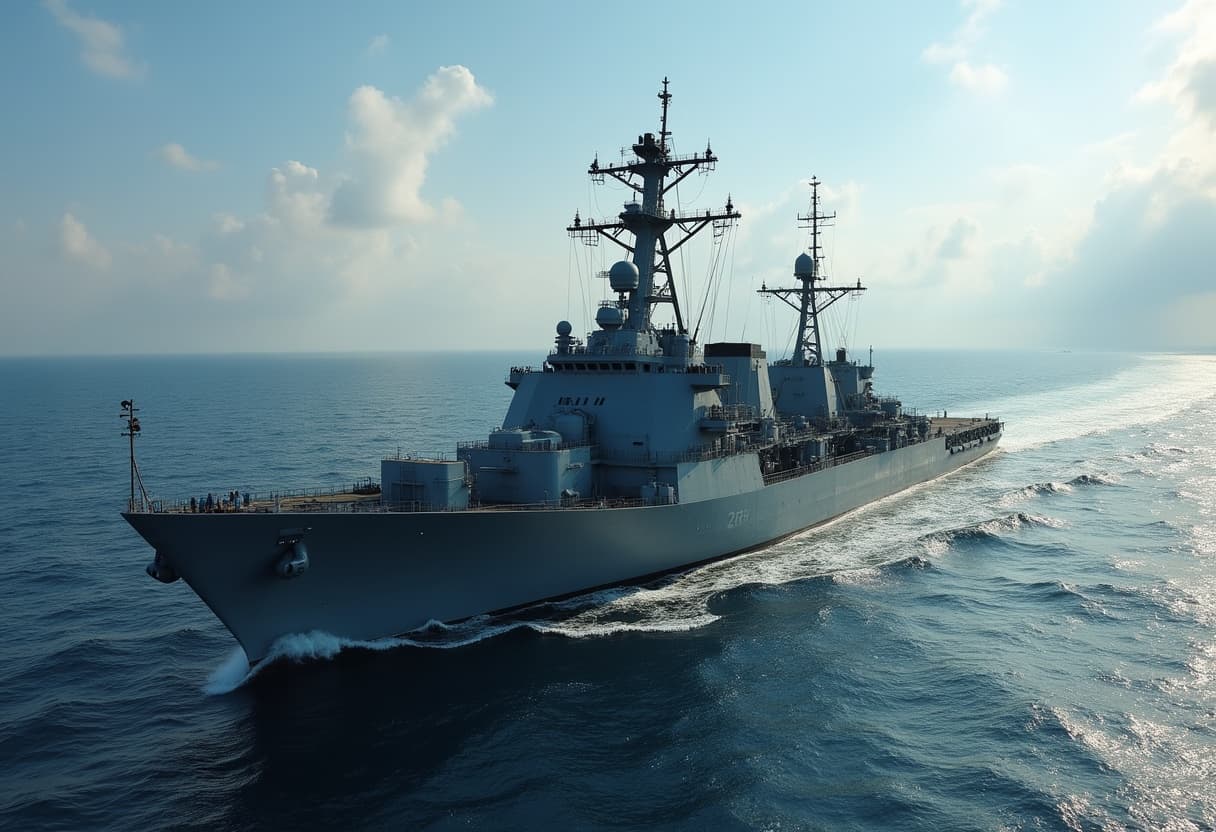
Recent satellite imagery analysis has shed unprecedented light on the extent and nature of the U.S. Navy's presence near Venezuela’s maritime borders. Over a span of two and a half months, nearly 100 distinct positions of at least eight naval vessels—including cruisers and guided-missile destroyers—were tracked sailing 50 to 100 miles off Venezuela’s coast. This area is notably distant from the Caribbean’s most active drug trafficking corridors, raising crucial questions about the true objectives behind this significant military buildup.
Pressure Campaign Beyond Counternarcotics
While the Trump administration has publicly framed these naval deployments as part of a rigorous counternarcotics campaign, satellite data suggests a more complex geopolitical strategy at play. The main cocaine smuggling routes, as affirmed by multiple U.S. government reports, are predominantly located several hundred miles west, closer to Colombia's coast. By positioning warships in an area less trafficked by drug routes, the U.S. Navy appears to be conducting a pressure campaign aimed at Venezuela’s regime rather than focusing exclusively on intercepting narcotics shipments.
The Scale and Historical Context of Deployment
This naval deployment represents the most extensive U.S. military presence in the Caribbean since the Cuban Missile Crisis in 1962, underscoring the region’s ongoing strategic importance. The fleet includes advanced warships equipped with high-powered surveillance radars and long-range missile capabilities that can strike targets deep within Venezuelan territory. Alongside, the U.S. Air Force has maintained a series of highly visible patrol flights near the Venezuelan coast, adding an aerial dimension to this show of strength.
Decoding the Military Posturing: Strategic Implications
Experts suggest that these maneuvers convey a multifaceted message. Beyond combating drug trafficking, the naval presence serves as a clear warning to the Venezuelan government amid rising political tensions and economic instability within the country. It highlights the U.S. commitment to monitoring and controlling the influence of adversarial powers in the Western Hemisphere, particularly as Venezuela’s political alliances and internal humanitarian crises continue to evolve.
Moreover, the secrecy surrounding precise ship locations—only revealed through satellite data—illustrates the delicate balance the U.S. administration is striking between publicizing efforts to fight illegal narcotics and covertly applying military pressure on the Venezuelan regime.
Expert Insight: Navigating Geopolitical Complexities
Dr. Maria Velasquez, a Latin American security analyst, notes, "This deployment is a classic example of power projection without overt aggression. It enables the U.S. to maintain influence and signal resolve while avoiding direct confrontation. However, it risks escalating tensions and complicating diplomatic efforts to address the Venezuelan crisis.”
From an economic perspective, increased military activity near Venezuela also affects regional trade routes and energy exports, given Venezuela's role as a major oil supplier. The presence of U.S. naval forces could indirectly impact global oil markets and regional energy security.
Underreported Dimensions: Humanitarian and Regional Consequences
Although overshadowed by military narratives, the humanitarian dimension remains critical. Venezuela faces severe economic collapse, hyperinflation, and a refugee crisis affecting neighboring countries. This military pressure potentially constrains Venezuela’s ability to respond effectively to these internal challenges, raising important ethical and policy considerations.
Furthermore, regional neighbors such as Trinidad and Tobago and other Caribbean nations find themselves in a complex position, as U.S. naval operations near their waters intertwine with broader security concerns and regional diplomacy.
What Lies Ahead?
As satellite technology continues to enhance transparency in military operations, policymakers, analysts, and the public gain new tools to scrutinize and understand these deployments' deeper implications. The evolving U.S. naval presence near Venezuela serves as a barometer for shifting geopolitical dynamics in the Americas, prompting ongoing debates about balance between security interests, regional stability, and humanitarian priorities.
Editor’s Note
The revelation of U.S. naval activity near Venezuela through satellite data unlocks a nuanced picture of contemporary power plays in the Caribbean. Beyond the official narrative of counternarcotics, it signals a sophisticated strategy combining military deterrence and geopolitical messaging. Going forward, it is essential to keep a close eye on how such military posture influences diplomacy, regional alliances, and the humanitarian landscape in Latin America.
Key questions remain: Could intensified military presence escalate tensions or push Venezuela toward dialogue? How might affected regional neighbors respond to increased U.S. military maneuvers in their maritime vicinities? This evolving story demands continued investigation, blending technological insight with expert analysis to inform public discourse.