
French Prime Minister Francois Bayrou Urges Caution Over Snap Polls
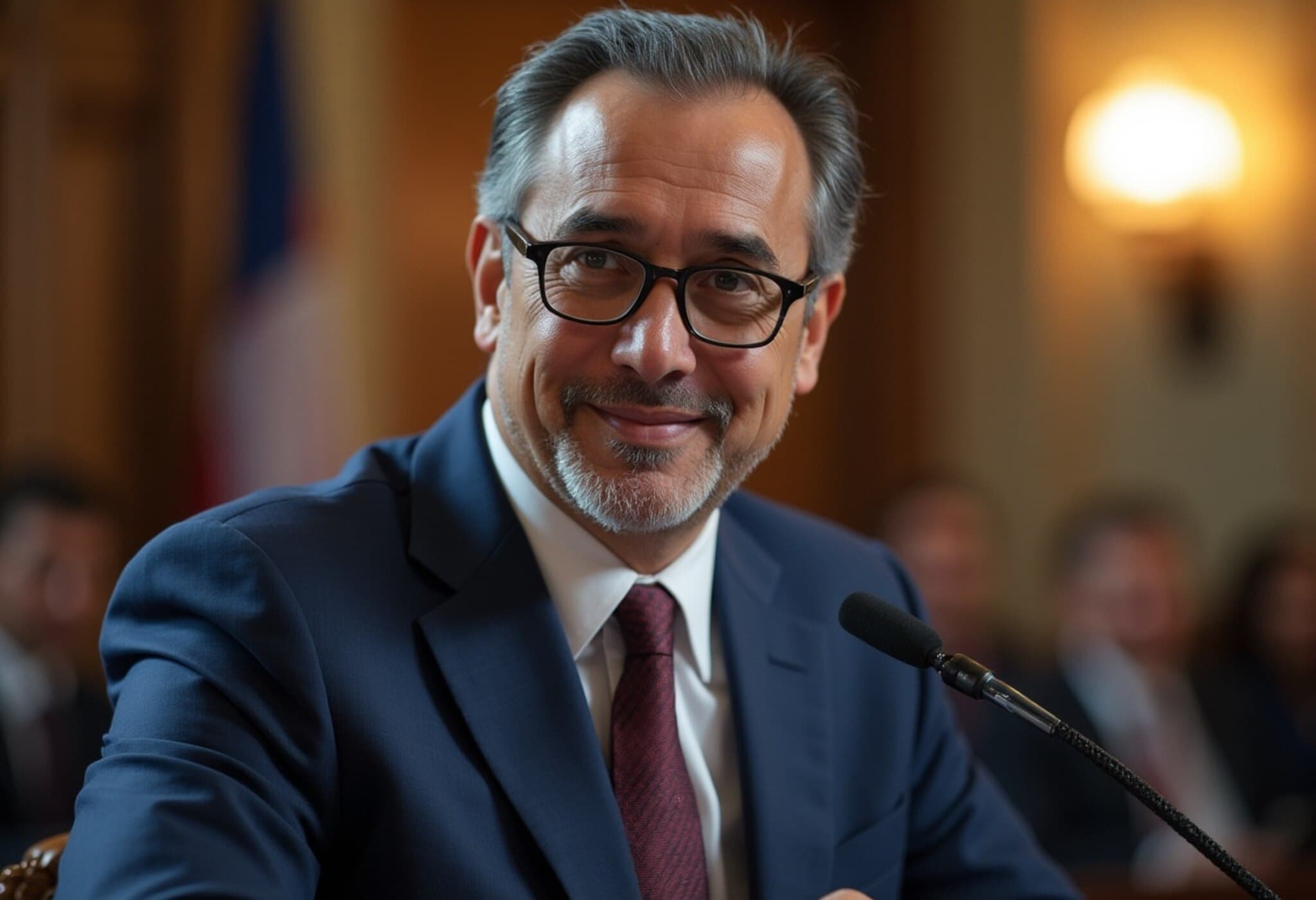
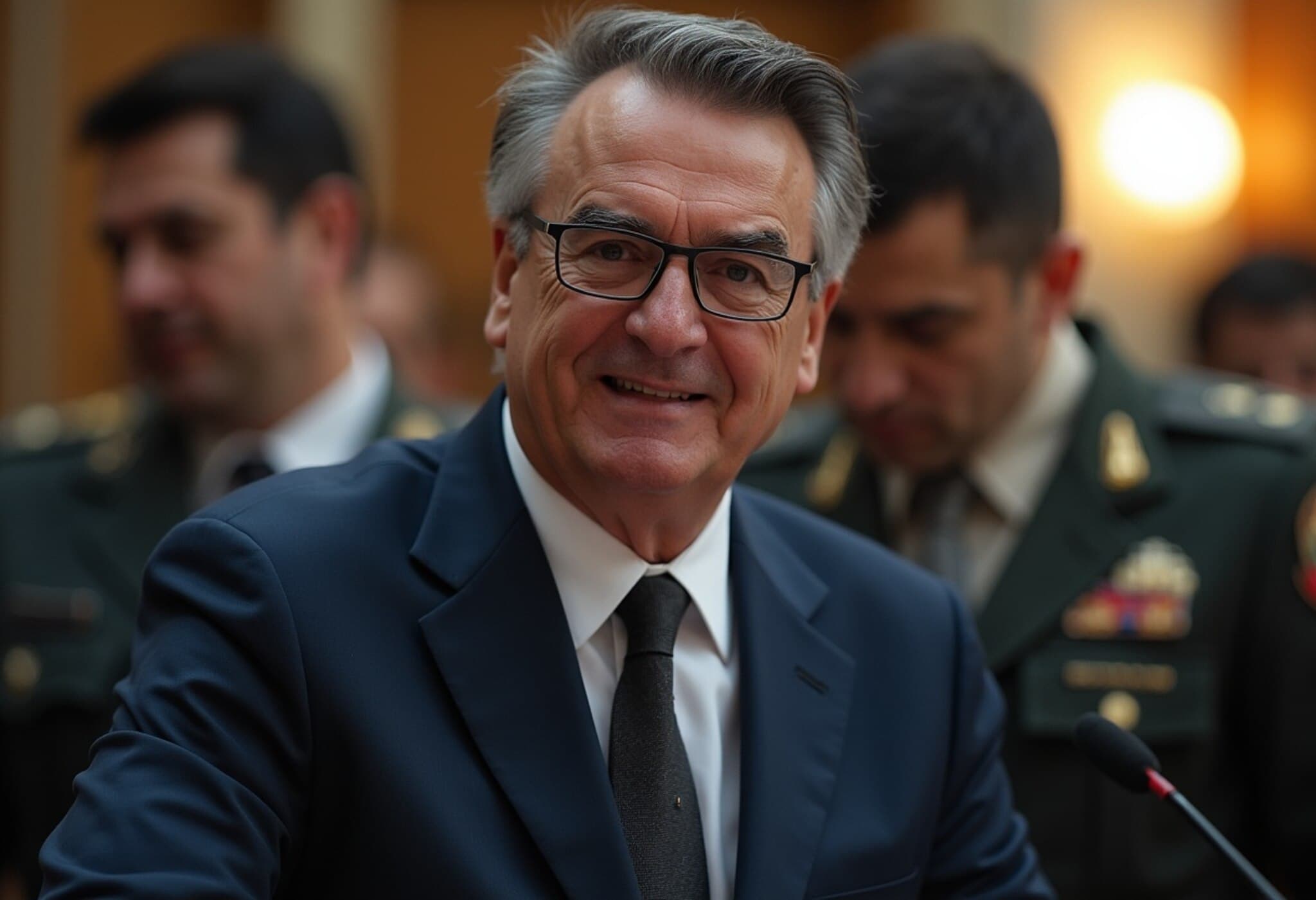
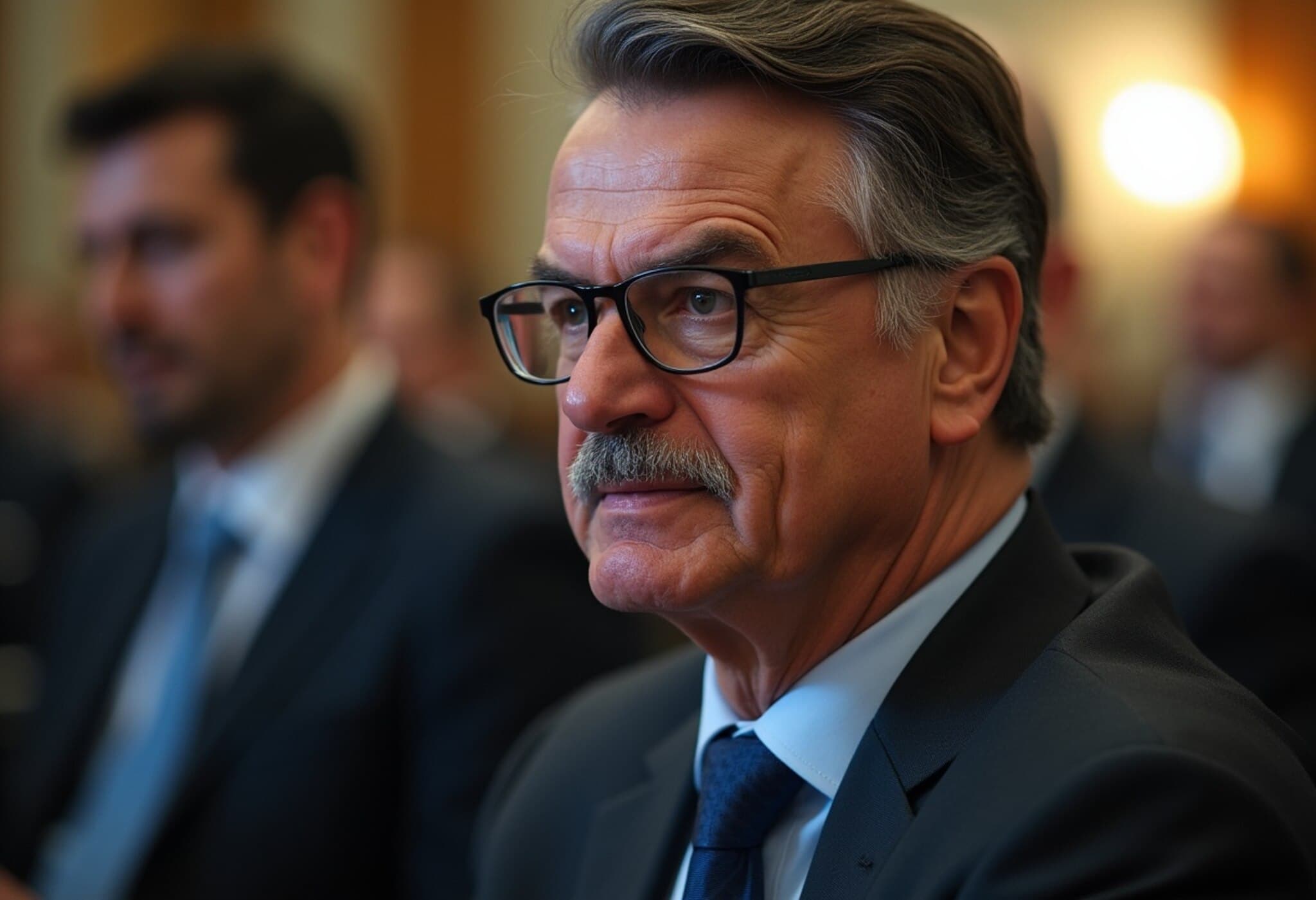
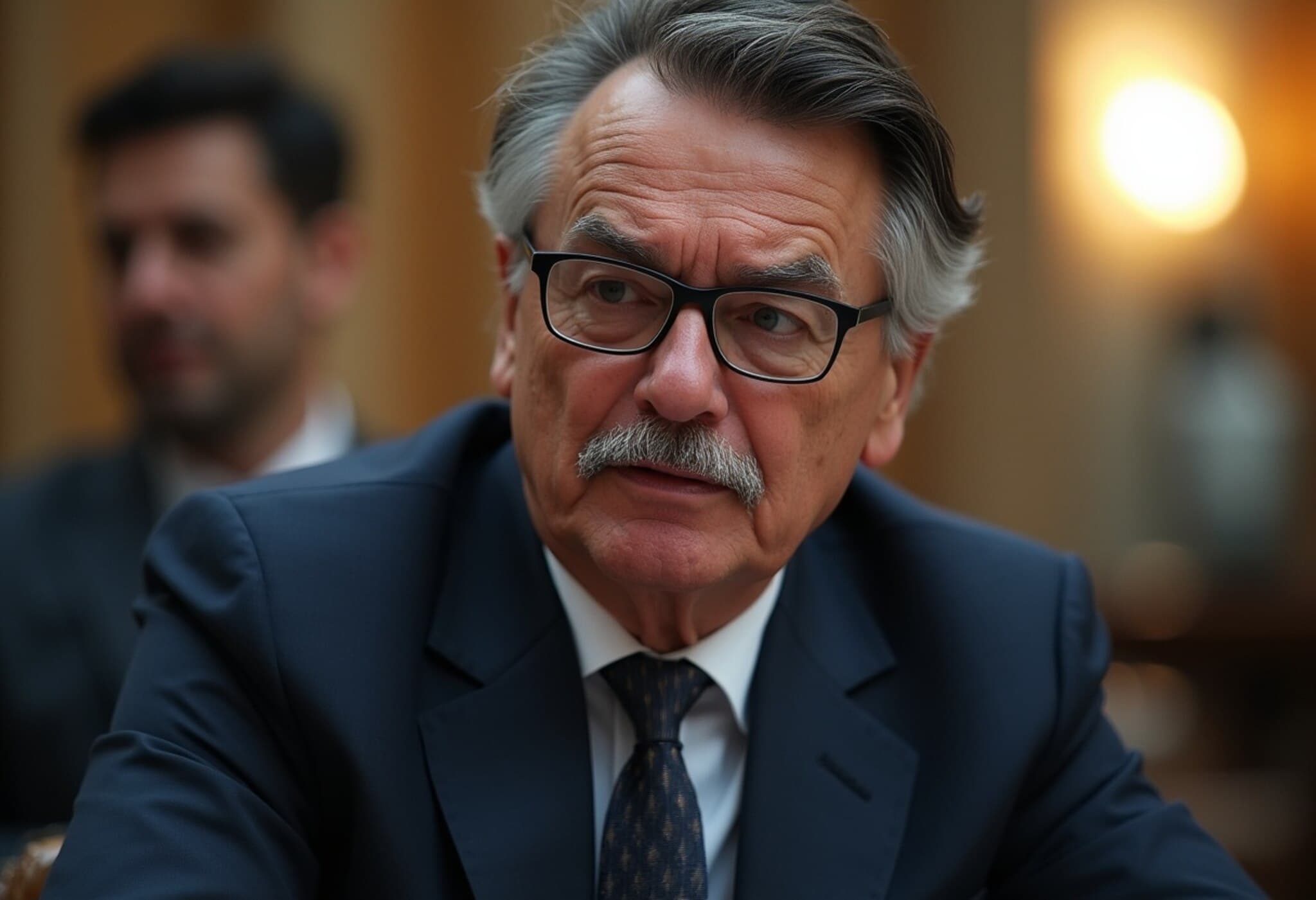
In an unexpected political move, French Prime Minister Francois Bayrou has scheduled a parliamentary confidence vote for September 8, 2025, amidst deepening tensions over government spending cuts. While snap elections might seem an intuitive path to resolving France’s political deadlock, Bayrou firmly warned that such a measure would only deepen instability rather than restore calm.
Parliamentary Deadlock and Budget Crisis
France has been grappling with a prolonged political impasse, especially over a contentious new budget designed to slash government expenditures by nearly €43.8 billion ($51 billion). Opposition parties, spanning the left and right wings, have united in rejecting these austerity measures, leaving Bayrou’s administration in a precarious place.
The upcoming confidence vote is poised as a litmus test for Bayrou’s hold on power. Should he lose, he and his cabinet must resign, opening several potential avenues for President Emmanuel Macron: reappoint Bayrou, choose a different prime minister, or dissolve Parliament to trigger early elections.
Political Stakes and Macron’s Endgame
President Macron faces mounting pressure as his second term nears its conclusion, with opposition forces not only opposing the budget but calling for his resignation — a call he has consistently rebuffed. Bayrou, speaking in a candid interview with TF1, stressed that dissolving the National Assembly and calling new elections would likely prolong rather than resolve France’s political uncertainties.
“I do not believe that snap elections will allow us to achieve stability,” Bayrou said, emphasizing the need for dialogue. From Monday onward, Bayrou plans to engage party leaders in intensive budget negotiations, insisting on a shared commitment to fiscal responsibility. “If we agree on the seriousness and urgency of the task, then negotiations can begin,” he stated, sounding a warning that stagnation could cause severe economic fallout, particularly for France’s younger generations.
Challenges Ahead: Opposition Alliances and Political Realities
Despite Bayrou’s openness, the opposition remains largely intransigent. The unusual alliance between the far-left and the far-right, united in their resolve to topple the government, leaves Bayrou’s prospects grim. He himself conceded the absence of a parliamentary majority backing the government but stressed the need for a constructive path forward.
Political analysts warn that this deadlock could force Macron’s hand. Edouard Philippe, former Prime Minister and a centrist contender for the 2027 presidential race, remarked, “If no government can pass a budget, dissolution is the only solution.” Indeed, past elections in 2024 already ushered in a fragmented legislature where Macron’s coalition holds a minority, and Marine Le Pen’s National Rally reigns as the largest single party.
Macron’s Support and the Road Ahead
Despite uncertainty, Macron expressed full support for Bayrou’s government, underlining the president’s commitment to navigating this turbulence without immediate recourse to elections. However, whispers within Macron’s circle suggest that snap polls, though undesirable, might become unavoidable if the stalemate persists.
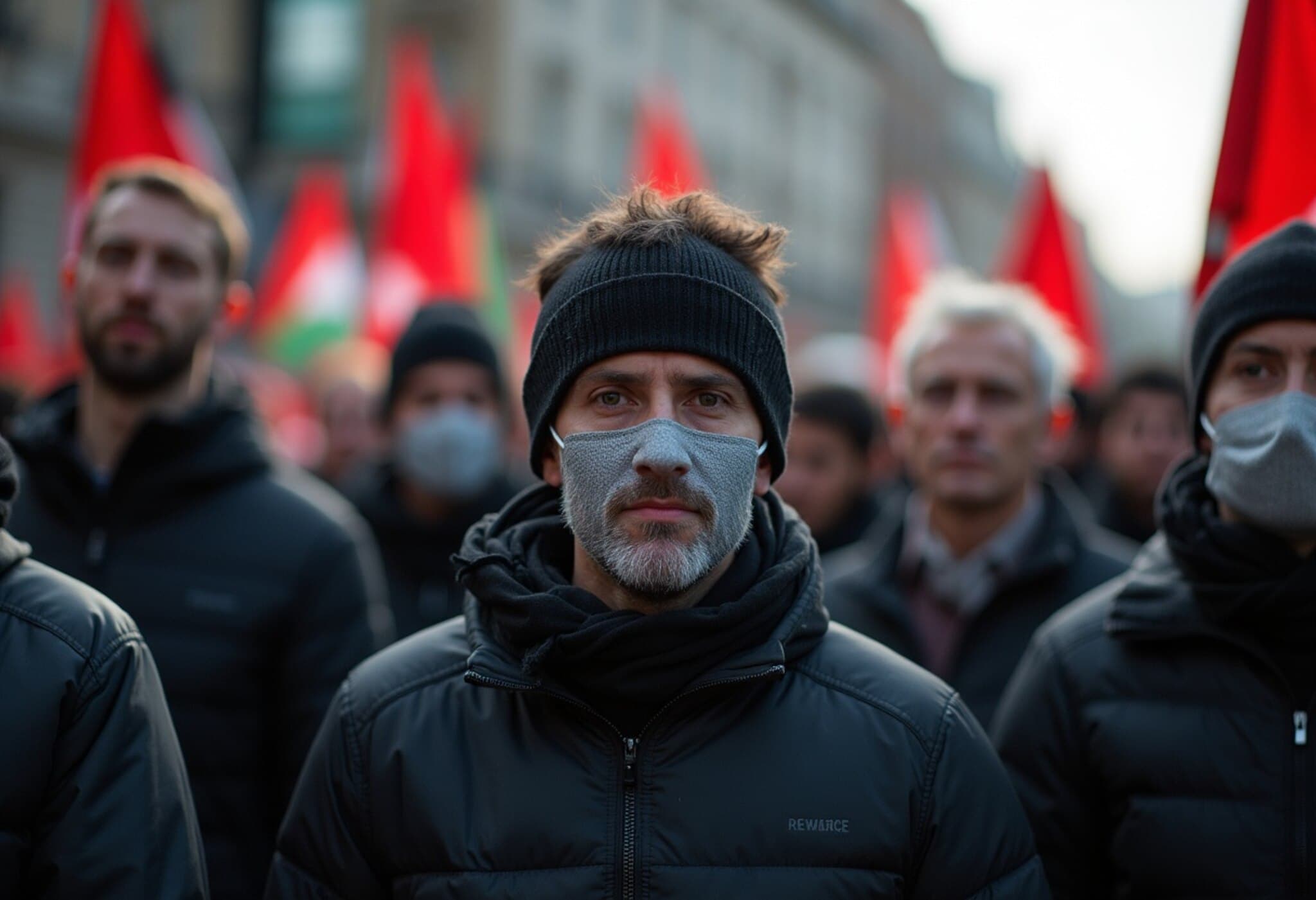
The political scene is further complicated by a nationwide shutdown campaign titled “Bloquons tout” (“Let’s block everything”), coordinated by left-wing groups. Scheduled for September 10, this movement aims to pressure the government through widespread civil disruption, adding a layer of social unrest to an already volatile political environment.
Expert Commentary: Navigating France’s Political Crossroads
France’s current predicament underscores a broader European challenge: balancing fiscal austerity with social cohesion amid rising political fragmentation. Bayrou’s plea for dialogue reflects an acute awareness of the risks that instability poses not only domestically but also for Europe’s economic outlook.
From a policy analyst’s perspective, the convergence of far-left and far-right opposition in France is emblematic of a global phenomenon where traditional political divides blur in response to widespread disenchantment. The question is whether Macron and Bayrou can forge a pragmatic coalition or whether new elections will plunge France into prolonged uncertainty, with ripple effects across the European Union.
Moreover, the emphasis on protecting younger generations hints at a generational divide that policymakers must address. Economic headwinds and social unrest do not exist in a vacuum; their compounded effects could influence France’s democratic resilience and economic competitiveness.
Looking Ahead
In the coming weeks, France stands at a crucial juncture. The September 8 confidence vote is more than a parliamentary procedure; it is a referendum on governance, economic priorities, and social trust. Whether Bayrou can broker meaningful compromises or if France slides into an era defined by political uncertainty depends on both the willingness of political parties to engage and the public’s tolerance for disruption.
Key Takeaways
- Confidence vote on September 8 will determine Bayrou government’s fate amid budget impasse.
- President Macron may face tough choices: reappoint, elect a new premier, or call snap elections.
- Opposition’s unlikely far-left and far-right alliance poses unique political challenge.
- Widespread civil unrest looms with planned nationwide strikes impacting economy and stability.
- France’s political stalemate reflects broader trends of fragmented governance and economic anxiety.
Editor's Note
The unfolding political drama in France is a compelling case study of how modern democracies juggle fiscal discipline and social consensus amid increasingly polarized landscapes. Bayrou’s strategy underscores the complexity of governing without a majority and the heavy responsibility borne by leaders to prevent chaos that could undermine not only national stability but also broader European cohesion. As France awaits the September vote, observers should watch closely how negotiation finesse and political pragmatism either defuse or deepen this crisis. Will France’s leaders rise to the occasion, or are snap elections the inevitable storm on the horizon?