Trump’s Failed Efforts to Shield Bolsonaro
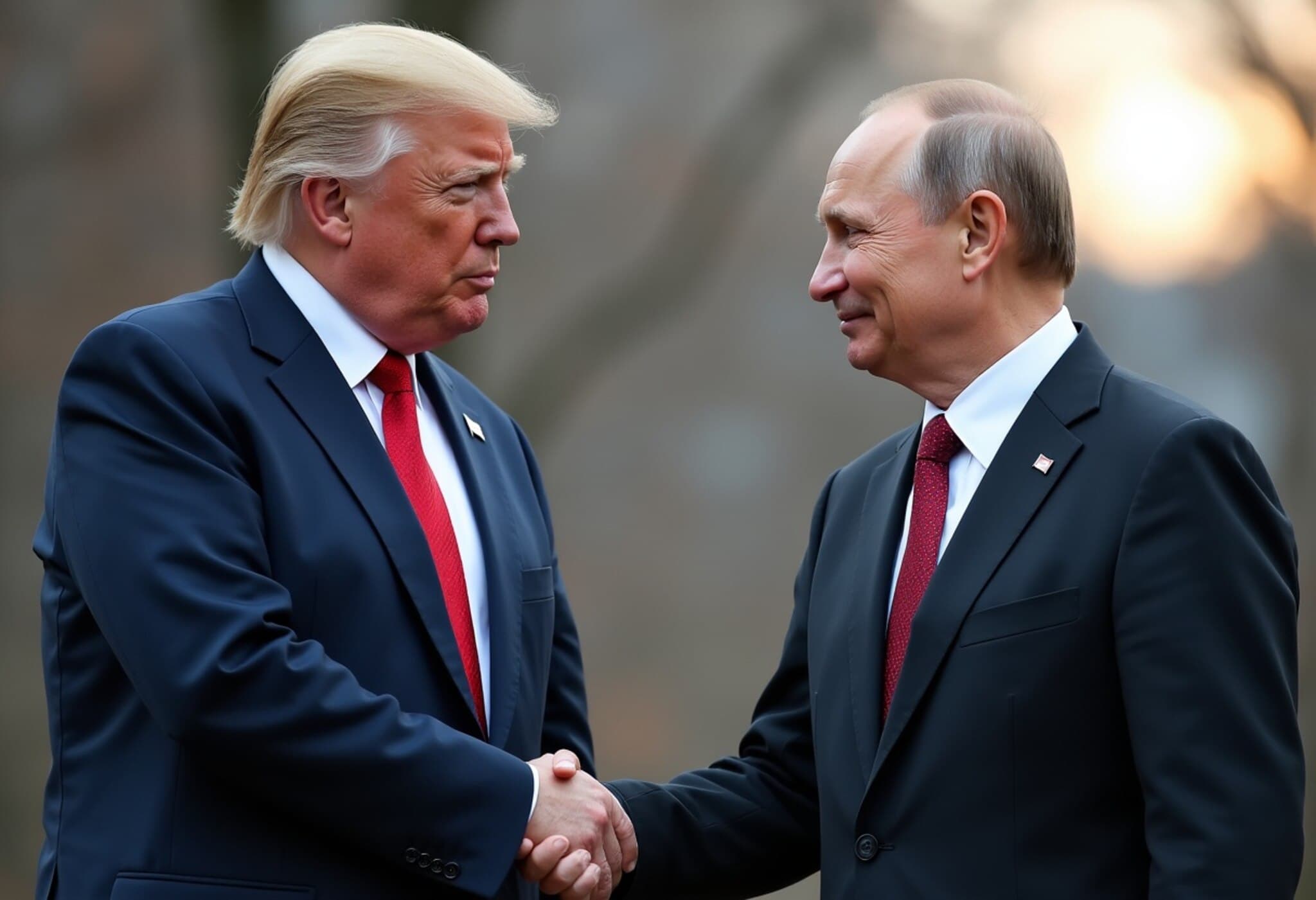
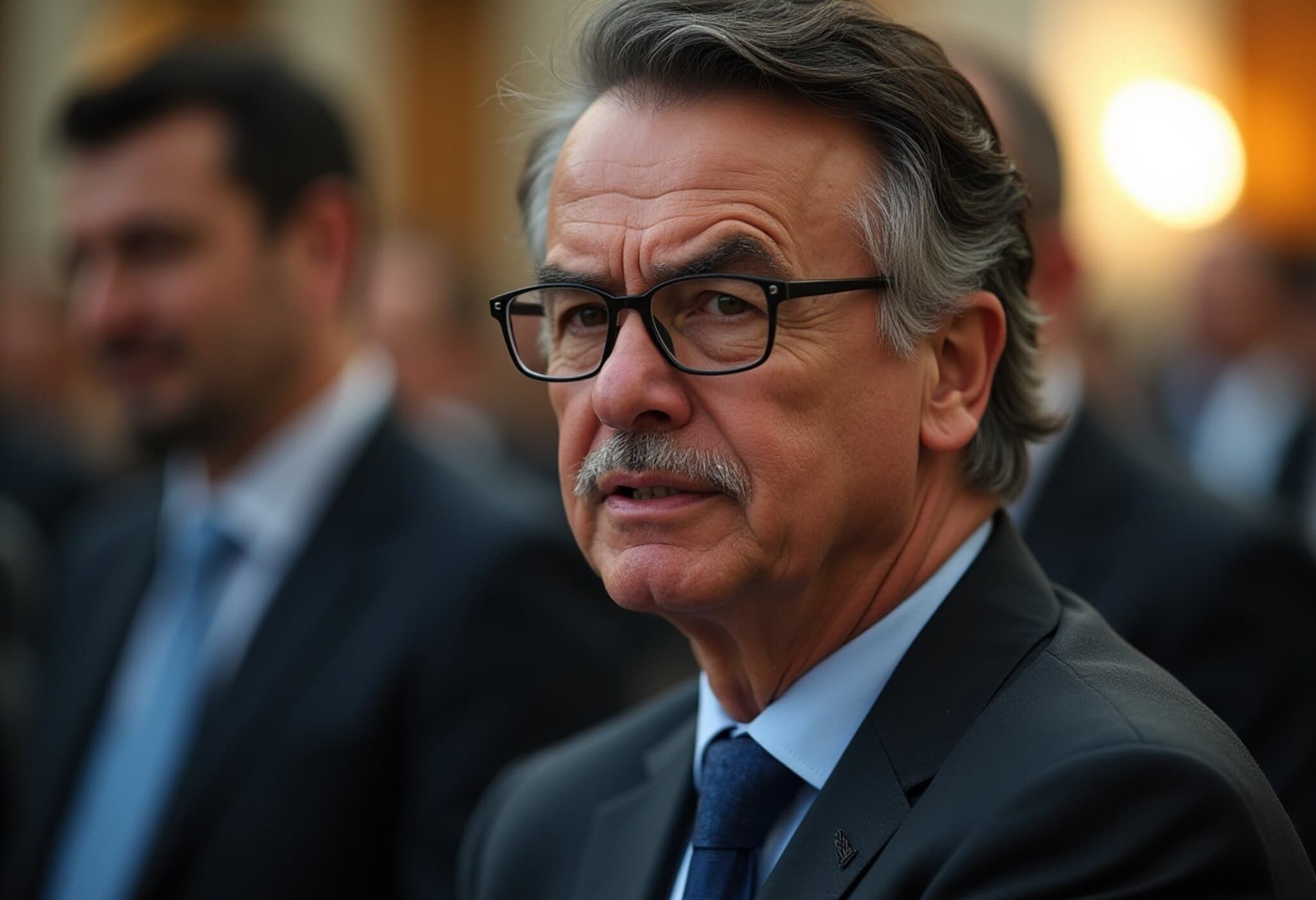
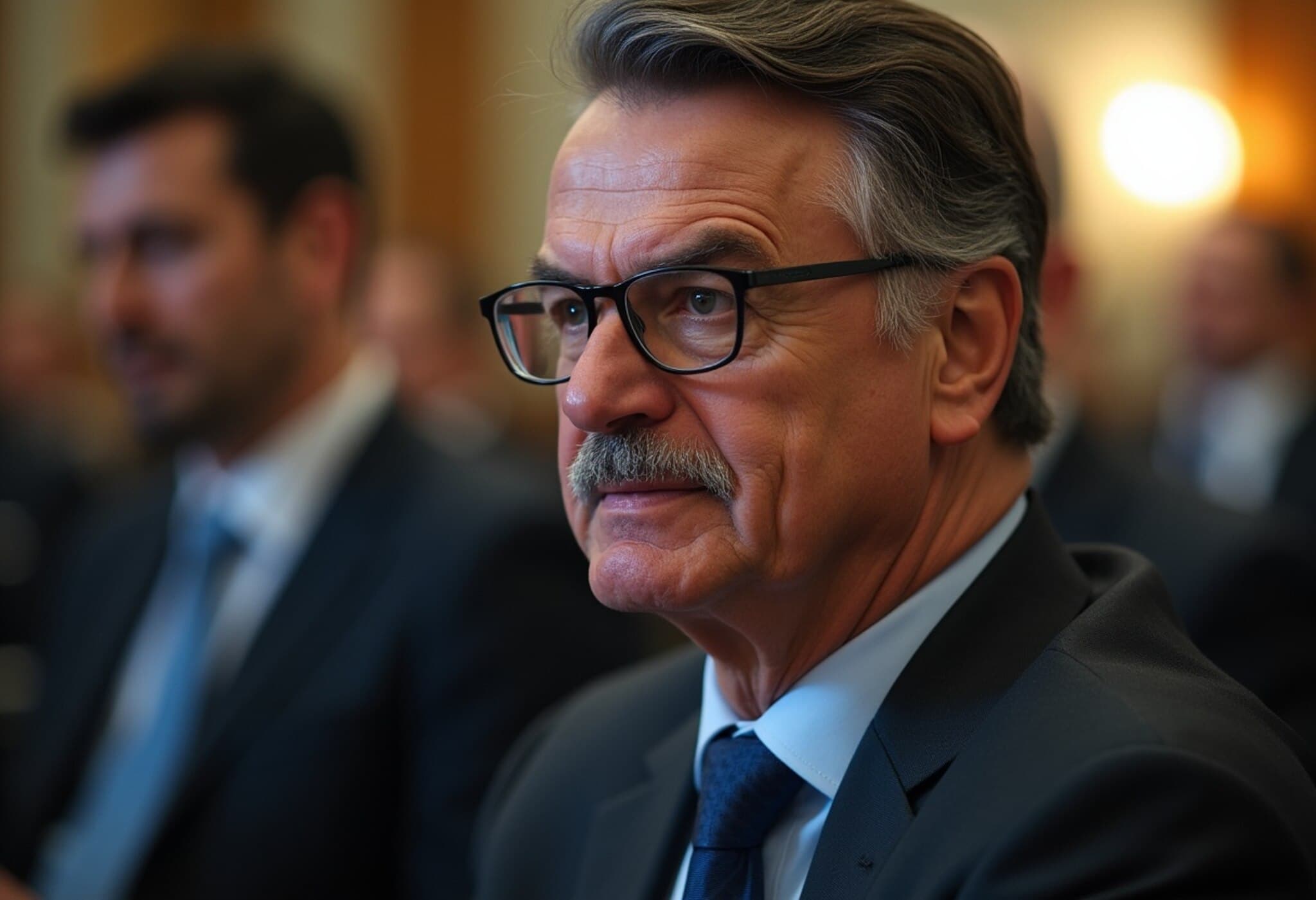
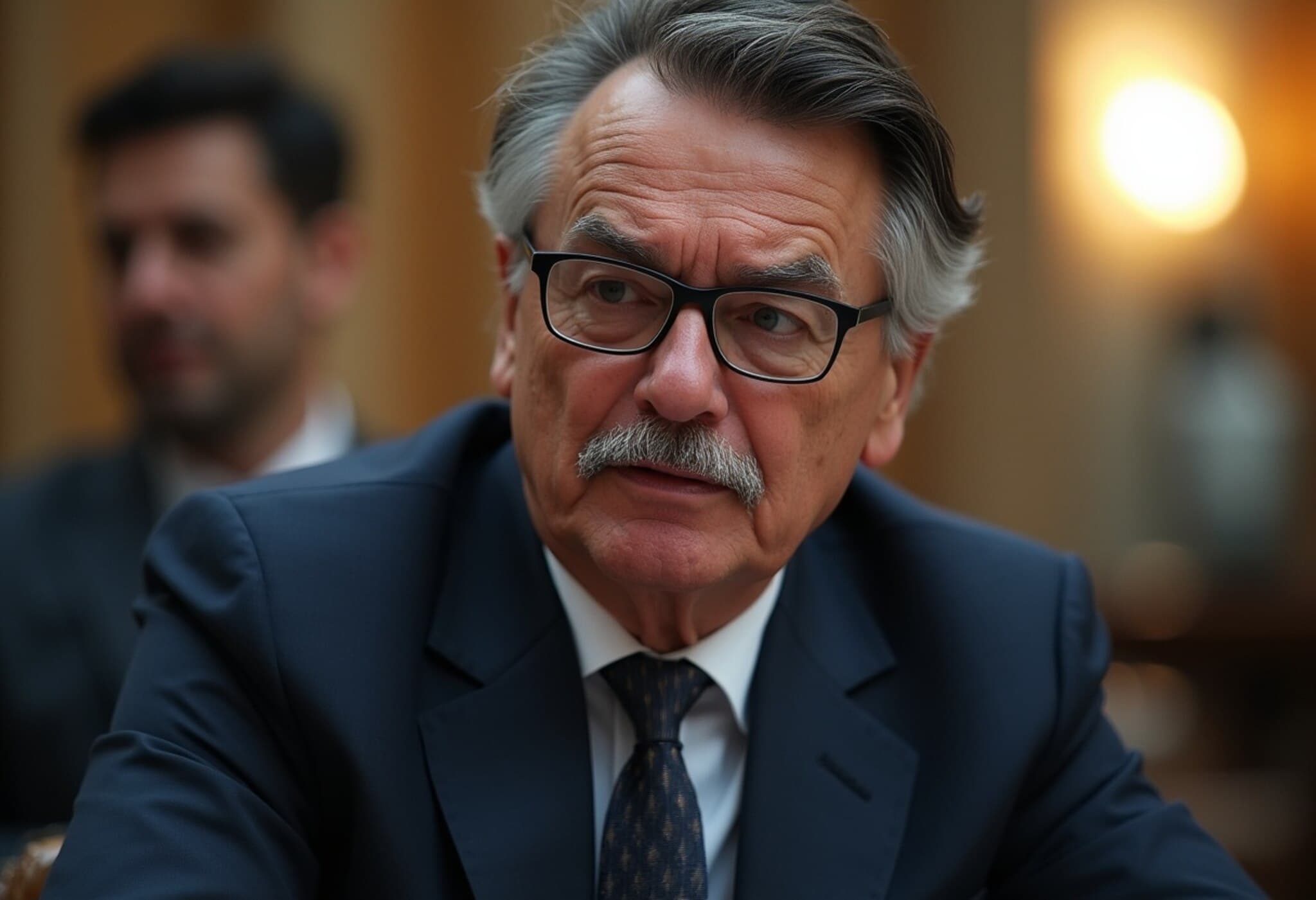
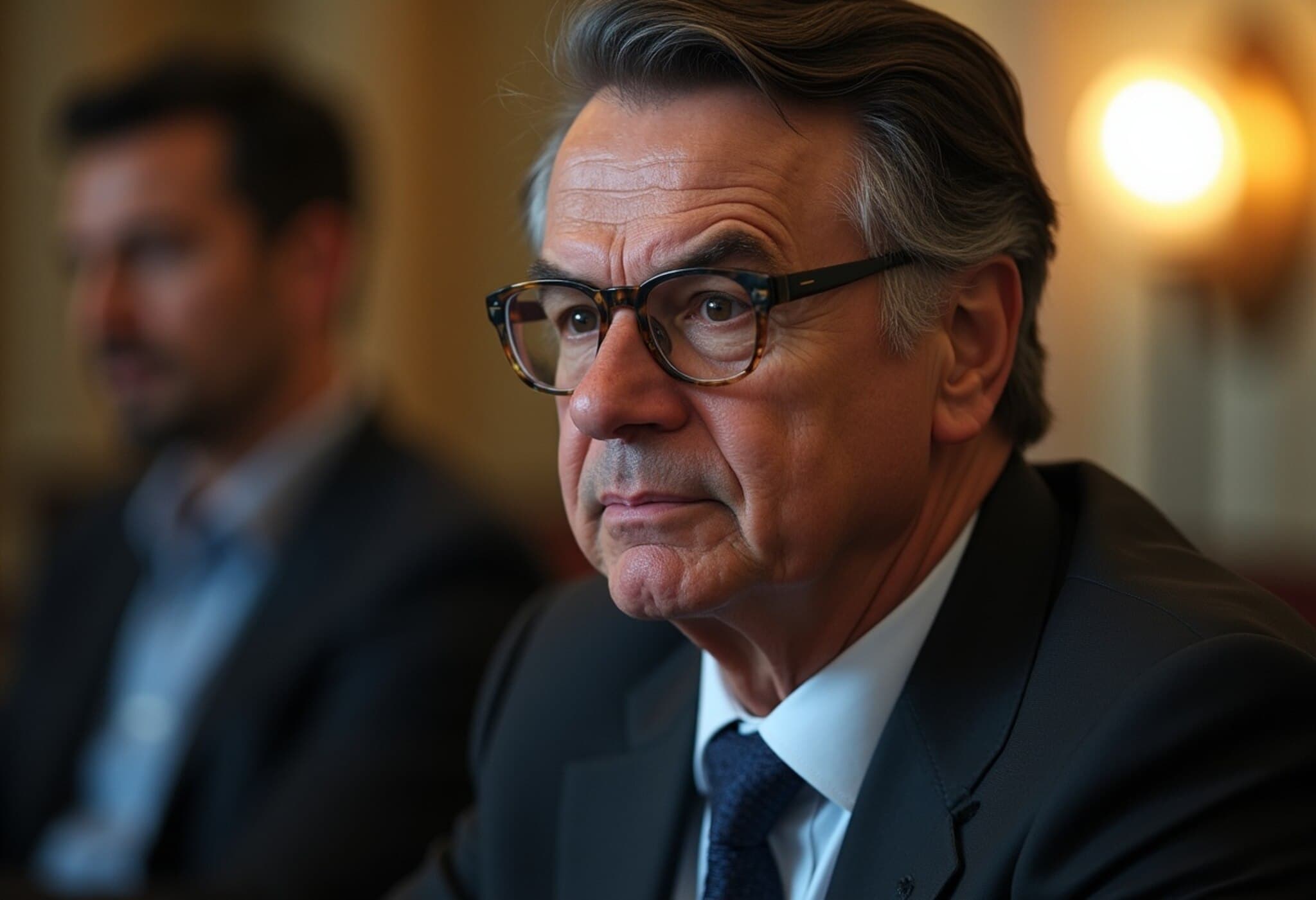
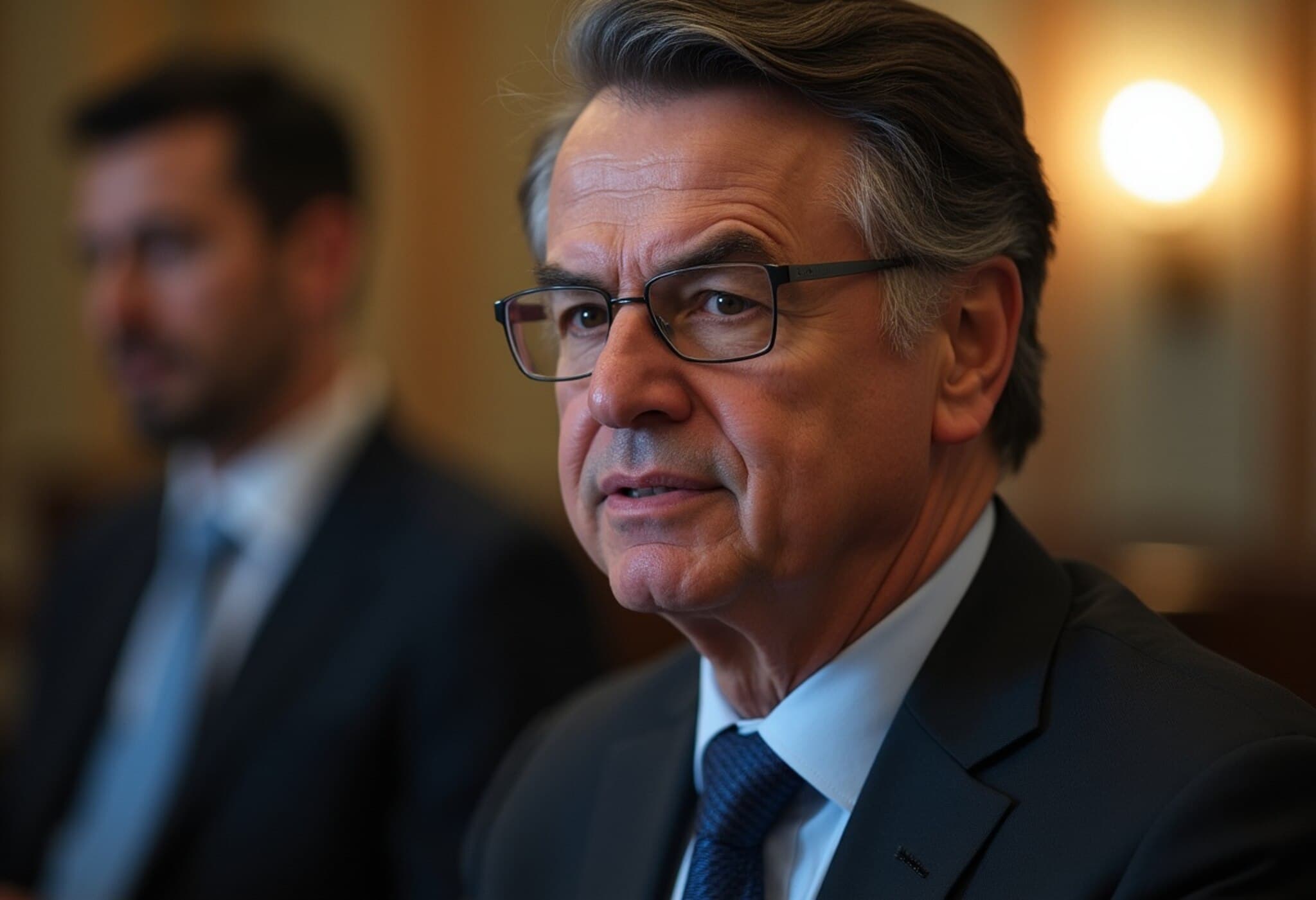
In a striking turn of events that underscores shifting geopolitical dynamics, former U.S. President Donald Trump’s attempts to protect his ideological ally, Brazil’s ex-president Jair Bolsonaro, have fallen flat. Bolsonaro, often dubbed the "Trump of the Tropics" for his right-wing populist style, is now behind bars, signaling a pivotal moment in Brazilian politics and an intriguing defeat for Trump’s international influence.
From Pressure to Capitulation
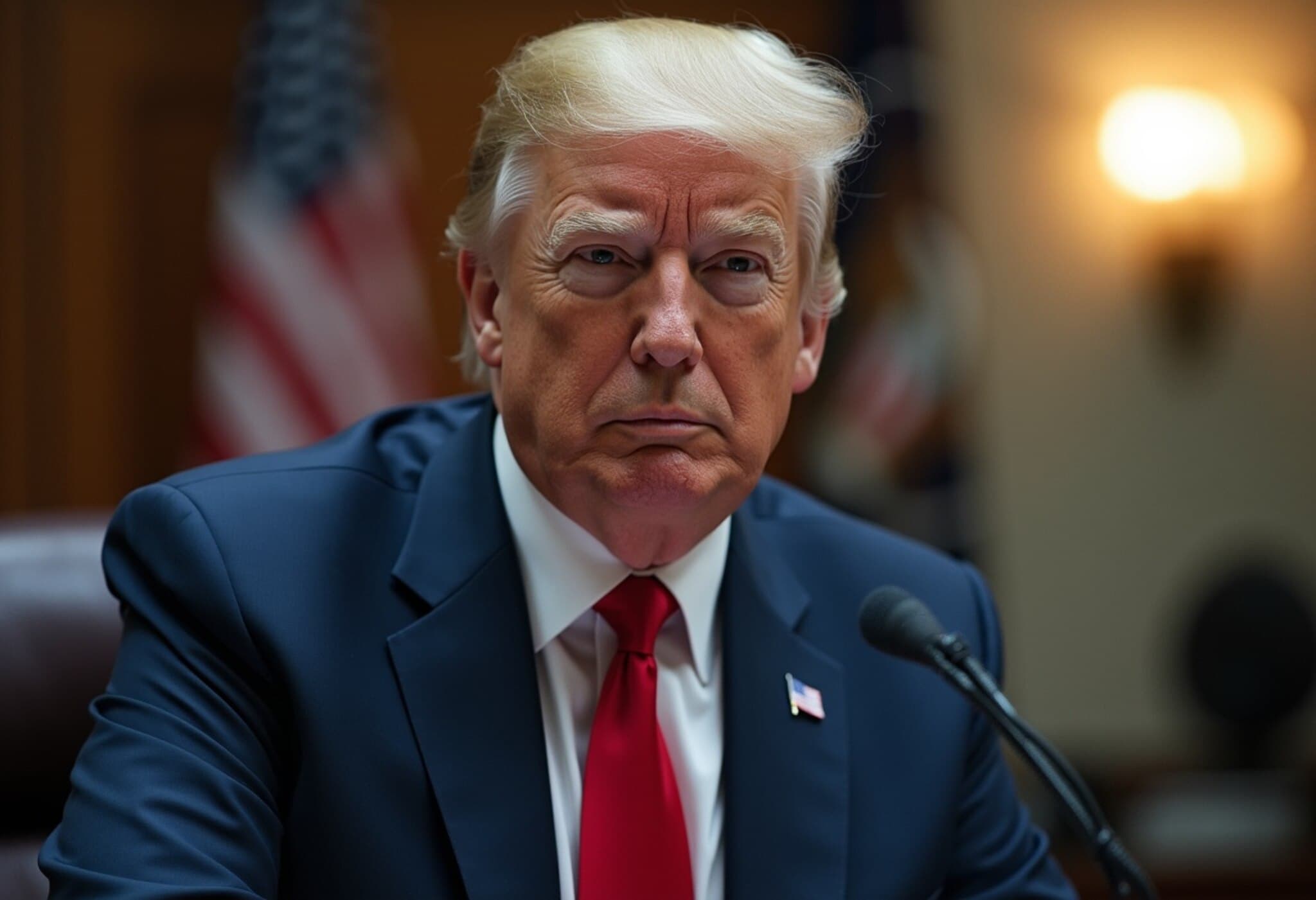
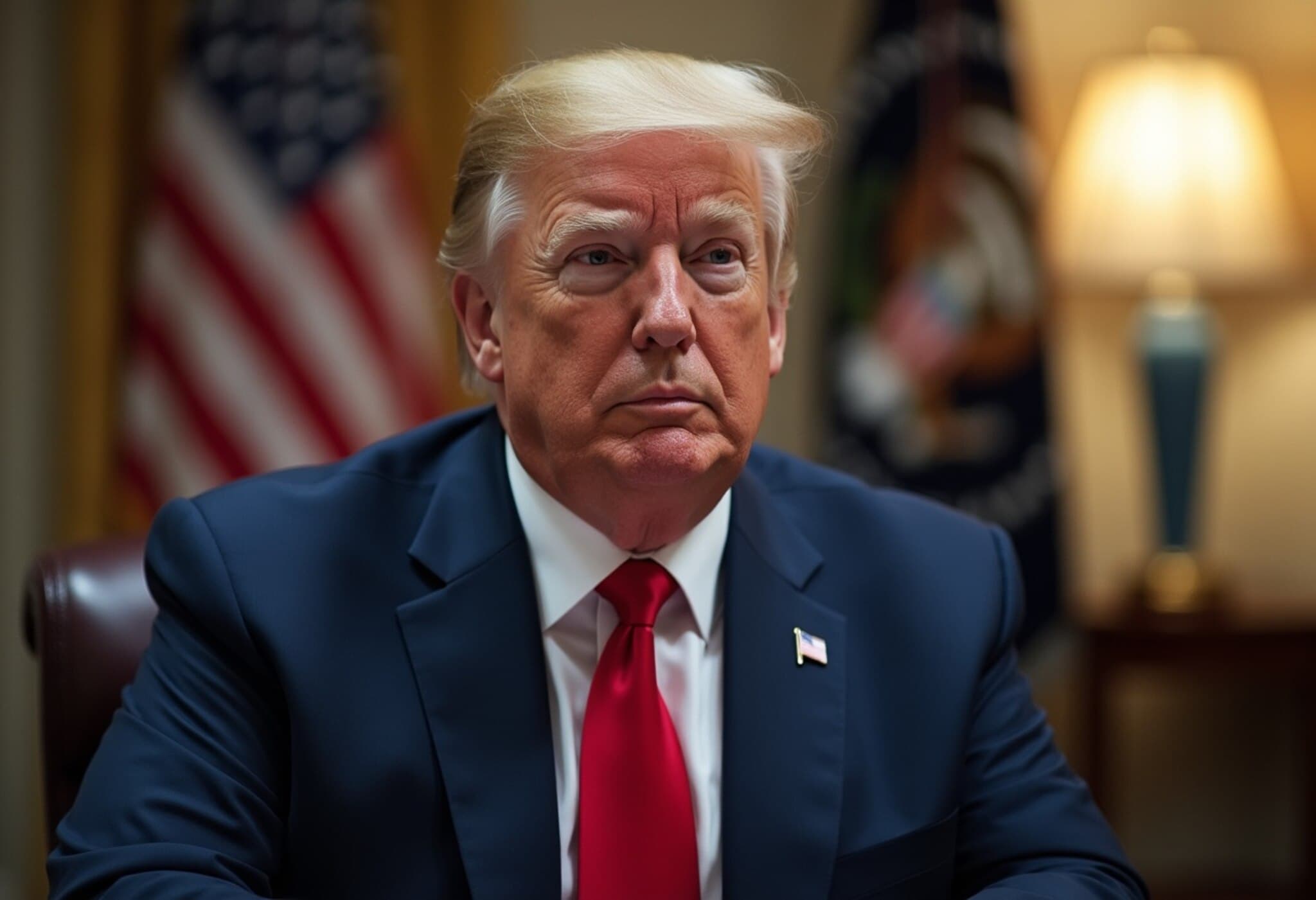
Just months ago, Trump actively intervened to halt legal proceedings against Bolsonaro, who faces serious charges linked to his tenure. In a bold diplomatic push this past July, Trump personally urged Brazil’s current president, Luiz Inácio Lula da Silva, to drop the case against Bolsonaro. Not stopping there, Trump wielded economic leverage — imposing tariffs on Brazilian imports and even threatening Brazil’s Supreme Court — in an unprecedented display of pressure.
However, the tides quickly turned. Bolsonaro, now 70, has begun serving time in prison as Brazilian institutions asserted their independence. Meanwhile, Trump’s aggressive posture softened, culminating in the recent removal of key tariffs and a notable diplomatic thaw with President Lula, reflecting a tacit acknowledgment of defeat.
What This Means for U.S.-Brazil Relations
The episode reveals several critical insights into modern international diplomacy:
- The Limits of America’s Influence: Even during Trump’s administration, pressured democratic institutions like Brazil’s judiciary remained resilient against foreign interference.
- Shifting Geopolitics of Latin America: Brazil’s assertive stance under Lula’s leadership underscores a rebalancing away from ideologically aligned autocracies toward rule-of-law driven governance.
- Trump’s Political Footprint Abroad: The saga reflects how closely linked Trump’s political fortunes remain to those of similar right-wing populists globally, and how those alliances can unravel dramatically.
Legal and Political Ramifications
Bolsonaro’s imprisonment for alleged electoral and corruption offenses has sent ripples through Brazil’s domestic landscape and beyond. Analysts see this as a watershed moment that may restore faith in Brazil’s judiciary after years of political turmoil. For the U.S., it raises questions about the ethical boundaries of exerting foreign pressure to influence domestic legal processes.
Moreover, this development challenges the global rise of populist leaders who seek to undermine institutions to cling to power after electoral defeats — a pattern seen across continents.
Expert Insights: Lessons for Global Democracy
Dr. Maria Alvarez, a Latin American politics scholar at Georgetown University, explains: "Brazil's judiciary demonstrating independence despite immense political pressure from both domestic and international actors reaffirms the strength of democratic institutions in the region. For the U.S., it's a reminder that short-term political alliances have limitations when confronted by rule-of-law commitments."
Similarly, Michael Thompson, a former U.S. diplomat specializing in Latin America, notes: "Trump’s tactics, which relied heavily on economic coercion, underestimated Brazil’s sovereign determination and Lula's diplomatic skill to navigate the crisis."
Summary and Implications
The unraveling of Trump’s attempts to shield Bolsonaro showcases the resilience of democratic institutions amid political and diplomatic pressure. It signals a broader trend in Latin America toward judicial independence and a rejection of autocratic influence. For U.S. policymakers and global observers, the episode offers a cautionary tale about the limits of wielding coercion in international relationships and the enduring power of domestic governance structures.
Editor’s Note
As Brazil moves forward with Bolsonaro’s incarceration, important questions persist: How will this influence Brazil's political landscape in the coming years? Will the U.S. recalibrate its approach to foreign allies facing legal scrutiny? And what lessons does this episode hold about safeguarding democracy amid rising populism? These are critical dialogues that policymakers, media, and citizens alike must engage with to better understand the evolving nexus of law, politics, and international relations.