
Mexico Emerges as America’s Leading Export Destination
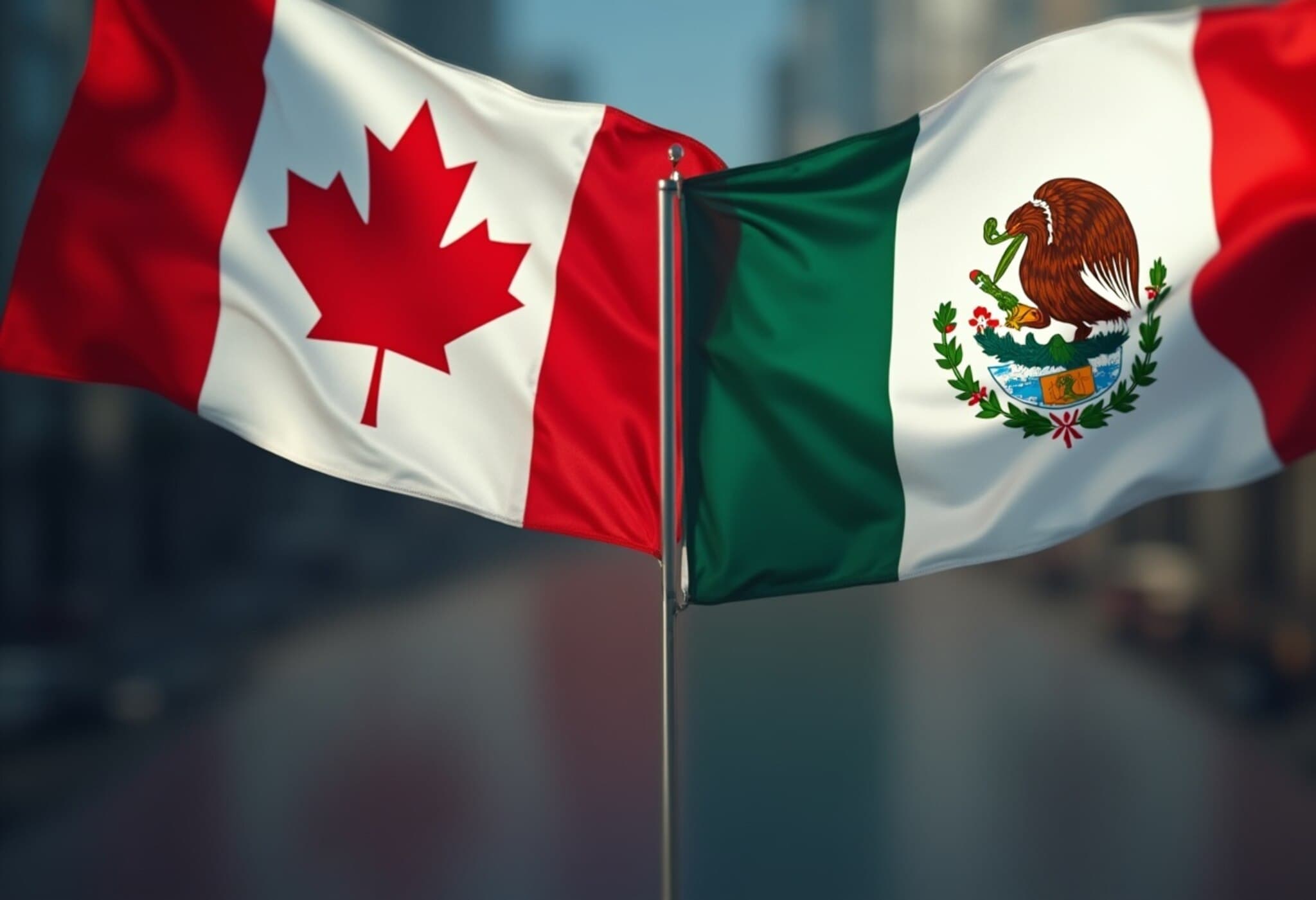
In a historic shift reflecting the evolving landscape of North American trade, Mexico has overtaken Canada as the largest buyer of American goods—a milestone not seen in three decades. New data released by the U.S. Commerce Department on November 19, 2025, reveals that Mexico's demand for U.S. exports has not only grown steadily but now eclipses that of its northern neighbor, underscoring the deepening economic interdependence between these two nations.
The Changing Dynamics of North American Trade
The United States exported approximately $1.4 trillion worth of products from January through August 2025, with Mexico accounting for $226.4 billion of that total—just surpassing Canada's $225.6 billion. This flip in purchasing power represents a significant recalibration of trade relationships that have historically favored Canada since the North American Free Trade Agreement (NAFTA) era and beyond.
Marcelo Ebrard, Mexico’s Secretary of Economy, emphasized the significance of this development during a recent press conference, stating, "Mexico is the United States’ main trading partner." This declaration captures the mutual reliance built through decades of manufacturing integration, supply chain collaboration, and shared economic goals.
Factors Fueling Mexico’s Rise as Top U.S. Customer
- Manufacturing and Supply Chains: Mexico’s role as a manufacturing hub has grown, especially in automotive, electronics, and aerospace sectors, requiring extensive U.S.-sourced inputs.
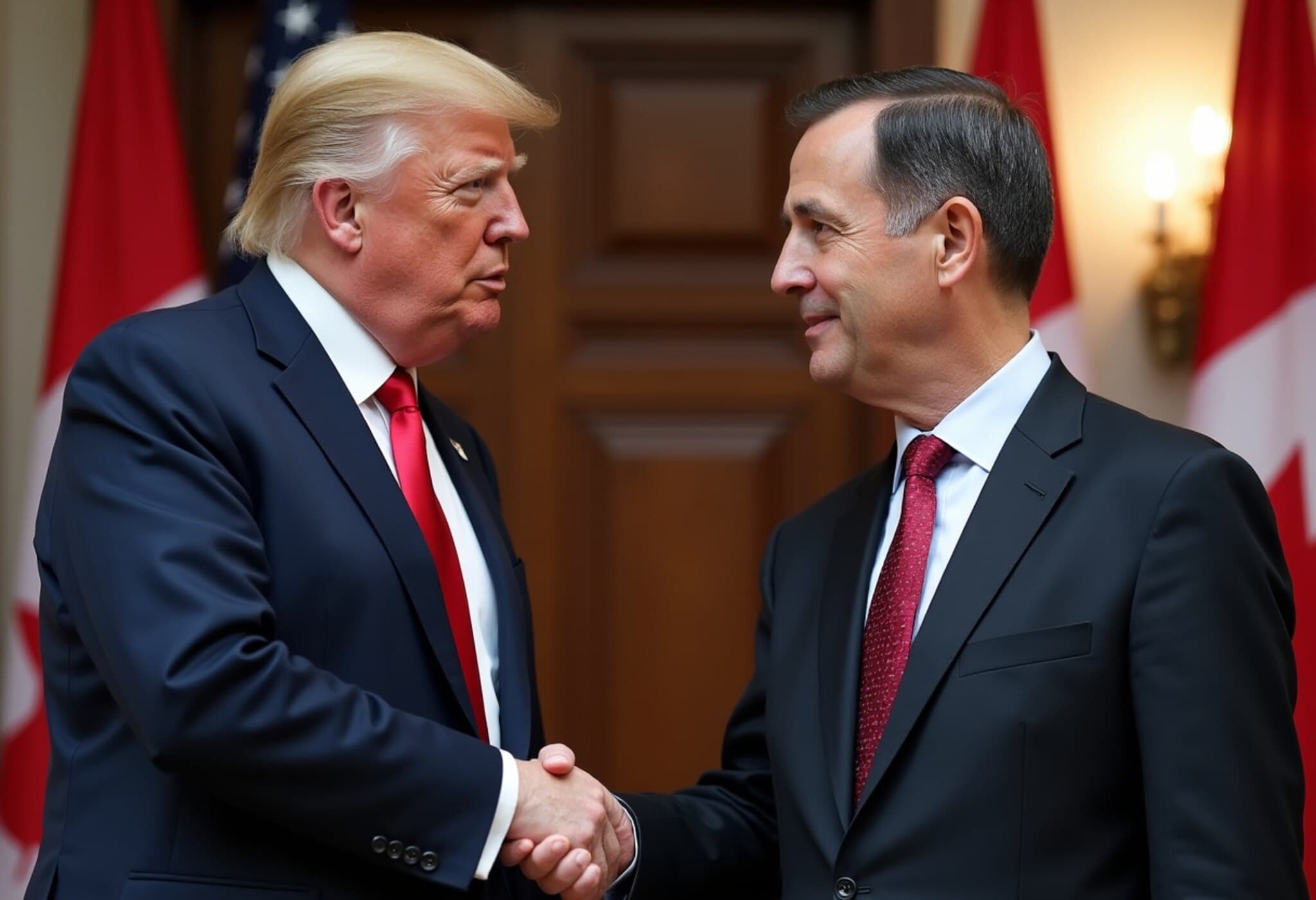
- Policy and Diplomatic Agreements: Negotiations between President Trump and Mexican leaders, including President Claudia Sheinbaum, established favorable terms that shielded Mexico from some tariffs imposed globally, unlike Canada.
- Trade Policy Turbulence: Since 2023, global tariffs from nearly 90 countries have influenced trade flows, with U.S. tariffs affecting Canadian exports more severely than Mexican.
- Geopolitical Shifts: As supply chains diversify beyond China, Mexico has solidified its position as a key trading partner due to geographic proximity and competitive costs.
Canada’s Evolving Role and Challenges
For decades, Canada was considered the United States’ top export market, benefiting from close economic ties and similar regulatory frameworks. However, tensions during the Trump administration — marked by tariff disputes and renegotiations of trade agreements — have strained this relationship, slowing export growth to Canada.
Canada still imported about $349.4 billion worth of U.S. goods in 2024, nearly matching Mexico’s $334 billion that same year. Yet, gradual shifts in industry focus and tariff regimes have eroded Canada’s lead.
Expert Insight: What This Means for U.S. Trade Policy
This shift signals more than just numbers on a spreadsheet; it highlights the United States’ strategic pivot toward more regionalized and resilient trade frameworks. Economic analysts suggest that Mexico’s ascendance may foster deeper collaboration but also poses risks if over-reliance on one partner develops, especially amidst potential political changes or economic disruptions.
Additionally, this dynamic reflects a broader trend in globalization—companies are increasingly valuing supply chain agility and geographic proximity over outsourcing to distant regions. With U.S. policymakers now balancing trade diplomacy carefully across North America, such changes could inform future bilateral agreements and investment incentives.
Looking Ahead: The North American Trade Landscape in Flux
As Mexico cements its role as the top U.S. export destination, both countries stand to gain from continued cooperation and innovation. However, Canada is unlikely to fade from the picture, as it remains a vital partner in energy, technology, and other sectors.
This evolution invites broader questions about the future of NAFTA’s successor, the United States-Mexico-Canada Agreement (USMCA), and how each country can capitalize on its strengths to thrive in the rapidly shifting global economy.
Editor’s Note
The milestone of Mexico surpassing Canada in U.S. export purchases marks a fundamental moment in North American trade history—one that reflects changing industrial patterns, trade policies, and geopolitical factors. For policymakers, business leaders, and citizens alike, the challenge will be to navigate these changes to foster sustainable, equitable economic growth across the continent.
As this story unfolds, critical questions remain: How will future administrations address trade balances and tariffs? Could Mexico’s rise reshape U.S. labor markets or manufacturing strategies? And what role will technology and sustainability play in defining trade partnerships moving forward?
Understanding these nuances is essential to grasping the full picture behind what might initially appear as mere export statistics.