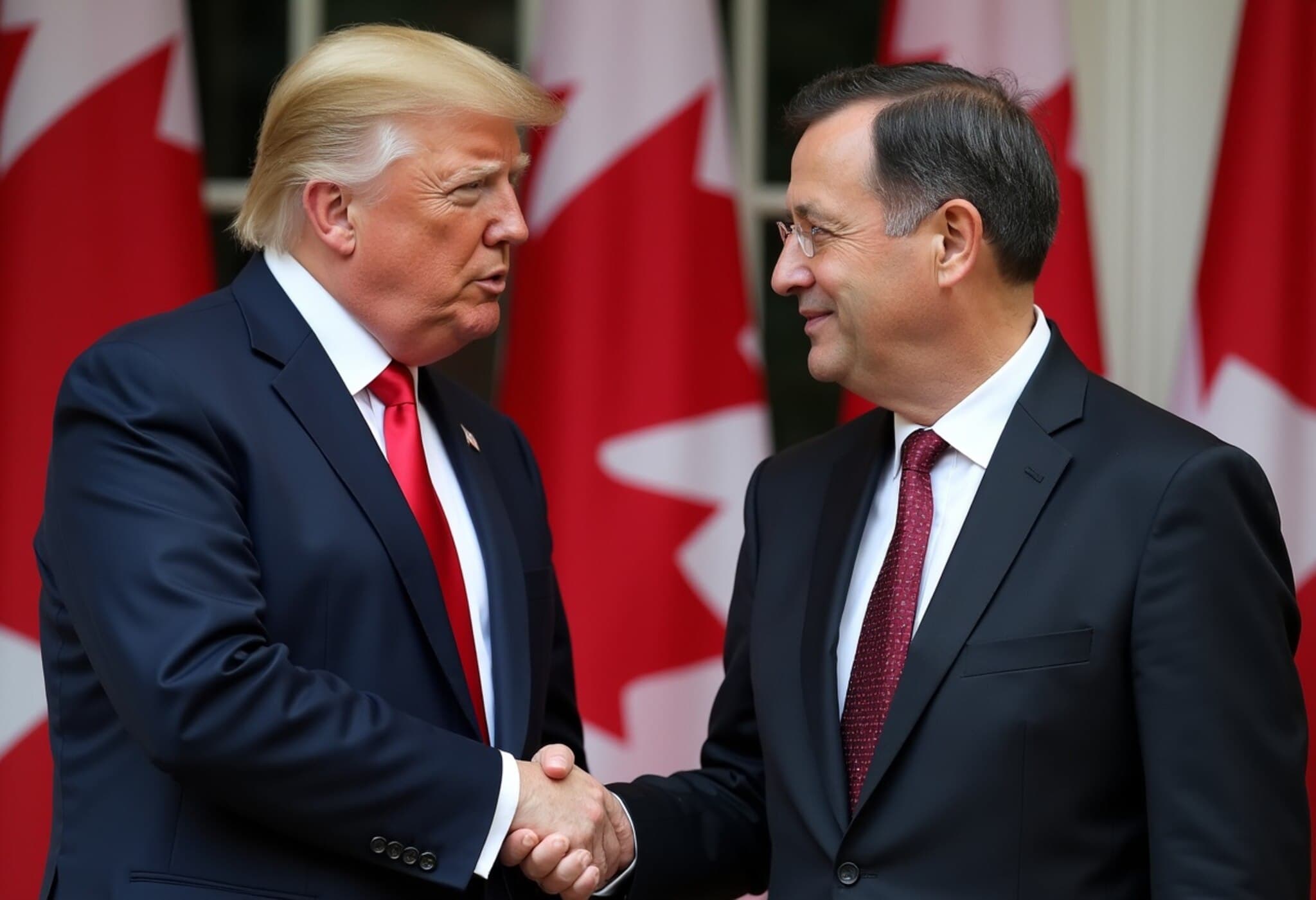

Canada Takes Strategic Steps Amid Deteriorating US Trade Relations
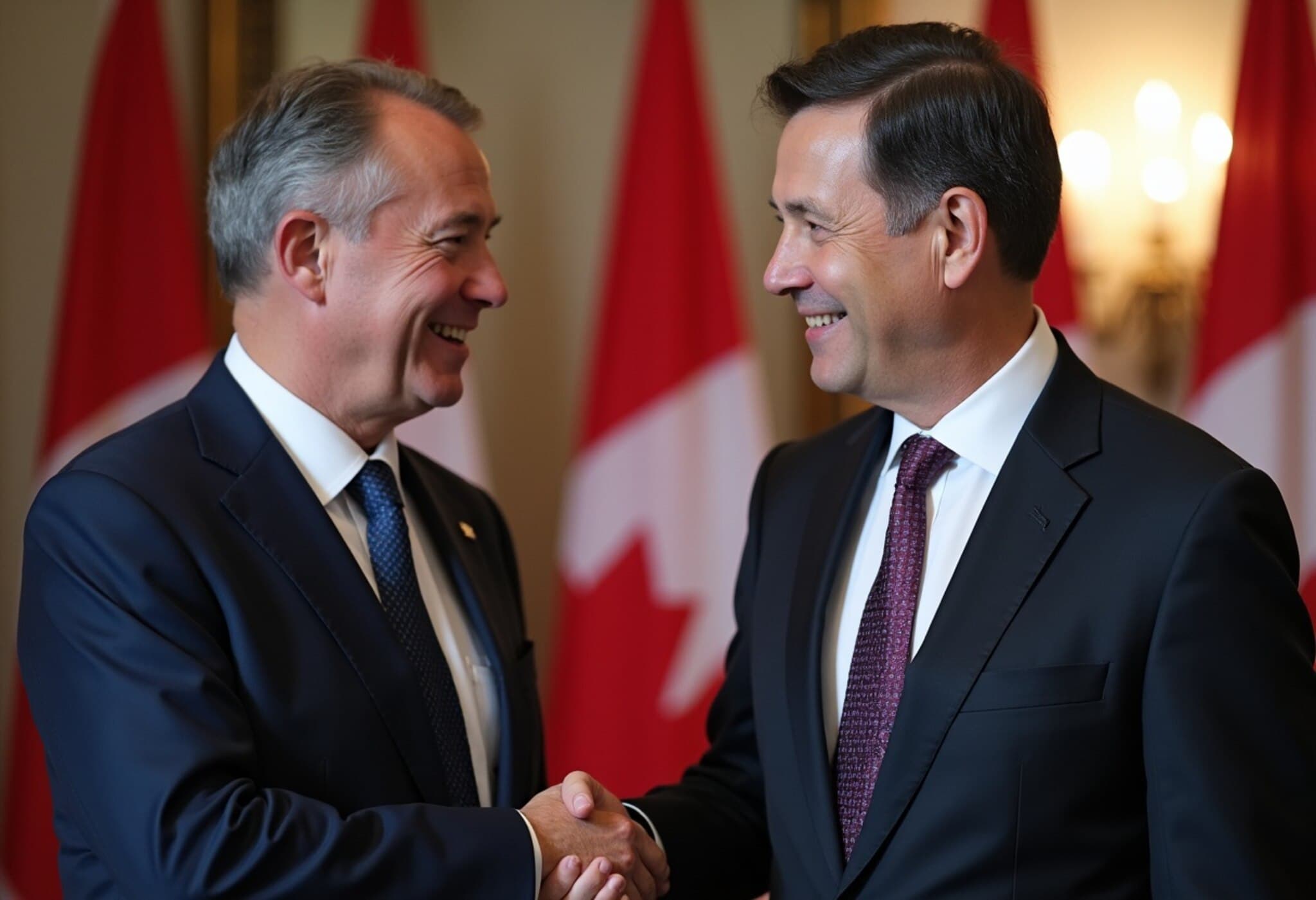
In the wake of mounting uncertainty surrounding a potential trade agreement with the United States, Canadian Prime Minister Mark Carney unveiled a suite of bold measures on November 26, 2025, aimed at bolstering Canada's steel and lumber sectors—industries heavily disrupted by President Trump’s aggressive tariff policies. This announcement signals Canada’s pragmatic pivot from hopeful diplomacy to active economic safeguard and market diversification.
Steel Tariffs and Import Controls: A Tactical Shift
Among the key initiatives, Canada will impose a 25% tariff on certain steel products, such as prefabricated buildings, wire, and fasteners, many of which are predominantly sourced from the U.S. This move accompanies a reduction in the permissible volume of foreign steel imports from countries without free-trade agreements with Canada, notably China. The government already levies a 25% tariff on U.S. steel, reinforcing a firm stance against unfair trade practices.
Supporting Domestic Industry with Freight Subsidies and Worker Retraining
To ease logistics and operational costs for Canadian manufacturers, the government will subsidize rail freight for steel and lumber, cutting shipping expenses by half within Canada. Recognizing the immediate impact on labor, Carney’s administration allocated $100 million dedicated to retraining workers affected by decreased demand in these sectors.
Additionally, a prior program that reimbursed steel duties for farmers and food processors will sunset at the end of January 2026. Officials expect these stakeholders to transition towards sourcing domestic steel products, thus strengthening internal supply chains.
Trade Tensions and Political Realities
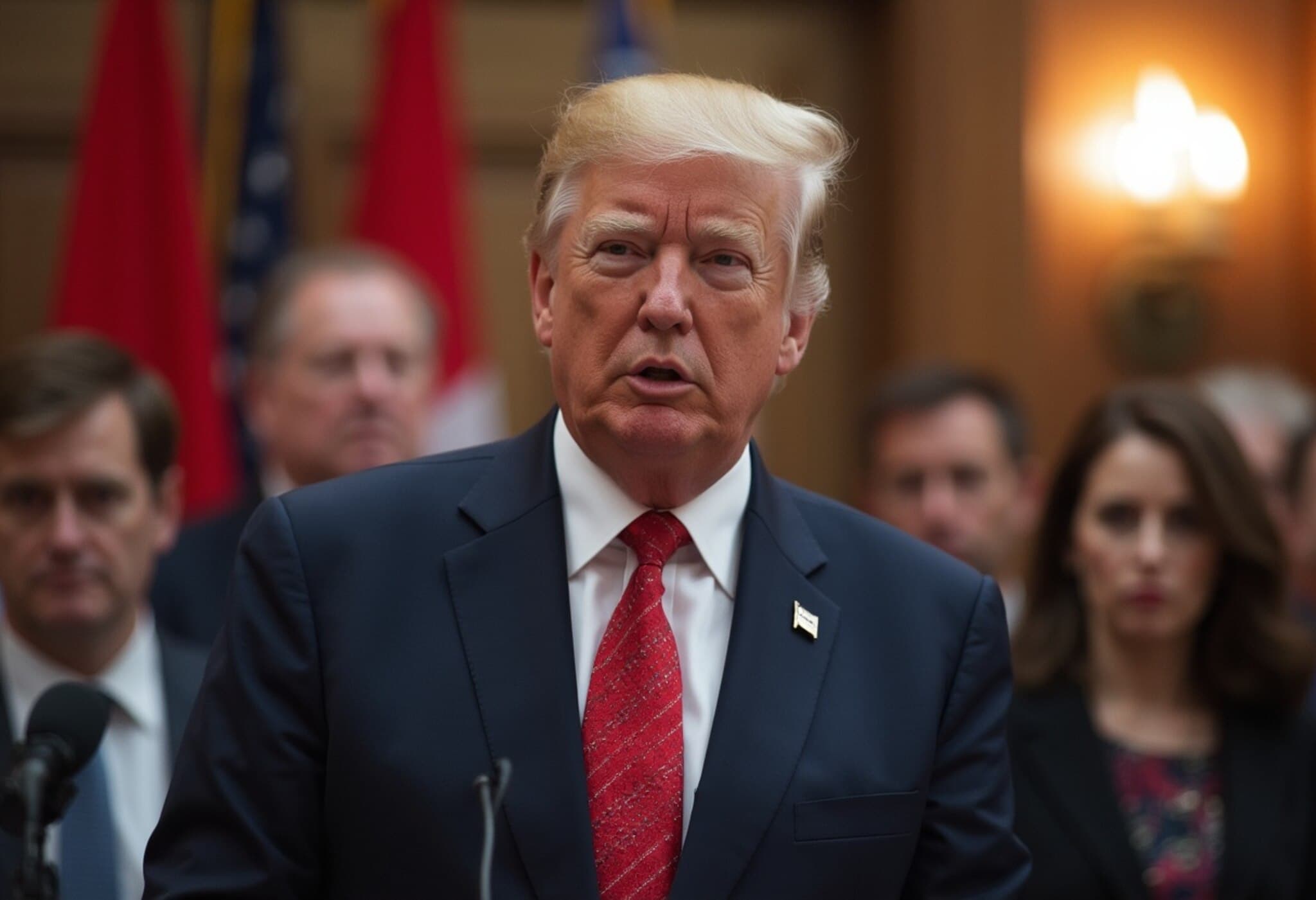
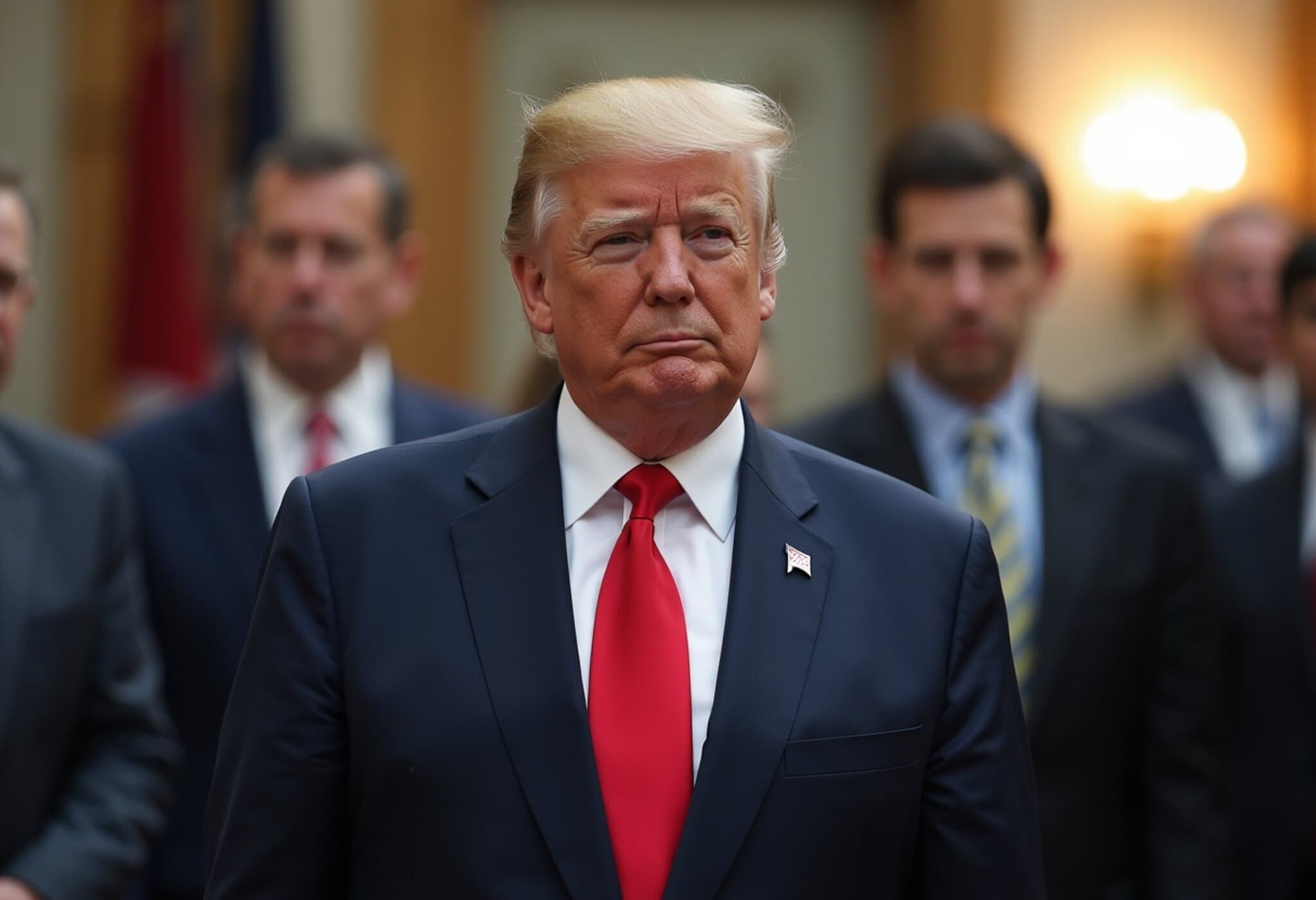
Carney’s announcement comes after a period of heated negotiations and public friction that saw initial optimism fade. Talks on steel and aluminum tariffs, once nearing resolution during a high-profile meeting in South Korea, were abruptly halted. This followed President Trump’s controversial endorsement of Ontario’s anti-tariff advertisement featuring former President Reagan, which strained diplomatic goodwill.
Despite President Trump’s threats, some tariffs on Canadian exports have not been fully enacted, though tariffs on steel, aluminum, automobiles, and softwood lumber—vital to Canada’s economy—remain high, reaching up to 50%. While many Canadian goods still flow tariff-free under the U.S.-Mexico-Canada Agreement (USMCA), these sector-specific tariffs continue to inflict economic strain.
A Focus on Resilience and Diversification
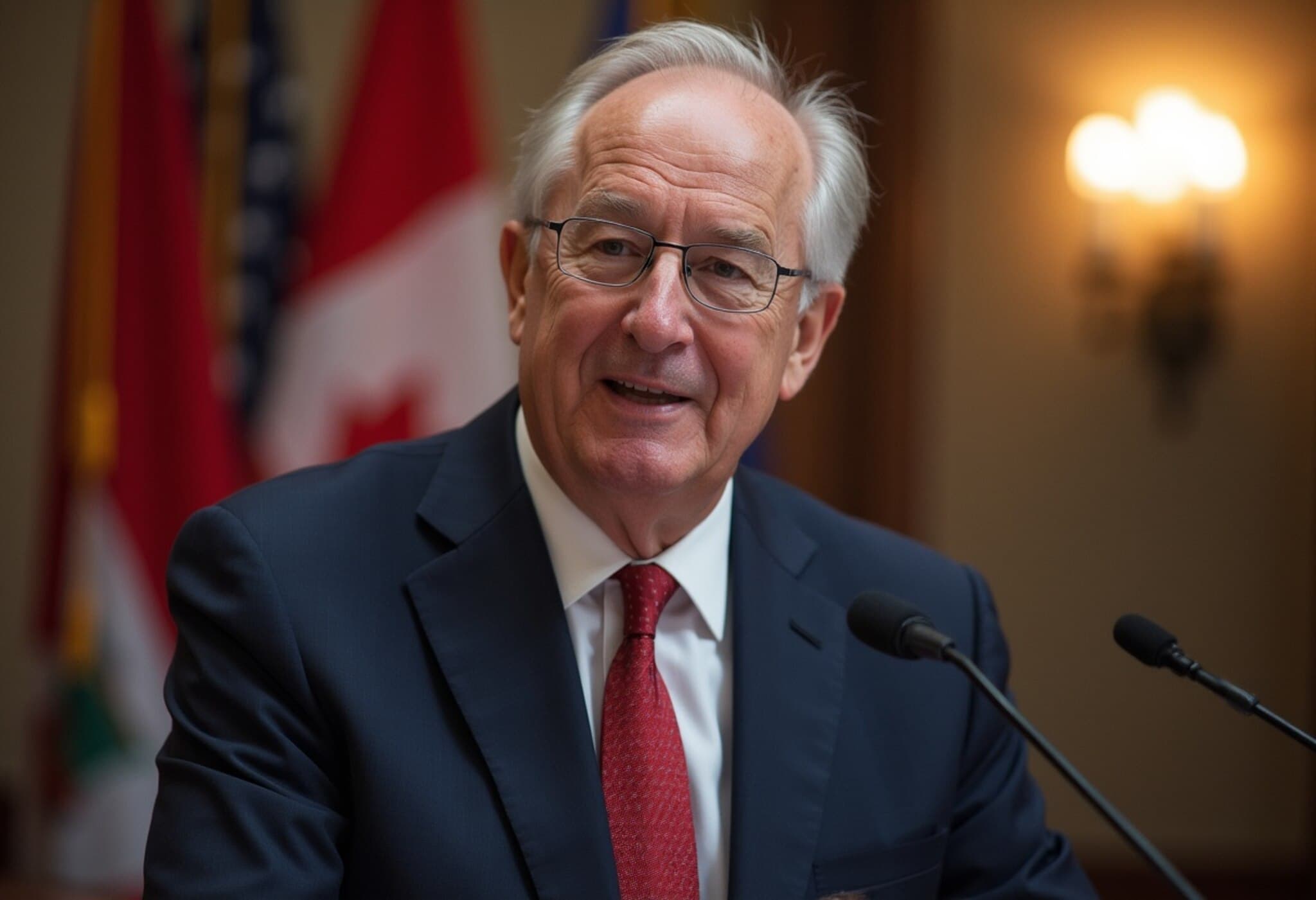
Carney emphasized, “This government will do whatever it takes to protect our sectors—not just protect them, but help them reposition for the new global economy.” This statement reflects a growing consensus among Canadian policymakers: the need to reduce dependency on U.S. markets and intensify efforts to tap into emerging international markets amid ongoing trade tensions.
Automotive Sector Challenges Remain Unaddressed
Notably absent from the recent measures were new policies concerning the automotive sector, despite ongoing disruptions—including Stellantis’ decision to shift production from suburban Toronto to Illinois, and General Motors’ reduction of shifts at an Ontario truck plant. These developments underscore the broader impact of tariffs and highlight a critical area requiring future policy attention.
Looking Ahead: Diplomacy and Domestic Strategy
While Carney maintains openness to renewed dialogue, acknowledging a recent but inconsequential phone exchange with President Trump, no active negotiations are underway. His upcoming visit to Washington, where he will engage in matters related to hosting the World Cup alongside the U.S., may create further opportunities for dialogue.
Expert Insight: Trade analyst Dr. Evelyn Parker notes, “Canada’s blended approach of imposing counter-tariffs while cushioning domestic industries through subsidies and retraining programs is a pragmatic move. It hedges against the unpredictability of U.S. trade policy while fostering long-term resilience. However, the unresolved pressures on the automotive sector could have lasting repercussions on employment and manufacturing competitiveness if left unaddressed.”
Summary
As hopes for a swift trade deal with the United States dim, Canada puts forward a comprehensive set of measures aimed at cushioning the tariff blow and repositioning vital industries for the evolving global landscape. The road ahead will demand nimble diplomacy balanced with robust domestic strategies to ensure economic stability and growth.
Editor’s Note
Canada's strategic response to U.S. tariffs underscores the complex interplay between trade diplomacy and domestic economic realities. While tariffs serve as blunt instruments of trade policy, their ripple effects compel governments to adopt multifaceted responses—ranging from protective tariffs and subsidies to workforce retraining and market diversification. How Canada navigates these challenges will be crucial not just for its economy but also for shaping North American trade relations in a fractious geopolitical climate.