Venezuela's Political Turmoil: Opposition Leader’s Claims Ignite Debate Over US Intervention
In the charged atmosphere surrounding Venezuela’s ongoing political crisis, Maria Corina Machado, a Nobel Peace Prize laureate and prominent opposition figure, has brought fresh controversy by making bold assertions about President Nicolás Maduro’s alleged criminal enterprises and their implications for US national security.
Exaggerated Allegations or Legitimate Security Concerns?
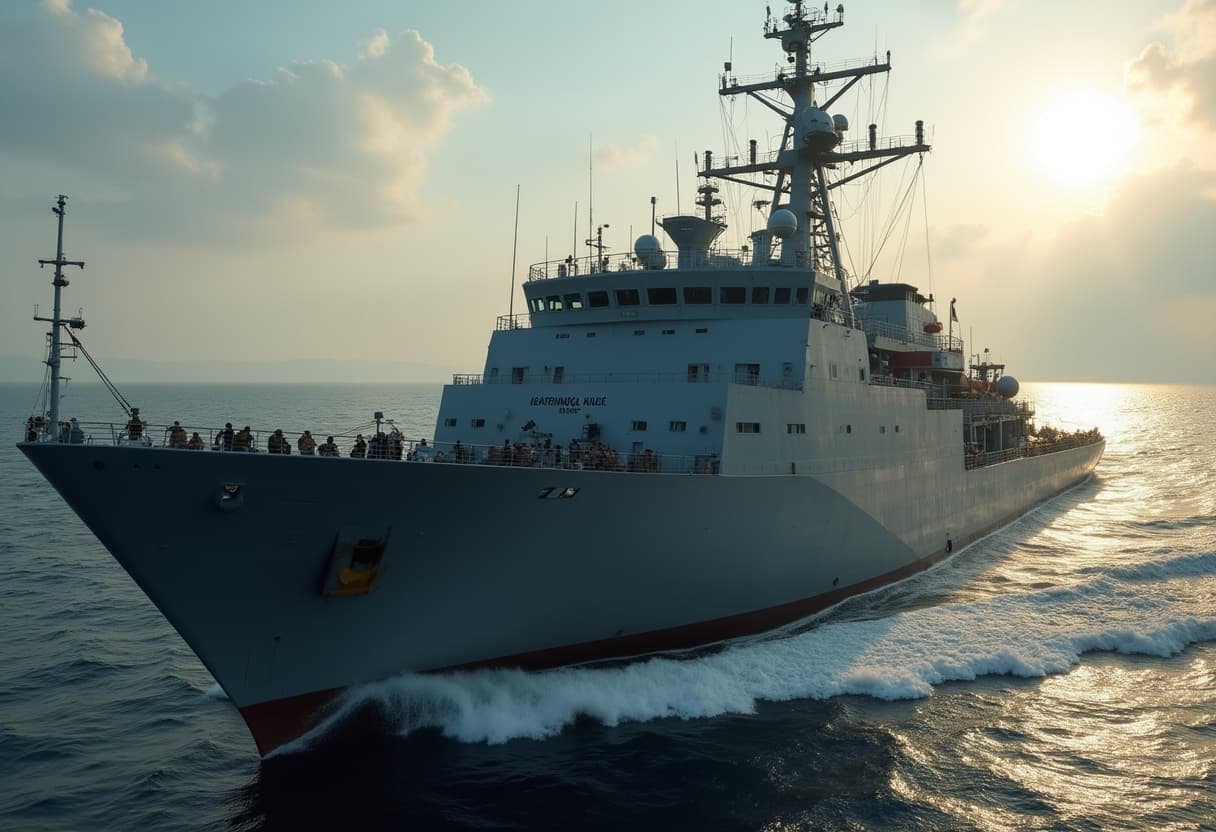
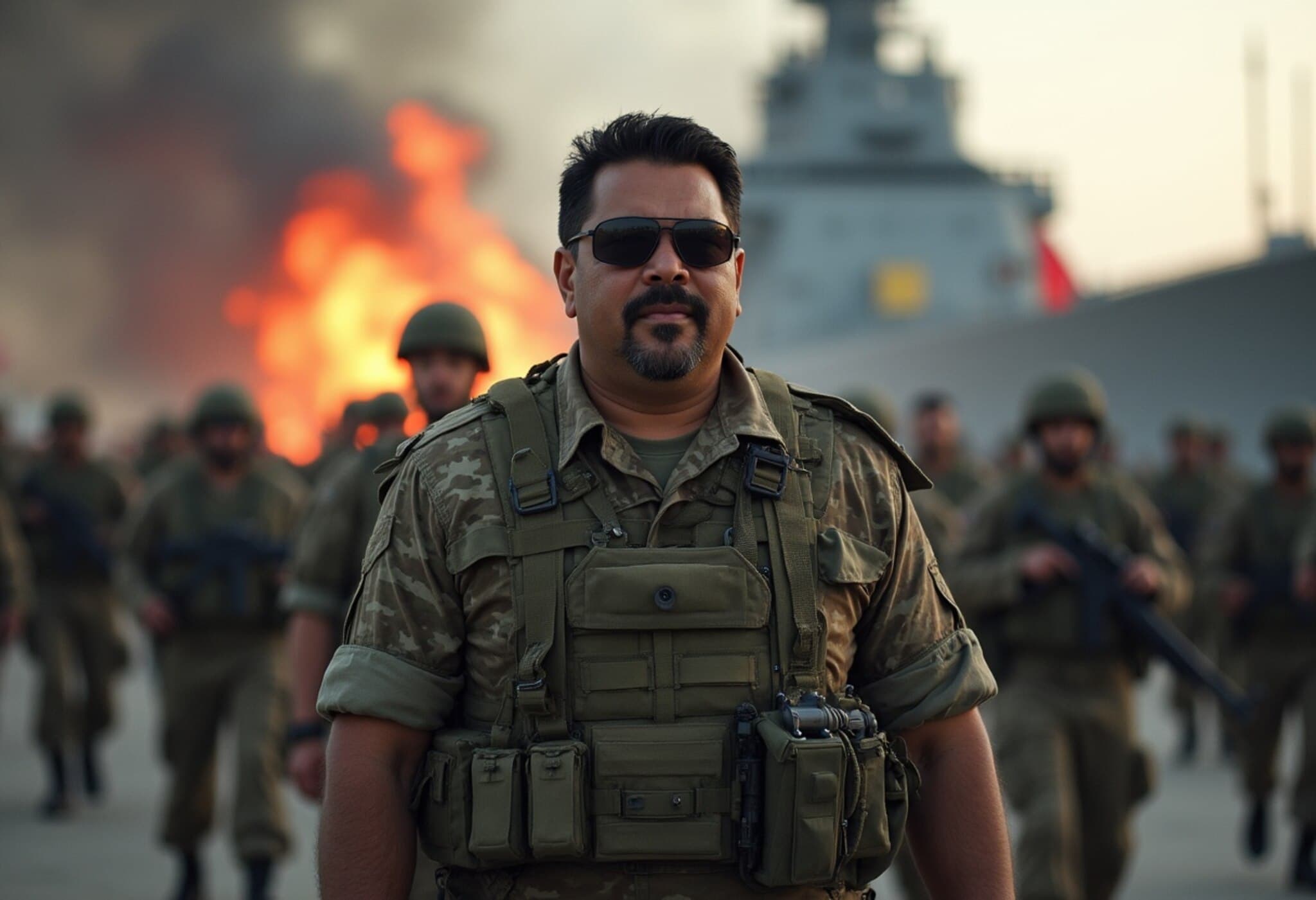
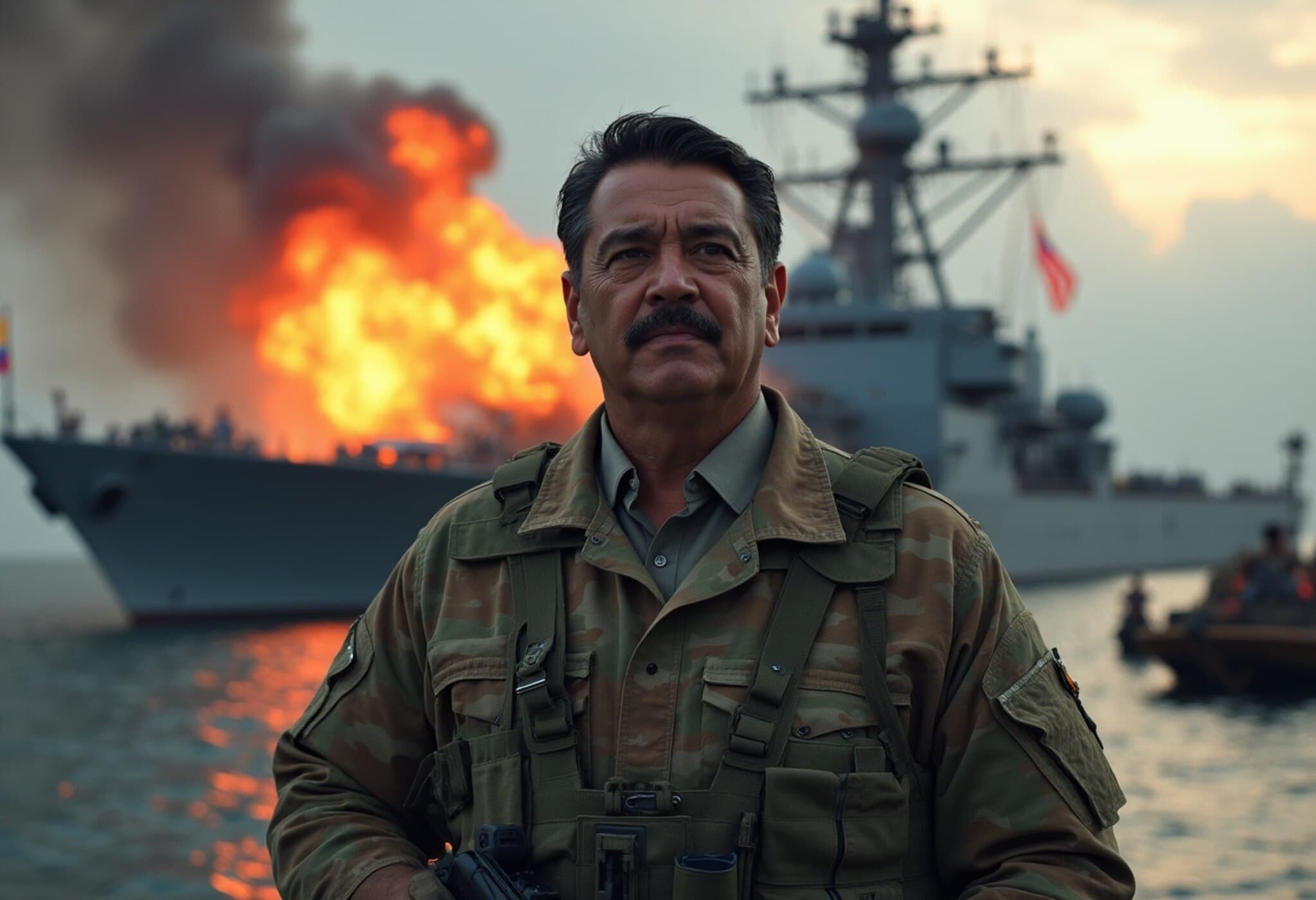
Machado contends that Nicolás Maduro leads two significant drug trafficking networks—Tren de Aragua and the Cartel de los Soles—which, according to her, pose a direct threat to the United States. These claims have found resonance within the Trump administration, which has designated these groups as terrorist organizations and cited them to justify maritime strikes on vessels suspected of narcotics trafficking. Since September, US forces have targeted 21 boats, resulting in the deaths of at least 83 individuals.
However, her statements, particularly those suggesting Maduro orchestrated interference in the United States 2020 elections, have drawn criticism from former diplomats and even some high-profile opponents of Maduro. Many warn these narratives risk inflating threats beyond verified intelligence, potentially paving a premature path towards military intervention.
Political Alignments and the Toll for Venezuelan Democracy
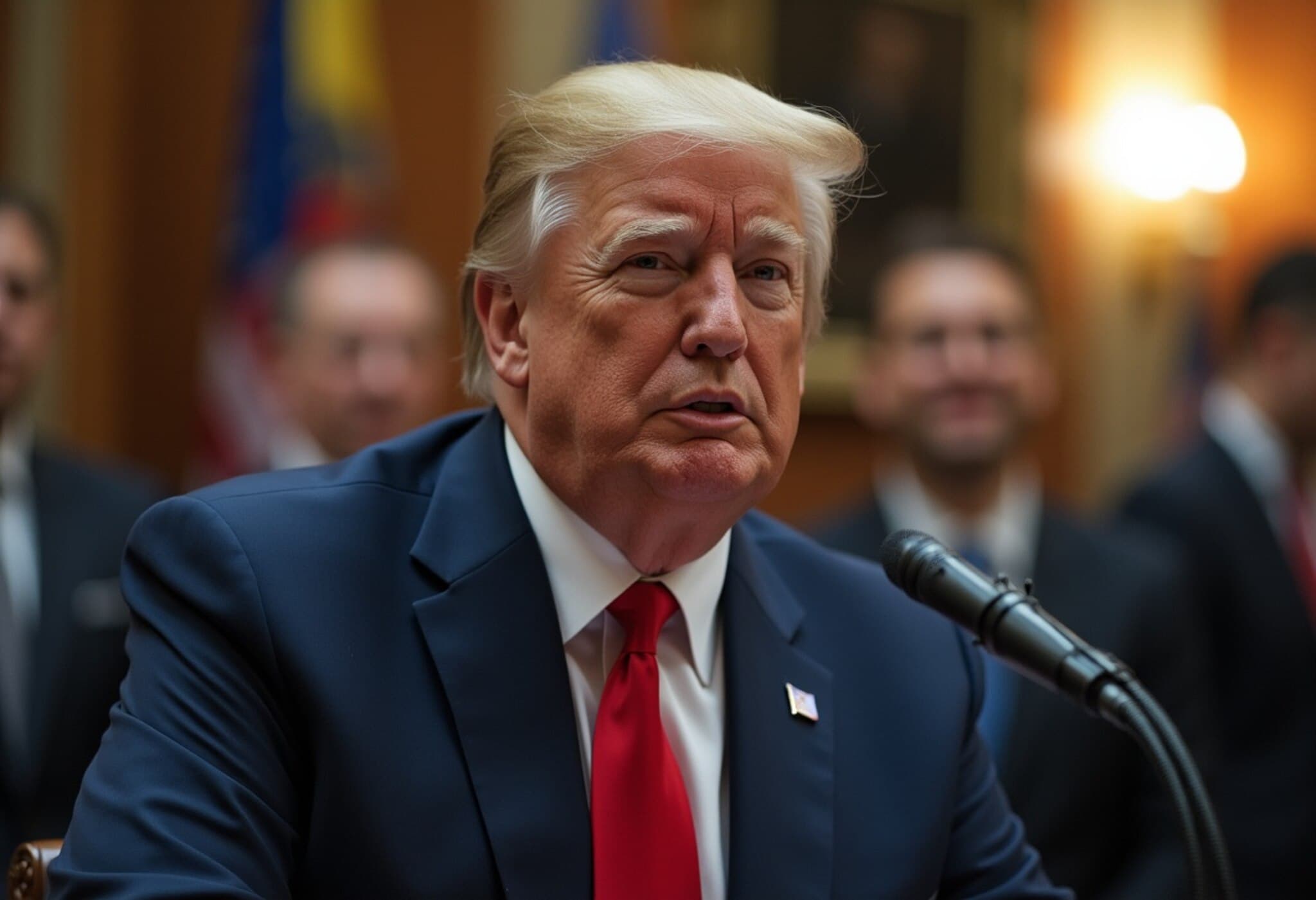
Machado’s alignment with former President Trump’s rhetoric marks a significant moment in Venezuela’s fragmented opposition. This alliance underscores the complex intersection of domestic governance issues in Venezuela with international geopolitical tensions. The opposition’s strategy to capitalize on US anxieties about election security and narcotrafficking might mobilize support, but it also risks oversimplifying a nuanced crisis.
Experts caution that the invocation of armed conflict status against alleged "narco-terrorists" sets a legal precedent with far-reaching consequences. It raises critical questions about sovereignty, the legitimacy of unilateral action, and the ethical boundaries of counter-narcotics operations intertwined with political objectives.
What Lies Beneath the Headlines?
- Underreported Voices: Moderate Venezuelan actors and civil society groups urging a diplomatic approach often receive less attention amid the louder calls for force.
- Regional Impact: Venezuela’s crisis continues to reverberate across Latin America, affecting migration patterns and regional security dynamics.
- US Policy Dilemma: Balancing the fight against drug trafficking with upholding international law remains a contentious issue in Washington.
Looking Forward: Implications for US-Venezuela Relations
As the debate continues, the stakes are high for both Venezuelan citizens and US policymakers. Should the US choose intervention based on contested intelligence and opposition claims, it risks deepening instability in a country already grappling with severe economic and humanitarian challenges.
Smart policy advocates urge a more measured approach that incorporates comprehensive intelligence verification, engagement with diverse Venezuelan stakeholders, and consideration of long-term regional stability.