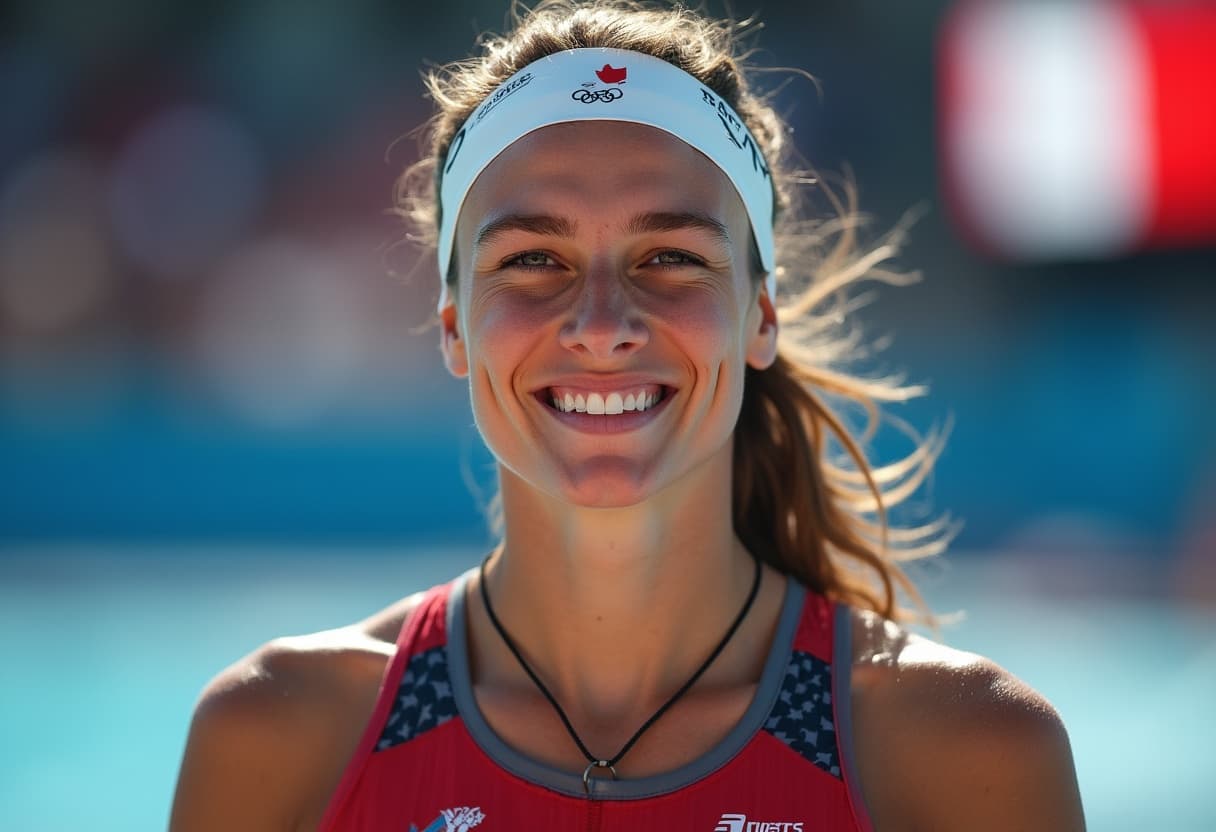
Canadian Swimming Star Penny Oleksiak Receives Two-Year Suspension
Penny Oleksiak, one of Canada’s most celebrated Olympians and the nation’s youngest Olympic gold medalist, faces a two-year ban from competitive swimming due to violations of anti-doping regulations—not from testing positive for banned substances, but for failing to adhere to the strict whereabouts reporting requirements.
What Led to Oleksiak’s Suspension?
At just 25 years old and having amassed seven Olympic medals, Oleksiak has built an illustrious career in the pool. However, between October 2024 and June 2025, she failed to provide her precise location details three times within a 12-month period, meaning she was unavailable for unannounced doping tests mandated by the International Testing Agency (ITA), a respected independent nonprofit overseeing anti-doping worldwide.
This failure to comply with the 'whereabouts rule'—which requires athletes competing at elite levels to submit daily schedules and a guaranteed 60-minute window for testing—has led to her suspension until July 14, 2027. This suspension period ends just in time for the 2028 Summer Olympics in Los Angeles, allowing Oleksiak a potential comeback.
The Importance of the Whereabouts Rule
Experts emphasize the whereabouts rule as a cornerstone of anti-doping efforts. Jean-François Naud, head of the Doping Control Laboratory in Laval, Canada’s sole WADA-accredited testing lab, highlights the system's role as a powerful deterrent against doping:
- Continuous accessibility enables out-of-competition testing to catch doping attempts.
- Detailed location reporting (including temporary stays such as hotels) maintains a high level of transparency.
- Failing to comply risks severe sanctions, as seen in Oleksiak’s case.
These rigorous protocols preserve the integrity of competitive sports and ensure a level playing field for athletes globally.
Replacing Triumph with Trial: Oleksiak’s Journey
Oleksiak rocketed to fame at the 2016 Rio Olympics, earning four medals at just 16 years old and quickly becoming a symbol of Canadian sporting excellence. Her brother, Jamie Oleksiak, also draws national attention as a National Hockey League player.
Yet, this suspension marks a challenging chapter. Phoebe Balshin, Oleksiak’s spokesperson, clarified: “This matter is not related to drug use. Penny is and has always been a clean athlete. She remains committed to her goals and looks forward to competing again once her suspension is complete.”
Implications for Canadian Sports and the Athlete’s Future
The suspension raises broader questions about athlete education and support systems in meeting anti-doping compliance requirements. Observers note that elite athletes face intense pressure balancing training, competition, and administrative obligations such as whereabouts filings. This case may prompt national bodies, including Swimming Canada, to enhance resources ensuring athletes avoid such procedural violations.
While Oleksiak voluntarily accepted a suspension in July 2025 during the investigation, it remains uncertain if she plans to appeal the ruling through the sport’s arbitration processes.
Her suspension concludes approximately one year before the 2028 Los Angeles Olympics, providing a potential timeline for preparation if she returns to competition.
Editor’s Note
Oleksiak’s suspension underscores the often overlooked complexities of anti-doping enforcement. Compliance is more than avoiding banned substances—it demands meticulous attention to procedural rules designed to uphold fairness in sport. This situation invites reflection on how governing bodies can support athletes amidst these challenging compliance landscapes. With the eyes of a nation upon her, Oleksiak’s resilience and commitment to clean competition will undoubtedly shape her comeback narrative.
For Canada, a country proud of its sporting heroes, ensuring athletes like Oleksiak receive both strict oversight and empathetic guidance will be key to sustaining international success with integrity.