Poland’s President Nawrocki Blocks Extension of Refugee Welfare Benefits
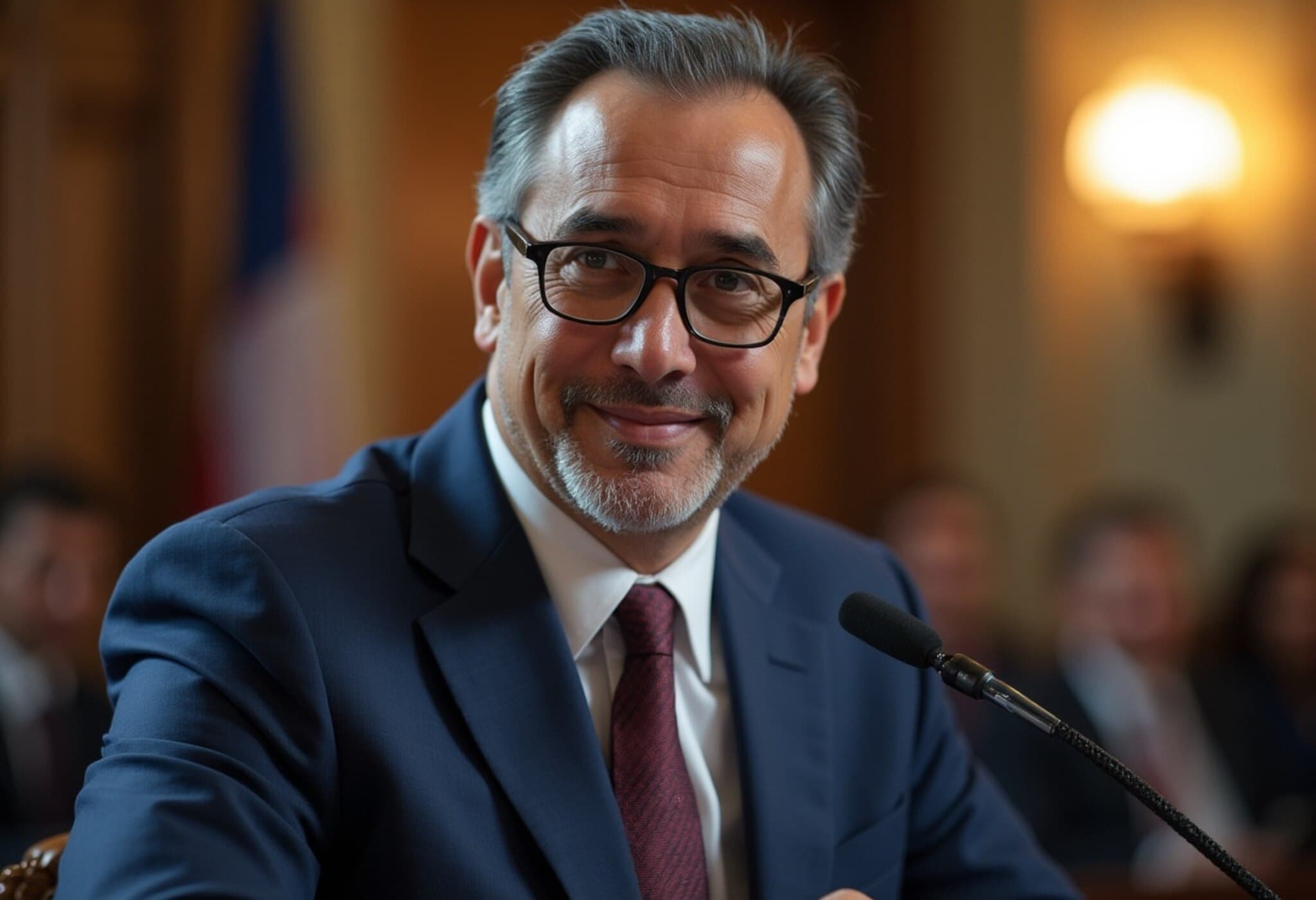
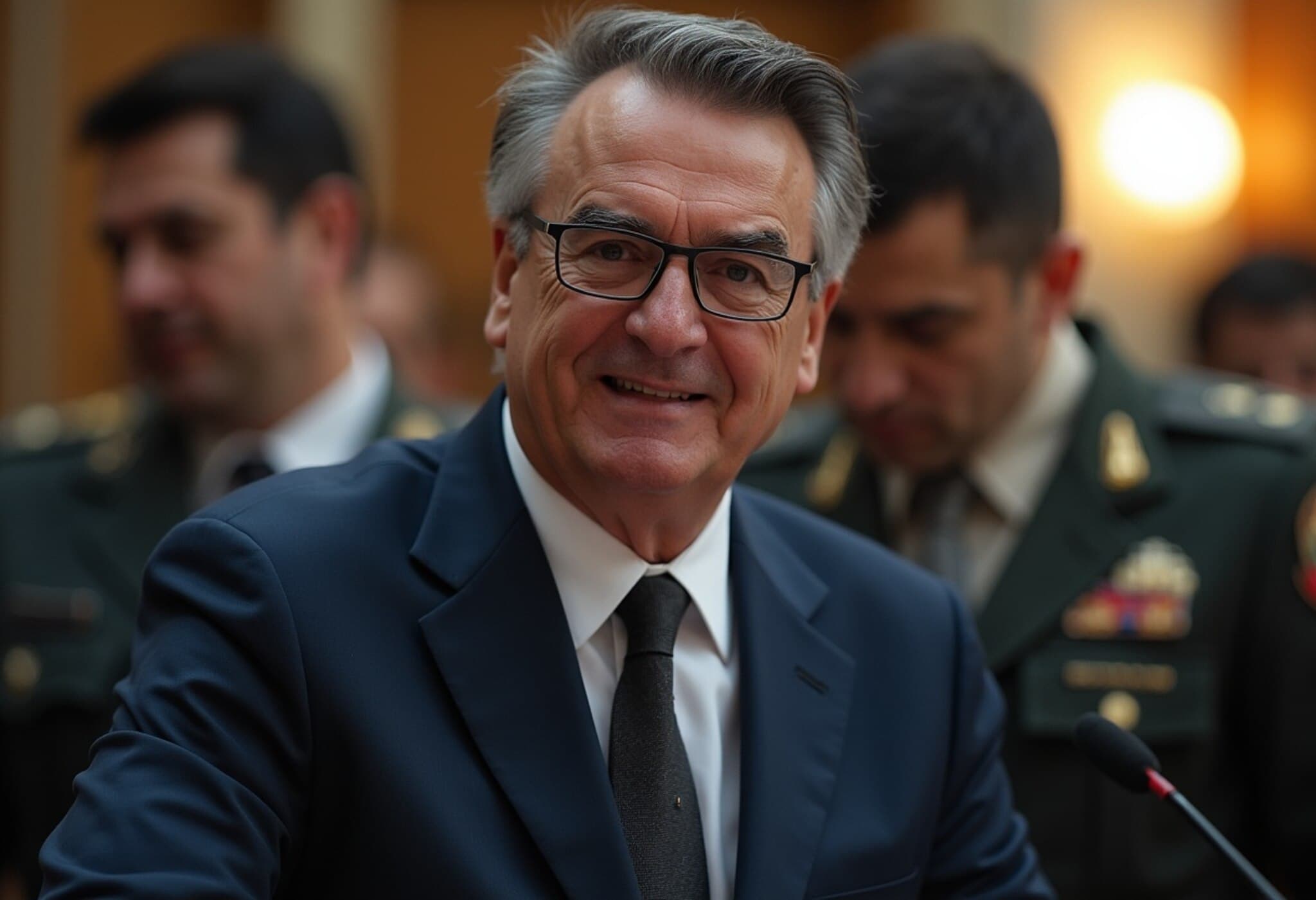
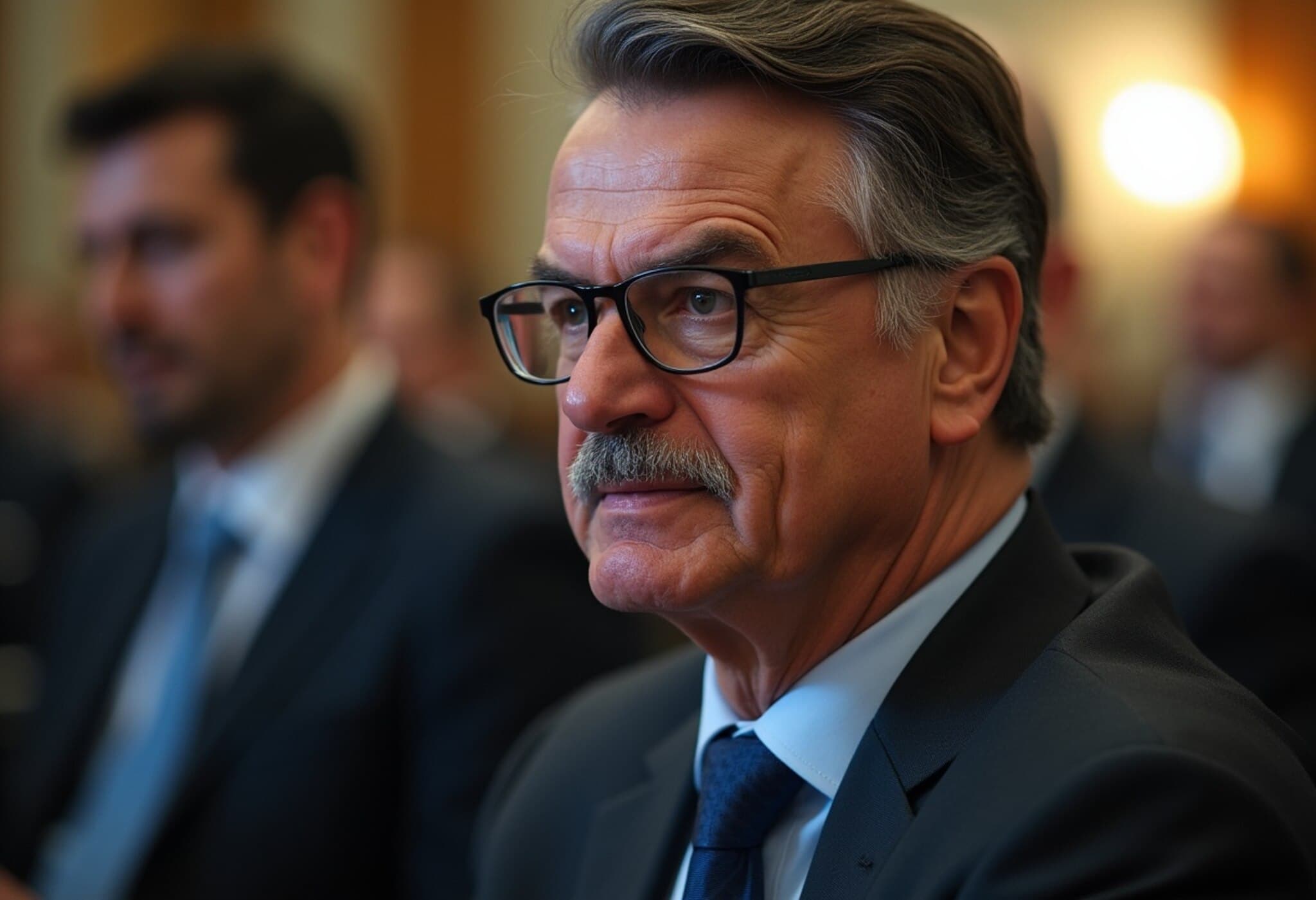
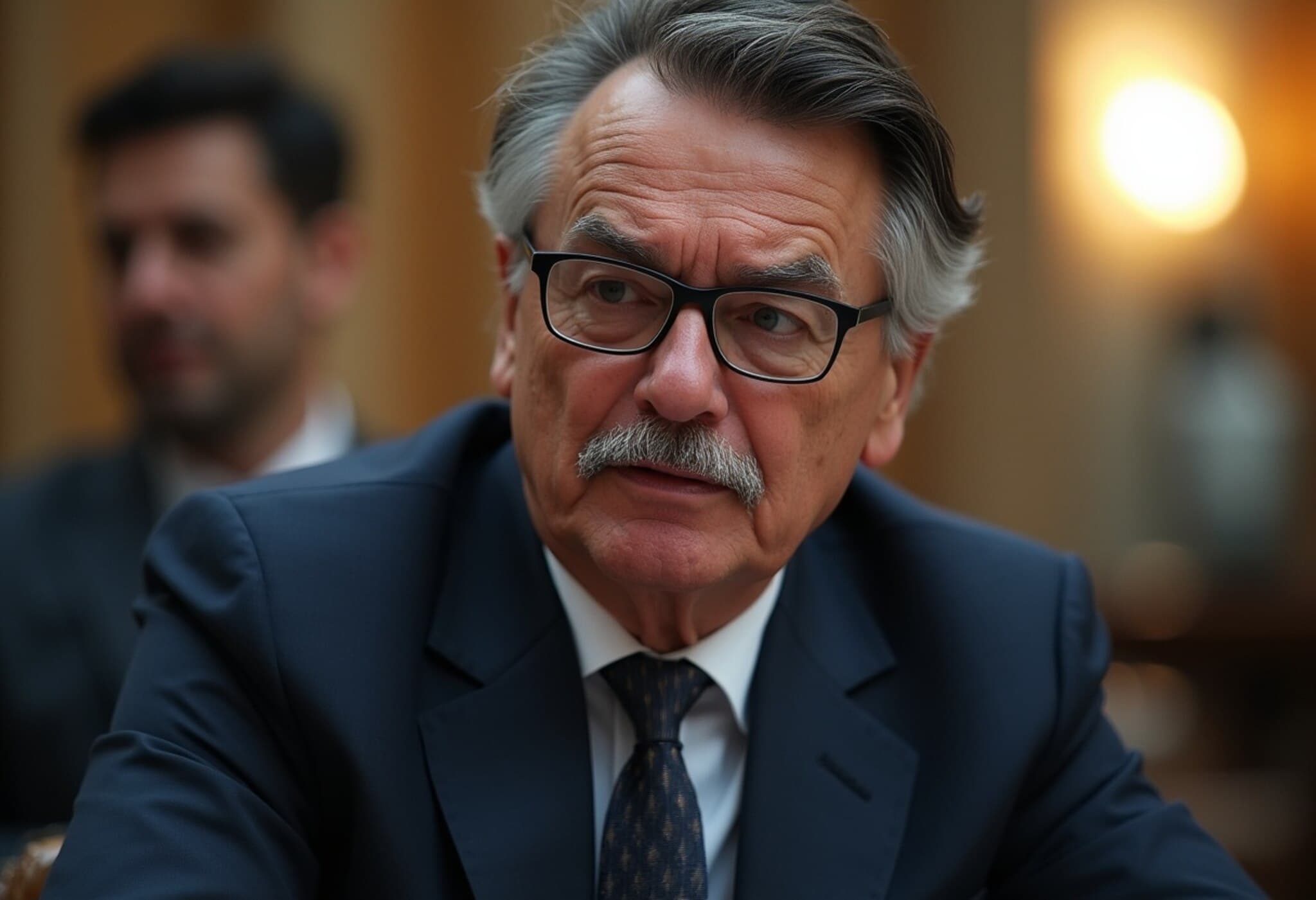
In a significant political move reflecting shifting public sentiments, Poland’s newly installed President Karol Nawrocki has vetoed a bill that sought to extend social welfare benefits to Ukrainian refugees residing in Poland. This decision underscores his campaign pledge to tighten social assistance programs amid growing national debates over immigration and resource allocation.
A Shift in Poland’s Refugee Policy
Since taking office earlier in August 2025, Nawrocki has acted quickly on promises made during his spring election campaign. The veto specifically targets the extension of child benefit payments currently providing monthly aid of 800 złoty (£162) to Ukrainian refugee families. Under Nawrocki’s directive, only refugees who are actively employed would continue to qualify for these payments. According to statements reported by The Guardian, Nawrocki emphasized, “We remain open to providing assistance to Ukrainian citizens – that hasn’t changed. But after three-and-a-half years, our law should be amended.”
Background: Poland’s Role and the Refugee Context
Since Russia’s invasion of Ukraine in early 2022, Poland has become home to over one million Ukrainian refugees, predominantly women and children. The country initially received this influx with considerable generosity and has been lauded internationally for its support. Yet, over time, public opinion has evolved, influenced both by economic pressures and rising nationalist sentiments.
Political Fallout and Government Response
The veto has sparked controversy within Poland’s political establishment. Prime Minister Donald Tusk, representing a more pro-refugee stance, criticized the president’s move. Labour Minister Agnieszka Dziemianowicz-Bak poignantly expressed concern on social media, stating, “We cannot punish people for losing their job – particularly not innocent children. This is the ABC of human decency.”
Nawrocki’s office, however, clarified that the president opposes privileged treatment based on nationality and intends to propose alternative legislation better aligned with his principles.
Broader Implications: Funding and Geopolitical Concerns
Beyond social welfare, the veto threatens other critical support structures, including Poland’s funding of Starlink internet services for Ukraine. Deputy Prime Minister Krzysztof Gawkowski warned that this financial backing stands at risk unless Nawrocki’s proposed alternative measures are approved by parliament by the end of September. This development raises concerns about Poland’s continued role as a key logistical and technological supporter of Ukraine in its ongoing conflict with Russia.
Expert Insights: Navigating Domestic Politics and International Responsibility
Poland’s predicament illustrates a complex balancing act faced by many frontline states globally: accommodating large refugee populations while managing domestic political pressures and economic constraints. Experts note that despite evidence showing that Ukrainian refugees contribute more in taxes and economic activity than they consume in benefits, public rhetoric has increasingly framed these refugees as economic burdens, fueling xenophobia and political polarization.
Legal and policy analysts emphasize the need for nuanced approaches that uphold human rights and humanitarian commitments without igniting societal divisions. The stalemate between Poland’s government and President Nawrocki epitomizes the challenges in forming cohesive, sustainable refugee policies in a fraught political environment.
What Lies Ahead?
- The parliament faces a critical deadline to approve or revise refugee welfare legislation before existing payments expire in September.
- President Nawrocki’s proposed legal alternatives remain under scrutiny and could reshape Poland’s refugee assistance framework.
- Poland’s international standing as a supporter of Ukraine may shift depending on how this political impasse resolves.
Editor’s Note
The veto by President Karol Nawrocki symbolizes more than a domestic policy dispute; it reflects a broader European dilemma around migration, humanitarian aid, and national identity in the shadow of conflict. As Poland grapples with these tough decisions, it prompts us to reconsider how societies can uphold compassion while addressing practical challenges. The evolving situation invites critical questions: how should host countries balance support for refugees with local concerns? And what role does political leadership play in shaping public attitudes toward displaced communities?