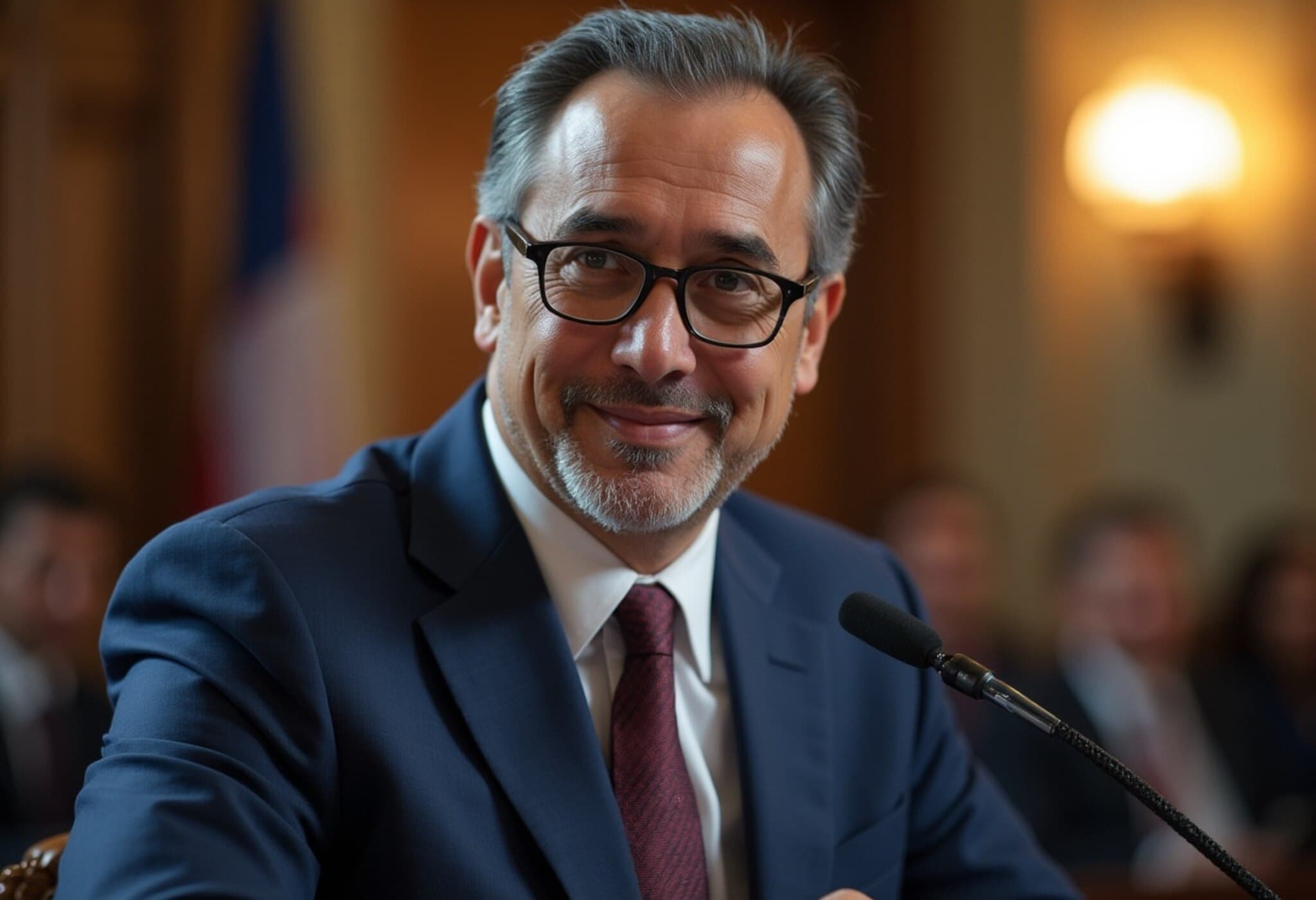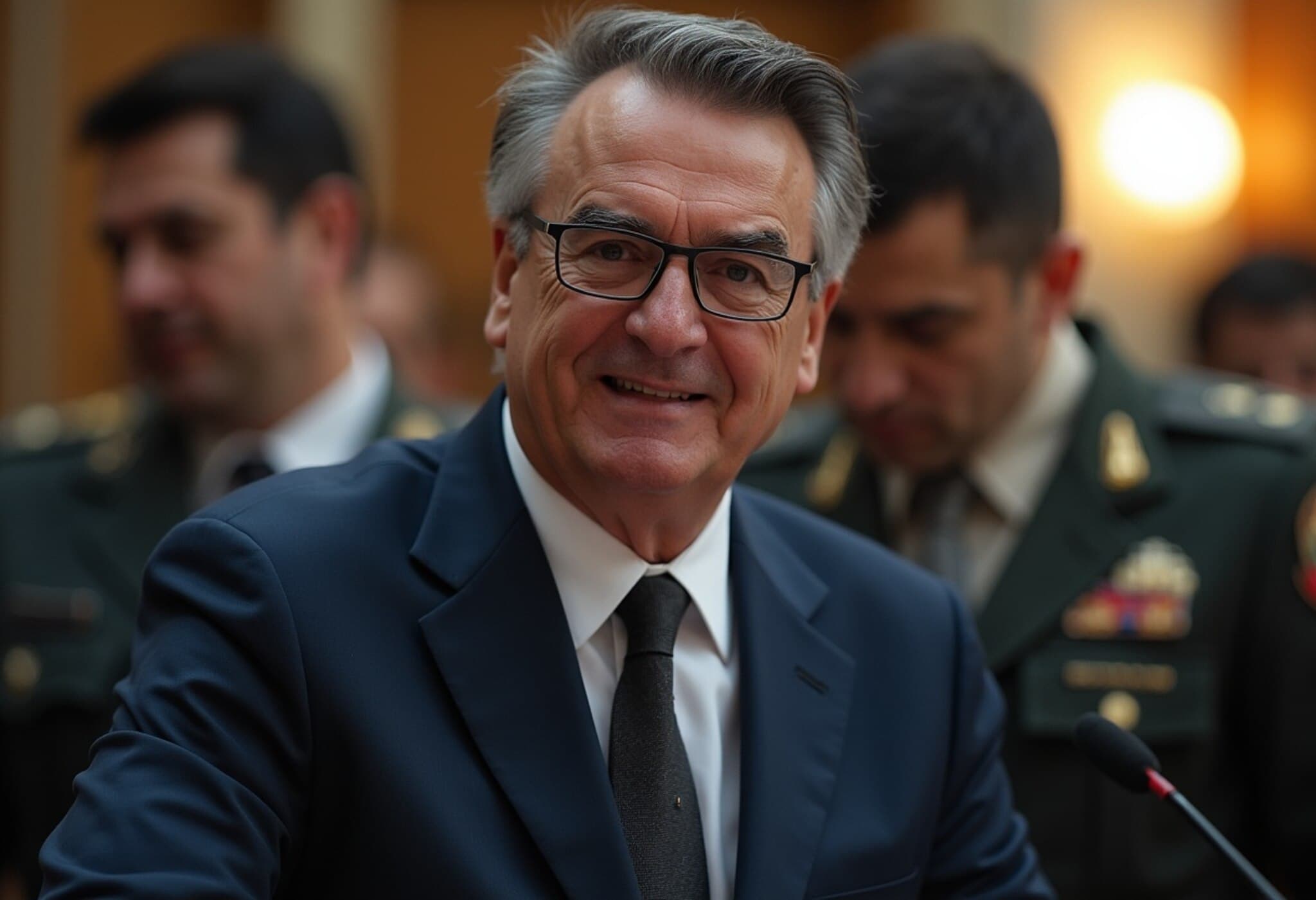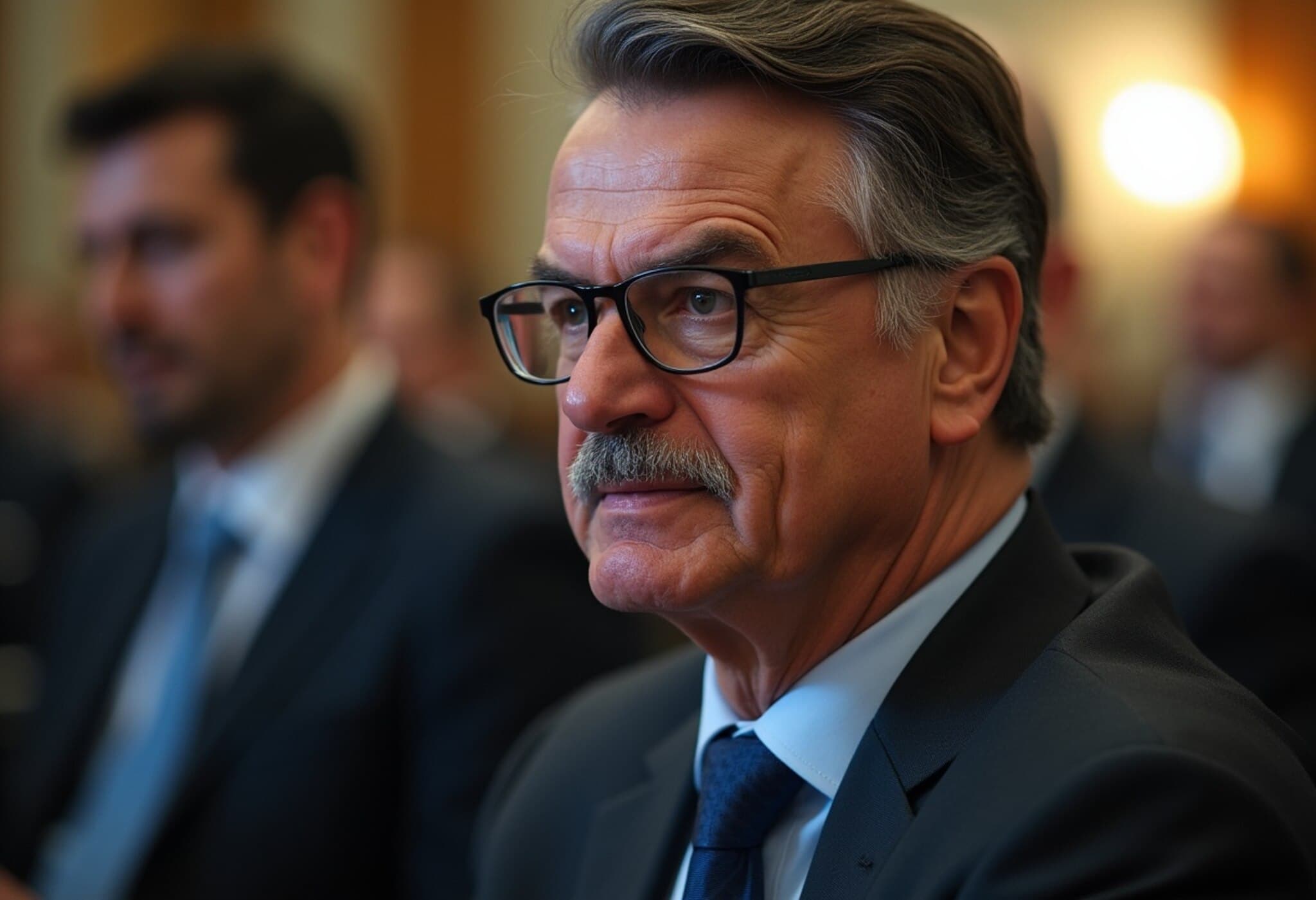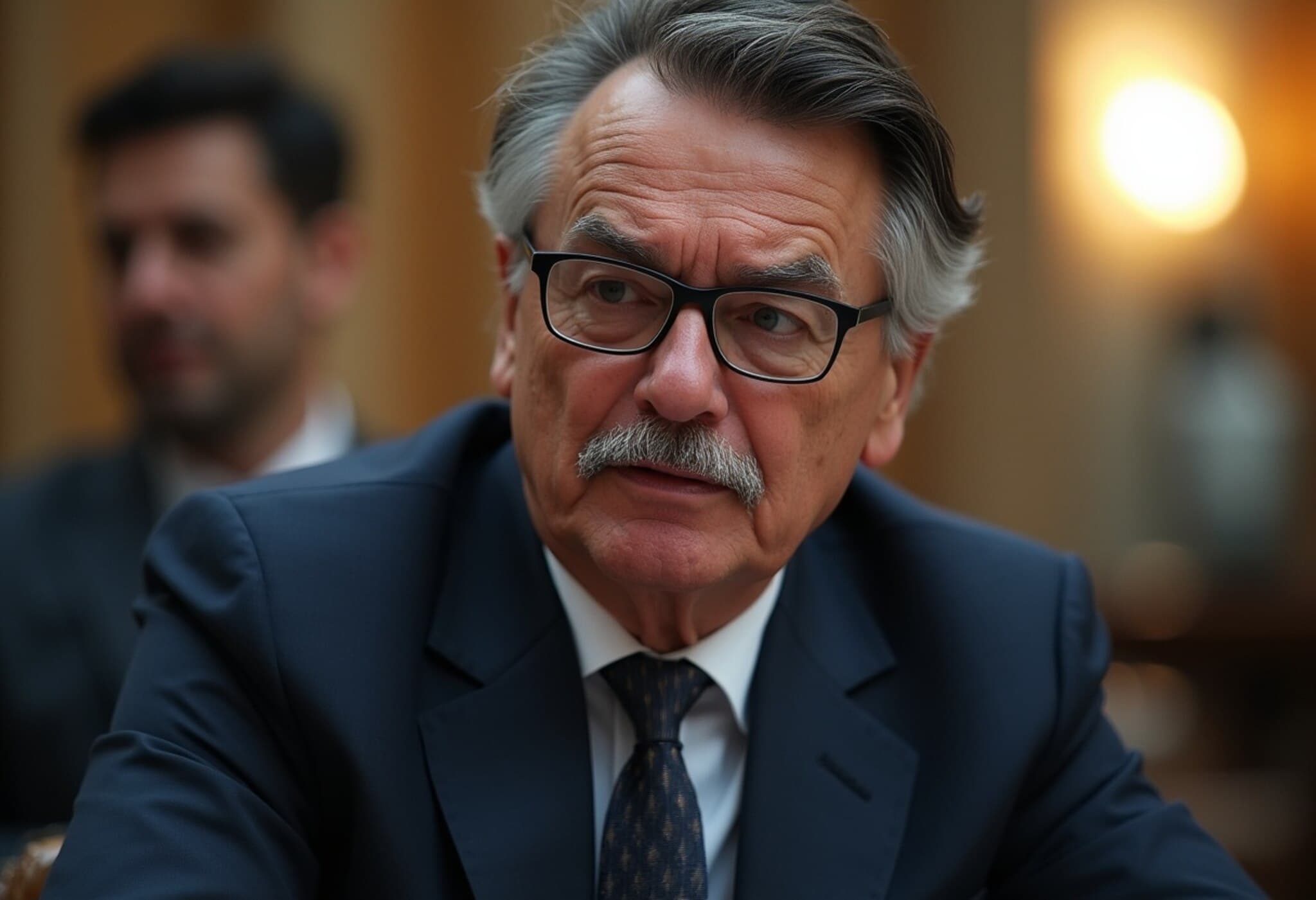
Former Sri Lankan President Ranil Wickremesinghe Arrested Amid Misuse of State Funds Allegations
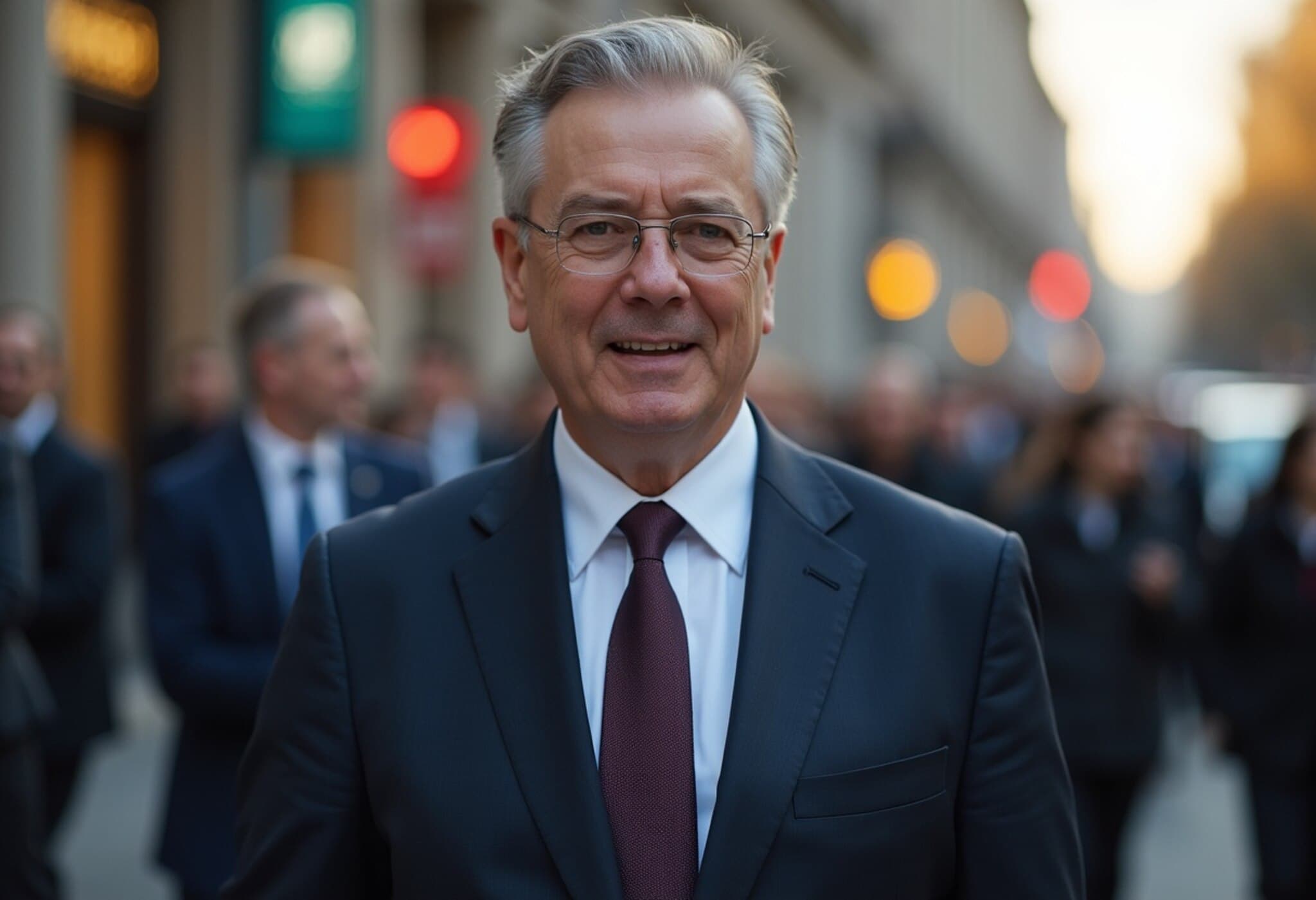
In a significant development shaking Sri Lanka's political landscape, former President Ranil Wickremesinghe was taken into police custody on August 22, 2025, over allegations of misappropriating government funds. The arrest follows an investigation into a 2023 trip to London, where Wickremesinghe attended an event honoring his wife at a British university while still in office.
Details of the Investigation and Arrest
According to a senior police detective, Wickremesinghe was questioned extensively regarding his September 2023 visit to London. The former leader reportedly traveled from Havana, where he had participated in the G77 Summit, detouring to the UK to accompany his wife, Maithree Wickremesinghe, at a ceremony hosted by the University of Wolverhampton.
Authorities are pressing charges on the grounds that state resources were used improperly for what was essentially a private trip. Specifically, the Criminal Investigation Department claims the former president’s flight expenses and the cost of security personnel—his bodyguards—during this period were borne by the government.
Wickremesinghe's Defense and Political Context
Wickremesinghe has consistently denied all accusations of wrongdoing, stating that his wife personally funded her travel and that no public funds were allocated to the trip. However, the contradiction lies in the official allegations about government payments for both his travel and security staff during the event.
This arrest comes against a backdrop of heightened scrutiny of Sri Lankan political leaders following the devastating economic collapse and widespread corruption concerns that rocked the country in 2022. Wickremesinghe ascended to the presidency in July 2022 after his predecessor, Gotabaya Rajapaksa, resigned amid mass protests against corruption and mismanagement.
Legacy and Aftermath
During his tenure, Wickremesinghe was credited with initiating financial stabilization measures, steering Sri Lanka through its worst economic crisis in decades. Nonetheless, his tenure ended after losing re-election in September 2024, reflecting public discontent fueled partly by persistent governance challenges.
Expert Insights: What This Means for Sri Lanka's Governance
The arrest highlights ongoing tensions within Sri Lanka’s political fabric, raising critical questions about accountability and transparency among its elites. Experts note that while efforts to combat corruption are vital for restoring public trust, politicizing such probes could exacerbate national divisions.
From a policy perspective, this incident also underscores the importance of clearly defined rules for government officials’ use of public resources, especially regarding international travel and security provisions. It presents an opportunity for Sri Lanka to revisit and tighten regulations, promoting more ethical governance in line with democratic standards.
Regional and Global Perspectives
Sri Lanka’s journey mirrors challenges faced by many emerging economies balancing governance reforms with political stability. Observers in South Asia and beyond will closely monitor this case as a barometer of the country’s commitment to rooting out corruption and ensuring justice irrespective of political stature.
Summary Box - Editor’s Note
- Former President Ranil Wickremesinghe was arrested on allegations of misusing government funds during a private trip in 2023.
- The investigation centers on expenses tied to his travel and security detail to London while in office.
- This case sheds light on persistent governance challenges in Sri Lanka post-economic crisis.
- Critical questions arise: How will Sri Lanka balance anti-corruption enforcement with protecting leaders’ rights? What reforms are needed to prevent similar misuse of public funds?
- As the country navigates these issues, global observers see this as a litmus test for democratic accountability in the region.
Stay tuned as this story develops, reflecting broader themes of transparency, leadership integrity, and the rule of law in contemporary governance.