Donald Trump Applauds Sydney Sweeney’s Denim Campaign After GOP Registration Revelation
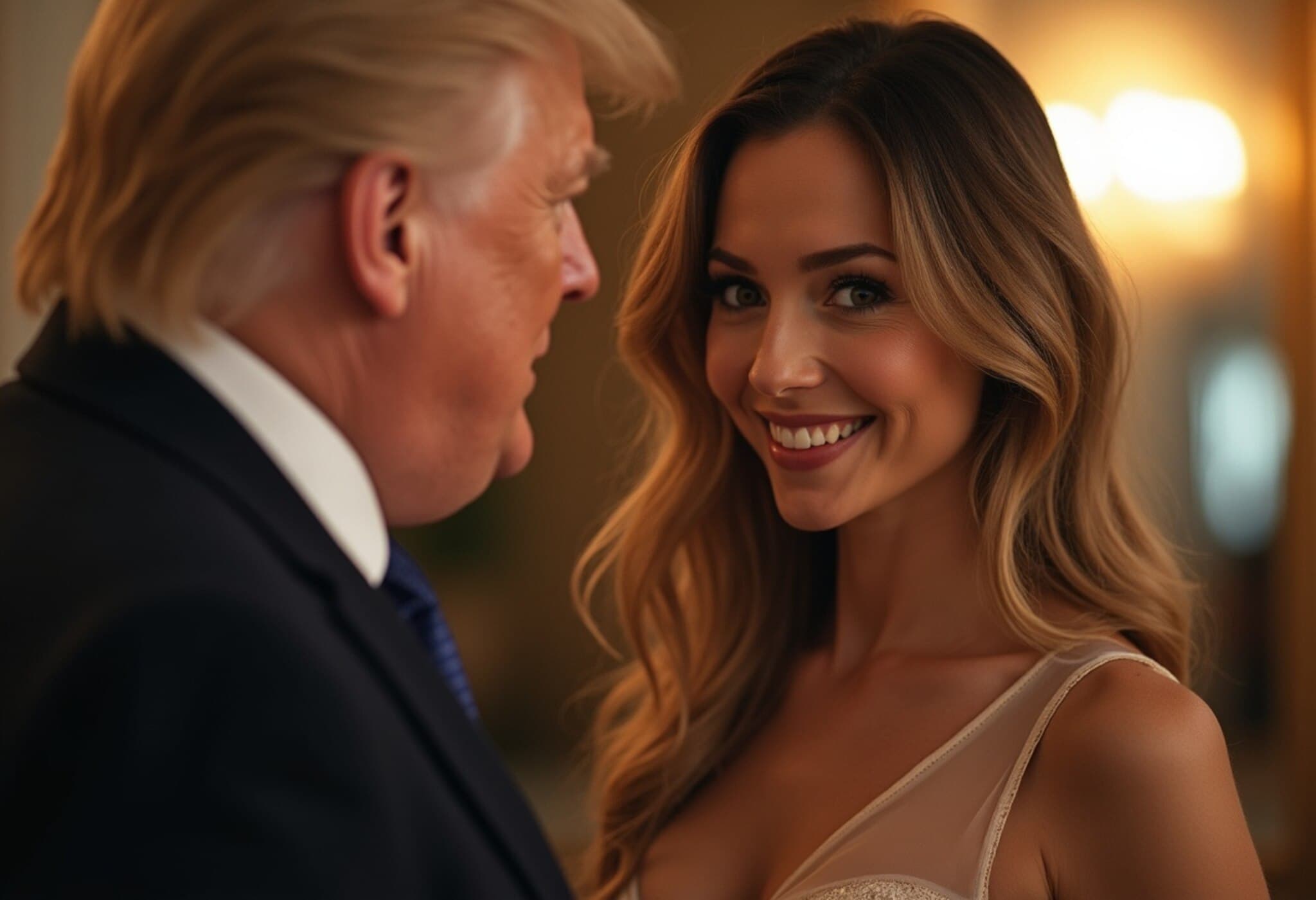
In a surprising turn of events blending politics, celebrity culture, and fashion marketing, former President Donald Trump recently lauded actress Sydney Sweeney’s new American Eagle denim advertisement after it came to light that she is a registered Republican. The endorsement by Trump adds an unexpected political dimension to a campaign primarily celebrated—and debated—for its playful pun.
Who Is Sydney Sweeney and What’s the Buzz About Her Campaign?
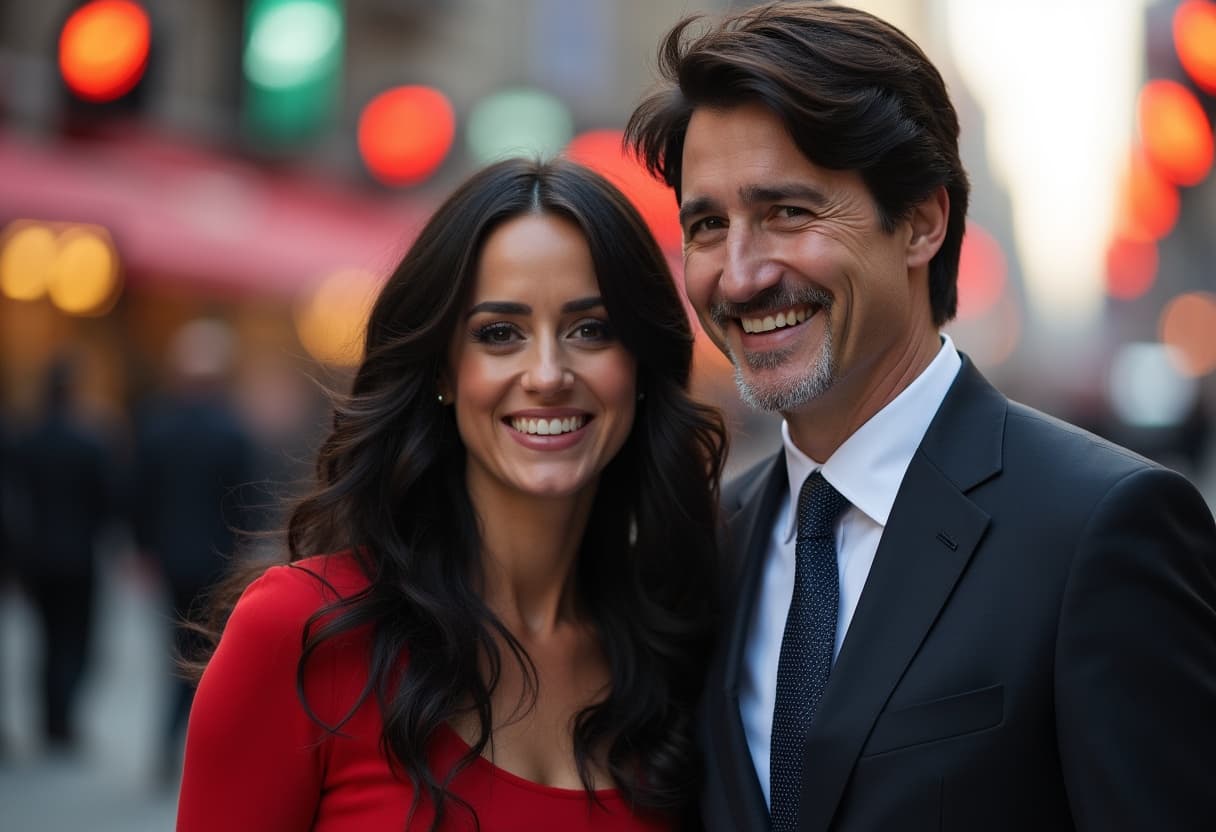
Sydney Sweeney, an acclaimed actress known for roles in popular TV dramas, has recently been the face of American Eagle’s denim campaign featuring the tagline “Sydney Sweeney has great genes.” Cleverly playing on the homophone between genes (hereditary traits) and jeans (denim pants), the campaign combines lighthearted humor with stylish visuals.
One of the ads features Sweeney explaining, “Genes are passed down from parents to offspring, often determining traits like hair color, personality and even eye color. My jeans are blue.” This witty wordplay captured widespread attention online, with both praise for its creativity and critique over its timing in a highly charged political climate.
Political Identity Brings New Spotlight
Public records revealed that Sydney Sweeney registered as a Republican voter in Florida in June 2024. This registration followed closely after she made a high-profile property purchase in the Florida Keys, and coincided with significant political events, including Trump’s legal challenges in New York and his subsequent re-election as president in November 2024.
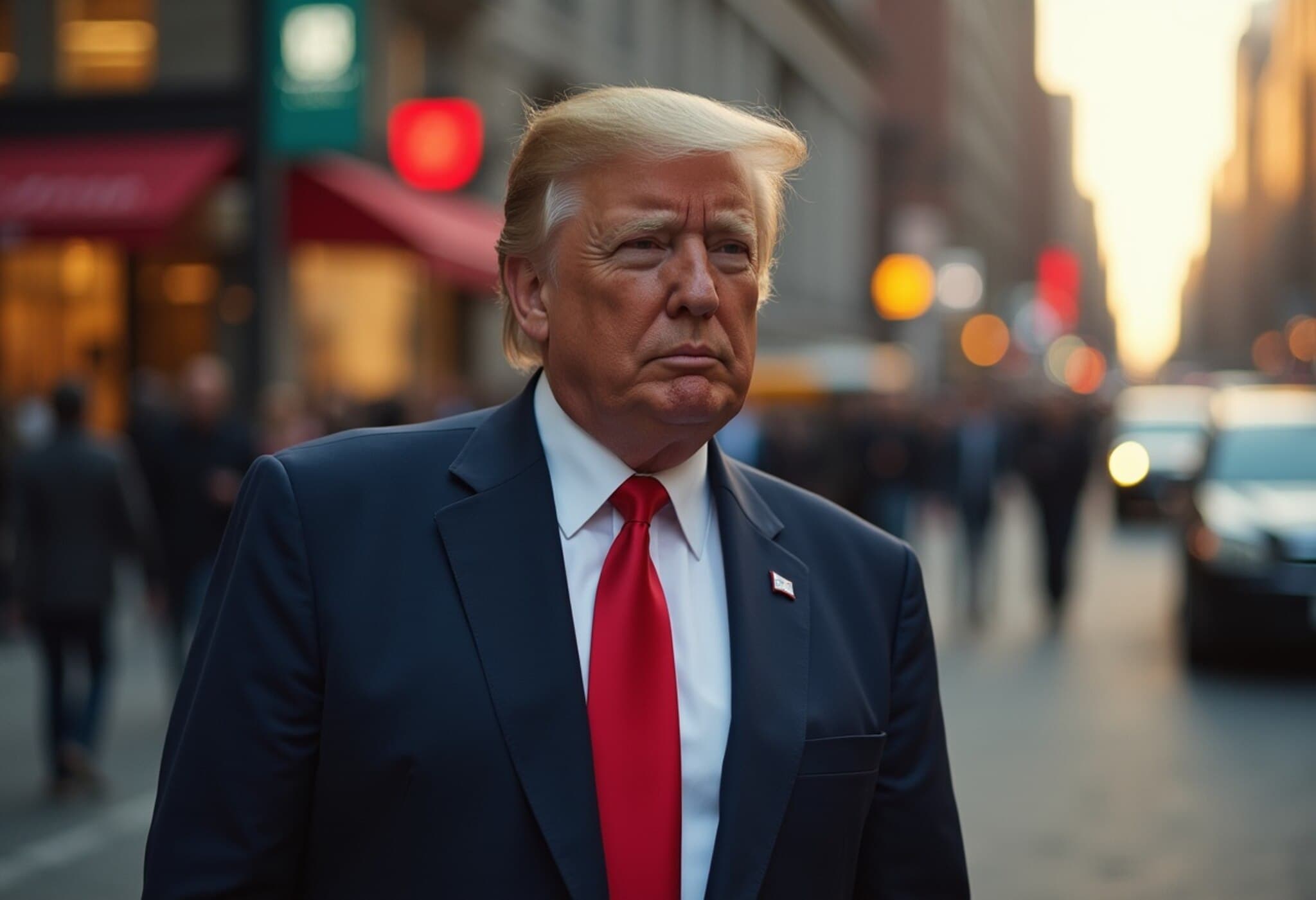
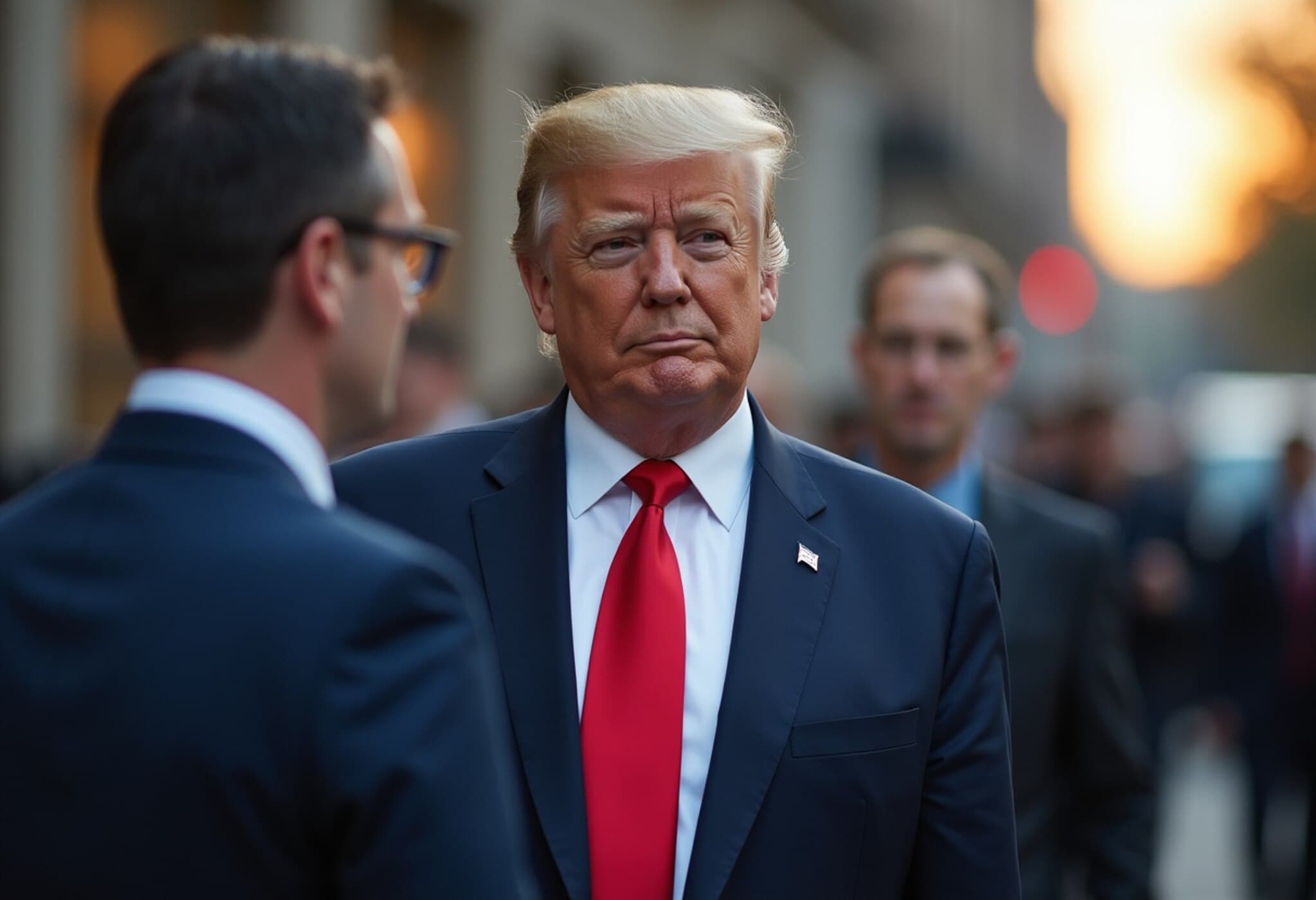
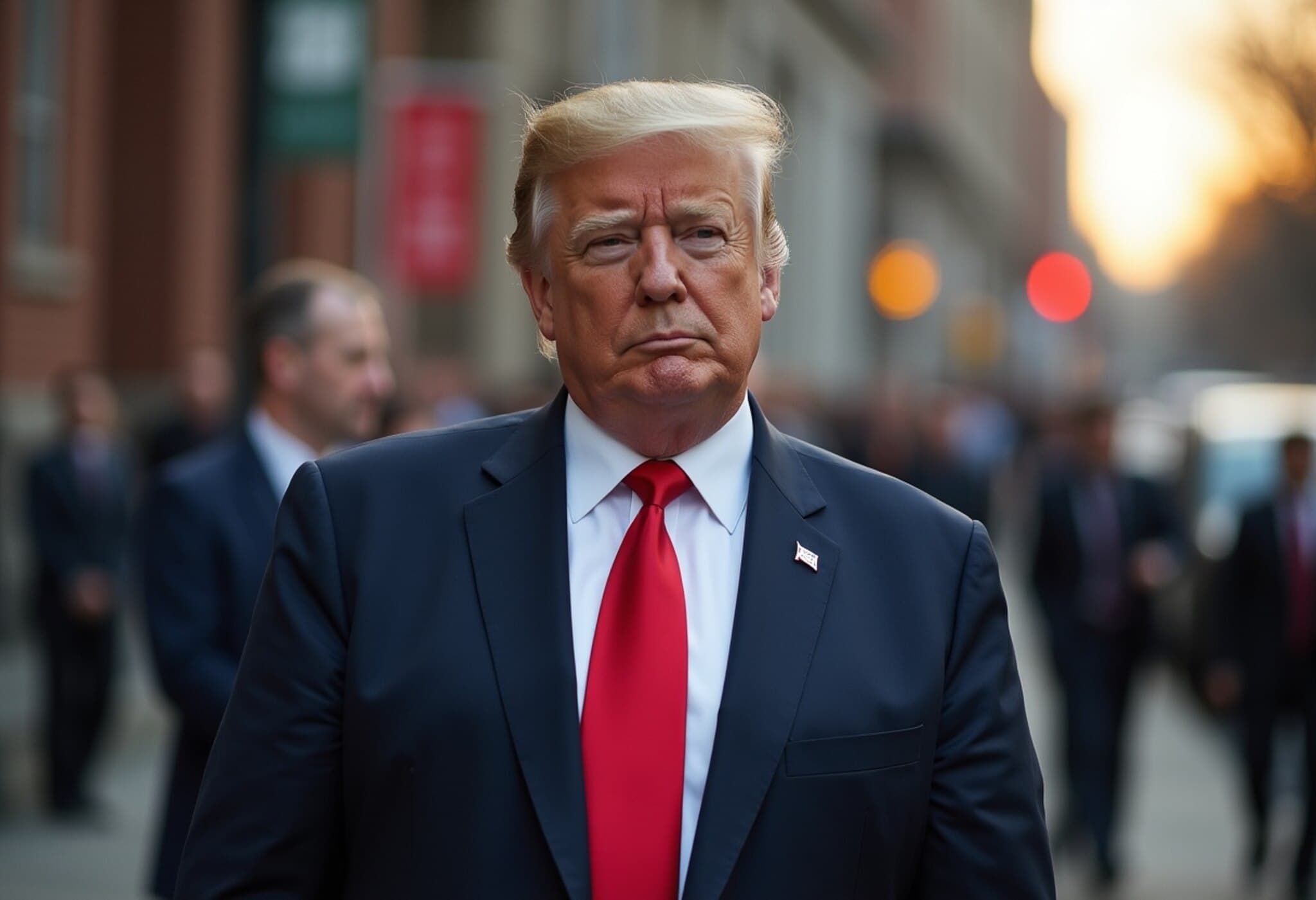
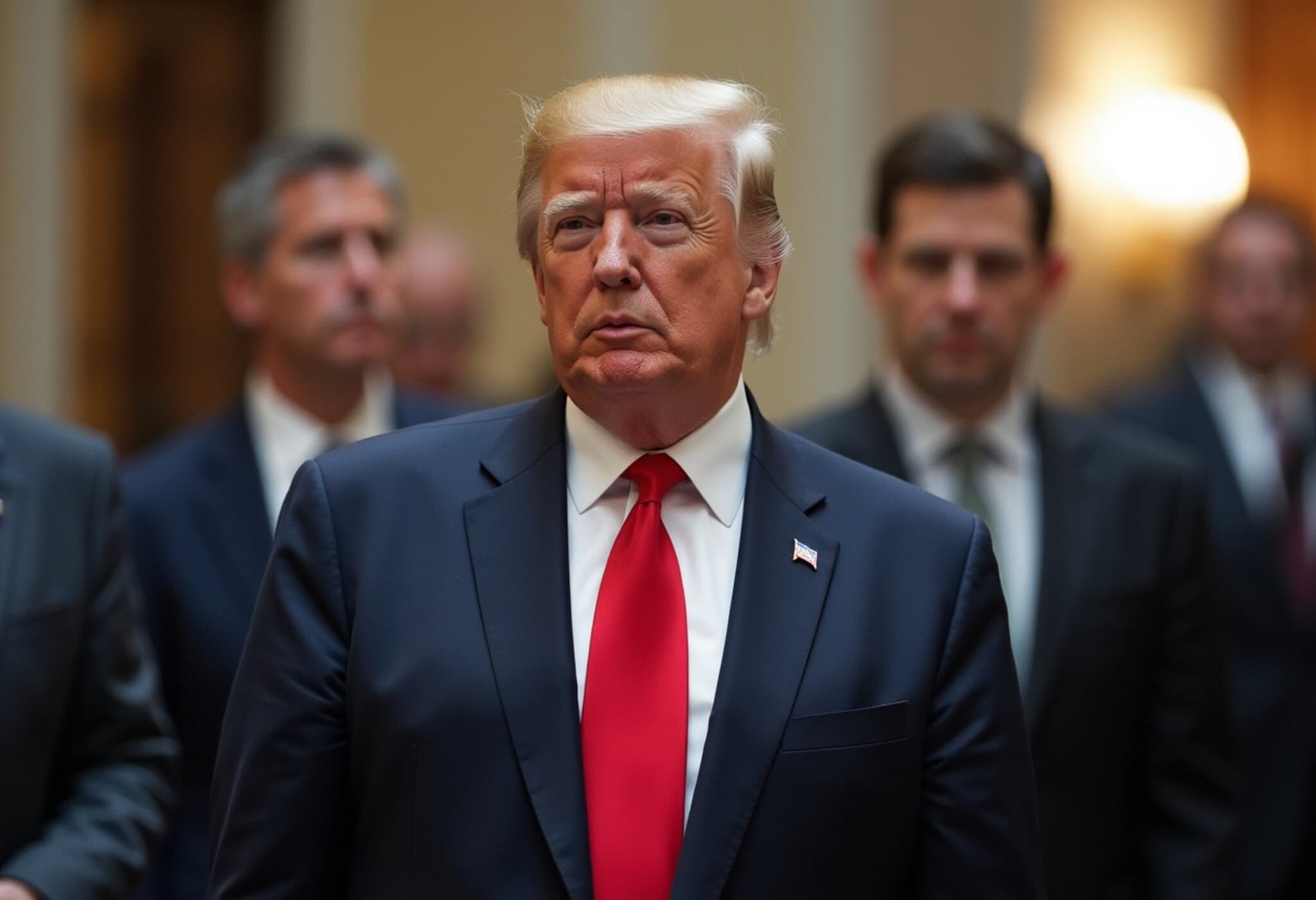
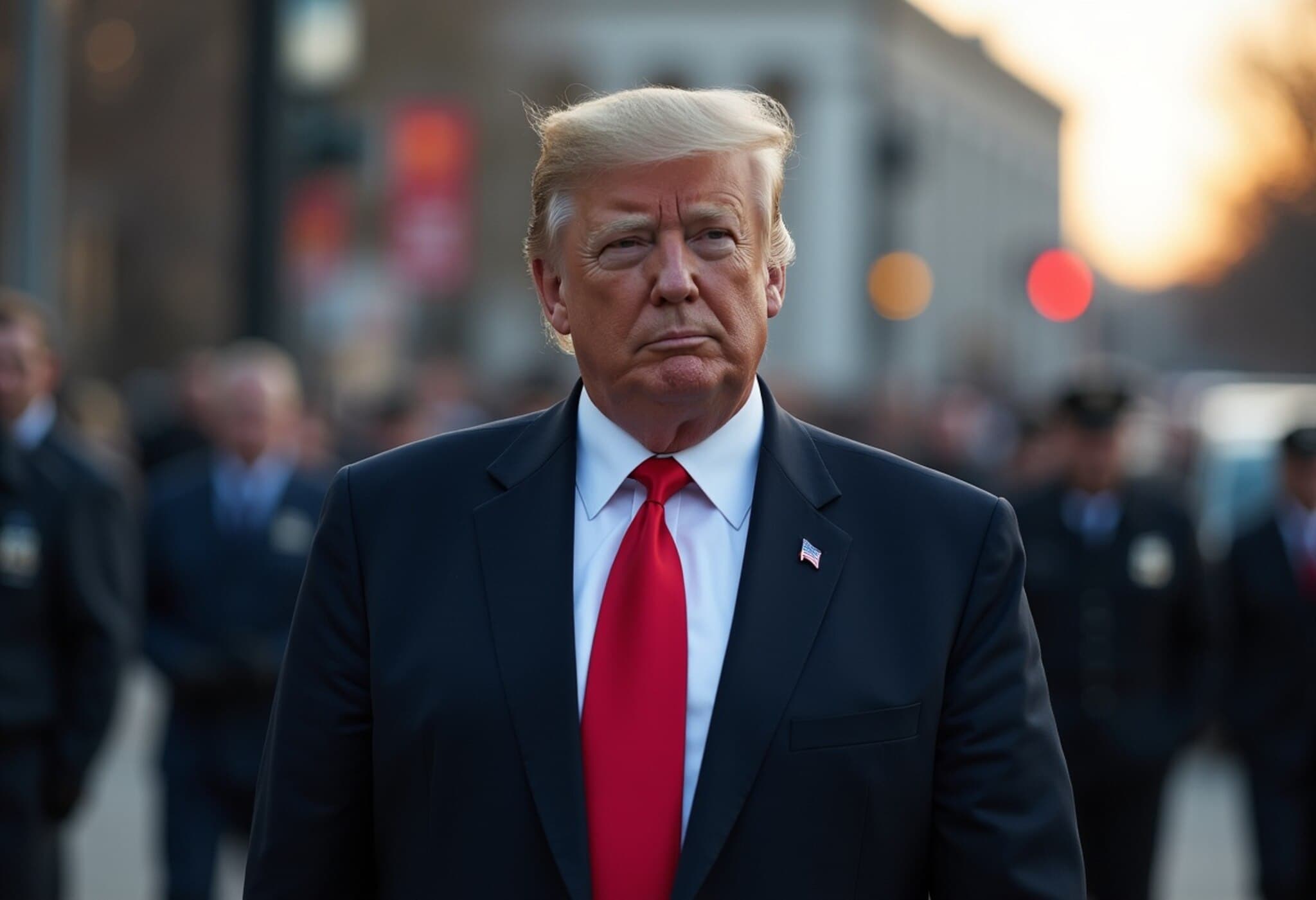
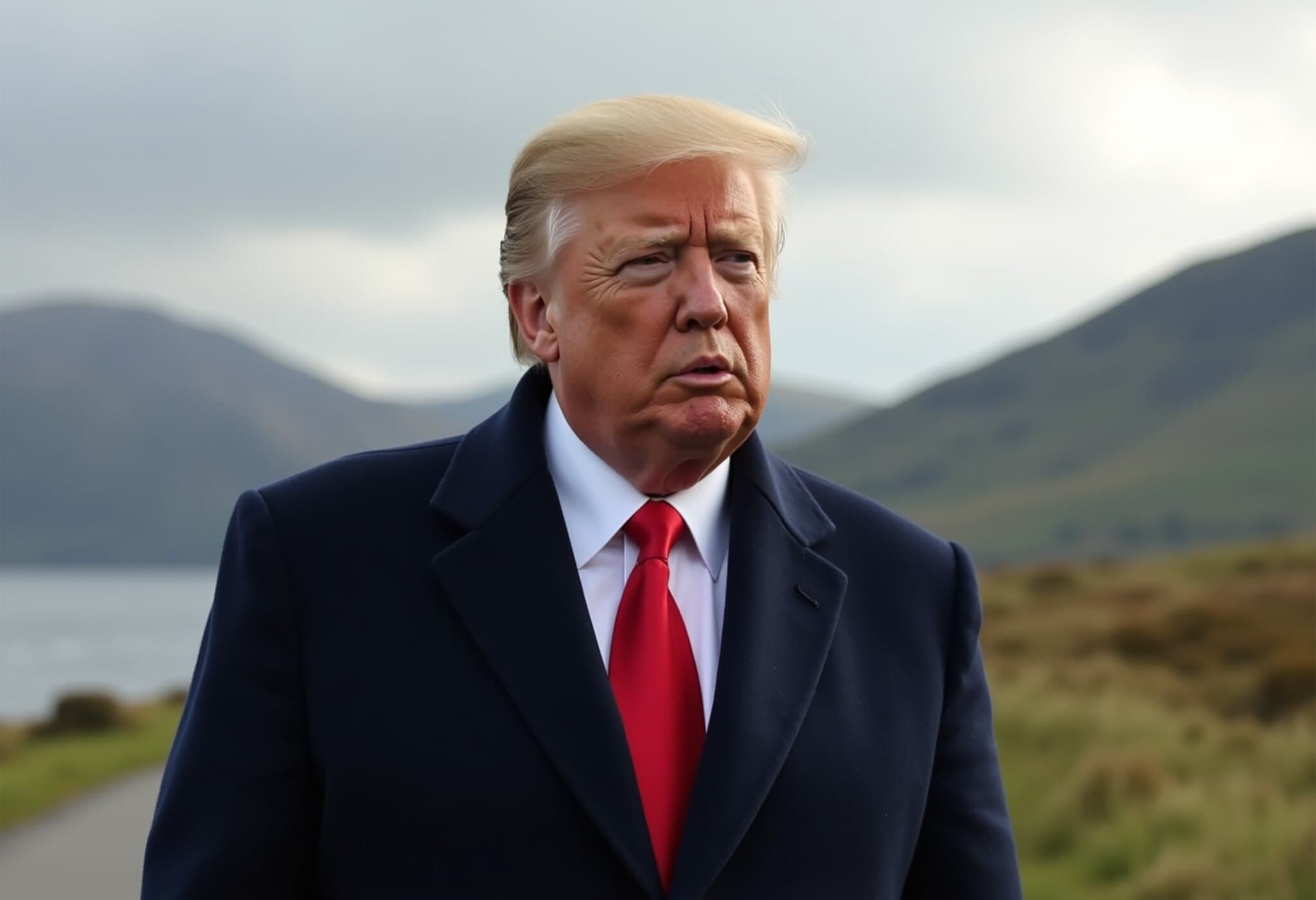
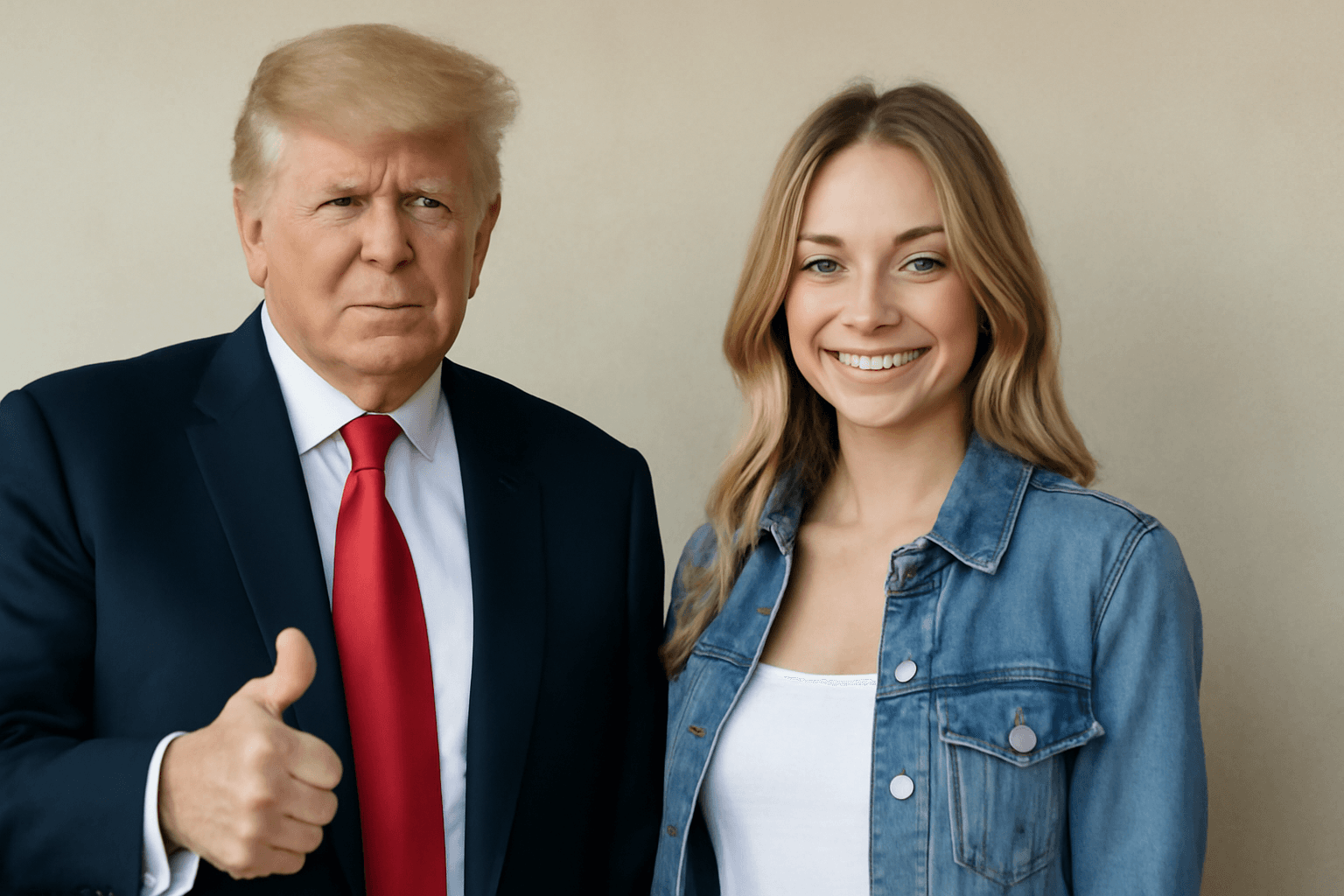
When informed about Sweeney’s Republican affiliation, Trump told a reporter on Monday, “If Sydney Sweeney is a registered Republican, I think her ad is fantastic!” His endorsement injects new energy into discussions around celebrity political affiliations amid an evolving cultural landscape.
Mixed Reactions Amid Political and Cultural Turbulence
The announcement sparked a mix of responses. Supporters applaud the ad’s cleverness and see the actress’s political stance as an example of the diverse beliefs held by public figures. Meanwhile, critics argue the campaign’s timing is provocative, especially considering the Trump administration’s agenda on rolling back diversity, equity, and inclusion (DEI) initiatives and instituting stricter immigration policies.
American Eagle defended the campaign adamantly, stating, “‘Sydney Sweeney Has Great Jeans’ is and always was about the jeans. Her jeans. Her story.” This reassertion seeks to realign the narrative with fashion and personal expression rather than political controversy.
Expert Commentary: What Does This Intersection of Fashion and Politics Mean?
From a media and political analysis perspective, Sweeney’s case exemplifies the increasingly blurred lines between celebrity branding and political identities. As public figures become more open about their political affiliations, brands must navigate how this influences perception and consumer engagement.
Moreover, the pun-heavy ad campaign emerges during a period of heightened political polarization in the U.S., potentially amplifying its reach but also fueling intense scrutiny. This dynamic poses challenges for marketers aiming for inclusivity while acknowledging that even seemingly apolitical campaigns can be quickly politicized.
Looking Ahead: What’s Next for Celebrity Branding Amid Political Divides?
- Will other brands follow American Eagle’s lead in embracing the political identities of their endorsers?
- How might actors and celebrities balance artistic or promotional endeavors with the expectations and consequences of public political expression?
- Can fashion campaigns maintain neutrality, or is the cultural context too charged for true apolitical messaging?
These questions underline the evolving interplay between politics, media narratives, and consumer culture in 2025 and beyond.
Editor’s Note
The convergence of Sydney Sweeney’s Republican registration and her popular denim campaign spotlights how political identity can shape public interpretation of entertainment and advertising content. For readers and industry watchers alike, it raises critical reflections on the responsibilities of celebrities, the strategic decisions of brands, and the broader societal impact when culture and politics intersect so publicly. As consumers, being aware of these undercurrents can inspire more nuanced media literacy and engagement with popular culture narratives.