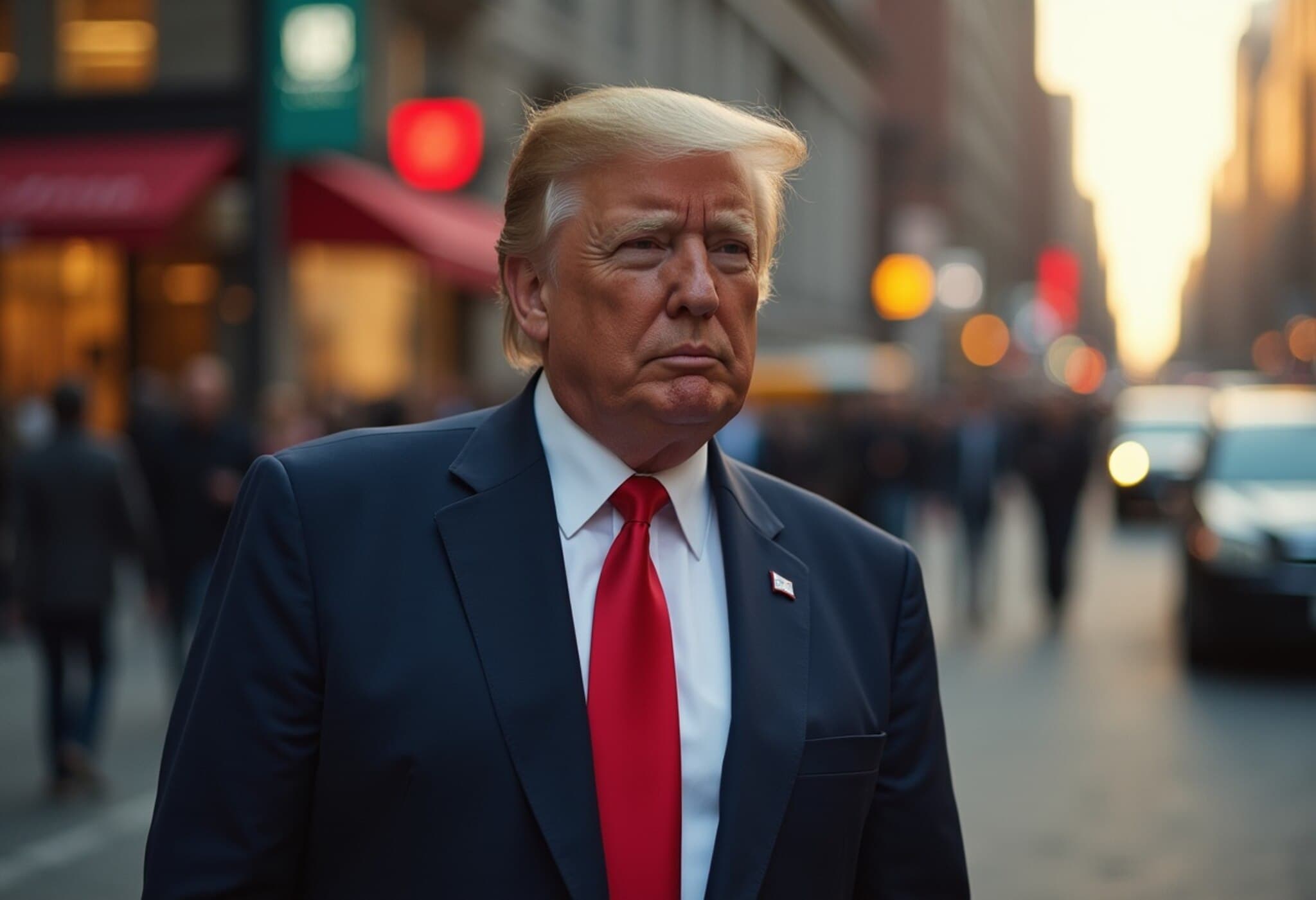
Trump Reacts Positively to Sydney Sweeney’s American Eagle Ad Upon Learning of Her Republican Affiliation
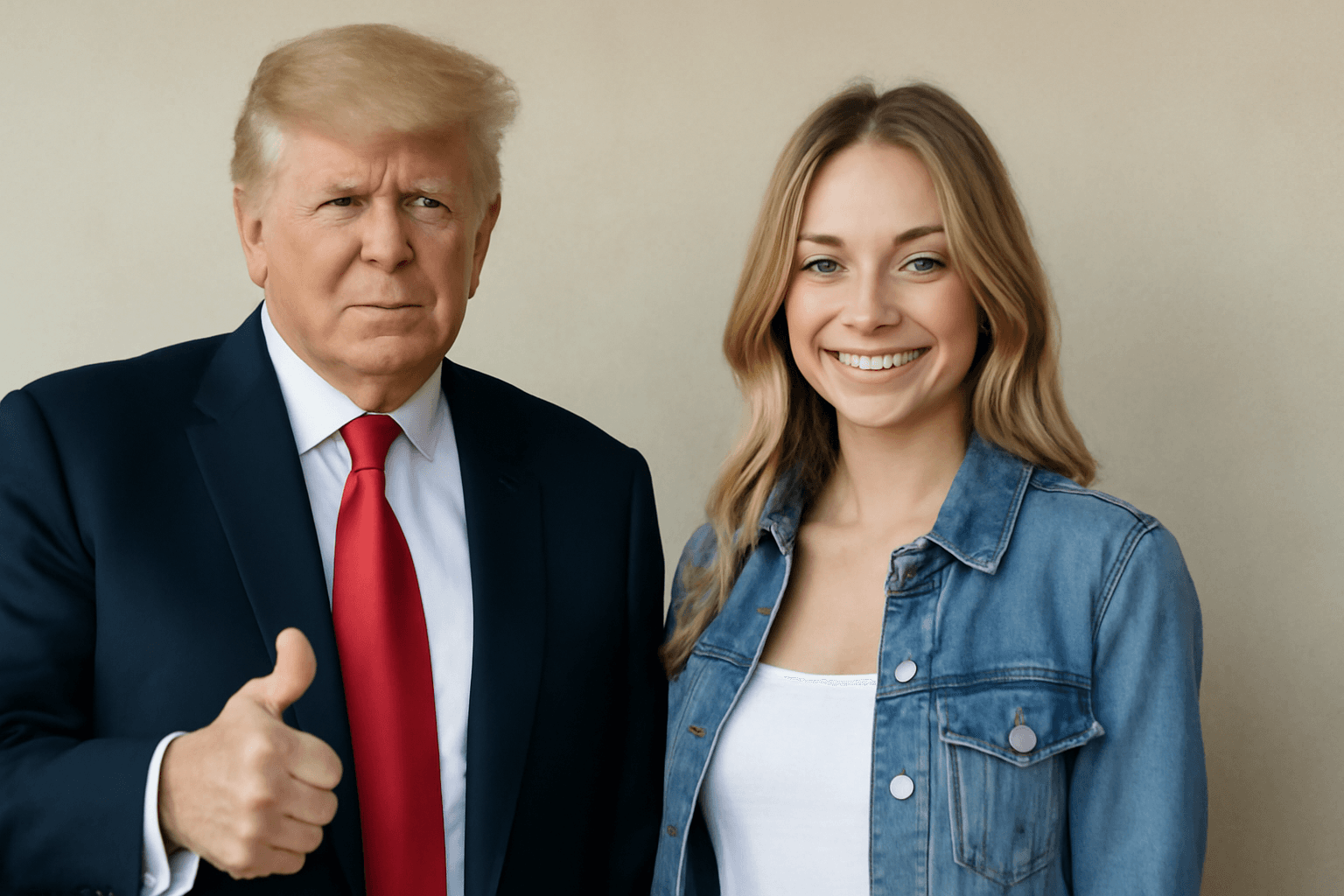
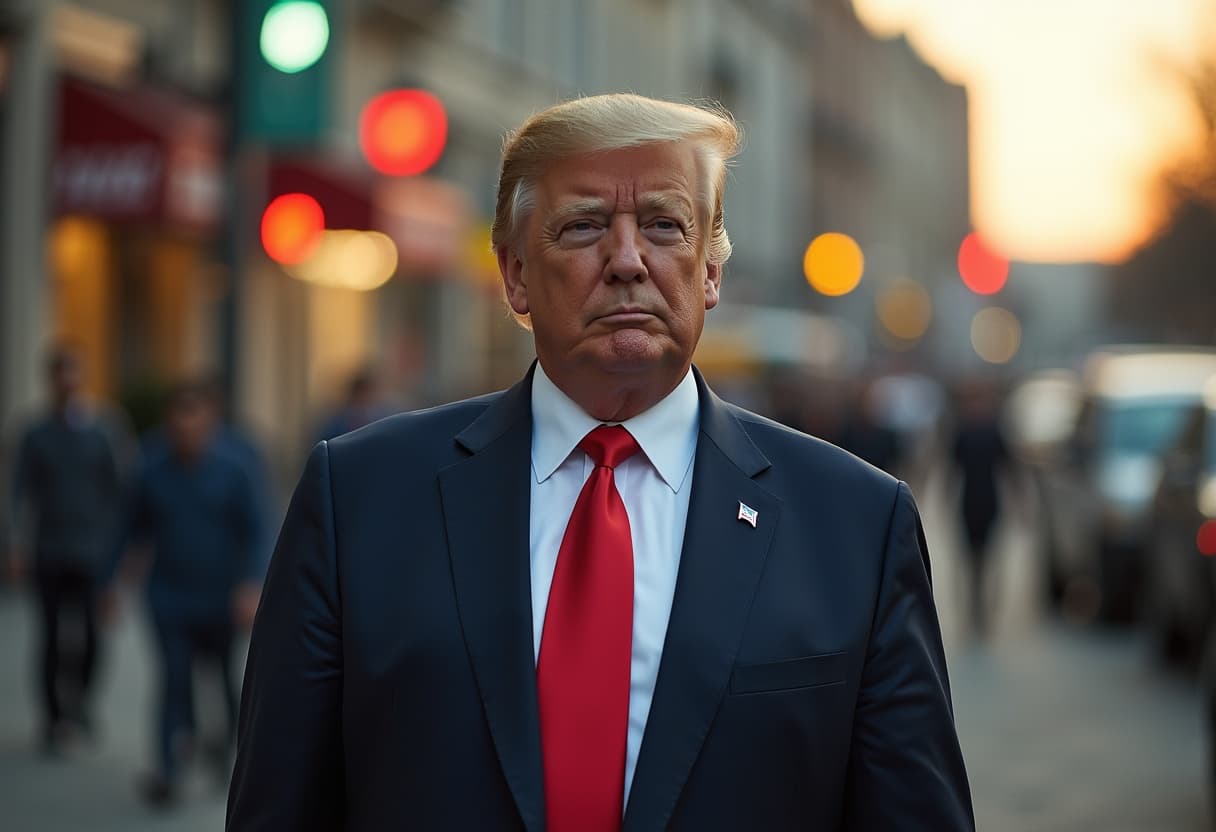
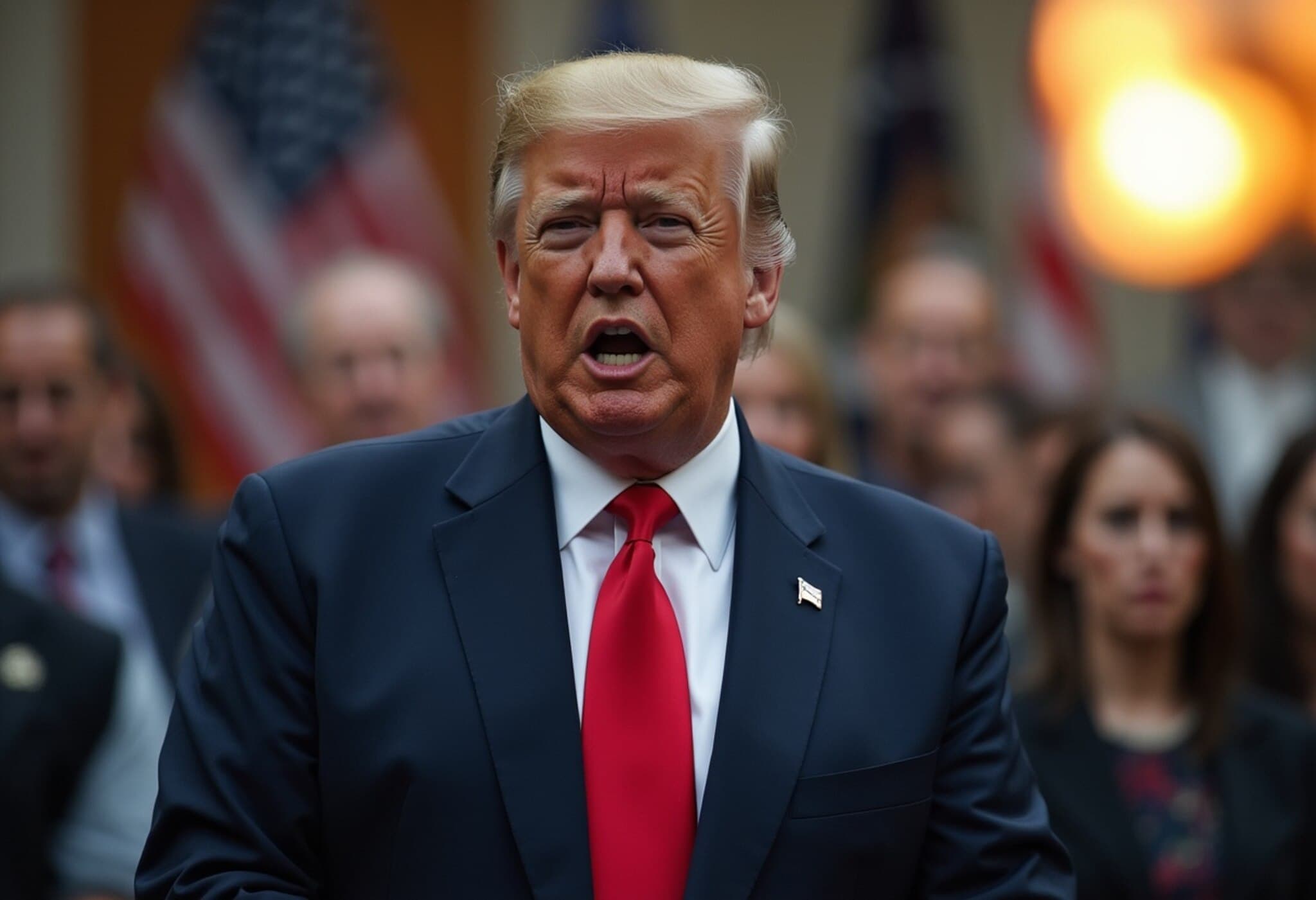
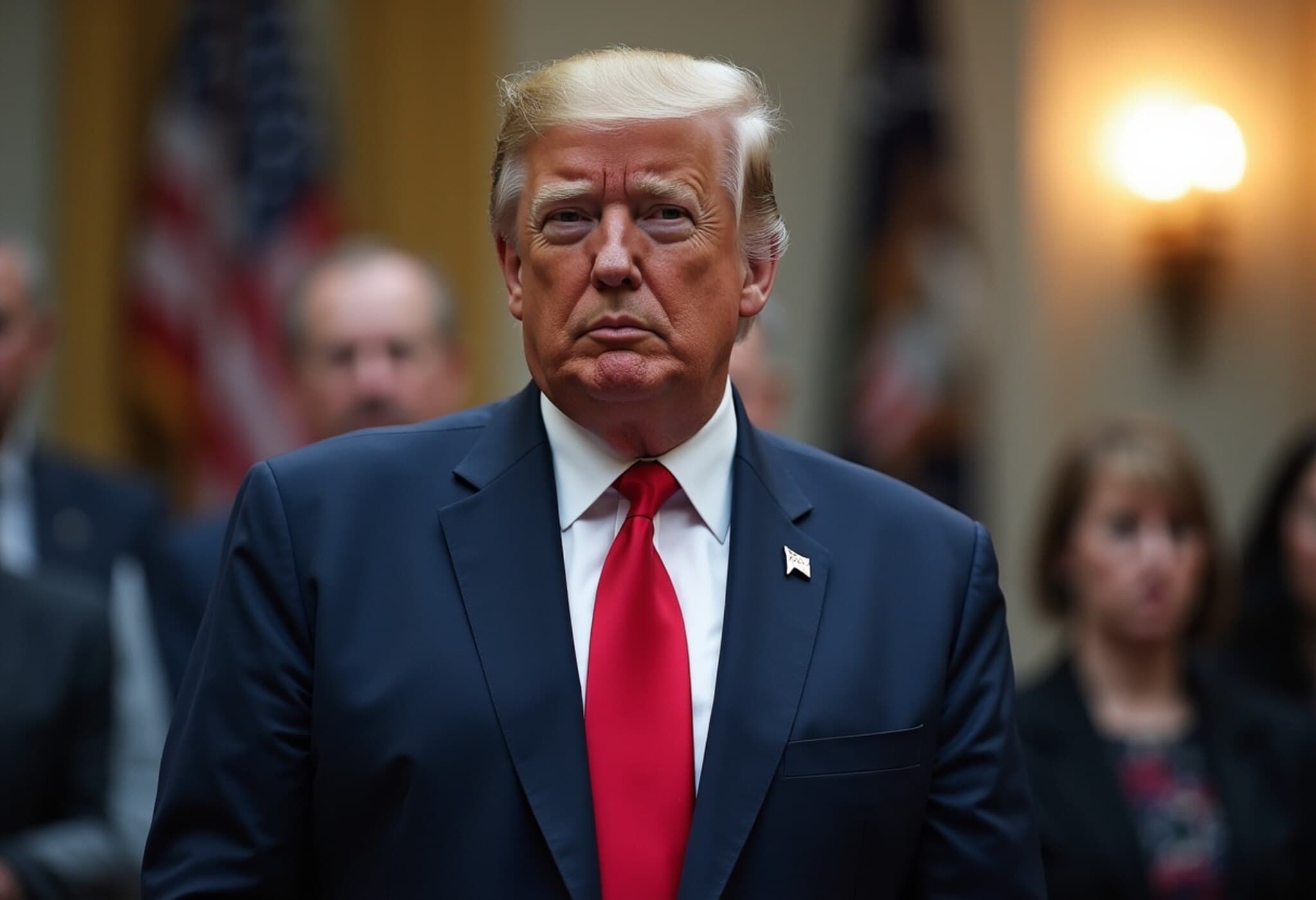
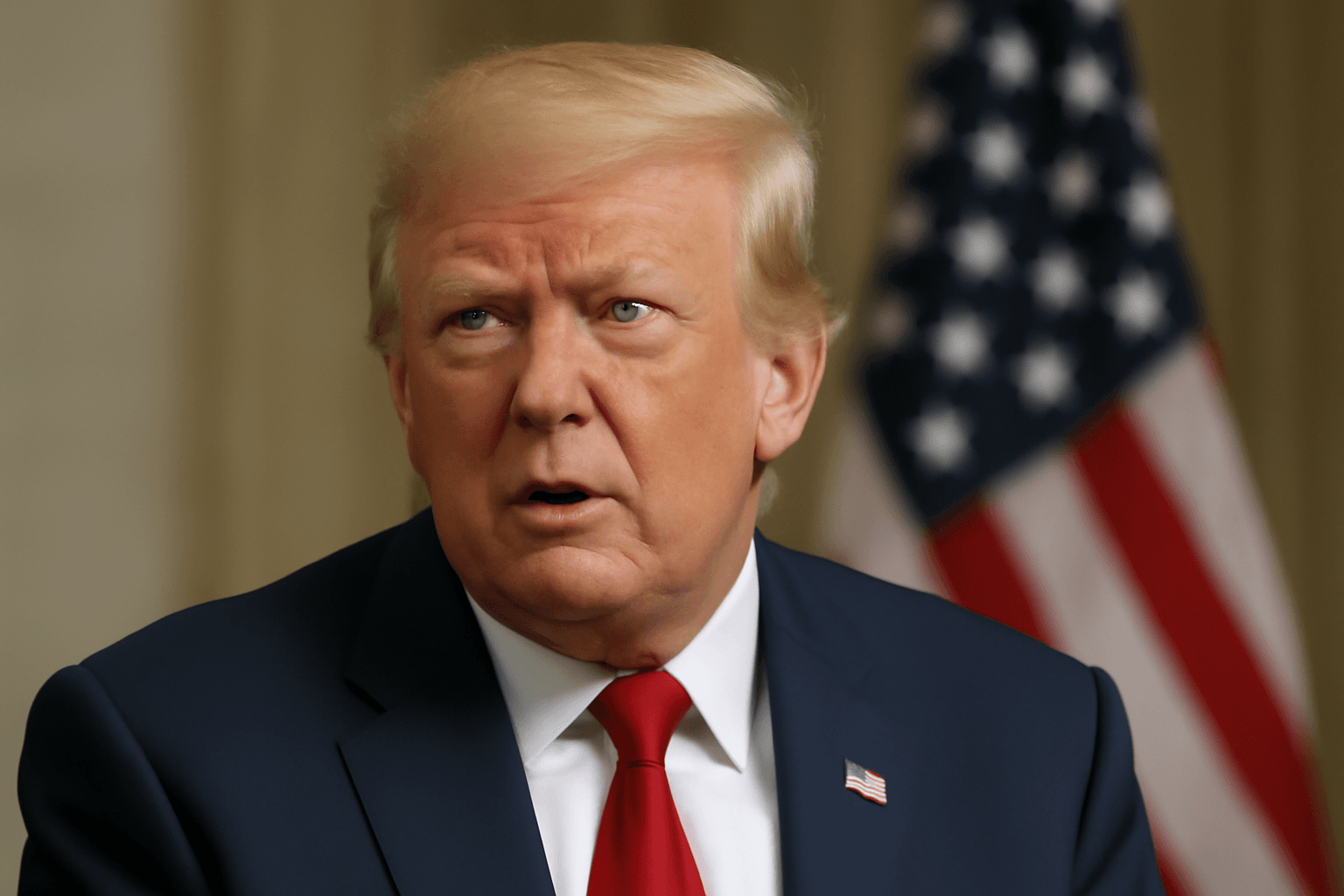
In a surprising turn amid the ongoing backlash surrounding Australian-American actress Sydney Sweeney’s American Eagle denim campaign, former US President Donald Trump expressed his newfound admiration for the ad after discovering she is a registered Republican. The 79-year-old ex-president, known for his outspoken nature on cultural topics, shared his thoughts on the commercial just before boarding Air Force One in Allentown, Pennsylvania.
“Oh, now I love her ad,” Trump told reporters. “You’d be surprised at how many people are Republicans. That’s one I wouldn’t have known but I’m glad you told me that. If Sydney Sweeny is a registered Republican, I think her ad is fantastic.”
The Controversy Behind the Campaign
The advertising spot, centered around Sweeney discussing genetic inheritance while wearing iconic blue jeans, sparked considerable debate on social media. Critics, largely from left-leaning circles, argue that the campaign’s references to genetics unintentionally echo eugenics rhetoric — a deeply sensitive and controversial subject in American social discourse.
One striking element of the campaign showed Sweeney playfully editing a billboard, replacing the word “genes” with “jeans,” a pun aimed at highlighting the product. The tagline bluntly states, “Sydney Sweeney has great jeans.” However, deeper interpretations of this messaging have stirred dialogues about race, beauty standards, and the potential normalization of biologically deterministic ideas.
Despite the uproar, American Eagle has firmly defended its approach, insisting the campaign celebrates individuality and style, and is solely focused on the jeans themselves without any ideological undertones.
Political and Cultural Fallout
Public records indicate that Sydney Sweeney has been registered with the Republican Party of Florida since June 2024, as confirmed by Buzzfeed News and corroborated by voter registration data. This revelation emerged right as critics intensified their scrutiny of the campaign, while supporters leveraged it as a political talking point.
White House officials, including former Trump communications director Steven Cheung, condemned what they termed “cancel culture run amok.” Vice President J.D. Vance, during an appearance on the Ruthless podcast, criticized Democrats for allegedly overreacting to a marketing campaign featuring “a pretty girl selling jeans.”
Expert Insight: Navigating the Intersection of Marketing, Politics, and Culture
Advertising campaigns today walk a razor-thin line between resonating with audiences and inadvertently igniting cultural controversies. Sydney Sweeney’s American Eagle ad exemplifies how brands aiming to be edgy or clever can face unexpected backlash when symbolism intersects with polarized political landscapes.
From a media literacy perspective, the episode underscores the importance of dissecting marketing messages critically but also contextualizing them within broader societal narratives. In the American political sphere, the affiliation of a celebrity with a particular party can amplify interpretations of otherwise apolitical content, fueling partisan divides.
Furthermore, this case opens a conversation on how brands might better anticipate and manage cultural sensitivities—especially when messaging touches on subjects like genetics, race, and identity, which remain fraught with historical weight in the U.S.
Looking Ahead: What This Means for Brands and Celebrities
- Transparency and clarity: Brands should clearly communicate campaign intentions to prevent misinterpretations.
- Celebrity political affiliations: As public figures’ personal beliefs become more visible, their endorsements can become politicized.
- Audience segmentation: Marketers must tailor messages knowing today's consumers are highly attuned to social and political nuances.
- Dialogue over dismissal: Encouraging open conversations rather than swift condemnation helps bridge divides.
Editor’s Note
Sydney Sweeney’s American Eagle ad saga is much more than a brand campaign; it’s a reflection of how culture, politics, and commerce collide in the digital age. It invites us to ponder: How do we responsibly interpret marketing messages in a politically charged environment? And how might celebrity influence shape public perception beyond product sales? As consumers and citizens, fostering a balanced, nuanced approach can help us engage more thoughtfully with media and each other.
— TOI World Desk