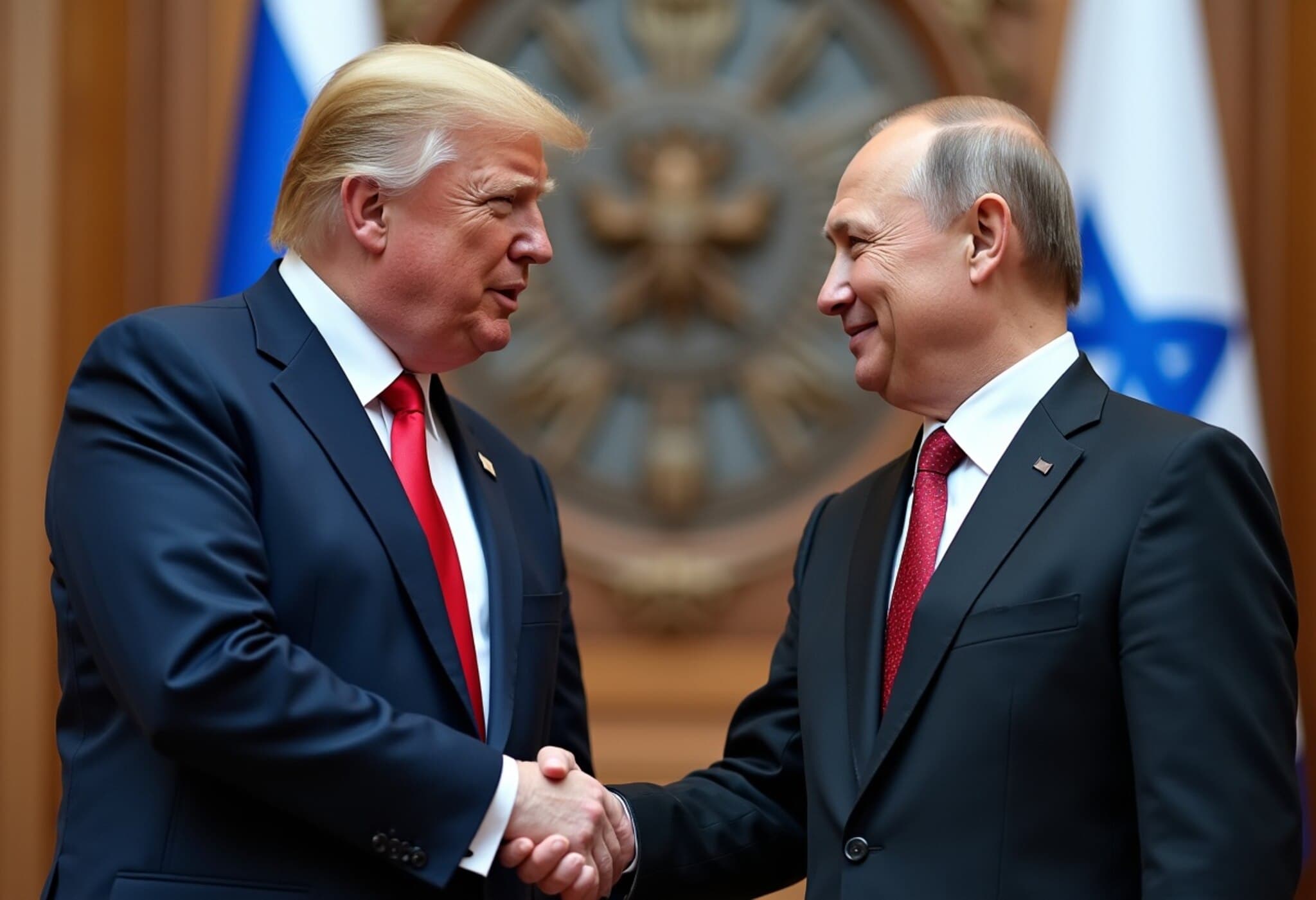
Russian Media Celebrates Trump-Putin Summit as Diplomatic Victory
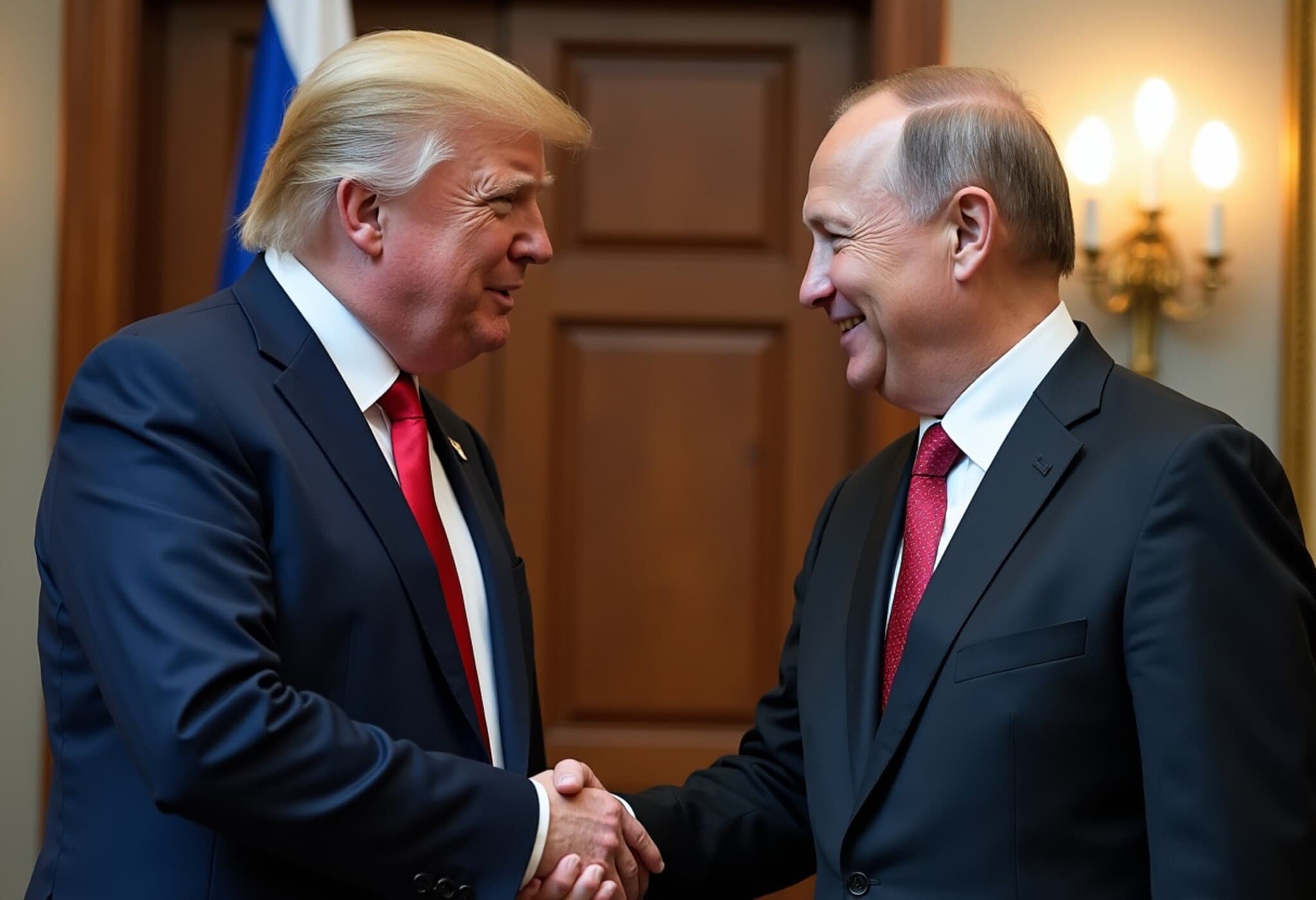
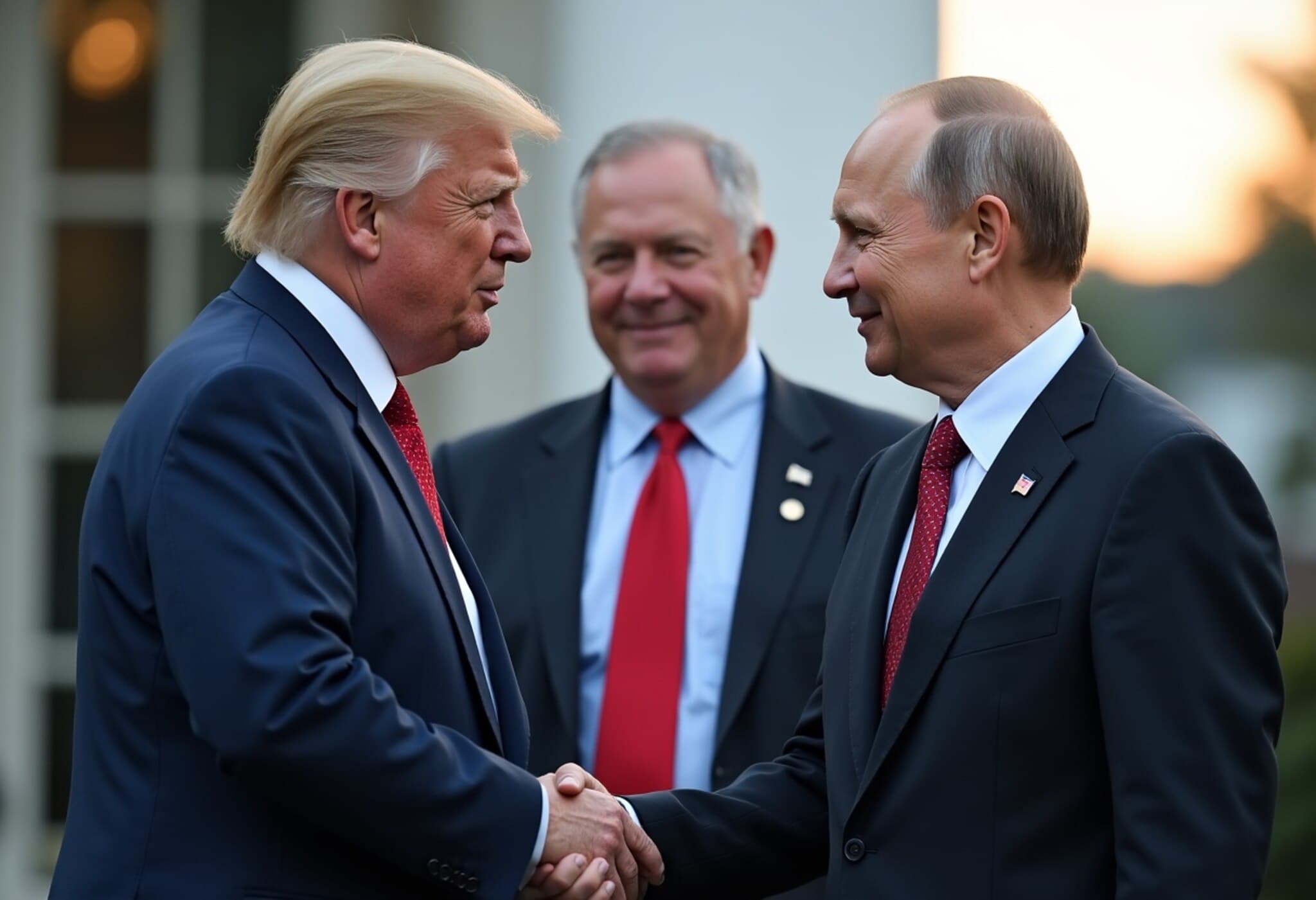
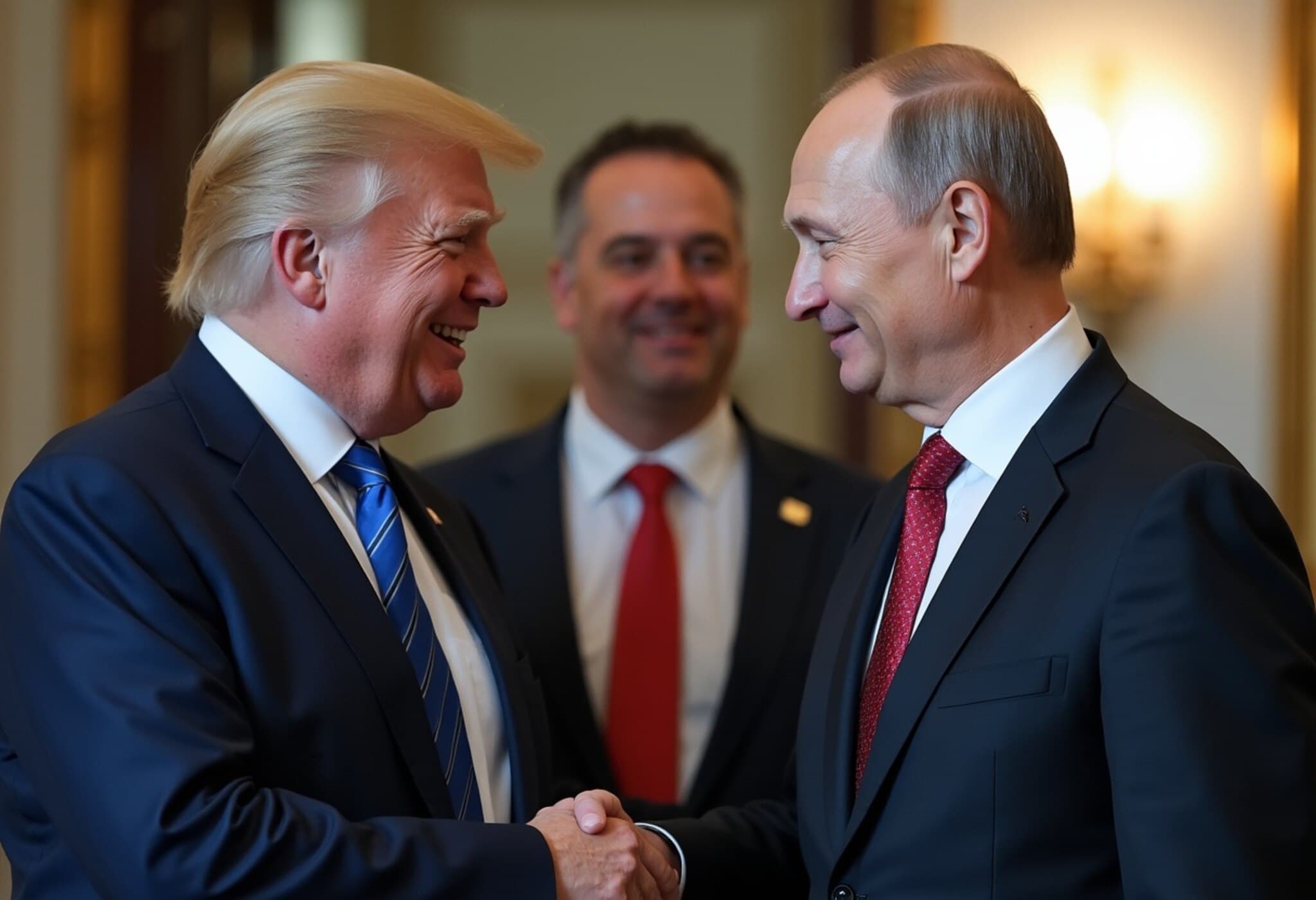
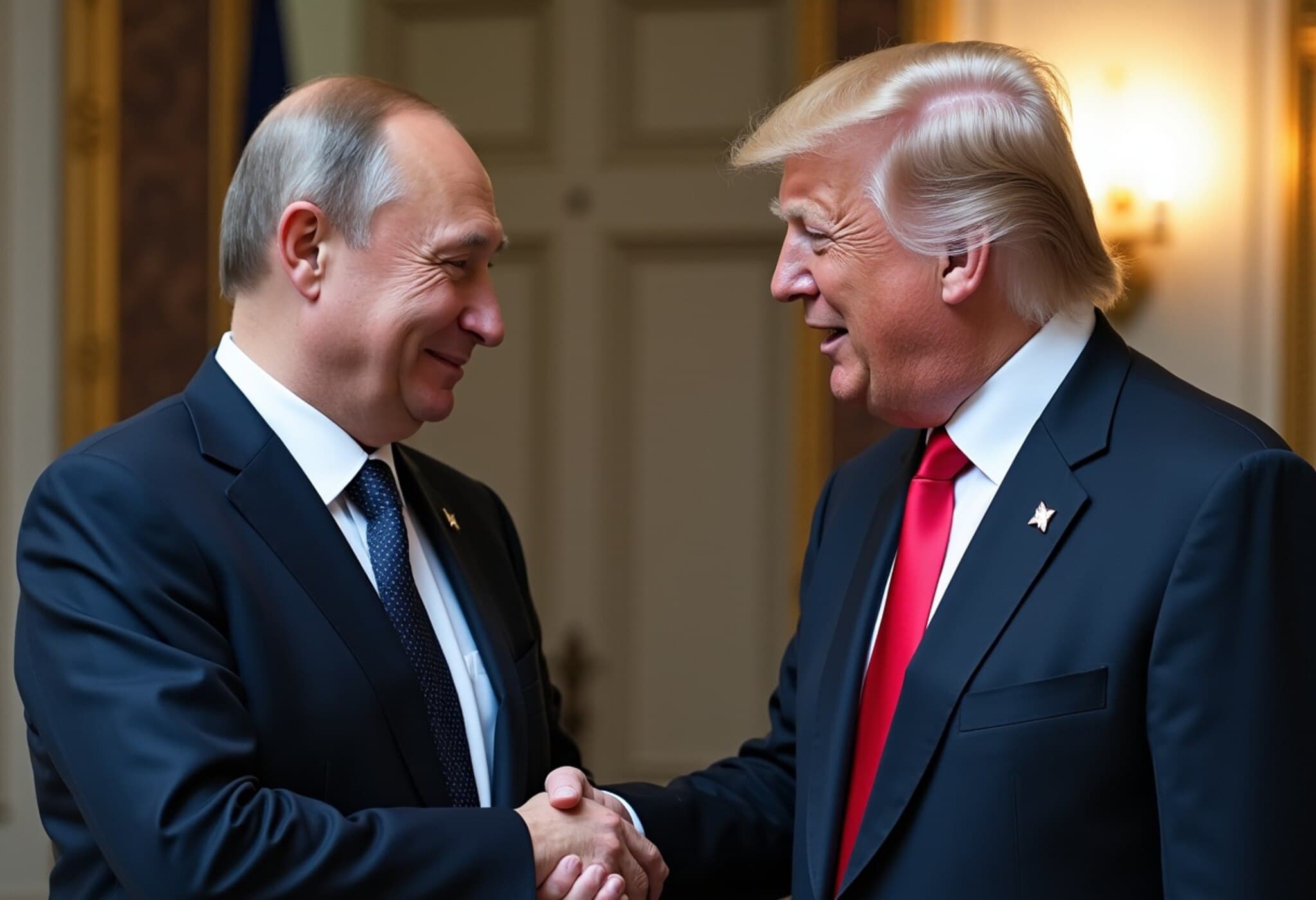
As Russian President Vladimir Putin traveled to Alaska on August 15, 2025, for a highly anticipated summit with former U.S. President Donald Trump, Russian state media erupted with optimism, framing the event as a global stage victory for Moscow. Headlines across state-controlled outlets praised the talks as a pivotal step toward resetting fraught Russia-U.S. relations, especially amidst the ongoing conflict in Ukraine.
Russian commentators highlighted the summit’s potential to enhance Russia’s international standing and provide economic relief after years of sanctions linked to the 2022 invasion of Ukraine. Kirill Strelnikov, a columnist for Russia's RIA Novosti, asserted that recent territorial advances on the battlefield have strengthened Moscow’s negotiating position, crediting the Russian military as the de facto arbitrator at the negotiating table.
State Media’s Tight Narrative Control
The Russian media landscape remains firmly under Kremlin influence, offering sparse space for dissent or critical reporting. State outlets regularly amplify Russia’s military successes while minimizing setbacks or civilian impacts. Dissenting journalists risk heavy penalties, including imprisonment, limiting public access to alternative perspectives on the war.
Contrasting Mood in Kyiv: Fear and Distrust
Across the border, the atmosphere couldn’t be more different. Ukrainian media and officials expressed deep unease over the summit, fearing that Trump’s dialogue with Putin might come at Kyiv’s expense. Worries dominate that any ceasefire agreement could involve territorial concessions that undermine Ukraine’s sovereignty and long-term territorial integrity.
The Kyiv Independent and other outlets criticized what they called the "rehabilitation" of Putin’s image on the world stage, especially given his indictment by the International Criminal Court for alleged war crimes, including the forced deportation of Ukrainian children—a charge Moscow rigorously denies.
Morale Among Ukrainian Forces and Citizens
Ukrainian troops and citizens remain anxious about Trump’s prior promises to swiftly end the conflict, which have yet to materialize. Instead, many perceive reluctance from his side to impose stronger sanctions on Russia, raising fears of a diplomatic deal that rewards aggression.
Geopolitical Stakes: The U.S.’ Unique Position
While the ICC indictment looms over Putin, the United States has no legal obligation to arrest him on American soil, as it is not a signatory to the Rome Statute. This legal nuance adds complexity to the summit, potentially impacting how the U.S. balances its diplomatic engagement with ongoing commitments to Ukraine and international law.
Experts Weigh In: What’s at Stake?
Policy analysts emphasize that this summit is less about immediate breakthroughs and more about setting the stage for future negotiations—though with significant risks. Ukrainian sovereignty advocates warn against any tacit acceptance of Russia’s territorial gains, arguing that such concessions could embolden further aggression and destabilize European security.
Meanwhile, some American experts note that Trump’s past transactional approach to foreign policy heavily factors into the summit’s dynamics; there is skepticism about how firm any ceasefire agreement could be without robust enforcement mechanisms and clear commitments.
Anticipation Builds Ahead of Joint Press Conference
The summit officially kicks off at 3:30 p.m. ET, followed by a joint press briefing expected to be a focal point for international observers. The global community will be listening closely for any signs of compromise, new declarations, or red lines that might shape the next chapter of the Ukraine conflict.
The White House has stated the aim is to explore all options to bring this war to a peaceful end. Yet European allies and Kyiv remain wary, mindful of precedents where purported peace deals have come at the price of territorial concessions and regional instability.
Looking Ahead: Questions for the Global Community
- Will the summit lead to tangible progress toward ending hostilities, or inadvertently legitimize territorial grievances?
- How will the U.S. balance its strategic interests with its support for Ukraine’s sovereignty?
- What role should international legal mechanisms like the ICC play amid high-stakes diplomacy?
Editor’s Note
This Alaska summit between Trump and Putin is more than a diplomatic meeting—it's a flashpoint revealing deep divides in perception between Russia and Ukraine, as well as the broader international community’s challenges in resolving the conflict. While Russia sees an opportunity for normalization and relief, Ukraine faces anxious uncertainty about its future borders and security. As the world watches, the stakes couldn’t be higher.