Trump Set to Reaffirm 'America First' Stance at UN General Assembly 2025
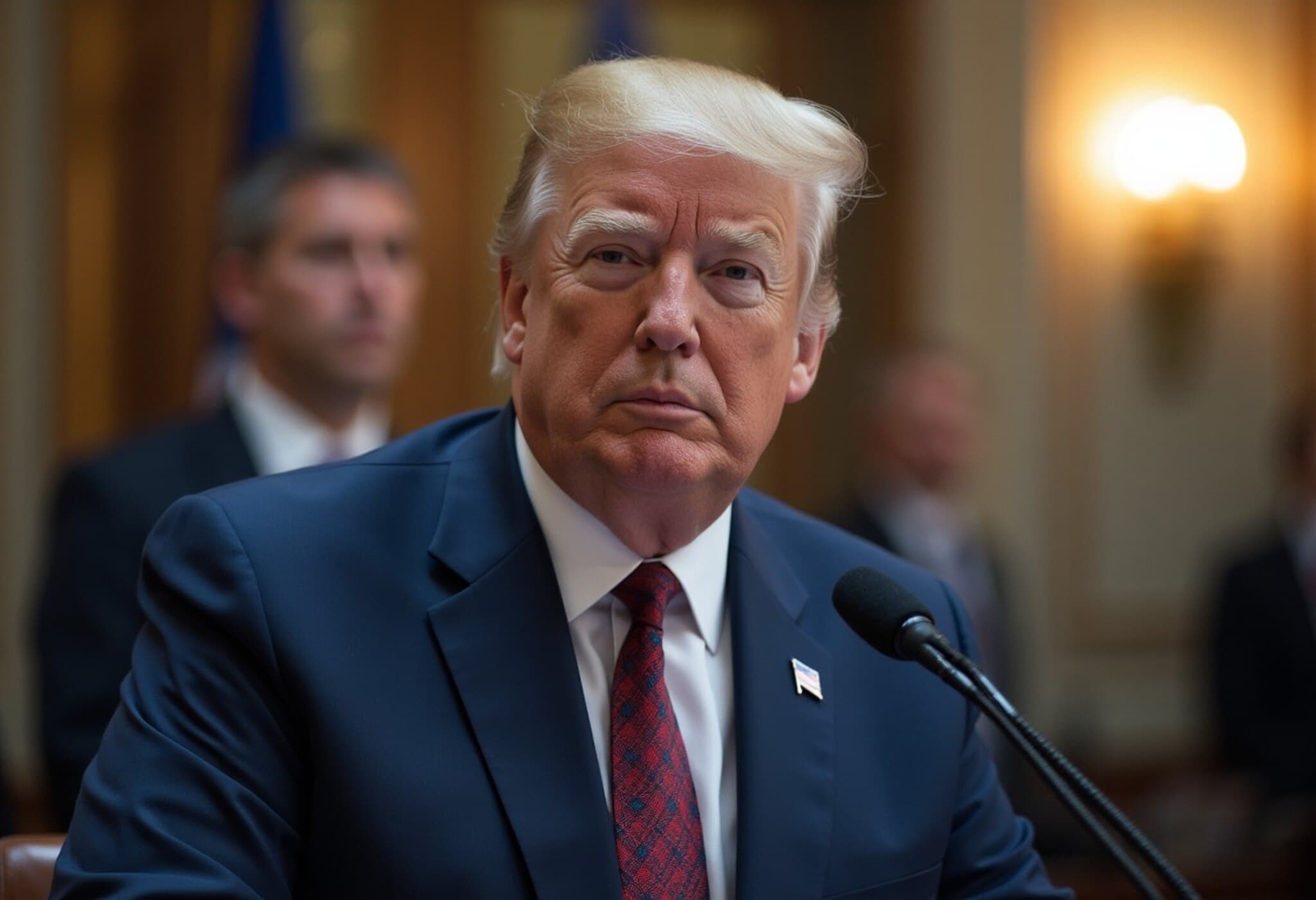
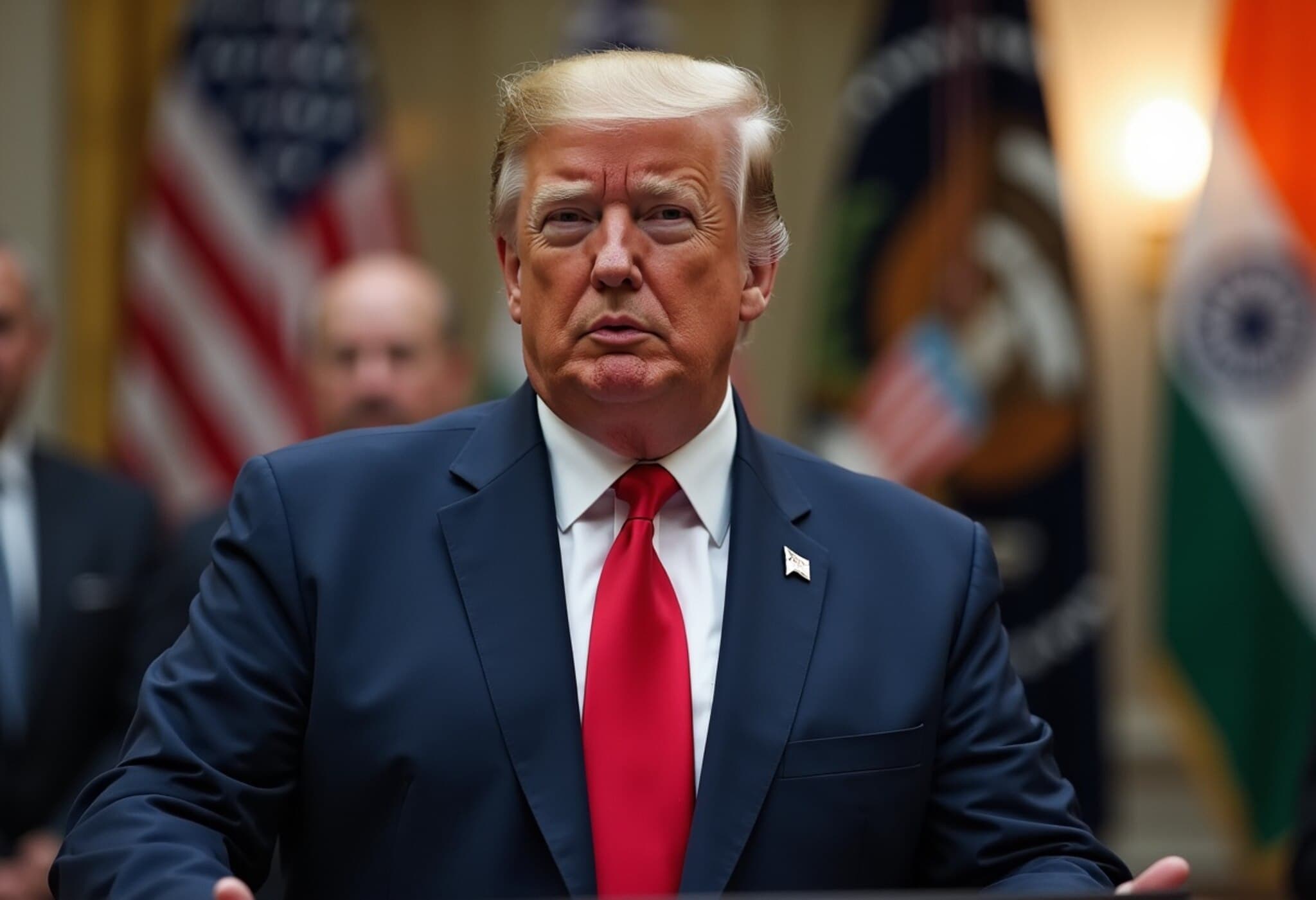
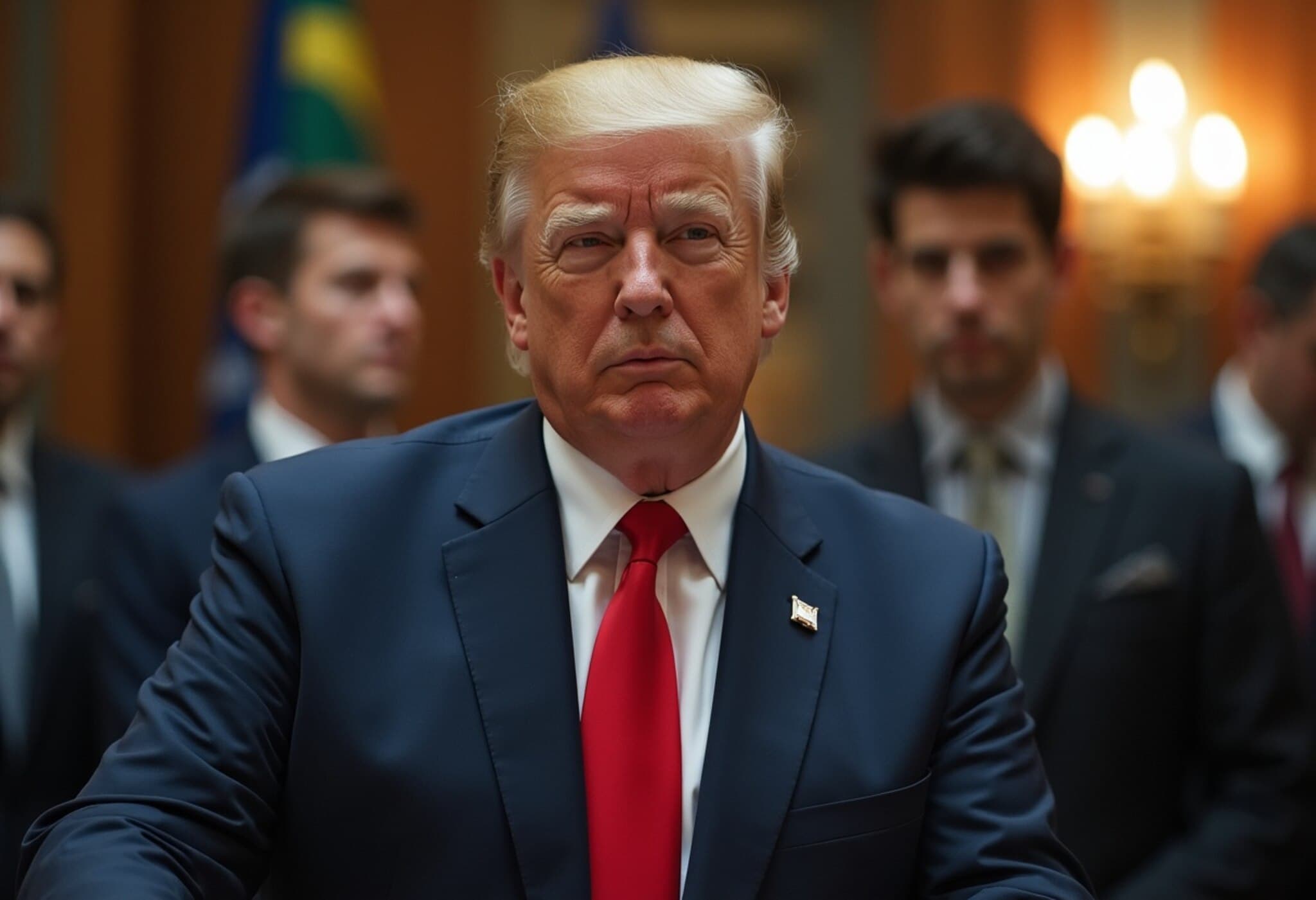
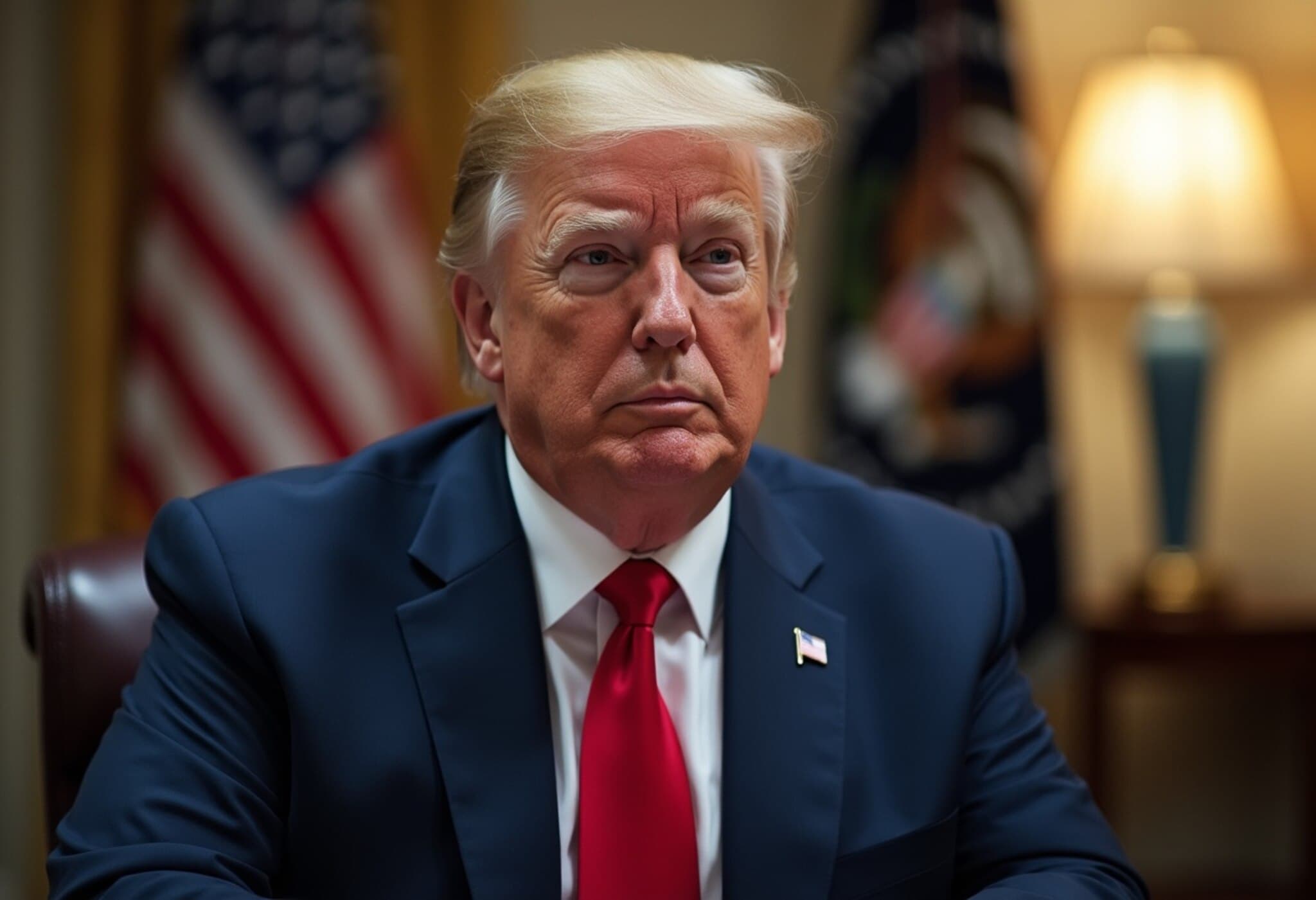
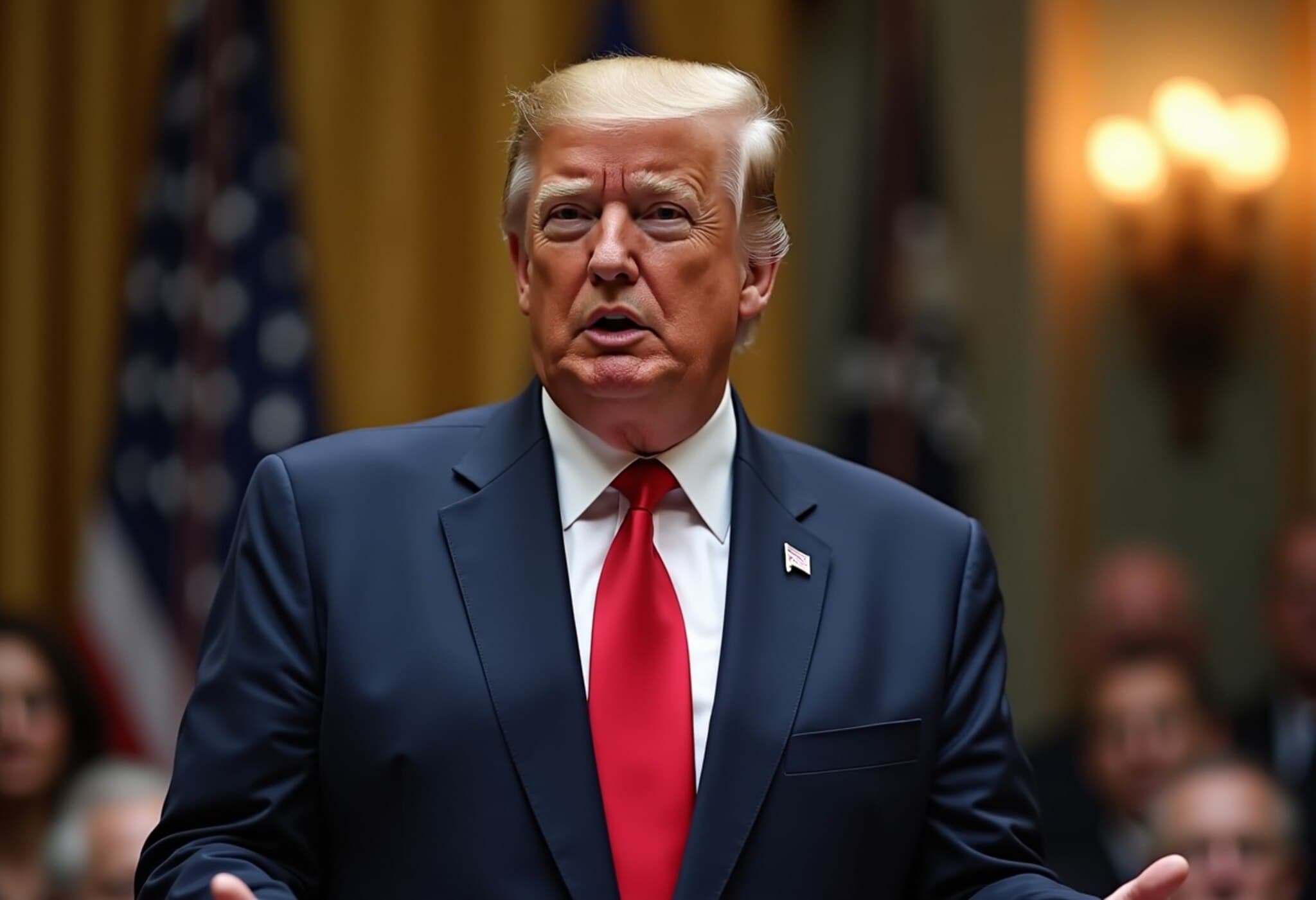
In a highly anticipated move, US President Donald Trump is scheduled to deliver a keynote address at the United Nations General Assembly (UNGA) on September 23, 2025, marking his first speech to the global body since the commencement of his second presidential term earlier this year. The announcement was confirmed by White House Press Secretary Karoline Leavitt, who noted President Trump’s planned arrival in New York City on September 22.
Anticipated Themes: Trade, Sovereignty, and National Interest
Observers expect President Trump to robustly reiterate his signature “America First” agenda during his UNGA address. Central to this platform is a continued justification of the trade war policies implemented under his administration, including the defense of punitive tariffs as essential instruments to safeguard American economic interests and national sovereignty.
Trump’s prior UNGA speeches (2017–2020) were characterized by their directness and often confrontational tone, setting a precedent for a presidency unafraid to challenge the status quo of international diplomacy. Familiar themes, including a hardline posture on China, Iran, and immigration, are likely to feature once again — underscoring his administration’s skepticism towards globalism and multilateral agreements perceived to disadvantage the United States.
A Look Back: Trump’s UN Addresses During First Term
- 2017: Trump launched his first address with a stark warning to North Korea, threatening its destruction if provoked and deriding its leader Kim Jong-un as “Rocket Man.” He also condemned the Iran nuclear deal as a failure.
- 2018: A year later, he doubled down on nationalism, dismissing globalization and reaffirming a policy that prioritized American economic and security interests above collective international goals.
- 2019: His rhetoric maintained focus on enforcing tariffs against China and expressing concerns over immigration and regional instability caused by Iran.
- 2020: Amid the global Covid-19 pandemic, Trump delivered a pre-recorded message attributing responsibility for the virus’s spread to China, emphasizing accountability in global health crises.
Parallel UNGA Preparations: Modi and Zelenskyy Set to Participate
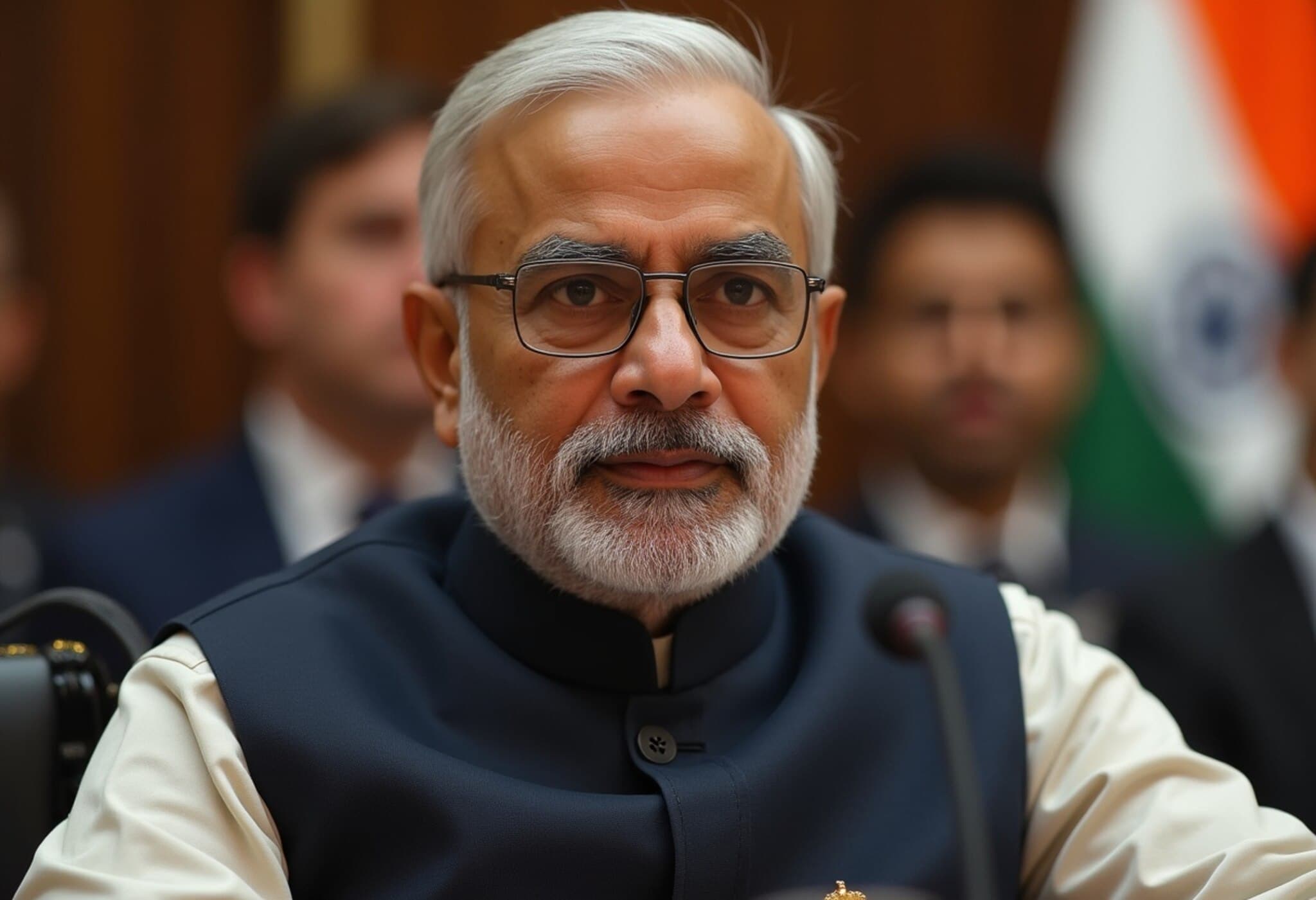
The upcoming UNGA session also sees potential appearances by other prominent world leaders. Indian Prime Minister Narendra Modi’s name appears on a provisional list of speakers, tentatively scheduled to address the assembly on the morning of September 26. Though India’s External Affairs Ministry has not officially confirmed the visit, diplomatic activity suggests high-level engagement is underway.
Adding to the session’s diplomatic weight, Ukrainian President Volodymyr Zelenskyy recently indicated plans for a personal meeting with Prime Minister Modi during the General Assembly, highlighting the forum’s ongoing role as a platform for crucial geopolitical dialogues amid global conflicts.
Implications for US Foreign Policy and Global Diplomacy
Trump’s speech arrives at a complex juncture in international relations. With rising tensions from trade disputes to regional conflicts and global health challenges, the reaffirmation of an “America First” agenda raises pressing questions about the future of multilateralism and global cooperation. Analysts note that this ideology, while resonant with a significant portion of the American electorate, often clashes with the interests of allies and international institutions designed to foster collective security and economic stability.
Moreover, the UNGA stage provides Trump an opportunity to recalibrate or reinforce US positioning on the world stage — a balancing act between appealing to domestic political bases and engaging with an interconnected, multipolar world order.
Editor’s Note
President Trump’s upcoming UN General Assembly speech is more than just a formality; it’s a renewed declaration of a foreign policy doctrine that continues to shape international debates. As Trump seeks to defend his trade policies and nationalist priorities, observers should watch for how his rhetoric aligns with evolving geopolitical realities and the US’s role within a complex global ecosystem. Meanwhile, the juxtaposition of other world leaders such as Narendra Modi and Volodymyr Zelenskyy at the same forum offers a powerful reminder of the diversity of priorities and challenges shaping the 2025 UNGA agenda.