U.S. Intensifies Crackdown on Venezuelan Oil Amid Geopolitical Tensions
In a bold move that has escalated already fraught relations between the United States and Venezuela, U.S. authorities have intensified their interception of oil tankers suspected of carrying Venezuelan crude. Homeland Security Secretary Kristi Noem emphasized the operation’s strategic aim: to destabilize Nicolás Maduro’s regime by targeting its critical oil revenues.
Operation Details and Legal Complexities
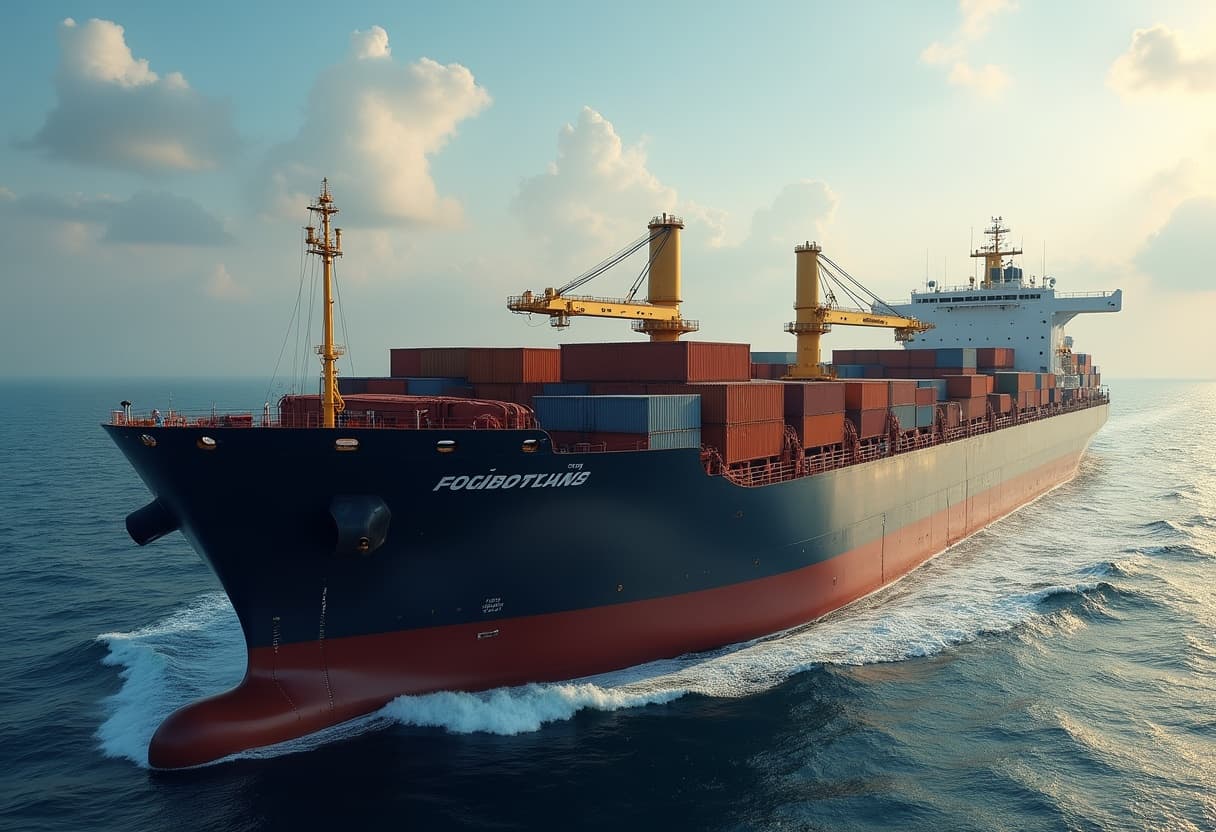
Over the past week, the U.S. Coast Guard has actively pursued and attempted to seize vessels such as the Bella 1, flagged ambiguously and suspected of illicit oil trading, and the Centuries, a Panamanian-flagged tanker recently loaded with Venezuelan crude, reportedly destined for Chinese buyers. Despite the issuance of seizure warrants, some tankers have evaded capture, refusing orders to stop, which has complicated enforcement efforts.
The use of naval helicopters deploying boarding teams via rapid fast-roping maneuvers illustrates the high stakes and operational sophistication. Such tactics, reminiscent of maritime interdictions in sanction enforcement during the 1990s Gulf conflicts, underscore U.S. resolve but also raise questions about international maritime law.
International Backlash and Economic Ramifications
China, Venezuela’s largest oil importer, has characterized the U.S. seizures as a serious infringement on sovereignty, condemning what it calls “unilateral bullying.” Beijing’s opposition signals risks for broader U.S.-China diplomatic relations, especially with upcoming high-level summits aiming to smooth bilateral tensions.
Meanwhile, in Latin America, Brazilian President Luiz Inácio Lula da Silva cautioned against further escalation, deeming any military intervention a potential humanitarian disaster. These concerns highlight the delicate balance between economic sanctions, geopolitical strategy, and regional stability.
Domestic Debate and Political Divides in Washington
The operation has also sparked debate within U.S. policymaking circles. Senator Rand Paul, a libertarian-leaning Republican, criticized the tanker seizures as provocative actions likely to escalate military conflict. He urged caution, warning against America acting as the global policeman and noted the dangers of unchecked interventionism.
Contrastingly, Venezuelan opposition leader María Corina Machado praised the seizures, arguing that cutting Maduro’s financial lifelines is essential and long overdue. This divergence reflects the complex intersection of U.S. foreign policy with Venezuelan domestic politics.
Maduro’s Response and Global Energy Concerns
In a forceful letter to the United Nations, Nicolás Maduro condemned the U.S. actions as “blockade and acts of piracy,” warning they jeopardize global energy supplies and market stability. His administration insists that Venezuela remains committed to adhering to national and international laws despite mounting pressures.
The U.N. Security Council’s decision to hold an emergency meeting reflects growing international alarm over the implications of U.S. measures on global energy markets and geopolitical stability.
Contextual Analysis: The Broader Stakes
The U.S. strategy to isolate Maduro economically through maritime interdiction taps into the broader global contest for influence in Latin America. Oil exports remain Venezuela’s primary revenue source, and targeting them strikes at the heart of Maduro’s regime. Yet, this approach carries significant risks:
- Legal Ambiguity: Intercepting vessels flagged by third-party nations and operating in international waters complicate adherence to maritime law and risk diplomatic fallout.
- Energy Market Volatility: Sudden disruptions in Venezuelan crude supply can reverberate across global markets already sensitive to geopolitical shocks.
- Regional Stability: Heightened U.S. military activity may inflame tensions in Latin America, potentially pushing Venezuela closer to allies like China and Russia.
- Domestic Political Risk: Internal U.S. disagreements on military interventions highlight the thin line policymakers tread between firm diplomacy and unintended conflicts.
These complexities underscore the importance of transparent international dialogue and multilateral frameworks to address Venezuela’s crisis without jeopardizing broader global stability.
Editor’s Note
The U.S. interceptions of Venezuelan oil tankers present a poignant intersection of power, law, and diplomacy. While aiming to dismantle Maduro's economic base, the approach risks inflaming international tensions and unsettling energy markets. Readers should consider how the evolving dynamics between the U.S., China, and Latin America could reshape global alliances and question how maritime law adapts to contemporary geopolitical conflicts.
As this situation unfolds, critical questions remain: How will international bodies mediate between the enforcement of sanctions and respect for sovereignty? What are the long-term implications of utilizing energy resources as geopolitical weapons? The world watches closely, with stakes extending far beyond the Caribbean Sea.