Ukraine Faces Backlash as Zelenskyy Weakens Anti-Corruption Bodies Amid National Protests
In a move stirring widespread unrest across Kyiv, Ukrainian President Volodymyr Zelenskyy has signed into law a contentious bill that significantly diminishes the independence of the nation’s watchdogs against corruption. The legislation targets two pivotal institutions: the National Anti-Corruption Bureau of Ukraine (NABU) and the Specialized Anti-Corruption Prosecutor’s Office (SAPO), widely seen as Ukraine’s front line in fighting endemic graft.
Parliament Endorses Legislation Raising Concerns Over Autonomy
Earlier this week, Ukraine’s legislature, the Verkhovna Rada, passed the bill granting sweeping authority to the Prosecutor General’s Office. This shift effectively gives the government unilateral power to decide which corruption cases proceed and which are shelved. Such consolidation of prosecutorial discretion has alarmed civil society advocates and international observers alike, who warn it could open the door to selective justice.
Many critics argue the law dangerously undermines democratic oversight — a worrying trend especially as Ukraine continues its protracted conflict with Russia. The perception that anti-corruption efforts could be stalled or manipulated fuels skepticism about the government’s commitment to transparency amidst wartime pressures.
Public Outcry: Mass Protests Echo Calls for Accountability
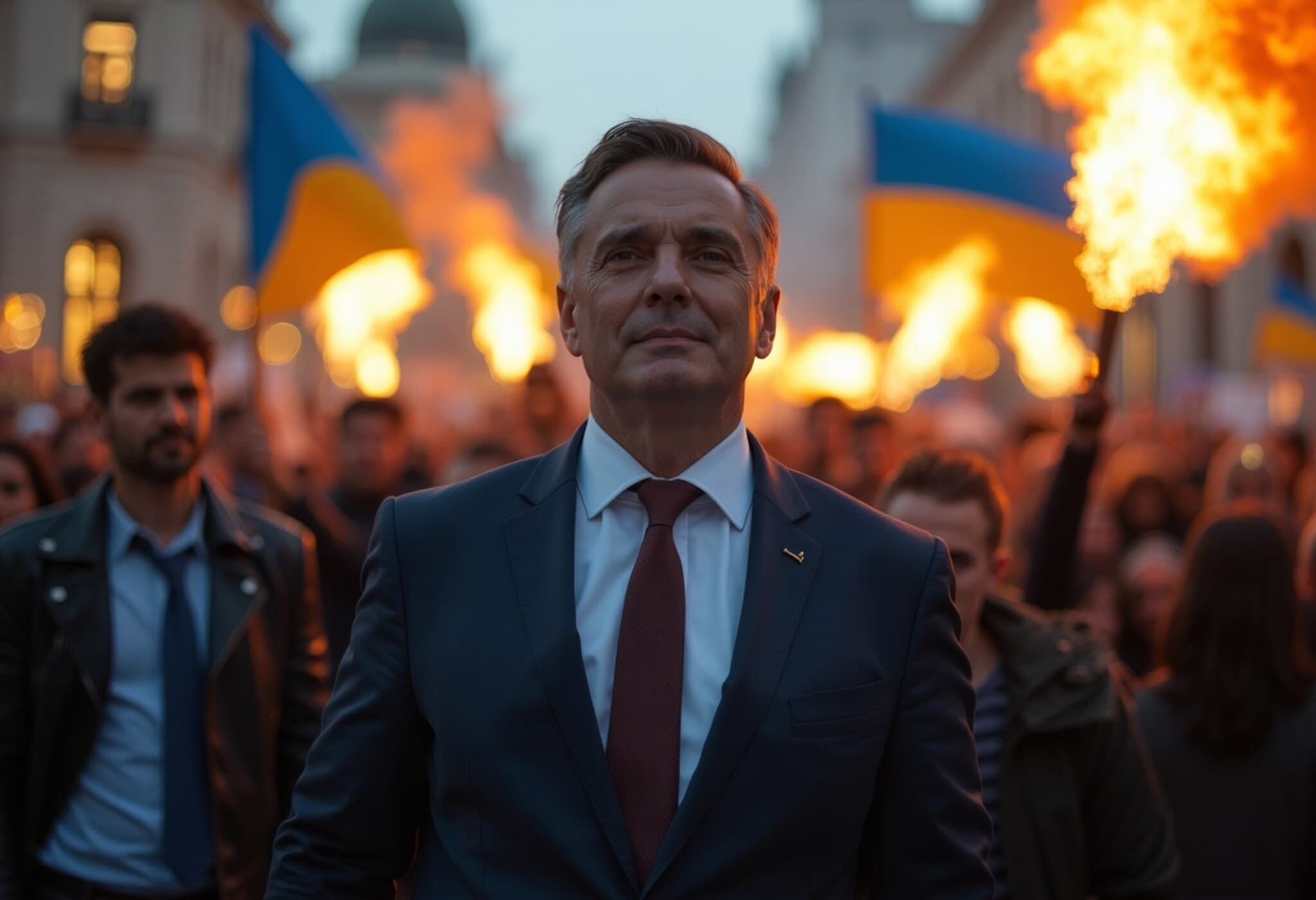
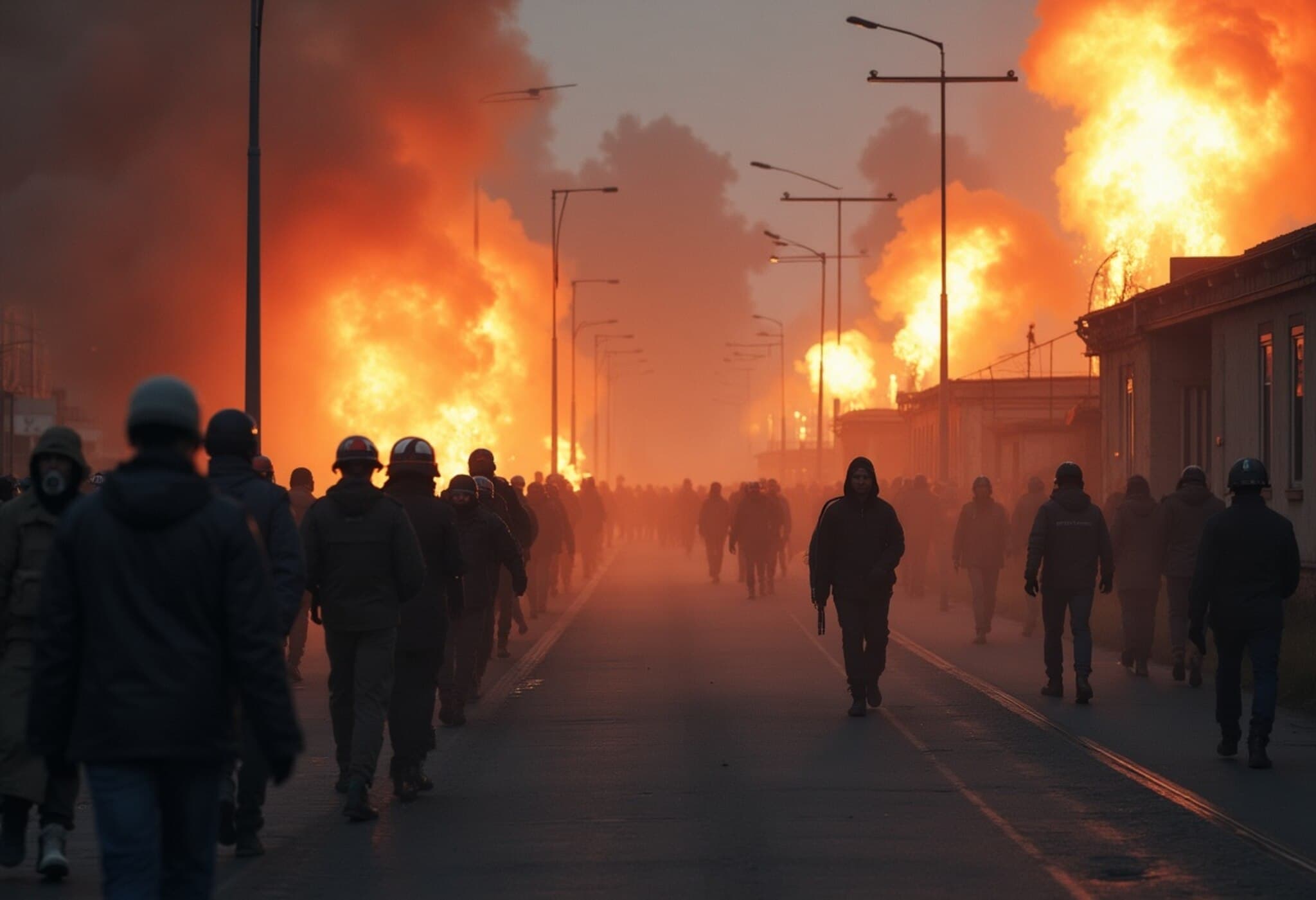
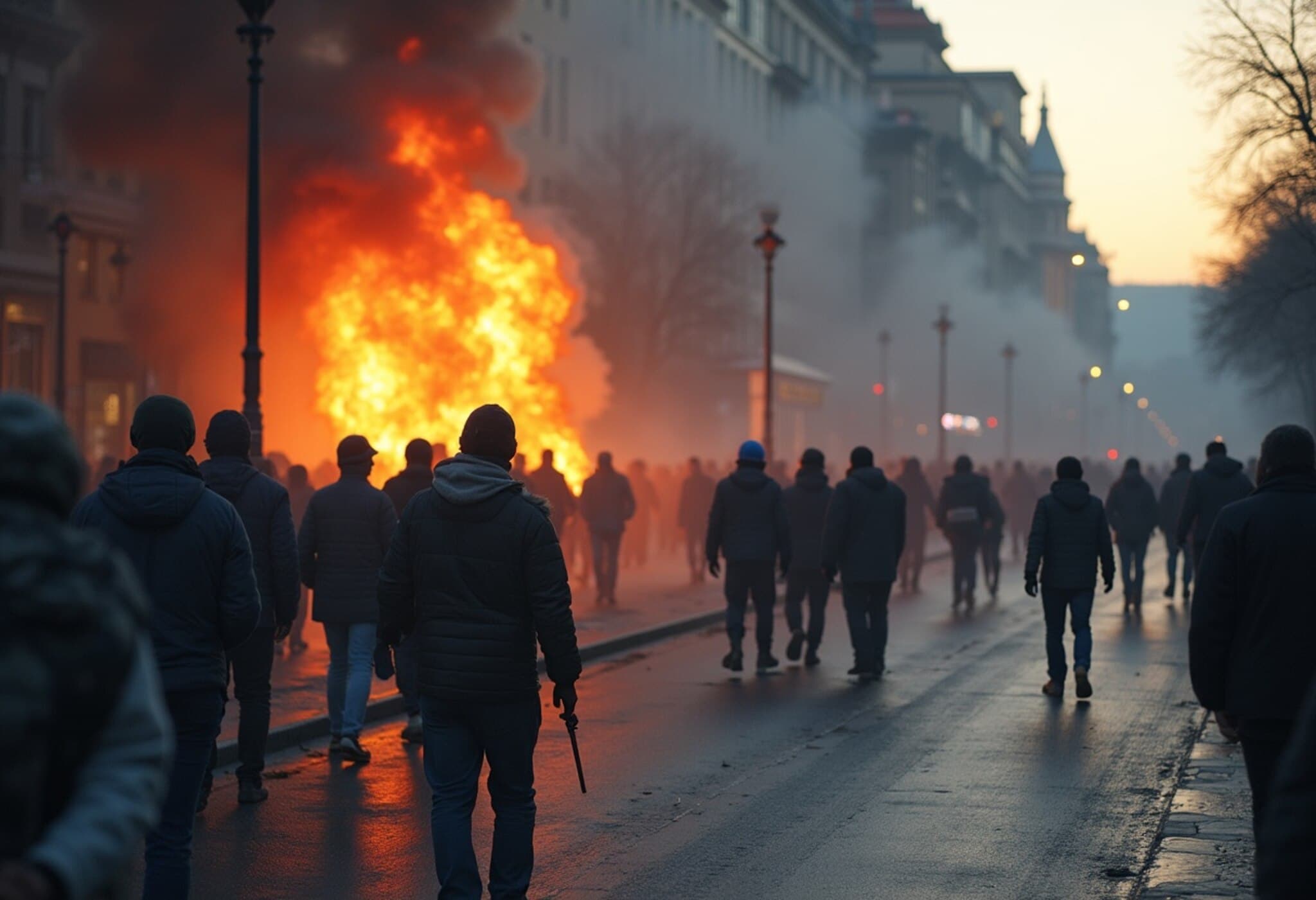
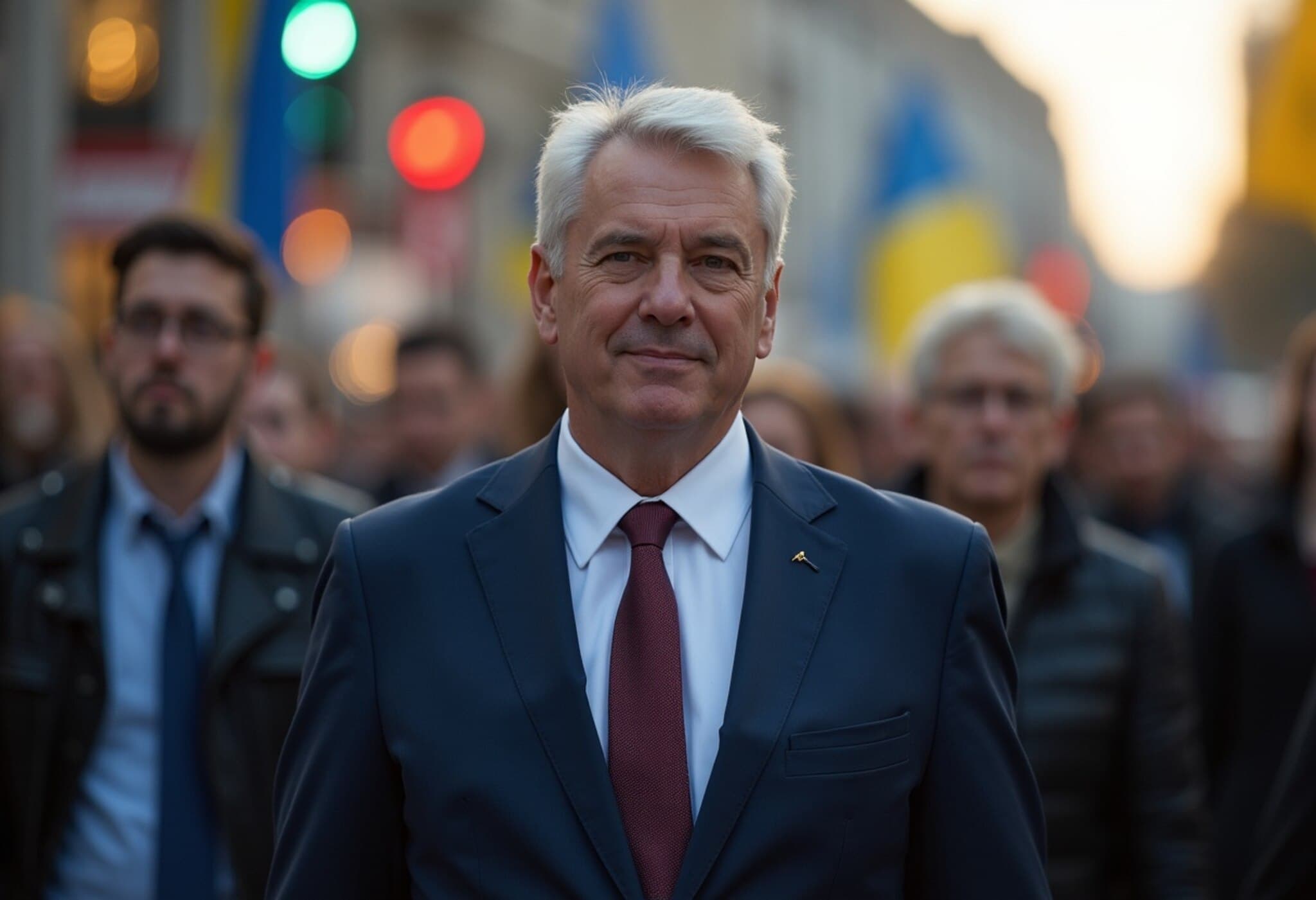
Kyiv’s streets have become a stage for vocal opposition. Upwards of 1,500 protesters gathered near Zelenskyy’s presidential administration building, chanting slogans such as "Shame" and "Veto the law". Placards and colorful Ukrainian flags dotted the crowd—which included students, activists, military veterans, and political allies like Kyiv’s mayor, Vitali Klitschko.
One demonstrator poignantly expressed the collective anxiety: "We don’t want to be like Russia. Zelenskyy is still our president. But when he does the wrong things, we will say so." This sentiment encapsulates a critical crossroads for Ukrainian democracy, torn between safeguarding sovereignty and preserving rule of law.
Government Response: Raids and Rising Power Concentration
Amid ongoing military tension on the Russo-Ukrainian front, Kyiv has also launched intensified actions against perceived internal dissent. Last week, the State Bureau of Investigation executed raids at the domicile and offices of former Infrastructure Minister Oleksandr Kubrakov and anti-corruption activist Vitaliy Shabunin.
Kubrakov faces fraud allegations relating to alleged corrupt practices, while Shabunin is accused of fraud and allegedly abandoning his military post. Both have challenged charges as politically motivated, underscoring fears that the administration is leveraging the conflict to extend executive control at the expense of democratic norms.
Expert Insight: The Delicate Balance Between Security and Democracy
From an analytical perspective, Ukraine’s current trajectory raises urgent questions about wartime governance and anti-corruption reform. Strategic centralization can sometimes be justified in crisis scenarios for cohesion and stability. However, unchecked authority risks eroding the very democratic institutions that underpin Ukraine’s international legitimacy and long-term resilience.
Legal experts caution that while combating corruption remains pivotal for Ukraine’s EU aspirations, diminishing independent oversight bodies could discourage foreign investment and aid, complicate diplomatic relations, and fuel public distrust at a moment when unity is crucial.
Key Takeaways
- Bill Weakens Anti-Corruption Agencies: The legislation reduces NABU and SAPO’s independence.
- Public Protests: Citizens and officials voice strong opposition in Kyiv.
- Expanded Prosecutorial Power: Government gains discretion over which corruption cases proceed.
- Raids Reflect Internal Power Struggle: Targeting former officials and activists amid ongoing conflict.
- Democratic Risks: Signs of pressure on Ukrainian rule of law during wartime.
Editor’s Note
Ukraine stands at a complex juncture where the imperatives of national security and democratic integrity intersect. While the battle against Russian aggression demands cohesive governance, the recent rollback of anti-corruption safeguards poses critical challenges to transparency and accountability — foundational pillars of Ukraine’s democratic journey and EU integration efforts. Observers and citizens alike must now grapple with how to hold leadership accountable without compromising unity, a balancing act with profound implications for Ukraine’s future as a sovereign, democratic state.