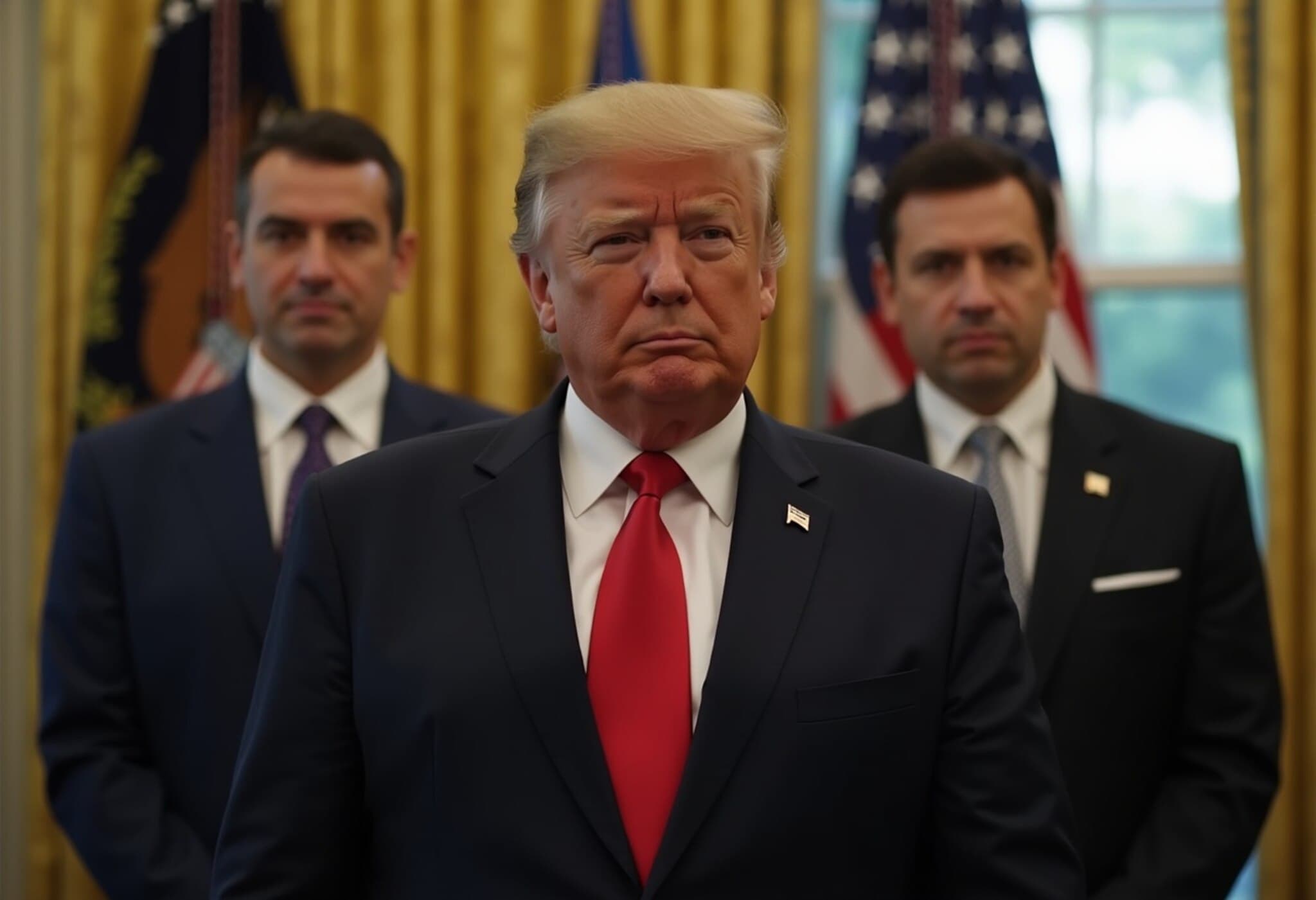
Fashion Meets Diplomacy: The Subtle Power of Zelenskyy’s Wardrobe Choice
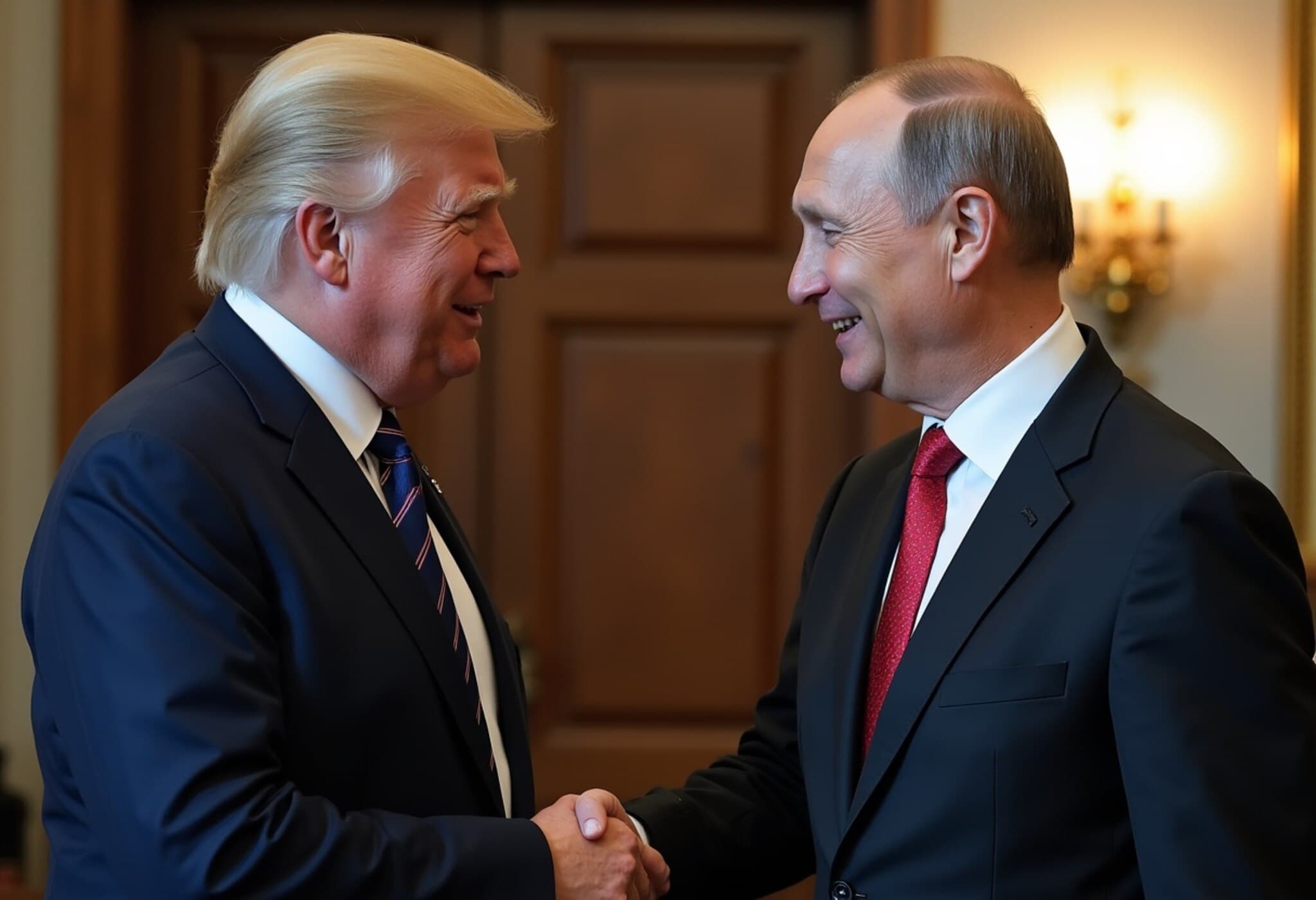
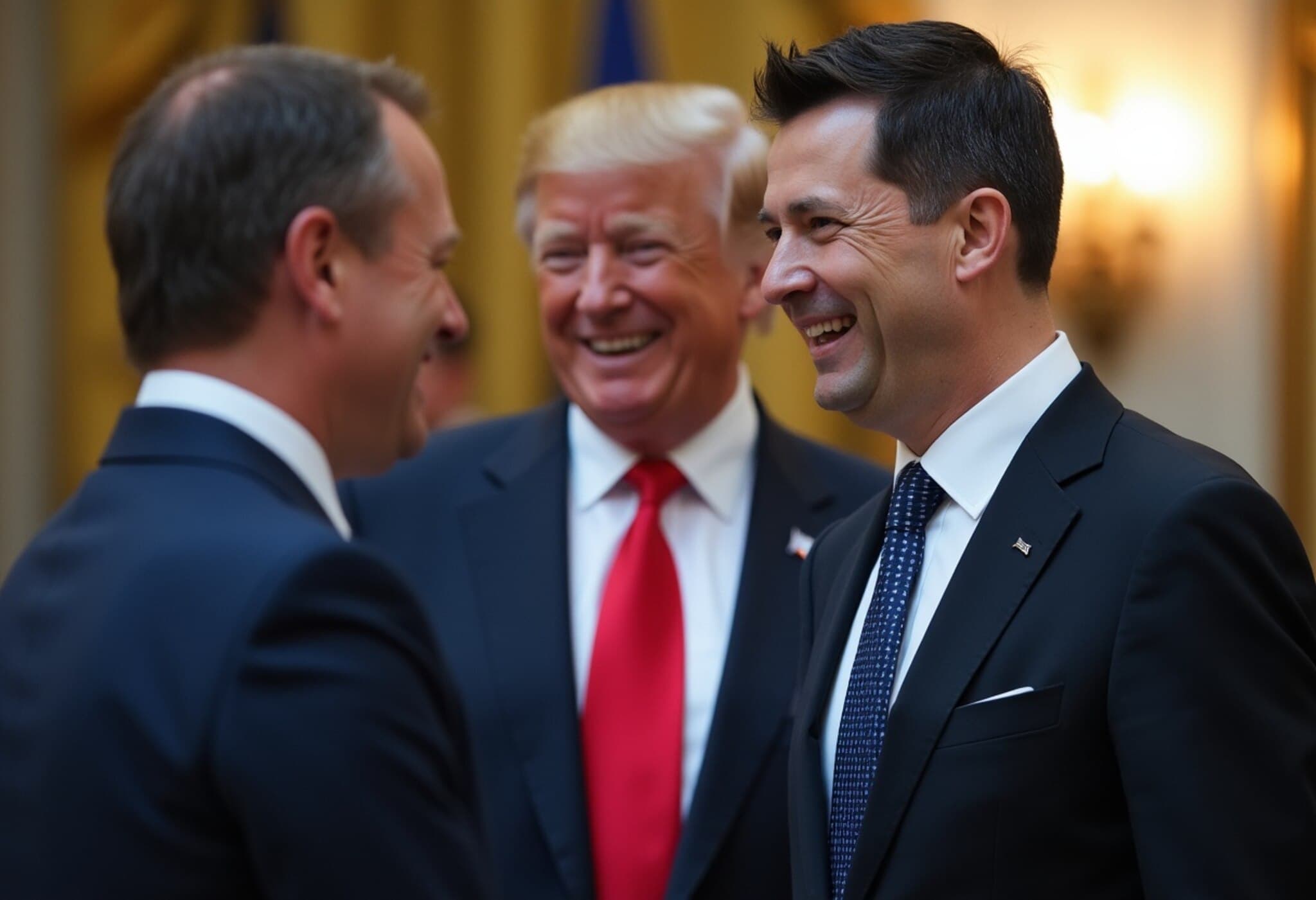
As Ukrainian President Volodymyr Zelenskyy prepares for his highly anticipated Oval Office meeting with former U.S. President Donald Trump on August 18, 2025, an unexpected detail has captured diplomatic and public attention alike: his attire. The White House reportedly inquired whether Zelenskyy would wear a traditional suit, a question that underscores how clothing continues to play a surprisingly symbolic and strategic role in international relations.
Revisiting March: When Clothing Became Controversy
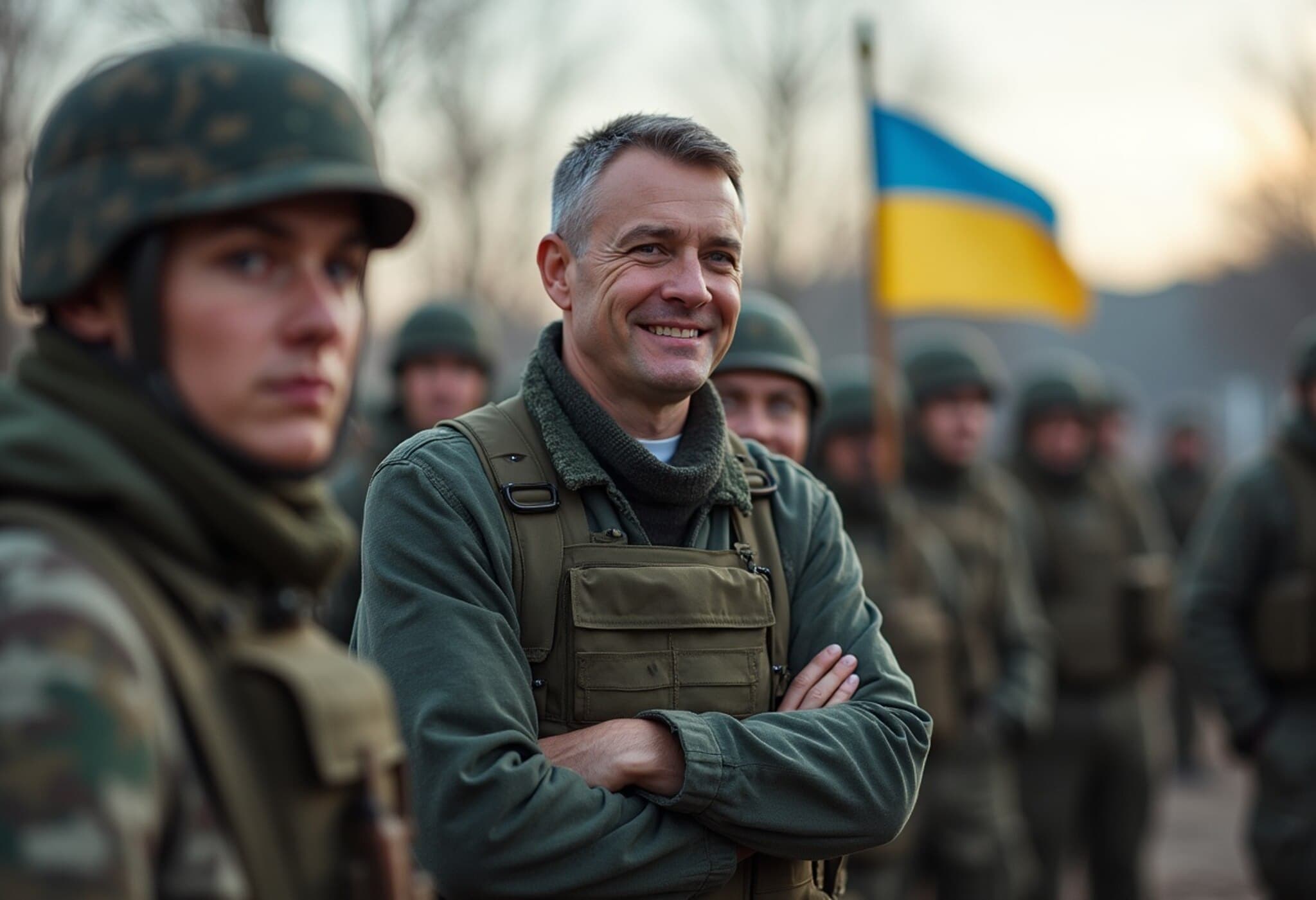
Earlier this year in March, Zelenskyy’s visit to the Oval Office sparked an unusual flashpoint. The Ukrainian president opted for a military-style jacket instead of formal business attire, a choice that reportedly unsettled then-President Trump and contributed to a more strained meeting atmosphere. This episode illuminates how nonverbal cues—such as dress—can set tones as palpably as spoken words.
Trump’s Expectations and the Role of Appearance in Leadership
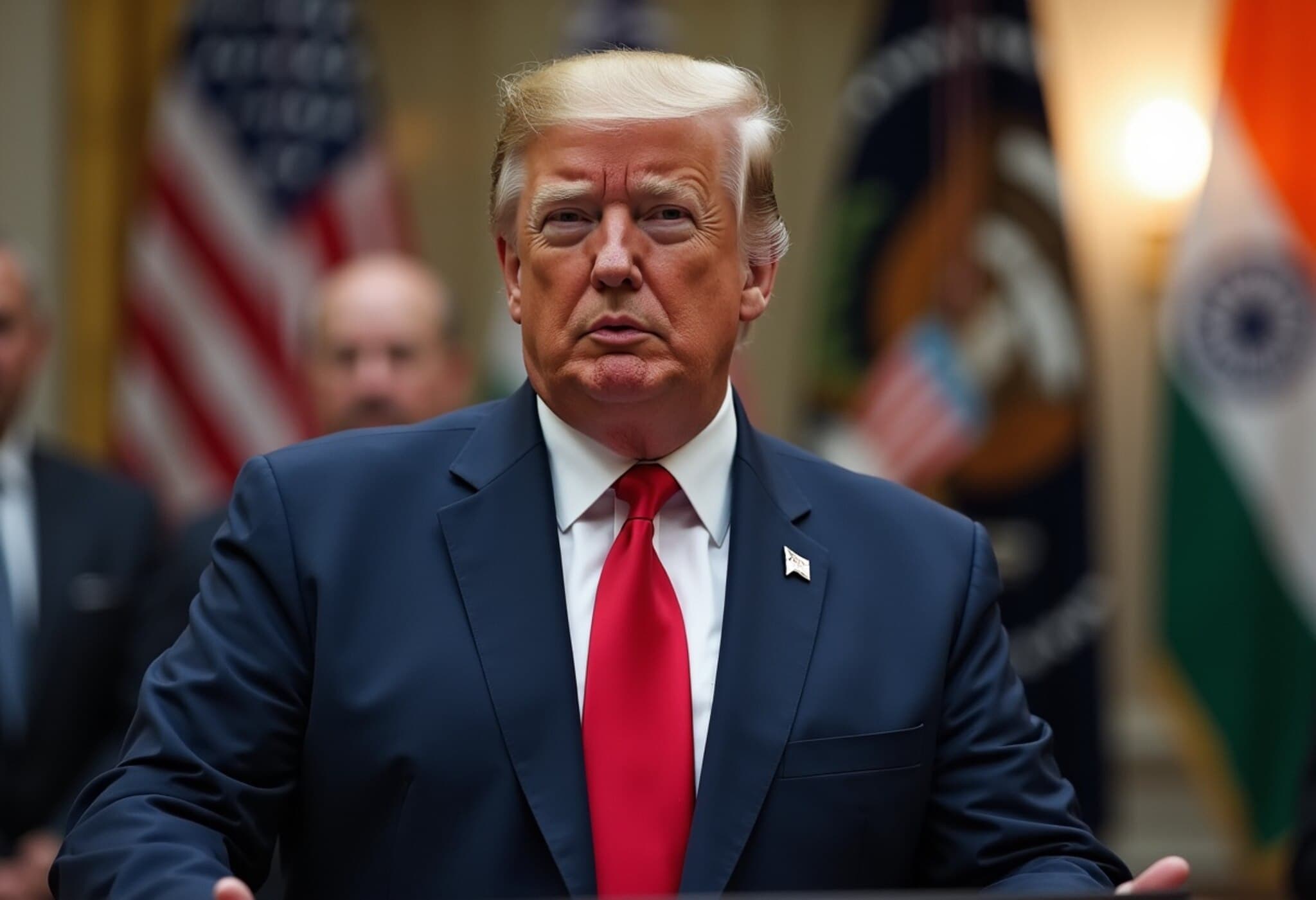
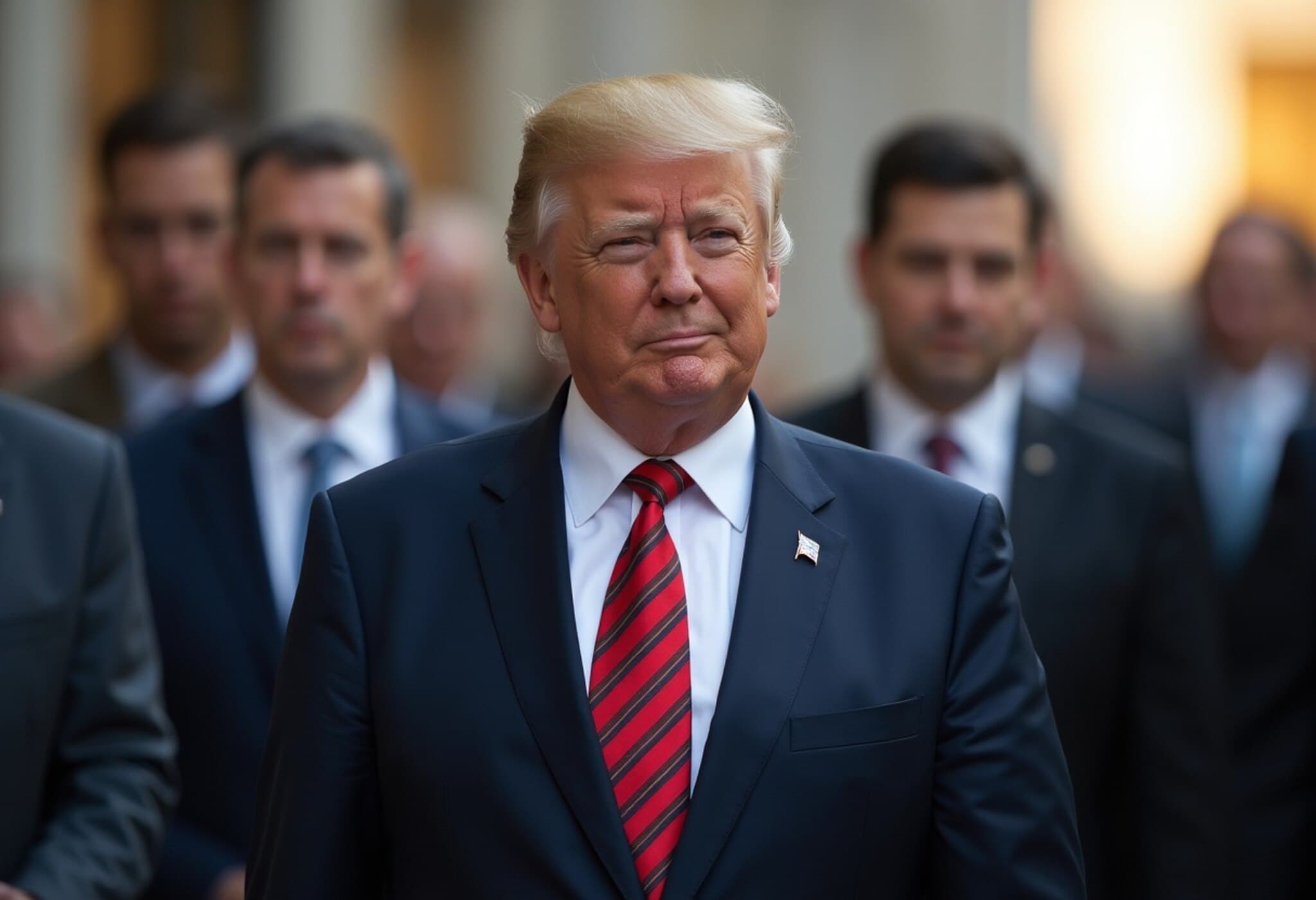
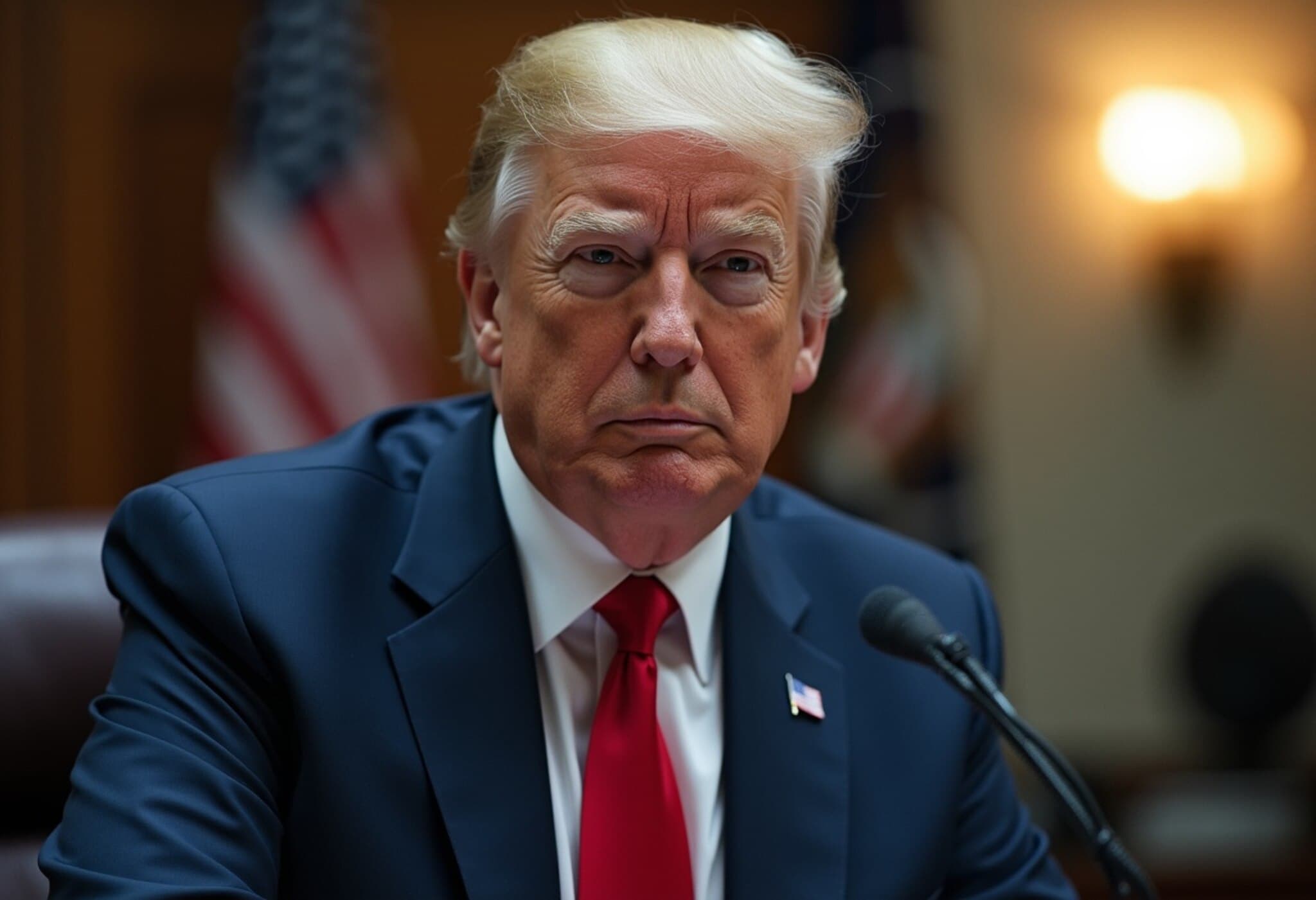
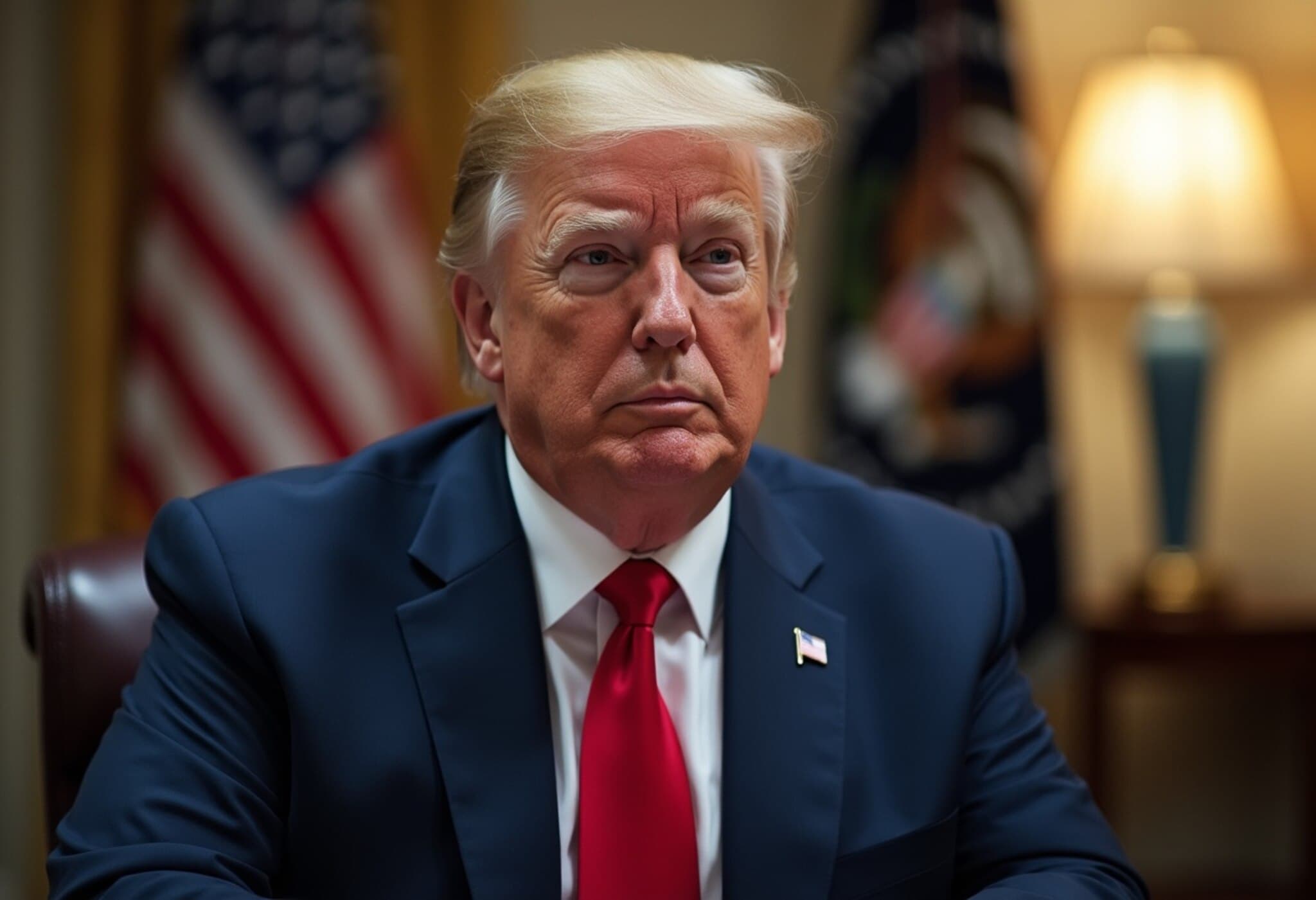
Former President Trump is known for his belief that leaders should look the part, equating suits with authority and gravitas. An adviser once wryly noted that a suit from Zelenskyy could be interpreted as a sign favoring peace — but expectations remain tempered, recognizing Zelenskyy’s preference to eschew full formalwear.
Deeper personnel dynamics appear at play as well. Reports indicate that U.S. Vice President J.D. Vance was particularly concerned about Zelenskyy’s informal aesthetic, initiating conversations around the “tie thing” — an emblematic phrase capturing the tension between diplomatic formality and wartime authenticity.
The Black Jacket: A Deliberate Middle Ground
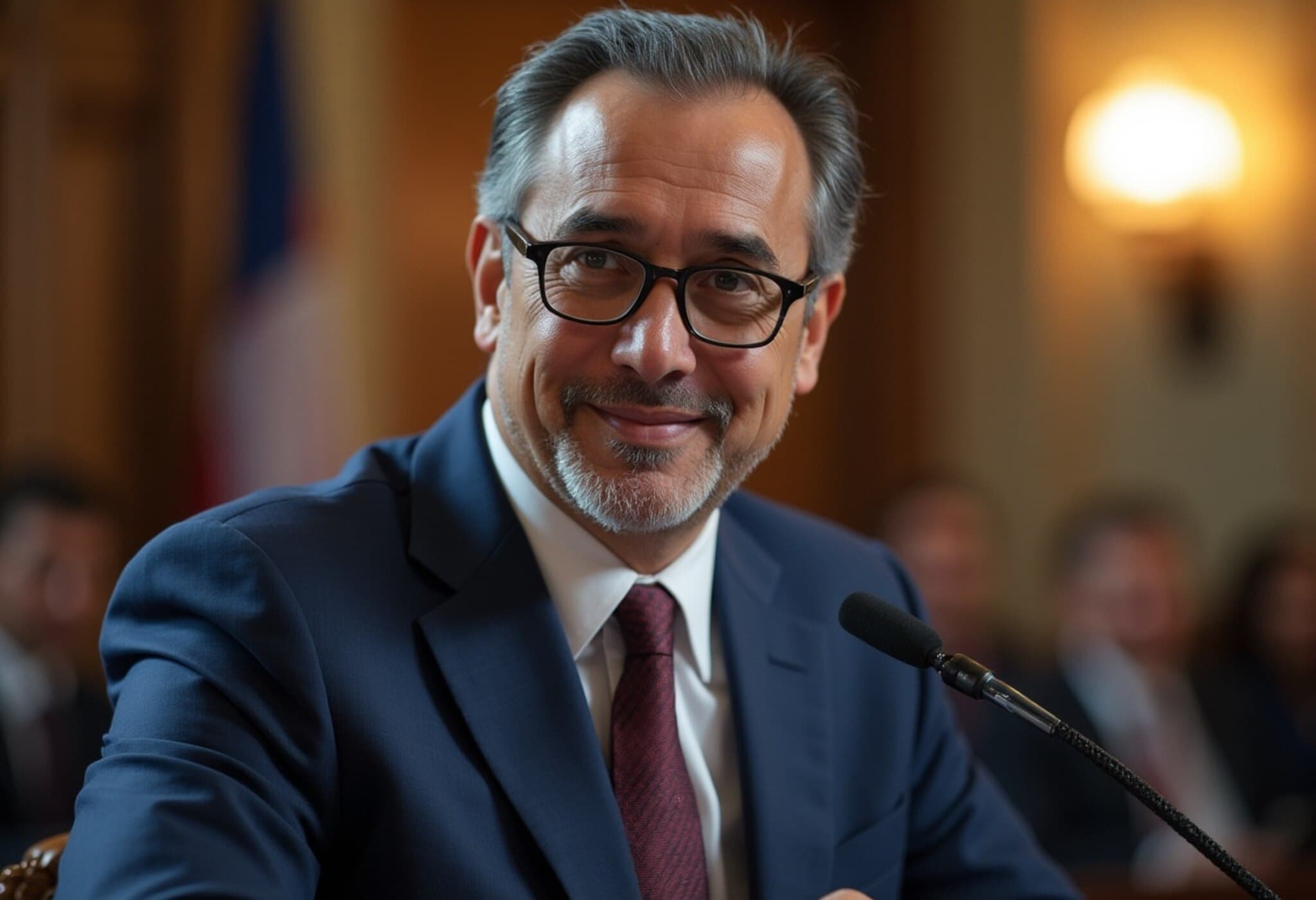
Kyiv insiders reveal that Zelenskyy will wear a black jacket that reflects the silhouette of a suit without fully committing to the conventional suit and tie ensemble. This style choice mirrors the jacket he donned at the NATO summit in June — his first public business-style appearance since the Russian invasion.
This sartorial compromise aims to maintain Zelenskyy’s signature pared-down, authentic look, emphasizing his role as a wartime leader, while acknowledging the Oval Office’s solemn gravitas. U.S. officials have noted that Trump responded more positively to this look in June, hinting that appearance can subtly influence diplomatic goodwill.
More Than Just Clothes: The Evolving Dynamics of the Meeting
Both Ukrainian and American aides project optimism that this upcoming meeting will mark a fresh chapter. Zelenskyy has reportedly honed how he presents his positions, tailoring his messaging more effectively to resonate with Trump’s perspectives. Similarly, Trump advisers suggest he is prepared to set aside past irritations to engage constructively.
The involvement of European leaders in the broader Washington itinerary is also expected to add diplomatic gravitas and a new dynamic absent during the prior March encounter. This collective presence may shift conversations toward multilateral cooperation and renewed support for Ukraine amidst ongoing challenges.
Contextualizing the Wardrobe Debate: Insights and Implications
- Nonverbal Diplomacy: Zelenskyy’s sartorial choices demonstrate how visual symbolism continues to wield influence in political theater.
- American Political Culture: The emphasis on formal attire reflects broader cultural expectations in U.S. politics, where appearance often equates with perceived legitimacy and seriousness.
- Wartime Authenticity vs. Diplomatic Formality: Zelenskyy’s balanced approach exemplifies the nuanced challenge leaders face when representing nations at war on the global stage.
Editor’s Note
The focus on President Zelenskyy’s jacket might seem trivial at first glance, but it underscores a profound reality: diplomacy is as much about symbolism and perception as it is about policy and strategy. As Zelenskyy navigates these complex signals, the international community watches not just the words exchanged but the subtle cues that shape global alliances and narratives. This meeting offers a case study in how leadership style, visual identity, and geopolitical realities intersect — reminding us that in diplomacy, what you wear can sometimes speak volumes.