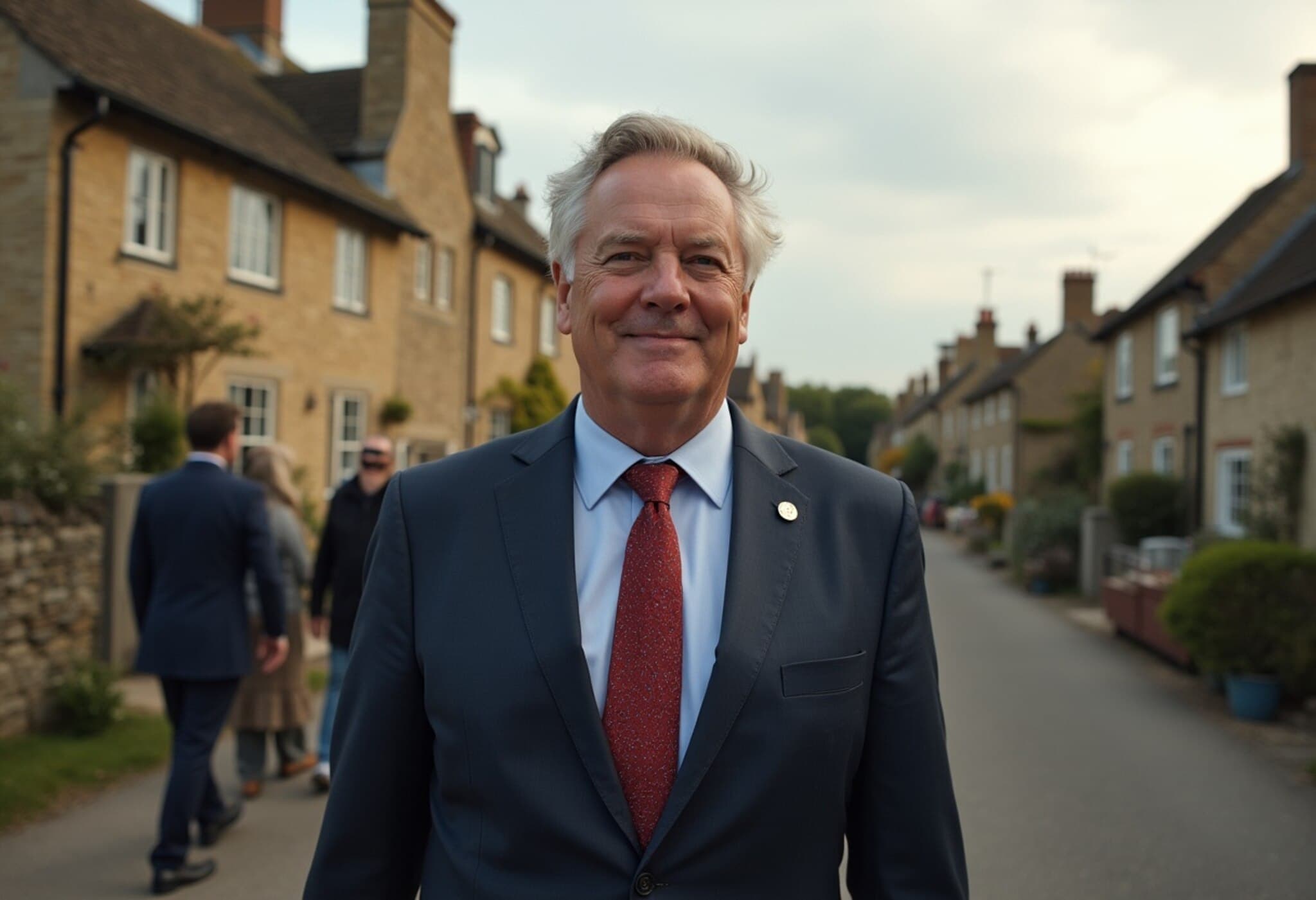
British Countryside Tensions Rise Amid US Vice President JD Vance's Visit
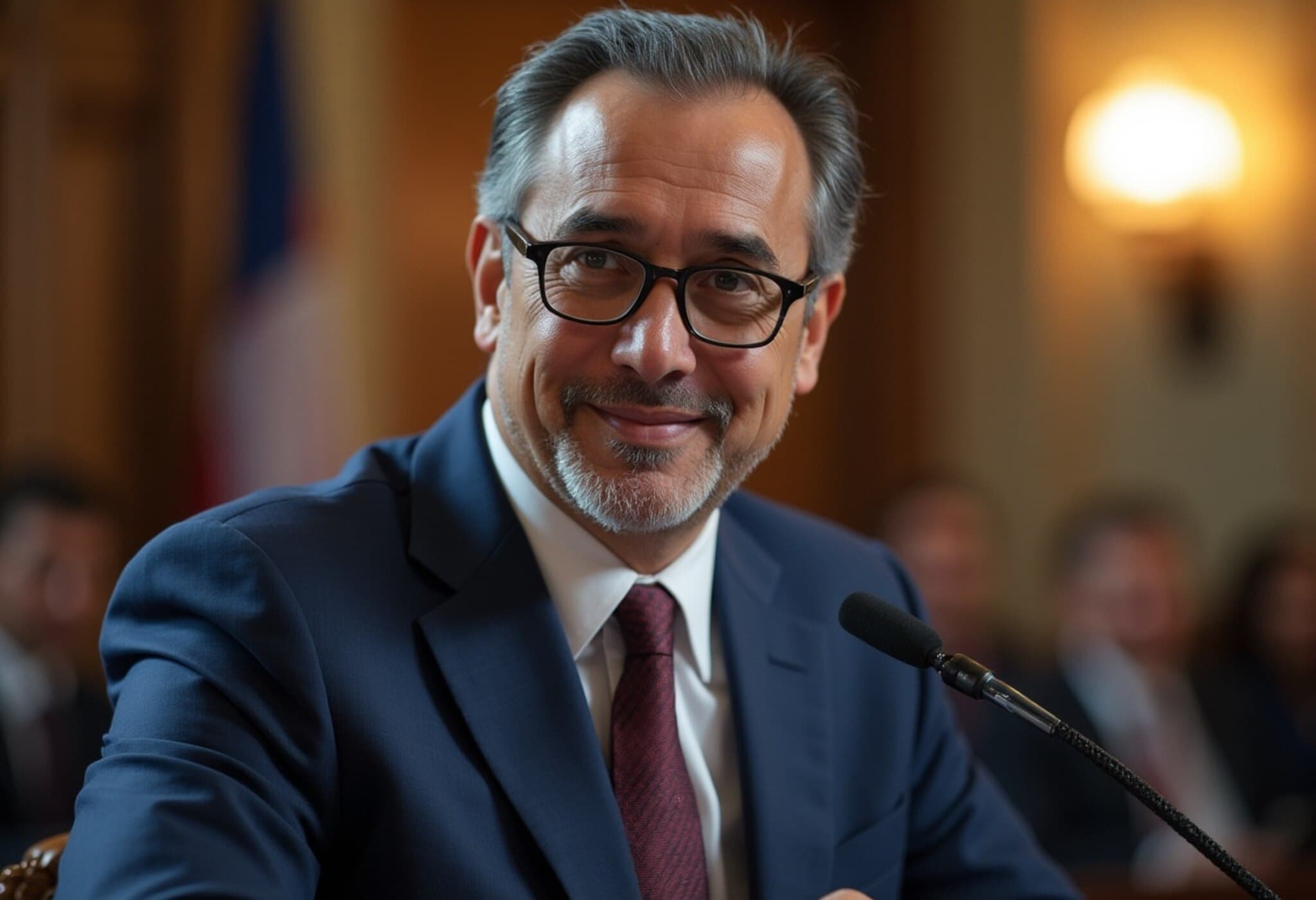
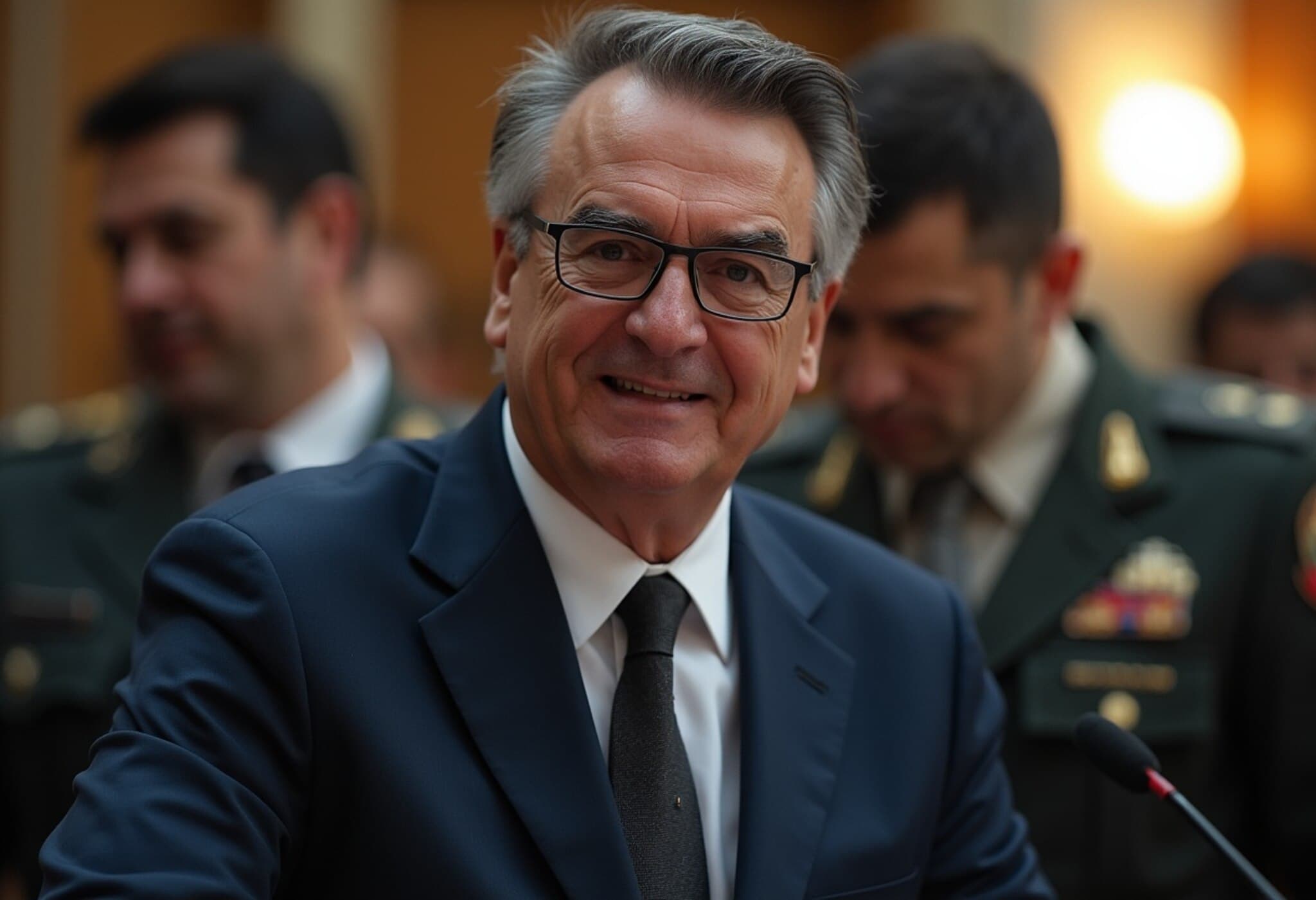
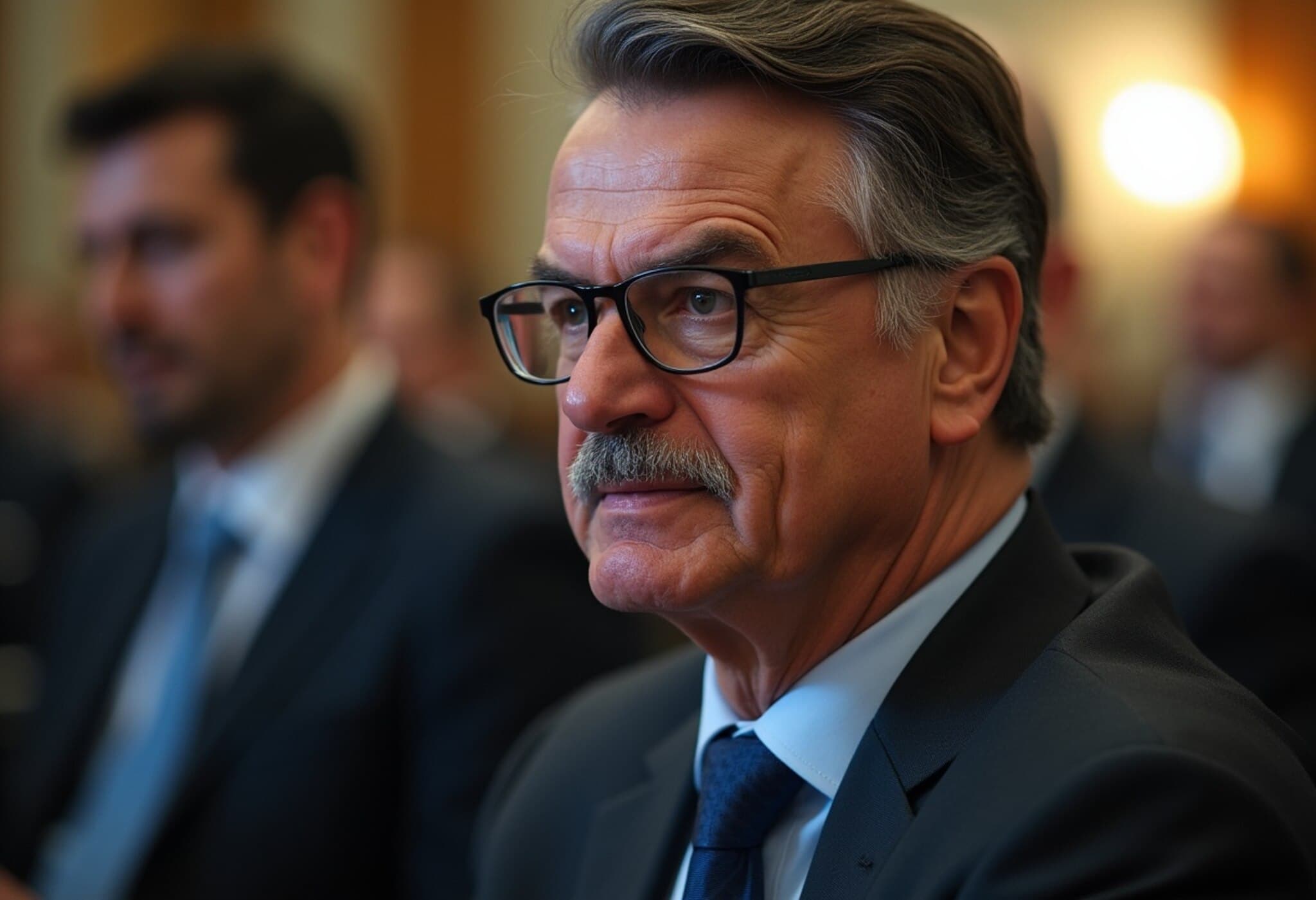
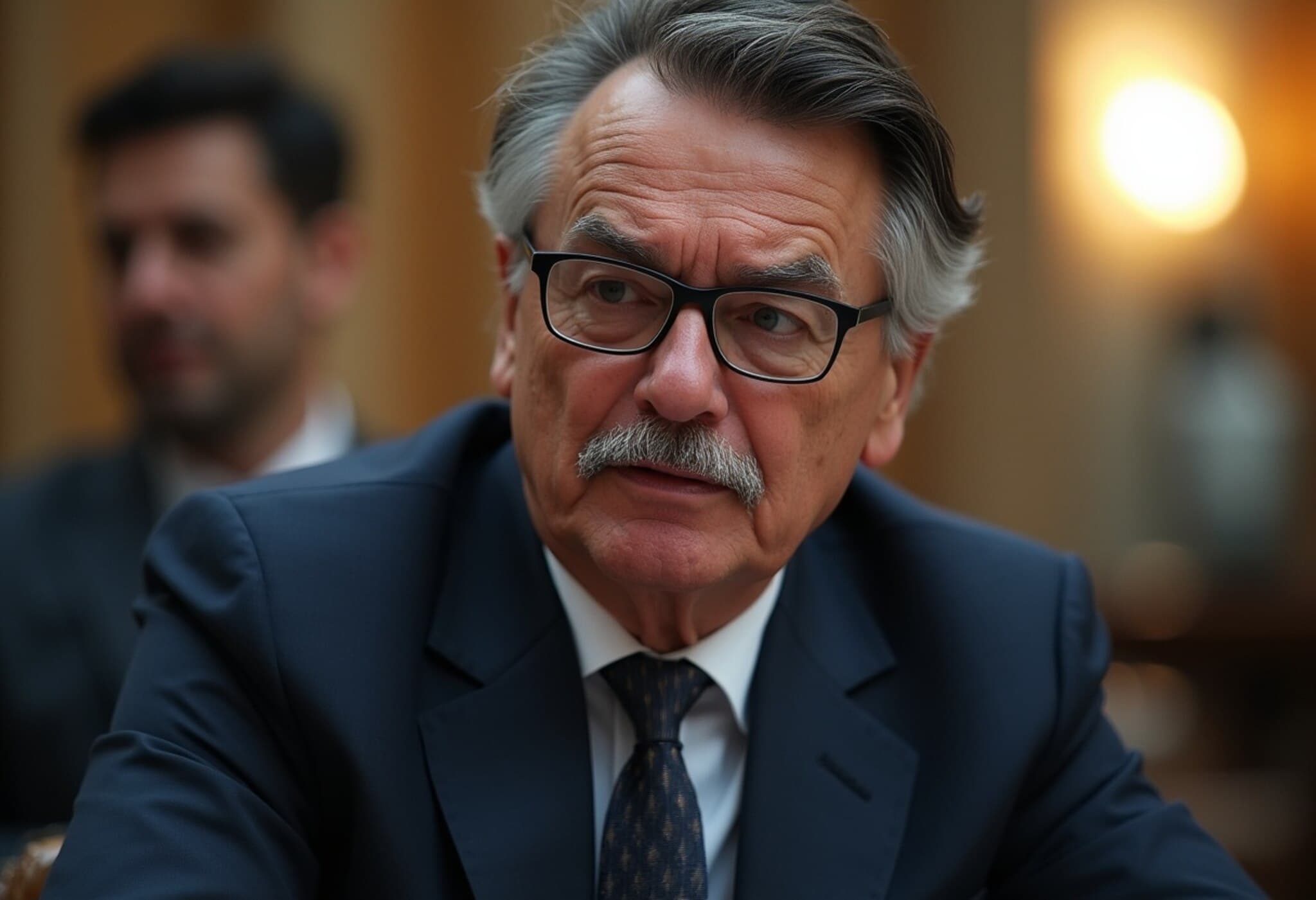
As the English summer unfolds in the tranquil Cotswolds, a ripple of unrest has spread through this idyllic countryside, a locale often romanticized for its rolling hills and historic estates. Jeremy Clarkson, famed British television presenter and celebrity farmer, has emerged as a vocal figure opposing the visit of United States Vice President JD Vance. What began as a seemingly routine diplomatic visit intertwined with family holiday plans has ignited a very British rural revolt—highlighting tensions between security measures, local community life, and the global political theatre.
JD Vance’s High-Security Visit Disrupts Village Life
JD Vance's summer itinerary in the UK is a blend of leisure and high-stakes discussions. After two nights at Chevening, the grace-and-favour residence of the British Foreign Secretary David Lammy, where sensitive talks about the Ukraine conflict reportedly took place, the vice president shifted to a Georgian manor near Charlbury, Oxfordshire. This estate, set amidst celebrity-favored terrain, found itself transformed into a heavily guarded zone, complete with a no-fly area and stringent security checkpoints.
Locals report being effectively "sealed off" from the outside world. Jeremy Clarkson, known for his bestselling series "Clarkson's Farm," lamented the disruption of his reality TV filming at his own Diddly Squat Farm within the no-fly zone, sharing on Instagram about the sudden ban on drone photography. Moreover, Kaleb Cooper, a familiar face from Clarkson’s show, expressed frustration as his agricultural work was halted by the vice president’s long motorcade.
Community Voices: From Inconvenience to Political Discontent
Jonathan Mazower, a longtime village resident and charity communications director, crystallized local sentiment when he described the visit as provoking "a lot of anger." It’s not merely the disruption of daily life but the political baggage that Vance brings—baggage that has sparked reflection on the larger ideological implications of his presence.
Mazower criticized Vance’s approach to international diplomacy, particularly his interactions with Ukrainian President Volodymyr Zelensky and his stance on freedom of speech. He suggested that the visit epitomizes a disturbing trend: "demolishing the foundations of liberal democracy" amid increasingly authoritarian undercurrents in US politics. This critique resonates with a global audience concerned about the erosion of democratic norms.
Protests and Local Resistance: Voices from Charlbury
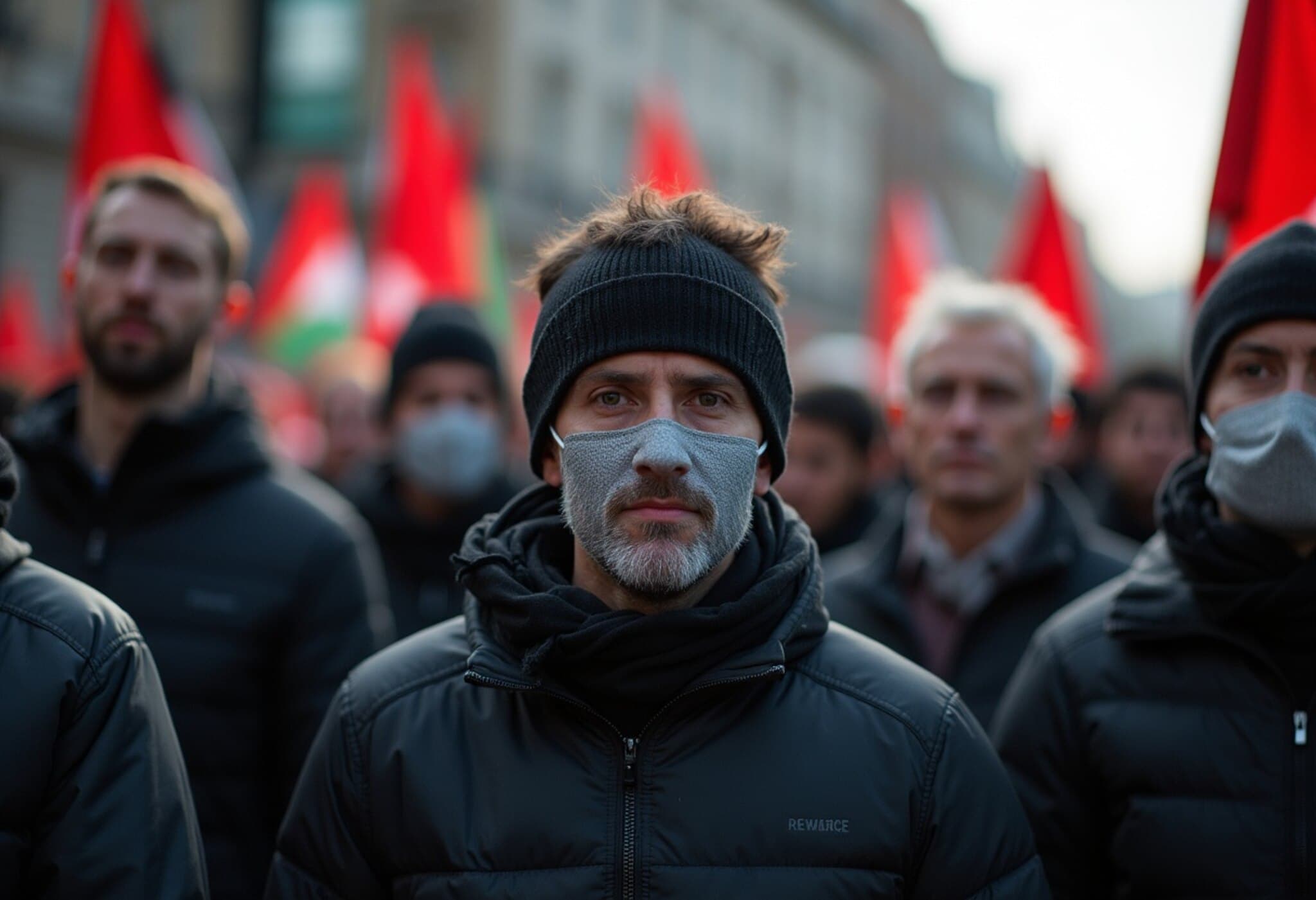
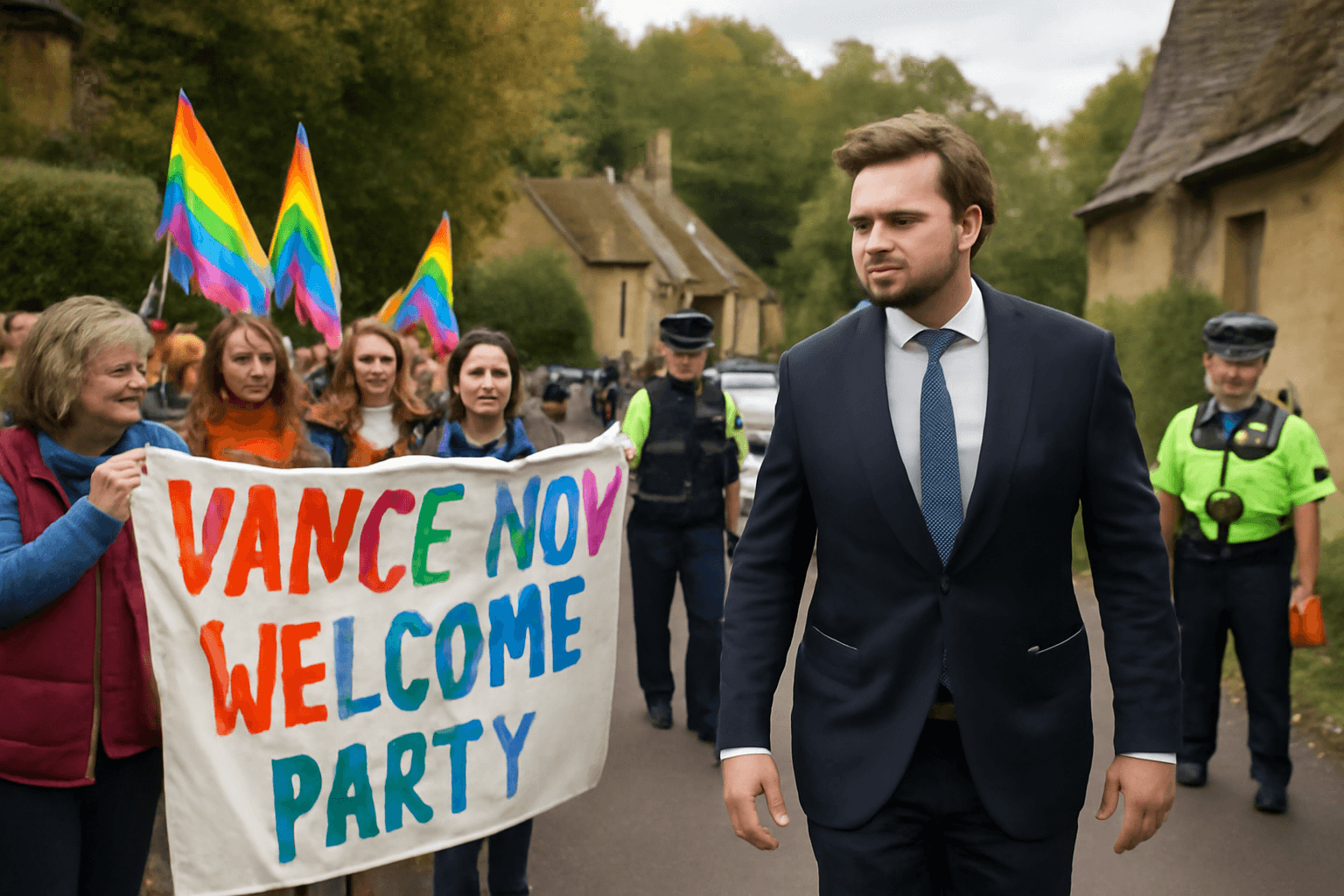
On the village common in Charlbury, nearly a hundred residents and activists gathered for a peaceful but pointed protest labelled the Vance Not Welcome Party. Organized by the Stop Trump Coalition, demonstrators carried handmade signs and sang chants underscoring solidarity with global causes—emphasizing that "occupation is a crime," with references to Ukraine and Palestine poignantly tied to local resistance.
Local voices, such as Juliette Crisp, challenged the stereotypical view of the Cotswolds as an exclusive, genteel region. She urged attention to the often overlooked pockets of deprivation and the broader social inequalities exacerbated by the area’s rising property prices and underfunded public services.
Not all cultural institutions escaped the protest’s ripple effect. Dolly Mavies, a folk-rock musician, canceled a scheduled performance upon learning Vance would be in attendance, stating firmly, "Morals are more important than money."
Historical and Economic Context: The Changing Face of the Cotswolds
Mazower traced this unrest to deeper structural changes within the region, with affluent newcomers and celebrity investment transforming once-traditional rural life into something resembling "The Hamptons of England." Developments like the Soho Farmhouse members’ club and Estate’s high-profile events underscore this shift.
However, behind the veneer of luxury, concerns about housing affordability, farm sustainability, and the impact of inheritance tax reforms reveal serious hardships confronting local communities. The juxtaposition of opulence and socioeconomic strain within the Cotswolds paints a complex picture of rural England in the 21st century—not immune to the pressures shaping global political and cultural battles.
Security Measures and Diplomatic Protocols
The extraordinary security apparatus surrounding Vance’s visit—with roadblocks, ID checks, sniffer dogs, and a sizable motorcade—reflects not just diplomatic norms but growing anxieties about safety and political symbolism. However, for residents, this translates into tangible disruptions and limited avenues for civic dissent.
Police presence and airspace restrictions at locations like the Carnell Estates in East Ayrshire, Scotland, where Vance is expected to continue his visit, further underscore the scale and seriousness with which these visits are managed. Yet these precautions also put into sharp relief the challenge of balancing international diplomacy with local community rights and everyday freedoms.
Editor’s Note: Rural Backlash Reflects Broader Political and Social Tensions
This episode in the Cotswolds presents a microcosm of larger global dynamics. It raises critical questions about how local communities reconcile with the demands of high-profile political visitors and the values they represent. From a policy perspective, it illustrates the need for nuanced protocols that respect both security imperatives and community impact—and for media to illuminate the voices of those caught at the intersection of global politics and rural life.
Moreover, the protest movement around Vance’s visit reveals the persistent power of grassroots civic action, even in regions not traditionally seen as political hotbeds. As the US and UK navigate their complex alliance amid rising geopolitical tensions and domestic upheavals, the Cotswolds’ rural revolt reminds us that diplomacy is never divorced from the places—and peoples—it touches.